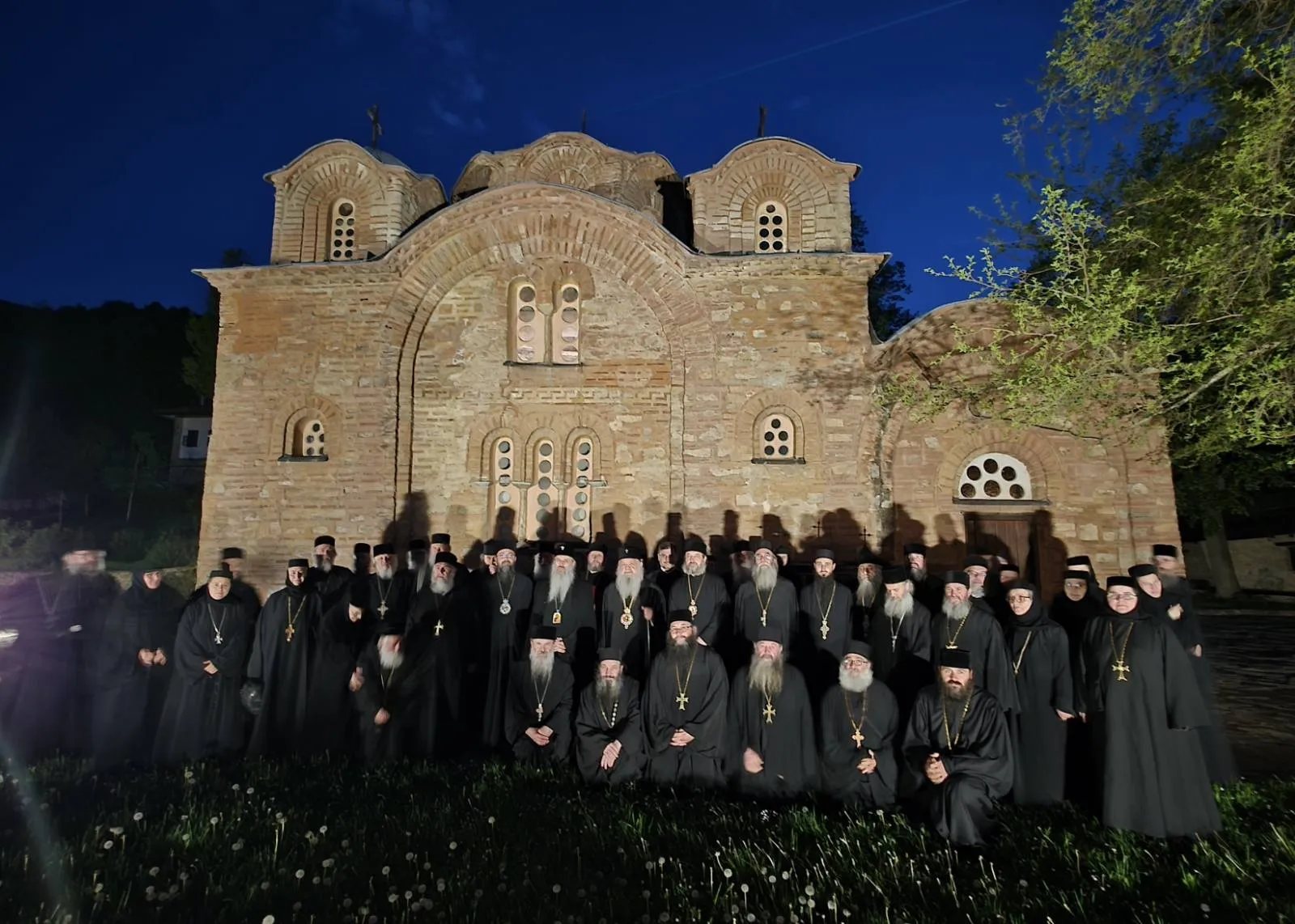
Archbishop Stefan Hosts Romanian Church Delegation: 60 High Guests at Saint Panteleimon - International Normalisation of the Macedonian Orthodox Church
03.05.2026


03.05.2026
03.05.2026
03.05.2026
03.05.2026

03.05.2026

03.05.2026
28.04.2026

27.04.2026

27.04.2026

03.05.2026

03.05.2026

02.05.2026

03.05.2026

03.05.2026

03.05.2026

03.05.2026

02.05.2026

01.05.2026

03.05.2026
03.05.2026

03.05.2026

09.03.2026

27.02.2026

19.02.2026

14.04.2026

07.11.2025
07.11.2025

23.04.2026

23.04.2026

12.04.2026

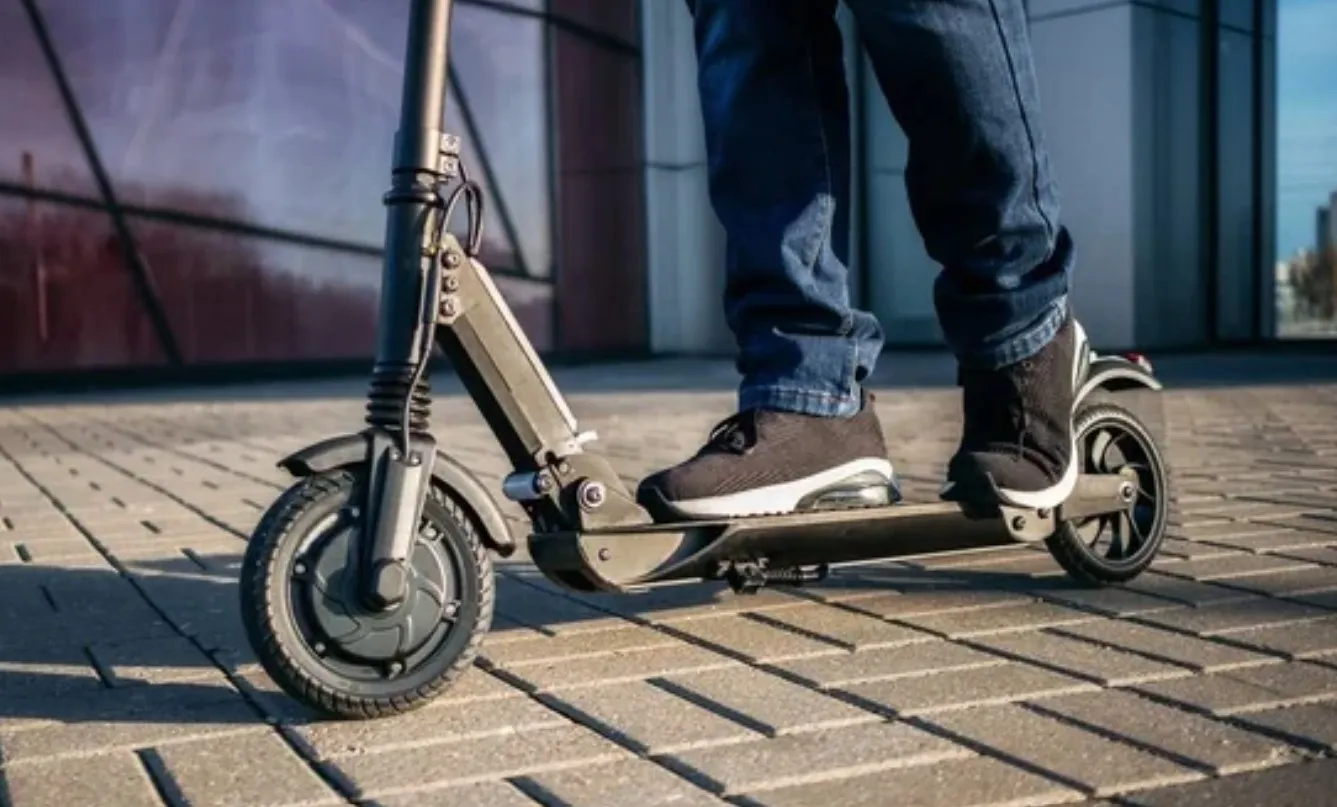
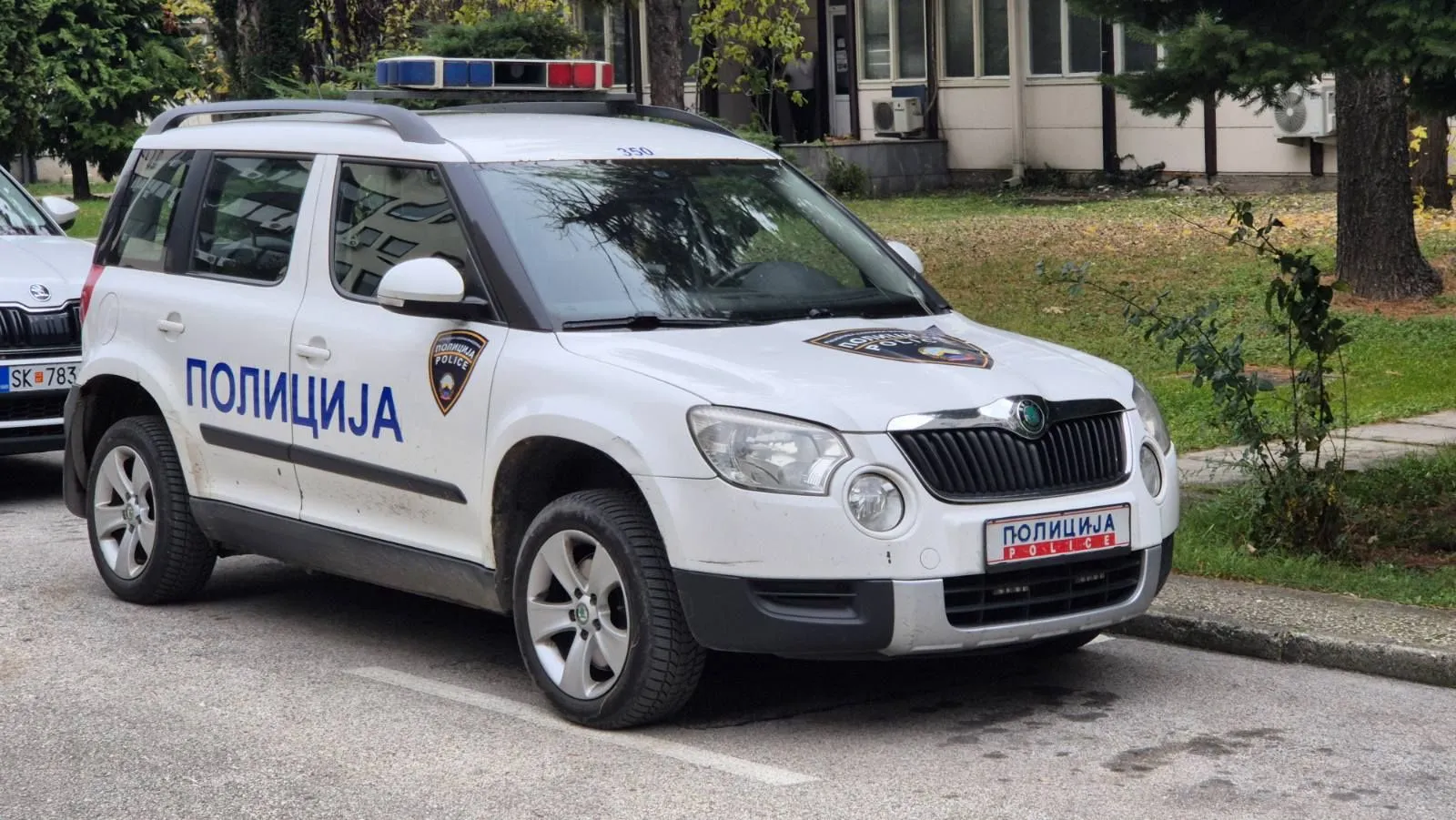
On 2 May 2026, at 14:55, at the junction of „Gorno Lisiče" and „Đorđi Kapčev" streets in Skopje, a collision occurred between a car and an electric scooter. A 14-year-old girl was seriously injured. The circumstances are under investigation. But the question that needs asking isn't just „who's at fault" - it's why these cases have become an everyday event in Skopje.
Electric scooters appeared in Skopje a few years ago as „green" transport. Fast, cheap, no emissions. The city's marketing pitched them as a solution to traffic and pollution. But almost no one talked about the safety side. Where do they ride - on the road or on the pavement? At what speed? With what protection? These questions went unanswered - and where there are no rules, it's the under-aged and inexperienced who pay.
According to Interior Ministry figures, in 2025 over 200 road accidents in Skopje involved scooters, bicycles or other light vehicles. About 60% of them involved injured minors. This is a story the institutions don't want to broadcast - but the numbers don't lie. Urban mobility without rules is urban mobility with crashes.
In many European cities the problem has been solved with dedicated lanes for bicycles and scooters, legal age limits, speed caps and mandatory helmets. Bulgaria and Croatia already have such laws. Germany and Austria did it back in 2019. Macedonia - is still thinking about it.
For the 14-year-old's family, the issue right now isn't the law. It's her health. Seriously injured means a lot of things - from long rehabilitation to lifelong consequences. An electric scooter can reach 25 km/h. In a collision with a car - even 15 km/h is enough to cause serious injury. Scooters don't protect their riders.
Skopje has a choice. It can treat this case as an isolated incident, the way it has treated the previous 200. It can repeat that the „investigation is under way" and keep the system rule-free. Or it can use this case to push through the legal framework that has been sitting on the table for years. Bulgaria passed its framework after two serious crashes in Sofia. Macedonia has had far more. The question is whether the political will turns up before or after the next victim.
The latest 10 news from this category
Since 2022, when the MOC received canonical recognition, visits from sister churches are acts of legitimisation. The Romanian Orthodox Church...
Seven without a licence, one drunk, one banned. 45 without helmets. The numbers are high. The trends - not so...
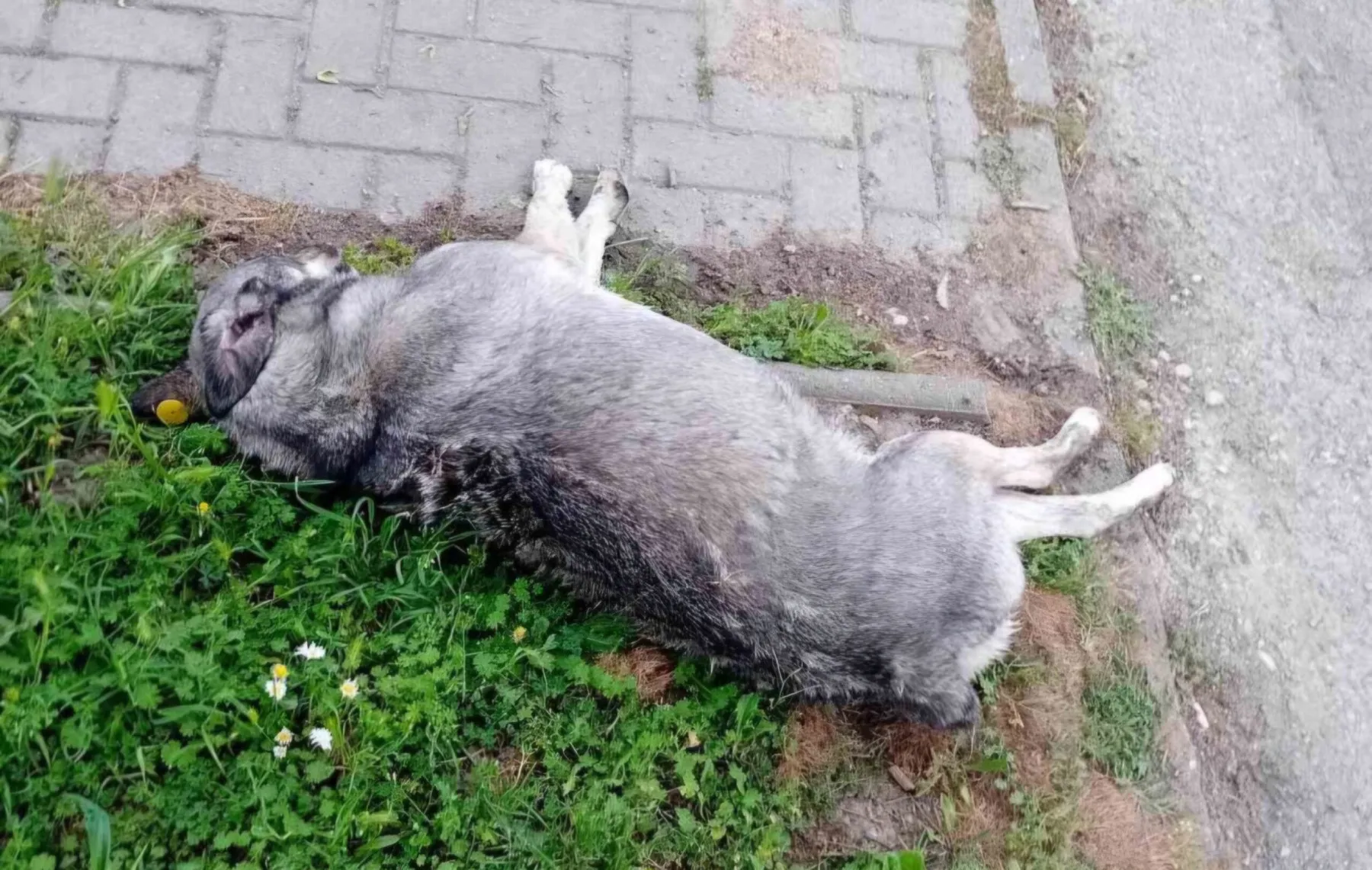
The stray-dog programme covers maybe 20%. The other 80% live, breed, and sometimes die in cases like these. The institutions...

The 600-ship shadow fleet is no longer untouchable. The Balkans always pay a slice of the big players' bill -...
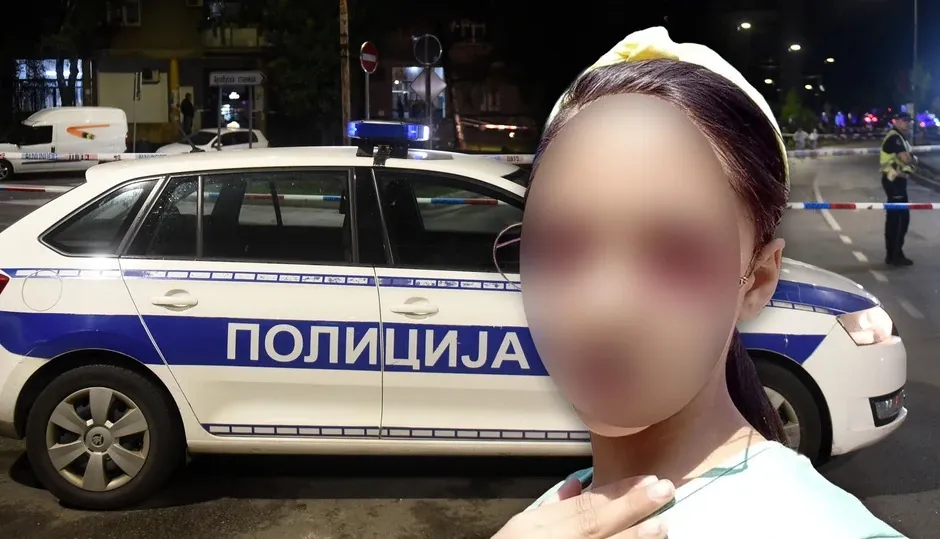
The system works. The questions Serbia now has to answer are older than the system - why does a 15-year-old...
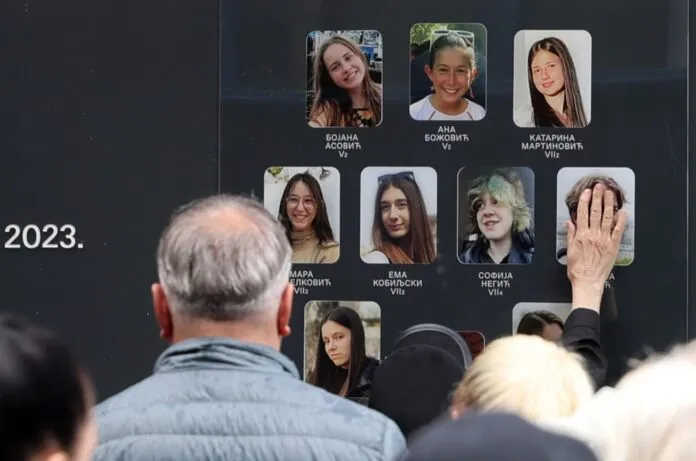
Psychologists in every school, an early-detection system, a weapons register. The money allocated, not spent. The programmes planned, not running.

A constitution can't be rewritten by a night-time bylaw. A law can. And that's exactly why the rights of 100,000...

A standard procedure that should take days is now dragging on for months. That isn't a technical glitch. It's a...

Mexhiti and Kasami as co-chairs. Europe Day chosen for the launch. DUI is left alone and old - the choice...
The rhetorical artillery of „pro-Russian businessmen" has been deployed in Skopje since 2009 - and almost always ends without a...