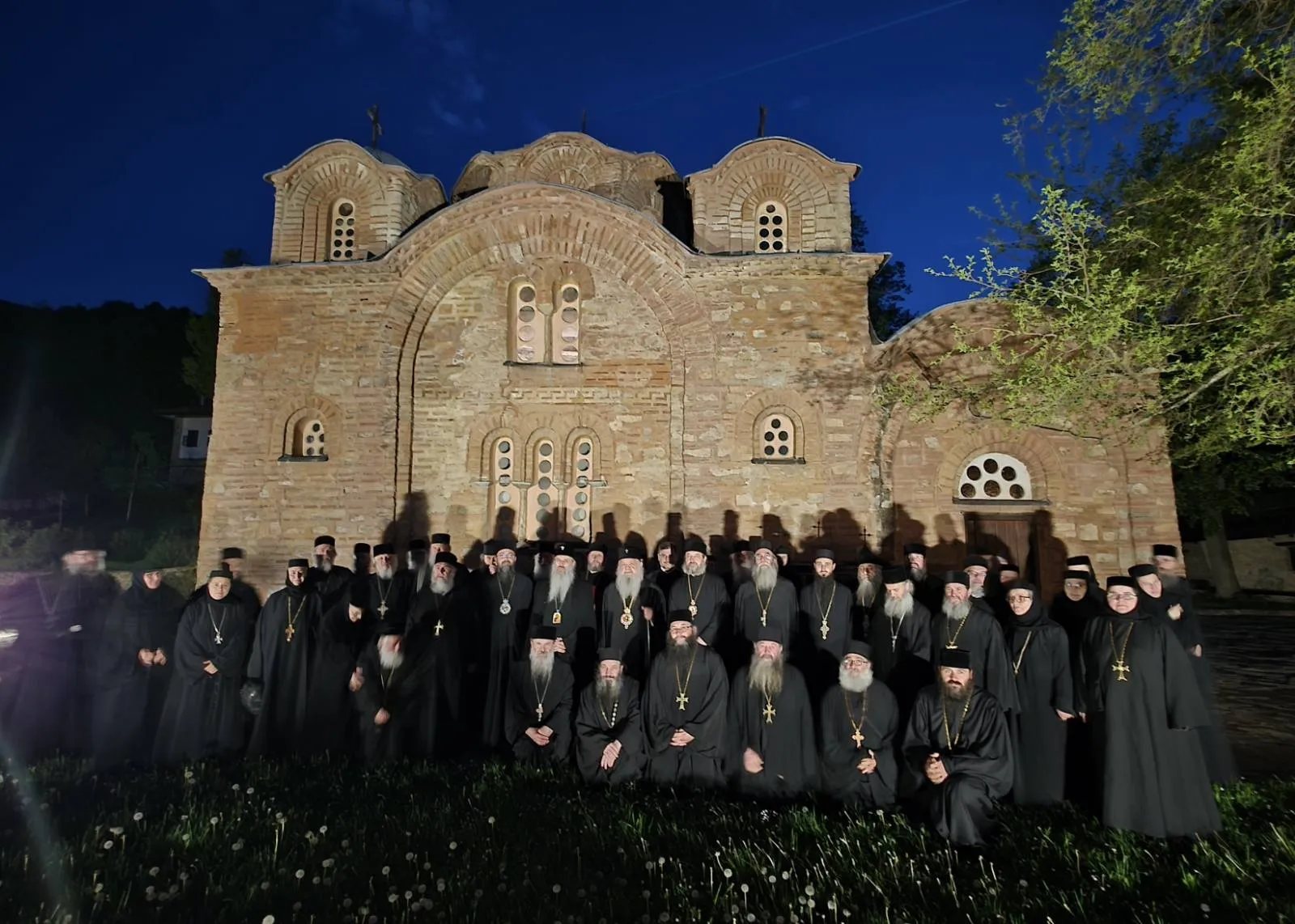
Archbishop Stefan Hosts Romanian Church Delegation: 60 High Guests at Saint Panteleimon - International Normalisation of the Macedonian Orthodox Church
03.05.2026


03.05.2026
03.05.2026
03.05.2026
03.05.2026
03.05.2026
03.05.2026

28.04.2026

27.04.2026
27.04.2026

03.05.2026

03.05.2026
02.05.2026

03.05.2026

03.05.2026

03.05.2026
03.05.2026

02.05.2026

01.05.2026

03.05.2026
03.05.2026

03.05.2026

09.03.2026

27.02.2026

19.02.2026

14.04.2026
07.11.2025
07.11.2025

23.04.2026

23.04.2026

12.04.2026
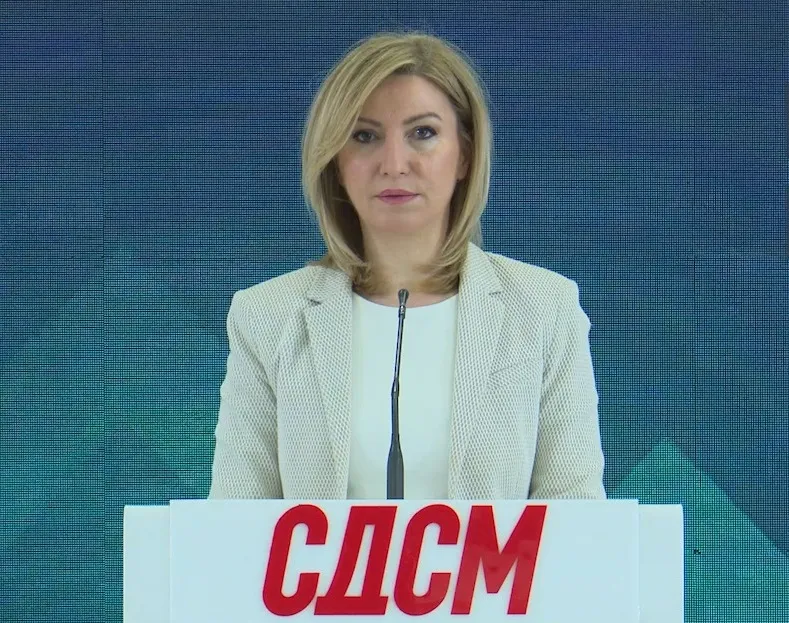
According to SDSM, in the first three months of 2026 Prime Minister Mickoski's government took on 700 million euros in new debt. Over the two years VMRO has been in power, public debt has grown by 2.3 billion euros. SDSM calls these numbers a „fiscal abyss". The question is whether the words are accurate, and whether the abyss analogy fits the real situation.
Before accepting or rejecting the political claim, it helps to look at the official numbers. According to the Ministry of Finance, Macedonia's public debt at the end of 2025 stood at around 50% of GDP. That's below the EU's 60% fiscal-rule threshold. Neither catastrophic nor lavish. But the trend matters. And unlike in 2018-2020, the trend is now clearly upwards.
Kuzeska of SDSM calls this borrowing „amateurish". That's political rhetoric, not an economic assessment. An amateur is someone who borrows without a plan. The question worth asking isn't whether we are borrowing, but why we are borrowing. If the money goes into infrastructure that will generate long-term returns - that's economically rational. If it goes into operating costs, civil-service salaries, or political handouts - that's kicking the bill down the road.
Finance Minister Armen Nikola has been talking in recent months about major projects - the Kumanovo-Beljakovce motorway, the gas pipeline from Greece, the railway reconstruction. All of these make sense. But the question citizens deserve to have answered has three components: how much exactly goes into infrastructure, how much into operating costs, and how much into political costs? Until today, that breakdown has not been put out publicly.
On the other side, when SDSM was in power it was also borrowing. Different figures, same pattern. That's the Balkan norm - every government claims the previous one didn't manage the finances well, and then repeats the same mistakes on a different scale. Kuzeska calls these 700 million an „abyss". When SDSM was in power, VMRO was calling 600 million „a death sentence for Macedonia". Only the parties have swapped chairs. The words change, the numbers not so much.
For citizens the question is simple. When will the weight of this borrowing be felt? Not at the next elections. At the next generation. A 2.3-billion-euro debt is not a bill the Mickoski government will pay. It's a bill our children will pay back, with interest. And that's the difference between political rhetoric and financial reality. Rhetoric is for elections. Interest doesn't care about elections.
The latest 10 news from this category
The same pattern every year. A warm winter, a cold spring, damage. And every year - the same promises, the...
Six percent growth is real. But Bulgaria has cheaper wages, Hungary has more skilled labour. Macedonia sits between them -...
At the same time, an investigation is looking into whether oil companies are re-exporting subsidised petrol to neighbouring countries. State...
An average European car in the US jumps by 12,500 to 17,500 dollars. German factories in Skopje and Bitola will...
Average CEO - 8.4 million dollars a year. Average worker - 490 years of work for the same sum. Ten...
Ryanair is forecasting bankruptcy if regulation does not loosen. Small airports will pay first. The Balkan traveller will be 30-50...
Cursor (Claude Opus 4.6) decided on its own to "fix" a discrepancy. Silicon Valley is in a hurry. Users pay...
Iran's blockade has shaken the markets. US inflation is already at 3.3 percent. Macedonian families will feel it on their...
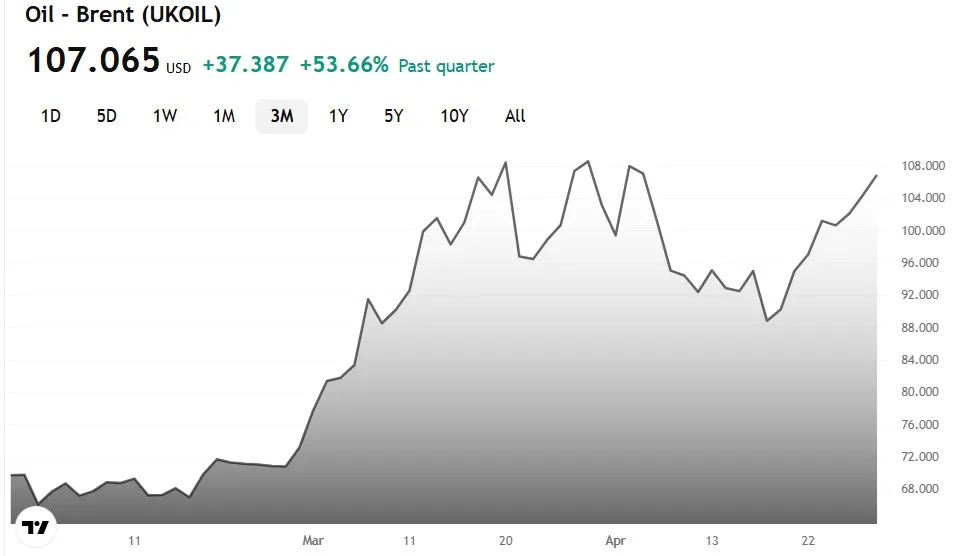
Цената на новата геополитичка игра на Блискиот Исток нема да ја платат само актерите на сцената – ќе ја платиме...
When OPEC itself cannot hold together, Skopje has no alternative supply chains. Our petrol pump is the tail end of...