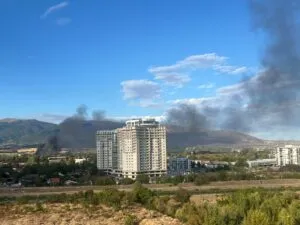
Black Smoke Over Skopje: A Paint and Varnish Warehouse Burned Inside the Old Steelworks
23.09.2026


23.09.2026
23.09.2026
23.09.2026

23.09.2026
23.09.2026

23.09.2026
23.09.2026
22.09.2026

21.09.2026

23.09.2026

23.09.2026

22.09.2026

23.09.2026

23.09.2026

23.09.2026

23.09.2026
22.09.2026

21.09.2026
23.09.2026

23.09.2026

23.09.2026

23.09.2026

23.09.2026

23.09.2026

09.03.2026

27.02.2026

19.02.2026
23.09.2026
22.09.2026

21.09.2026

23.04.2026

23.04.2026

12.04.2026

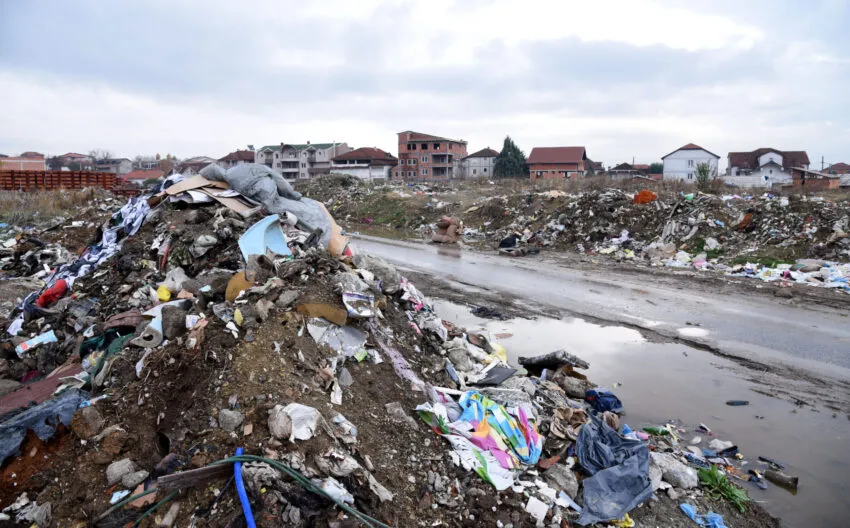
A man pulls up beside the Lepenec and throws rubbish into the river. In another video, bags end up in the Radika. At a third location, people who charge for waste collection unload it on public land instead of taking it where it belongs.
Citizens made the recordings. Police found the offenders and issued penalties. For most citizens the penalty is 40 euros - or 20 if paid within eight days.
Twenty euros for polluting a river.
How that compares with the neighbours
In Montenegro the penalty for similar offences runs from 500 to 2,000 euros. In Bulgaria from 150 to 500 euros. In Croatia over 1,000 euros. In Italy 1,500 euros and up.
The difference is not a nuance. It is the difference between a fine and a fee.
But a higher fine on its own cleans nothing
This is usually where the debate stops, and that is a mistake. A fine only works if there is a real chance of the offender being caught.
The number that shows this: over the final six months of last year, the City of Skopje's municipal wardens filed 99 offence reports, and fines were collected from 79 people. Ninety-nine reports in half a year, in a city of several hundred thousand.
If dozens or hundreds of people dump rubble, old furniture and plastic beside roads, rivers and bins every day, and a few dozen are identified in a year, then the problem is not only the size of the fine. The two men at the Lepenec and the Radika were filmed. The rest were not.
Which is why a debate about draconian fines only makes sense as part of a wider system - inspection oversight, municipal wardens, cameras at critical points, fast identification and consistent enforcement.
The numbers beneath the photographs
According to the State Statistical Office, 790,866 tonnes of municipal waste were generated in the country in 2024, of which 637,471 tonnes were collected. On average - 438 kilograms of waste per resident.
The Skopje region accounts for 180,729 tonnes, or 28.4 percent of all municipal waste collected.
But the structure matters more than the volume. Of all municipal waste collected in 2024, 85.8 percent was mixed municipal waste. And a full 99.8 percent of collected waste ended up in landfill.
Those two figures explain the heart of it better than any photograph of an overflowing bin: the problem is not only how we collect the waste, but what we do with it once we have.
Out of the bin, the problem just relocates
When the refuse truck empties the bin, the street looks cleaner. The waste does not disappear - it just changes address. If almost the entire volume ends up in landfill, the system stays linear: we buy, use, throw away, collect, bury.
Dumping waste in a river is the most dangerous form of it, because the waste does not stay where it was thrown. Water carries it through the river system, plastic breaks down into ever smaller particles, and the rest ends up on the banks, in the soil, or further down the catchment. The Lepenec and the Radika are not two dots on a map - they are transport corridors.
What is being done
Skopje's city authorities recently announced the purchase of around 40 new refuse trucks and some 3,300 bins. That is necessary and good. But a new truck solves how fast bins get emptied, not what gets thrown outside them.
What is missing is harder to procure than a truck: a law that penalises proportionately, oversight that actually detects, and a landfill system that does something other than pile things up. Without that, the next river video is only a matter of time - and it will again be called "one individual's arrogance", even though 99.8 percent of it is something else.
The latest 10 news from this category
The union says staff have endured insults and threats from the court president for years. She says this is really...
The state audit found a system that responds well and plans badly. The reforms were demanded by the EU screening...
To fine a bar that is too loud, a citizen has to file a complaint at the municipal Registry. The...
A month and a half ago 4,900 first-graders were missing, now it is 1,500. Nothing decreased - the data simply...
The solution did not come out of a transport study, but out of residents' suggestions. What remains is the most...
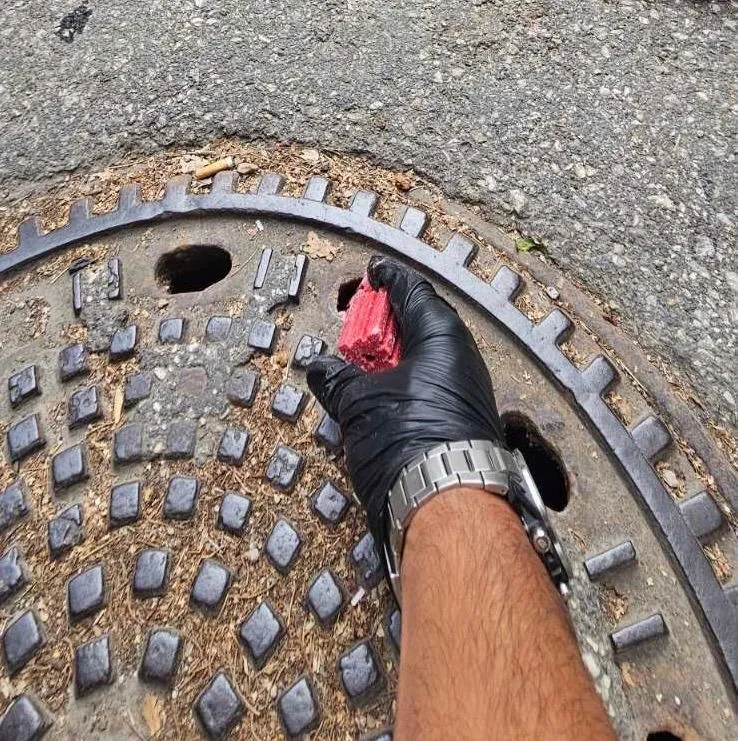
Bunjakovec, Kapištec and Gradski zid are getting poison again. An overflowing bin is food, unsealed sewerage is shelter - and...
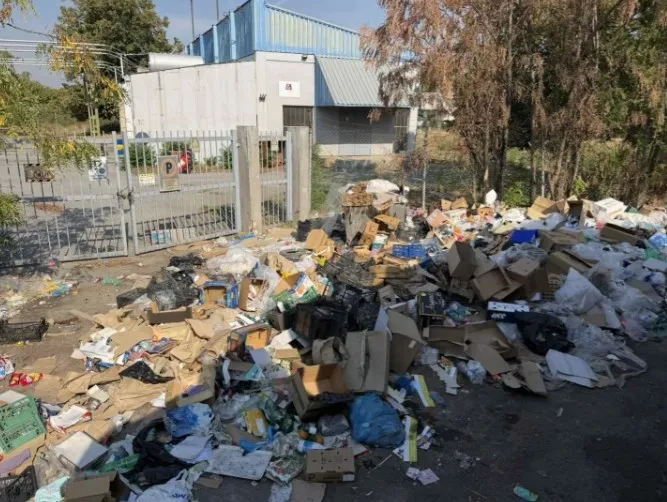
Every cubic metre from the illegal dumps is a bill sent to everyone. What the statement leaves out is the...

This year's European Mobility Week theme is intergenerational fairness - the decisions made about a city are paid for by...
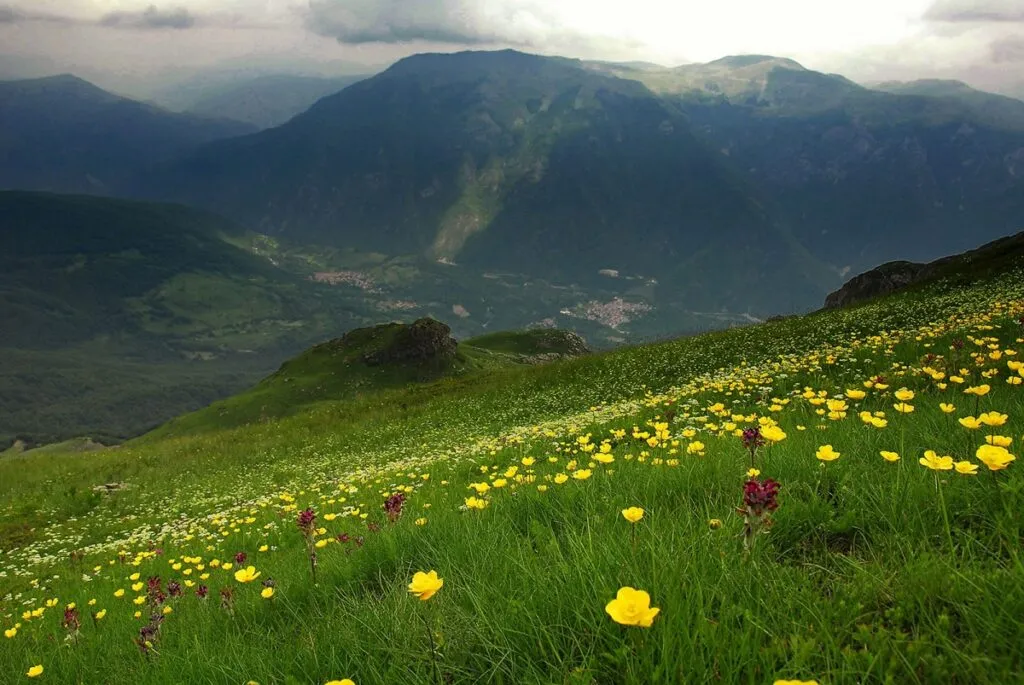
The country's largest national park is run on boundaries from 1952 and zoning from 1988. Pelister and Galichica got new...
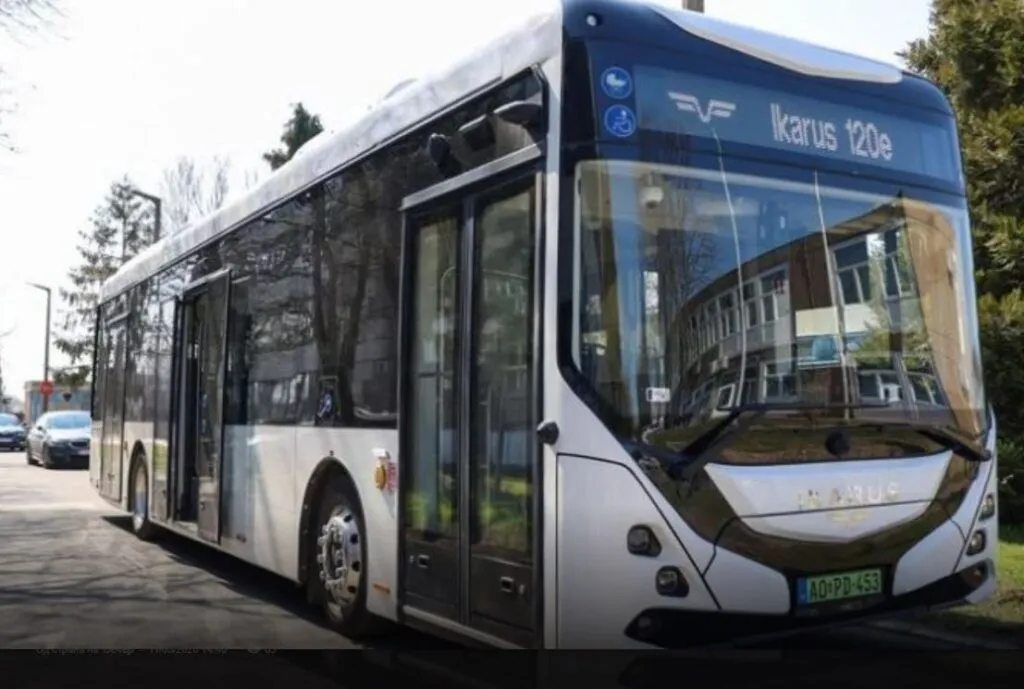
The tender collapsed in May, was repeated in July, and Ikarus and EVN came in lowest at 3.12 billion denars....
This site uses cookies - is that okay? Learn more
Be the first to know when Metla launches something new
Leave your email and we will write when there is a new guide or something new on Metla.