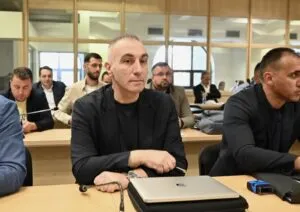
The "Lottery" Trial: 231 Pieces of Evidence, and So Far Not a Single Message Between Grubi and Bajrami
24.09.2026


24.09.2026
24.09.2026
24.09.2026

24.09.2026
24.09.2026
24.09.2026

24.09.2026
23.09.2026
22.09.2026

24.09.2026

24.09.2026

23.09.2026

24.09.2026

24.09.2026

24.09.2026

24.09.2026
23.09.2026
22.09.2026

24.09.2026

24.09.2026

24.09.2026

24.09.2026

23.09.2026

23.09.2026

09.03.2026

27.02.2026

19.02.2026
24.09.2026

23.09.2026
22.09.2026

23.04.2026

23.04.2026

12.04.2026

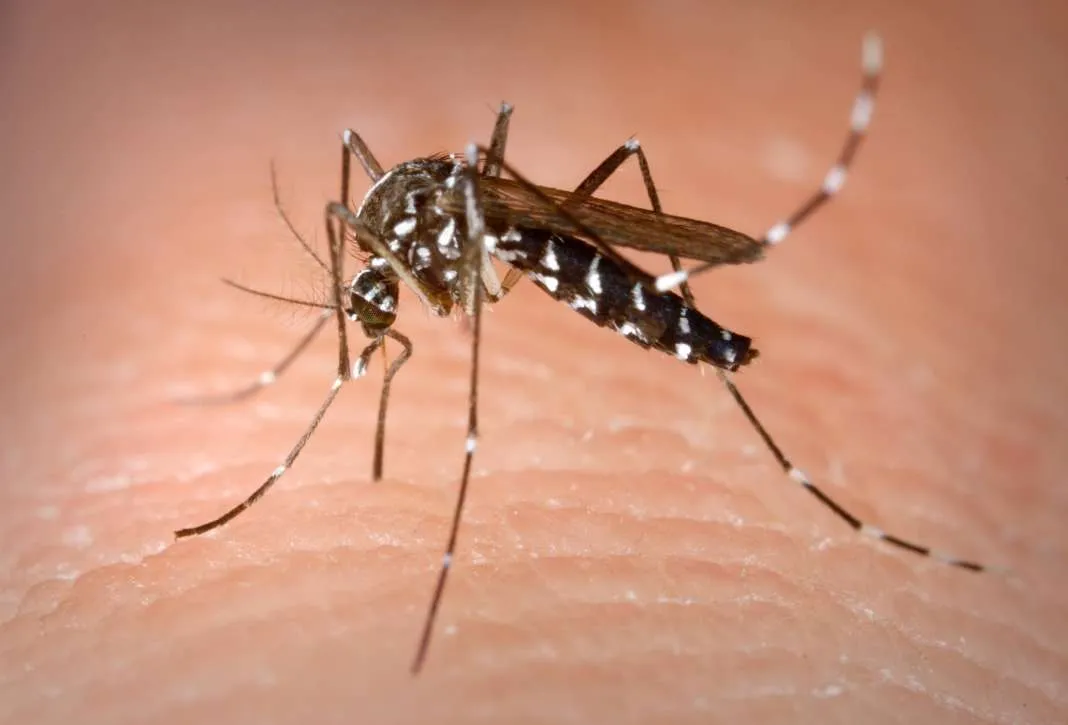
Nearly all cases of West Nile fever in the country are from the Skopje region and Veles. That was stated by Health Minister Sasho Klekovski, who pointed out that last year the picture was entirely different - back then almost all cases were in southern Macedonia.
The virus has moved. In Drachevo, where there are five confirmed cases, ground spraying was carried out, which is more effective than aerial spraying. Emergency spraying was done within a 200-metre radius around the homes of the registered patients.
The minister said checks were carried out in Skopje and in other municipalities, and that most of them had stuck to the schedule for regular mosquito spraying. Note the wording - most of them. So not all.
How it actually spreads
Klekovski explained something worth repeating, because false assumptions routinely circulate around news like this. The disease does not spread from person to person. Nor does it spread if a mosquito bites an infected person and then bites someone else. The hosts of the virus are wild birds, and they, together with mosquitoes, are the only route of transmission.
Because of last year's cases, in his then role as director of the Health Fund, Klekovski set aside funds for testing donated blood at the Transfusiology Institute, to prevent transmission through blood. That is a concrete measure, taken before the problem arose - and measures like that rarely make headlines.
The line that keeps moving
Most cases so far have been linked to holidays in Greece, and this year the highest numbers are in the Attica region. Last year the disease reached Romania and Croatia.
That is the detail that changes the frame. West Nile fever is ceasing to be something typical only of the Mediterranean coast. Here, according to the minister, it has been present for years, with the peak in 2019.
Klekovski also mentioned other figures: for two years the country had no malaria, and now there are four cases, three cases of dengue and one of Zika. All of them were brought in from abroad, from travel.
His advice to citizens is concrete - after returning from tropical destinations, at the first sign of fever, see a doctor immediately, because with these diseases a fast response prevents the consequences.
What is left to us
"Now it is up to us to apply personal protection and make sure there is no standing water in yards and gardens," the minister said.
The sentence is accurate and useful. It is also half the story. The other half is the spraying schedule, the one most of the municipalities stuck to. Personal protection in the yard works best when the system around the yard also works - and there the figure is not all of them, but most of them.
The latest 10 news from this category

The square metres and parking spaces were announced down to the last one. How many people will be hired and...
The mayors offered a "favourable business climate" and raw materials. The only concrete thing to come out of the meetings...
Home-address checks are being announced with the police as a partner, while the health minister admits that monitoring where sick...
The city has announced round-the-clock video surveillance against illegal dumps and vandals, and the cameras haven't even been bought yet....
Residents want the trucks serviced; the company wants better packaging. Meanwhile, 650 cubic metres of illegal dumps were cleared in...
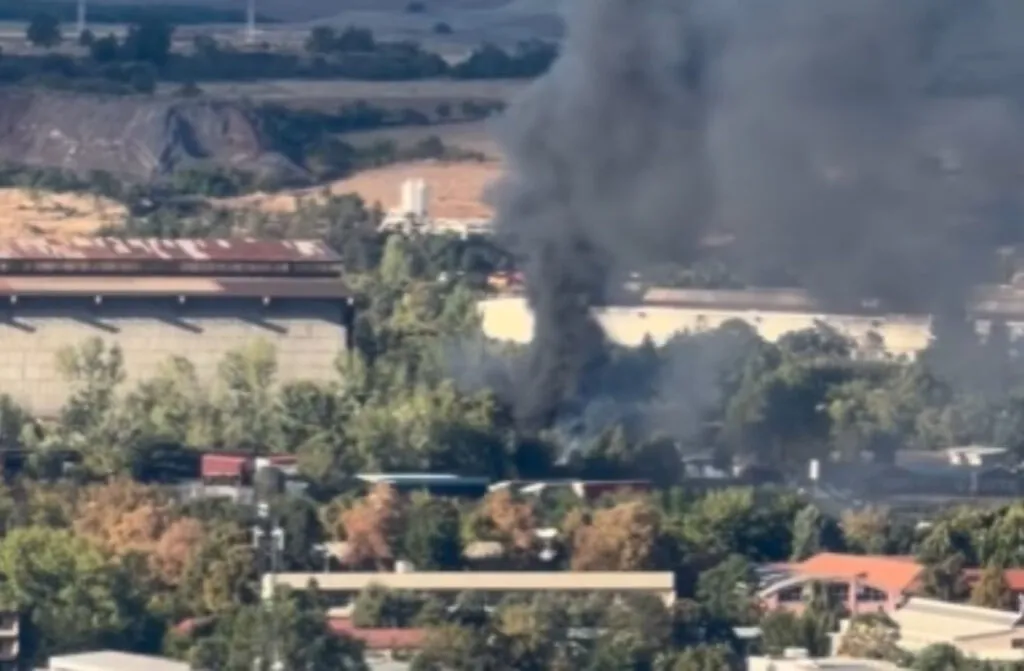
According to the Crisis Management Center, a paint and varnish warehouse was on fire. That explains why the smoke was...
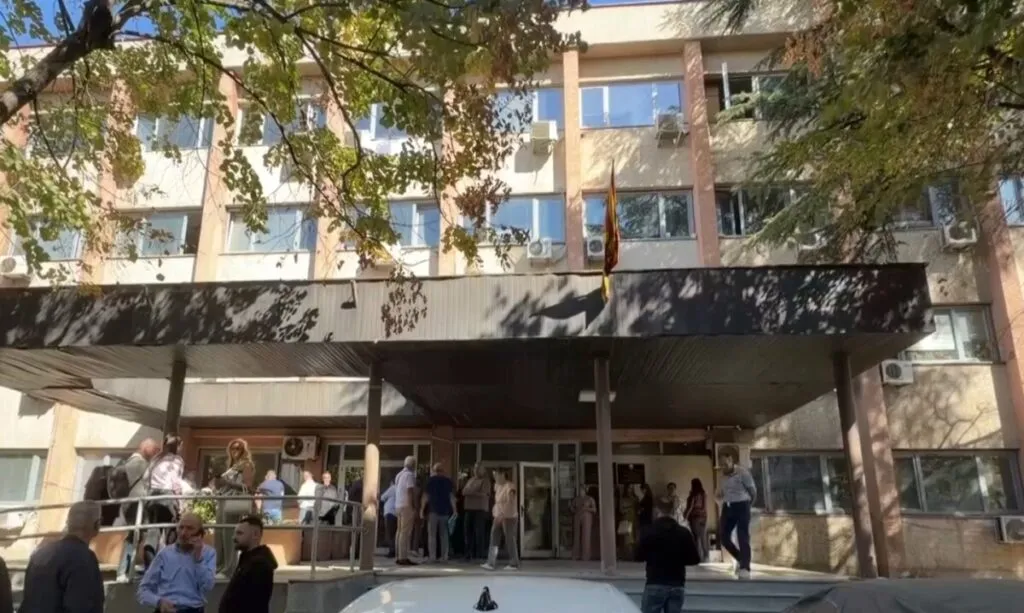
The union says staff have endured insults and threats from the court president for years. She says this is really...
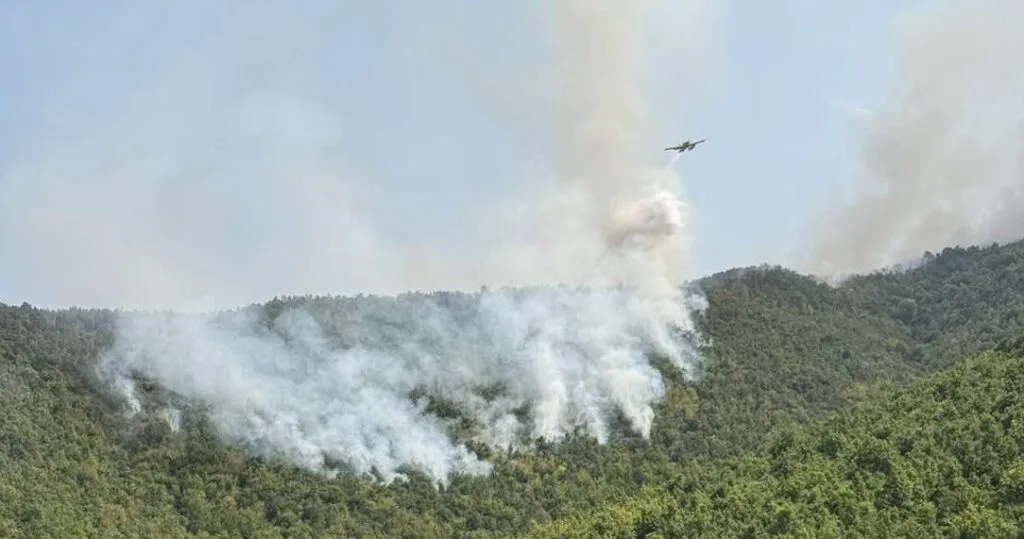
The state audit found a system that responds well and plans badly. The reforms were demanded by the EU screening...
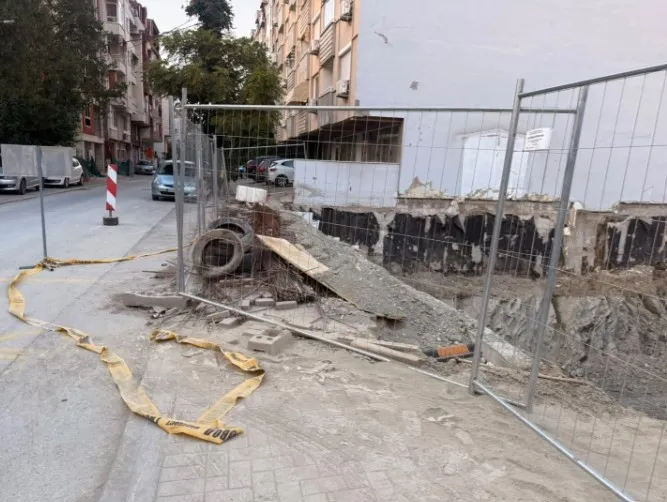
To fine a bar that is too loud, a citizen has to file a complaint at the municipal Registry. The...
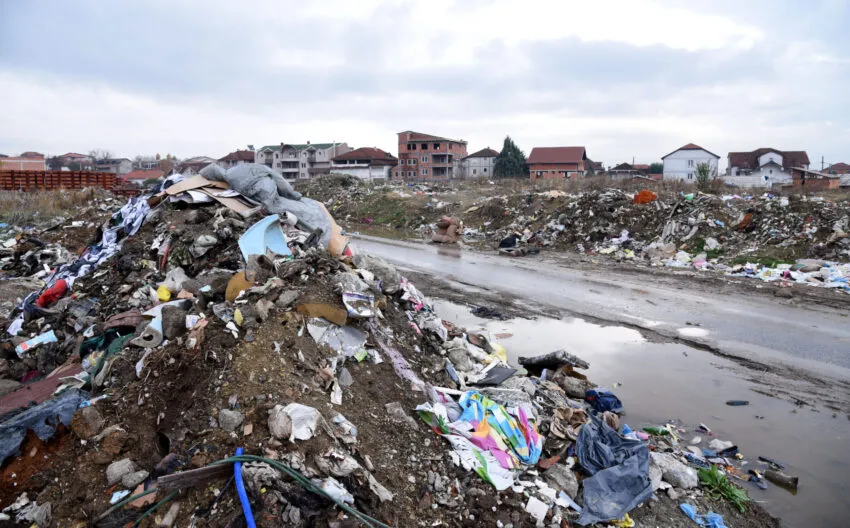
In Montenegro the same offence costs up to 2,000 euros. But the fine is not the only problem: Skopje's municipal...
This site uses cookies - is that okay? Learn more
Be the first to know when Metla launches something new
Leave your email and we will write when there is a new guide or something new on Metla.