
Судење за „Лотарија“: 231 доказ, а досега ниту една порака меѓу Груби и Бајрами
24.09.2026



24.09.2026

24.09.2026

24.09.2026

24.09.2026
23.09.2026

22.09.2026

24.09.2026
24.09.2026

23.09.2026

24.09.2026

24.09.2026

24.09.2026

24.09.2026

23.09.2026

22.09.2026

24.09.2026

24.09.2026

24.09.2026

24.09.2026

23.09.2026

23.09.2026

09.03.2026

27.02.2026

19.02.2026

23.09.2026

22.09.2026

21.09.2026

23.04.2026

23.04.2026

12.04.2026

Everyone in Korea is heading home these days. Chuseok, one of the most important Korean holidays, falls on the 15th day of the eighth lunar month - this year on 25 September, with celebrations running from 24 to 26 September. It began as a thanksgiving for the harvest and today it is a family holiday: going home, honouring the ancestors and sitting down to a big shared table. For a Balkan reader, the closest translation is a mix of Zadušnica - the Orthodox day of remembering the dead - and a festive family dinner.
Dokryun Kim and Heesook Moon - Miguel and Ana to their customers - run a Korean food stall, Onggi, at the Ibiza market in Madrid. They say preparing the holiday table used to take whole days, and that today more and more families buy the food ready-made. "People don't have enough time these days, but we've always preferred to cook at home for our own," says Ana. Sounds familiar? In the Balkans, holiday sarma also only gets rolled for people you truly care about.
Jeon and donggeurangttaeng. Small fried bites: meat, tofu, prawns, courgettes or mushrooms are dipped in flour and egg, then fried. Donggeurangttaeng is the version with minced meat and vegetables, similar to little meatballs. The whole skill lies in the balance - crispy outside, juicy inside.
Galbi-jjim. Beef short ribs braised slowly until the meat is completely tender, with soy sauce, mirin, garlic, ginger and onion. Some add apple, jujubes or dashi. This is the most expensive and slowest dish on the table - and that's exactly why it's made for the holiday.
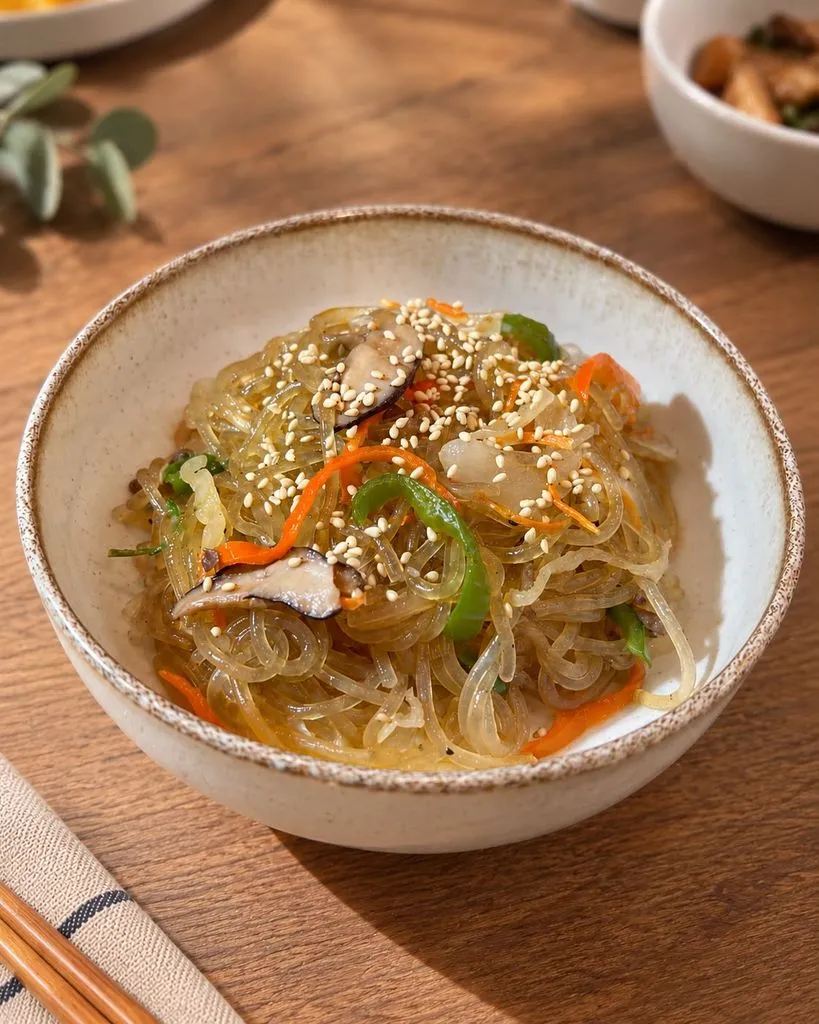
Japchae. Glassy sweet potato noodles, dangmyeon, stir-fried with vegetables, mushrooms and sometimes beef, seasoned with sesame oil and soy sauce. A symbol of abundance, dating back to the court of King Gwanghaegun in the 17th century, who supposedly liked it best with cucumber, white radish and shiitake. Ana says it's one of the Korean dishes that wins Spaniards over most easily.
Ojingeo-muchim. A salad of steamed squid with carrot, cucumber and a spicy sauce, where the heat battles the sourness and the dish stays refreshing.
Songpyeon. The holiday dessert: half-moon-shaped rice cakes made from glutinous rice, filled with sesame or finely chopped chestnuts, steamed and only lightly sweet.
Most of these dishes are not quick. That's precisely the point of Chuseok - and of every holiday table in the Balkans, too: a dish that takes a whole day of work is a way of saying someone is worth that much.
The latest 10 news from this category
Five ingredients, fifteen minutes of cooking and the name of a nineteenth-century poet. Skip the soaking and you get a...
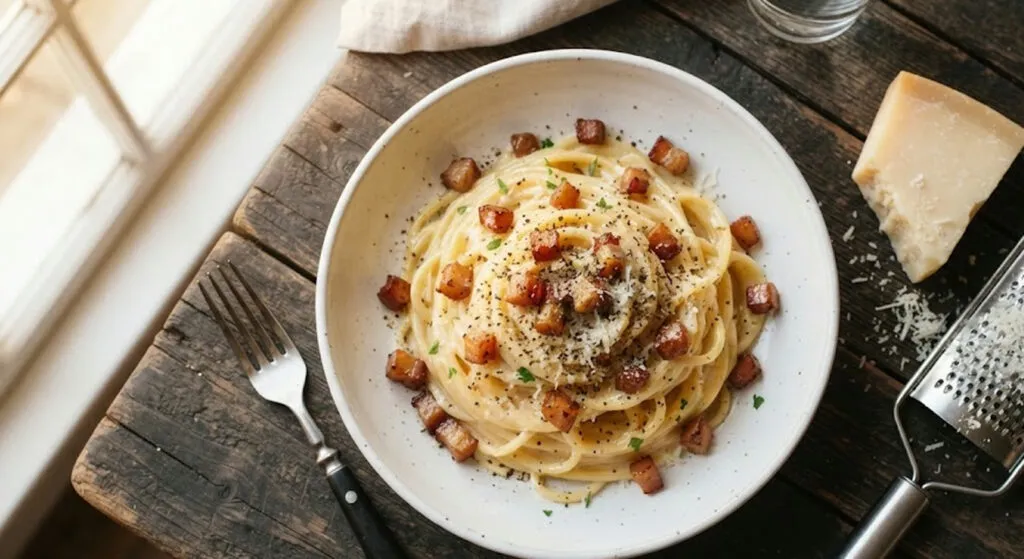
Cream in carbonara is an invention that took hold outside Rome. If the pan is hot when the eggs go...
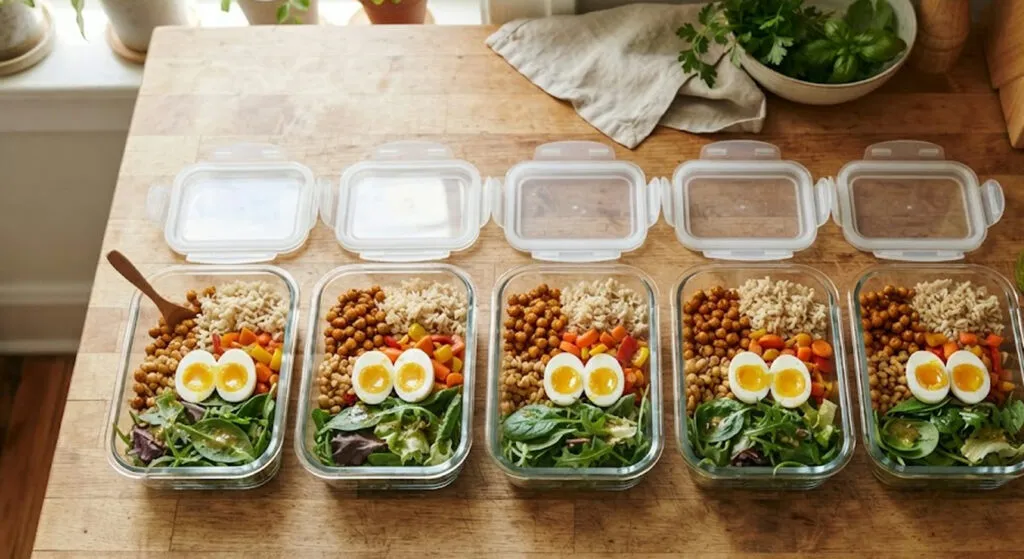
Components separately, or full boxes ready to reheat. One gives you variety, the other speed, and blanching your vegetables before...
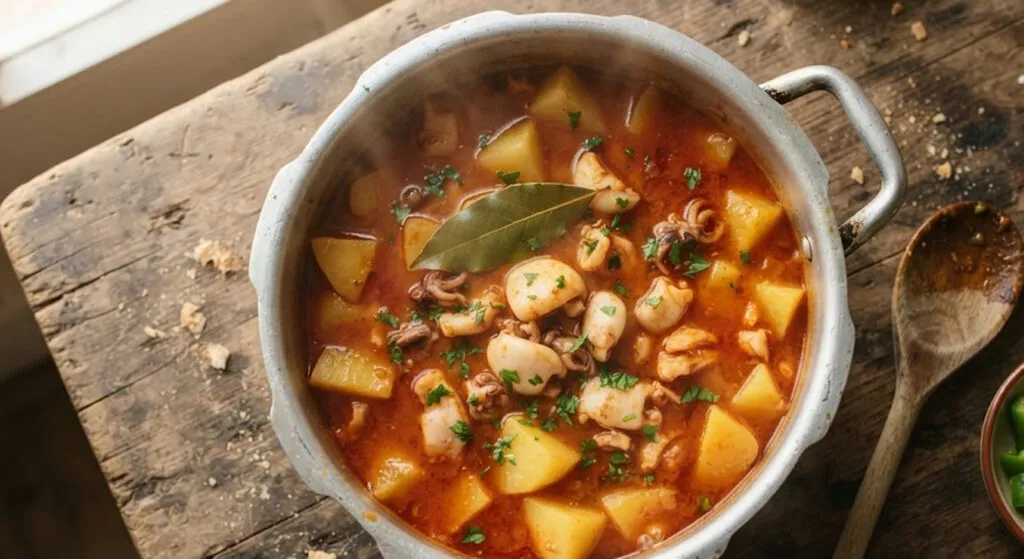
The cuttlefish goes in before the potatoes - the other way round and you get potato in water with pieces...
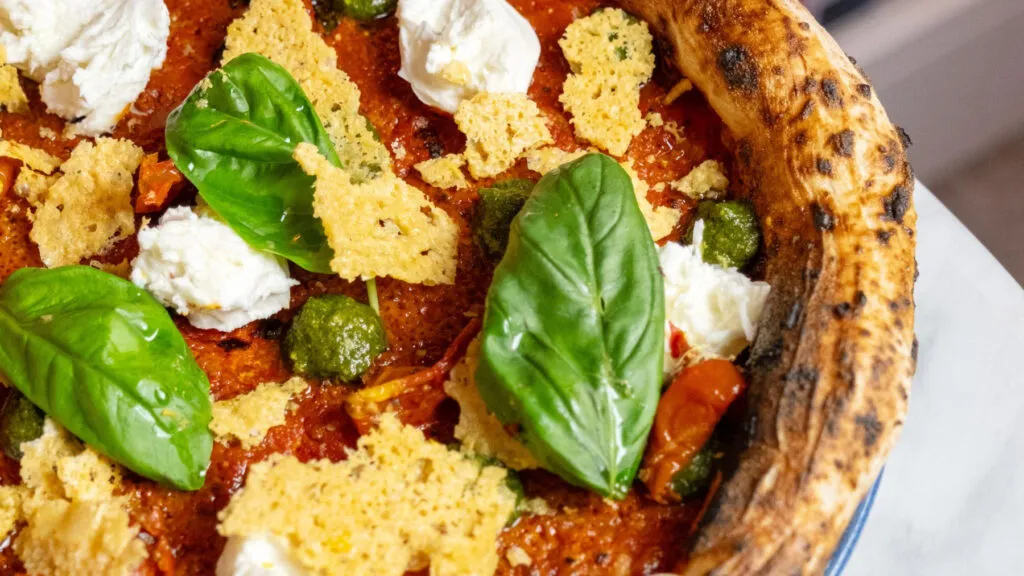
An Italian guide, a gala in Naples, first place for a London restaurant. Spain gets six entries - but only...
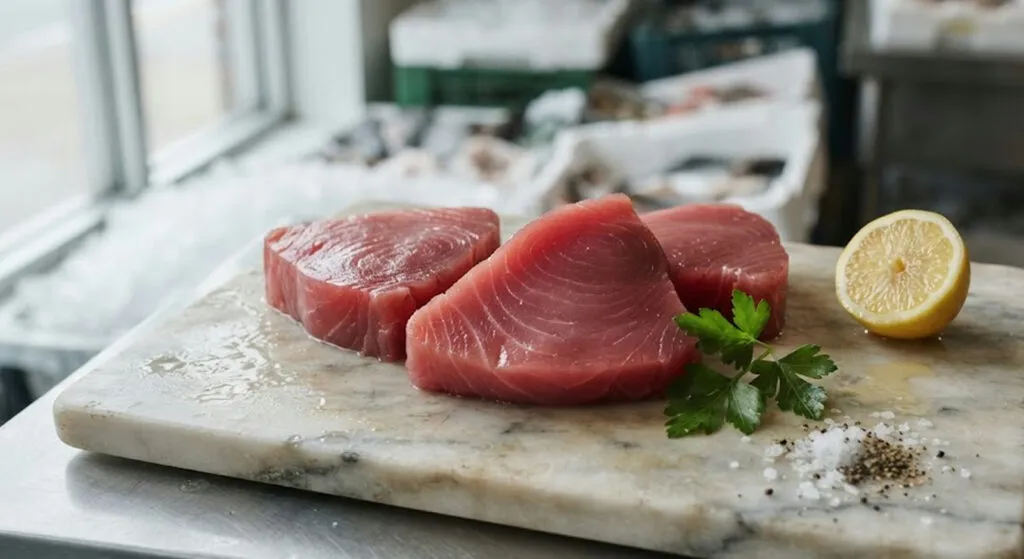
It is caught with hook and line, not with nets, and you can taste that on the plate. The three...
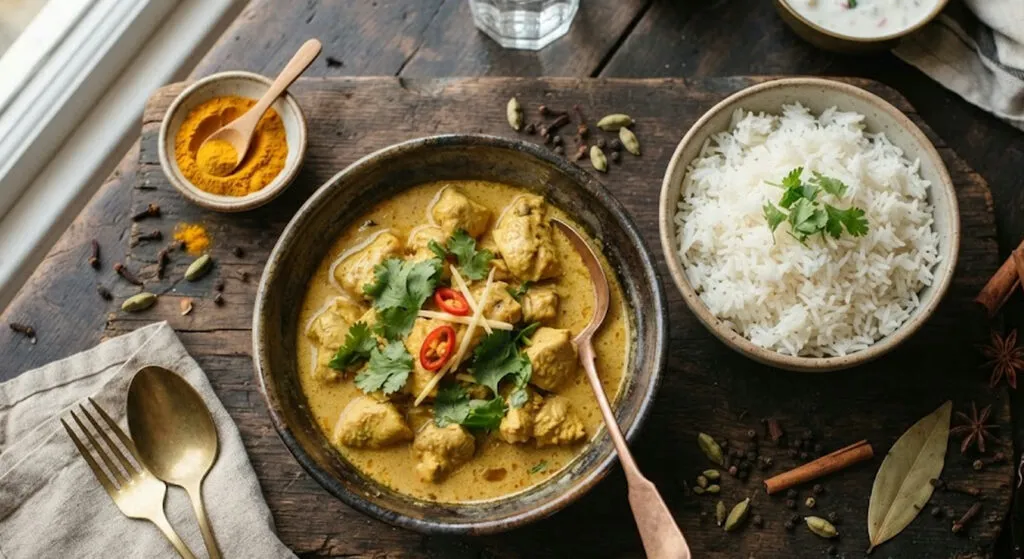
Home-made chicken curry fails at the same point for everyone. The difference is made by one step that has nothing...
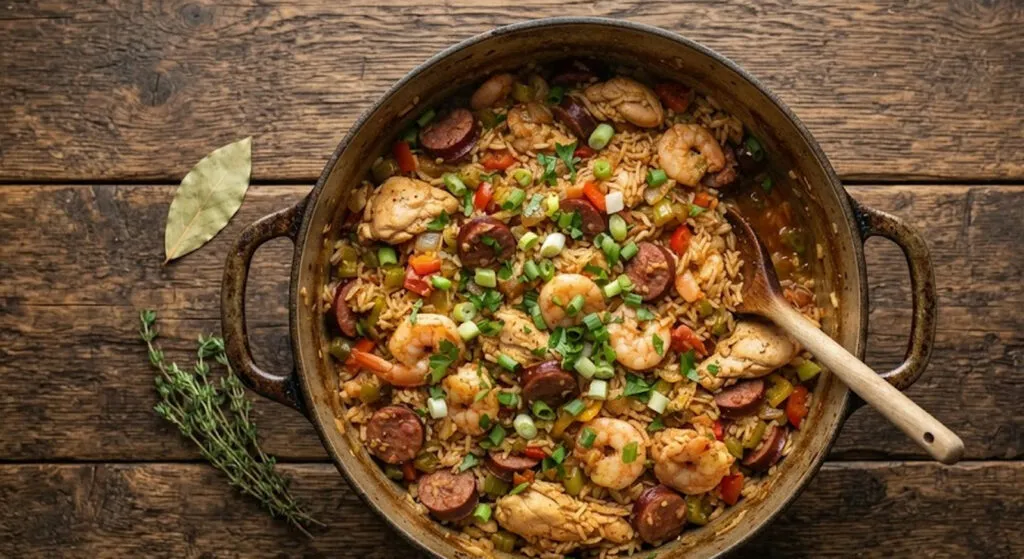
Jose Andres has lived in America for over thirty years, and when asked for his favourite American dish he named...
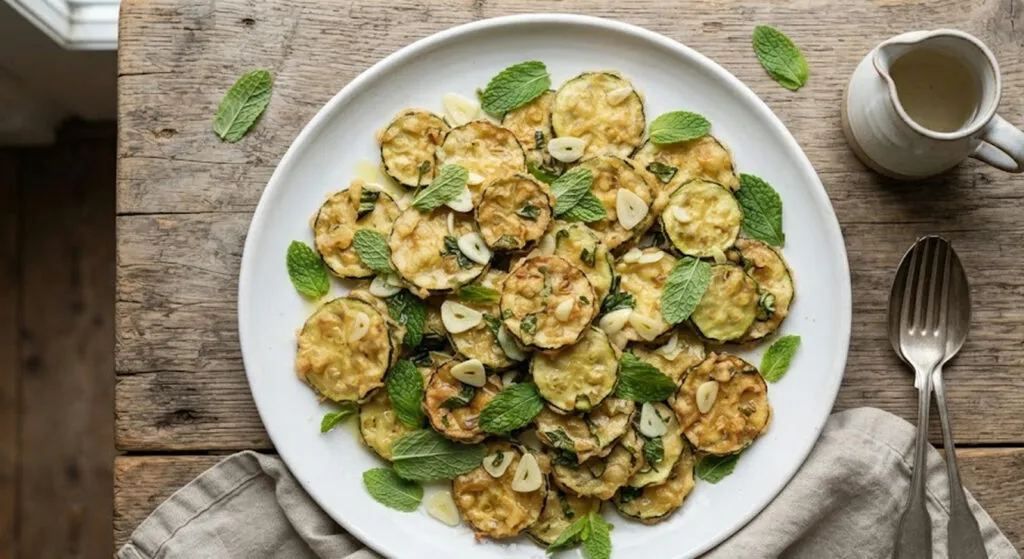
A kilo of courgettes, mint, garlic and eighty millilitres of vinegar. Not one expensive ingredient - and the water you...
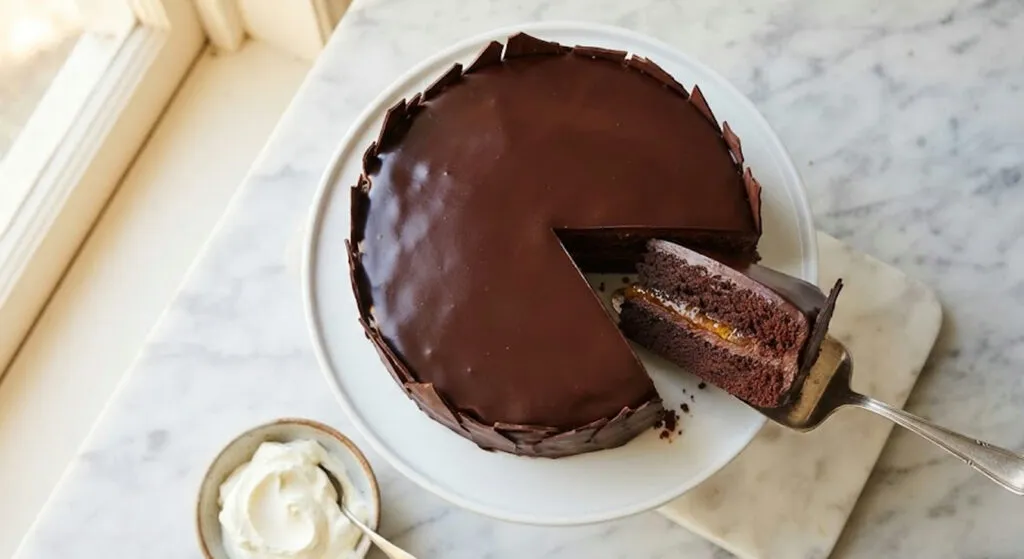
Whoever beat all the eggs together made a different cake. And the glaze must not pass 45 degrees, or the...
This site uses cookies - is that okay? Learn more
Be the first to know when Metla launches something new
Leave your email and we will write when there is a new guide or something new on Metla.