
The "Lottery" Trial: 231 Pieces of Evidence, and So Far Not a Single Message Between Grubi and Bajrami
24.09.2026


24.09.2026

24.09.2026

24.09.2026
24.09.2026

24.09.2026

24.09.2026

24.09.2026

23.09.2026

22.09.2026

24.09.2026

24.09.2026

23.09.2026

24.09.2026

24.09.2026

24.09.2026

24.09.2026

23.09.2026

22.09.2026

24.09.2026

24.09.2026

24.09.2026

24.09.2026

23.09.2026

23.09.2026

09.03.2026

27.02.2026

19.02.2026

24.09.2026

23.09.2026

22.09.2026

23.04.2026

23.04.2026

12.04.2026

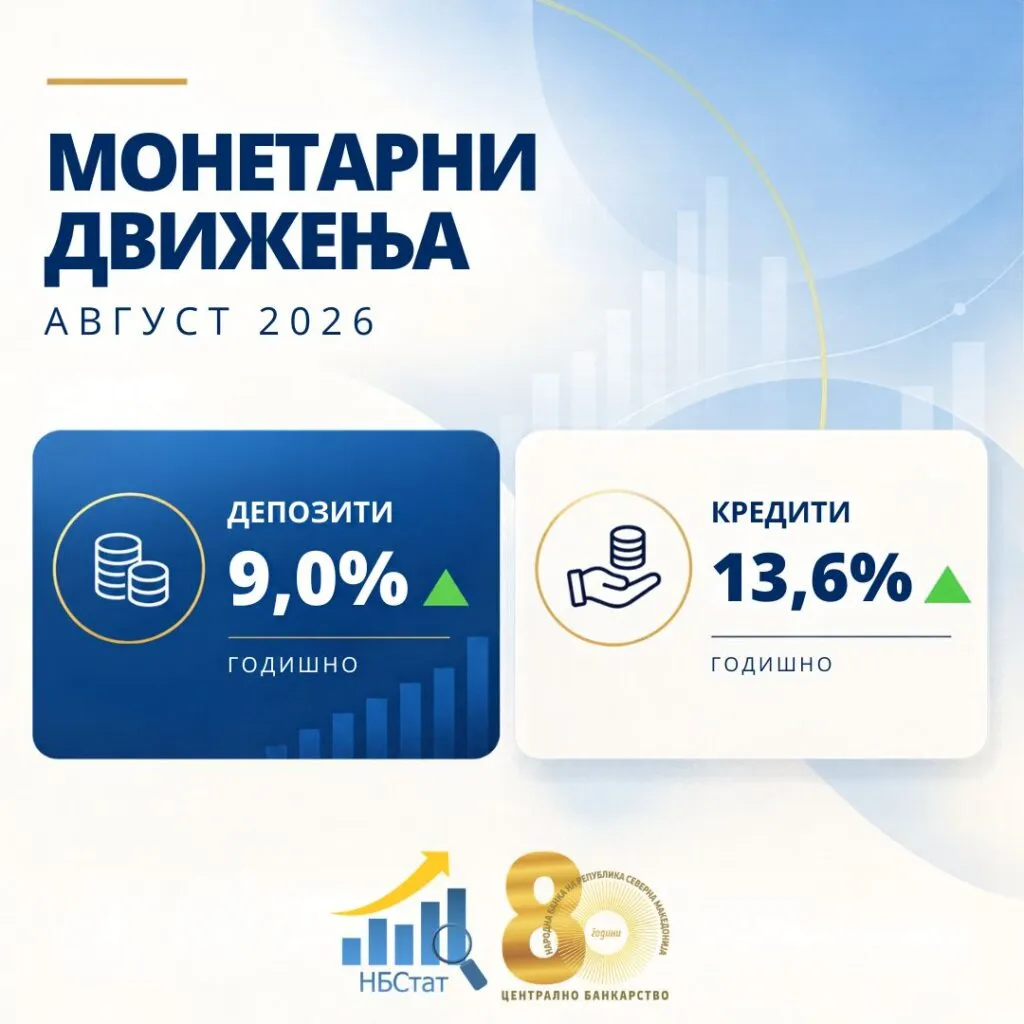
Banks in Macedonia keep getting bigger, and loans are growing faster than the money citizens and companies are saving. According to the latest National Bank data, total loans in August were 13.6 percent higher than in the same month last year, while deposits were up 9 percent. Loans are already above 9.7 billion euros, deposits around 11.1 billion. The gap in growth is 4.6 percentage points - and it's persisting.
For households, the picture is two-sided. Household deposits grew 10.2 percent year on year, but in August alone they fell 0.4 percent compared to July. At the same time, household loans are growing 12.3 percent a year. Consumer loans by 12.2 percent, and housing loans by as much as 16.2 percent.
Companies are moving even faster. Their loans grew 15.1 percent in a year, more than twice as fast as their deposits, which are up 6.1 percent. All of the growth in corporate lending in August was in denars. Total bank assets reached 15.5 billion euros at the end of June, around 1.5 billion more than a year earlier.
What are those loans buying?
The question isn't whether the banks are liquid - the deposit base is still larger than the loan book, and the system has other sources of funding too. The question is what this growth actually produces. A loan for a machine means production, exports, jobs. A consumer loan means spending today a salary that will be earned over the coming years.
Housing loans are a story of their own. Growth of 16.2 percent doesn't mean 16 percent more flats are being bought. If flats are getting more expensive, the same flat simply needs a bigger loan. In that case, a figure that looks like prosperity may just be the same flat, paid off with a longer instalment plan.
Bank balance sheets grow month after month. Whether family budgets are growing the same way is not something the monthly statement on monetary developments tells you. And it's exactly that number - how much of a salary goes on instalments - that every household feels at the end of the month.
The latest 10 news from this category

The Public Revenue Office is already calculating contributions for 3,500 self-employed people. Craftsmen say the biggest problem is sick leave...
The figure of 2,620 euros "per citizen" makes a good headline, but more than half of the debt is private....

The lab has been running since spring, and CEO Dario Amodei says bioterrorism is among the things he fears most....

While others copy Chinese motors on American soil and wait for domestic magnets, Modal Motors is taking rare earths out...

According to a letter from the US workplace safety agency, up to 40 workers may have been exposed to gases....

48,499 denars, or about 789 euros. Croatia is at 1,555, Slovenia at 1,695. Only Kosovo is left below us.
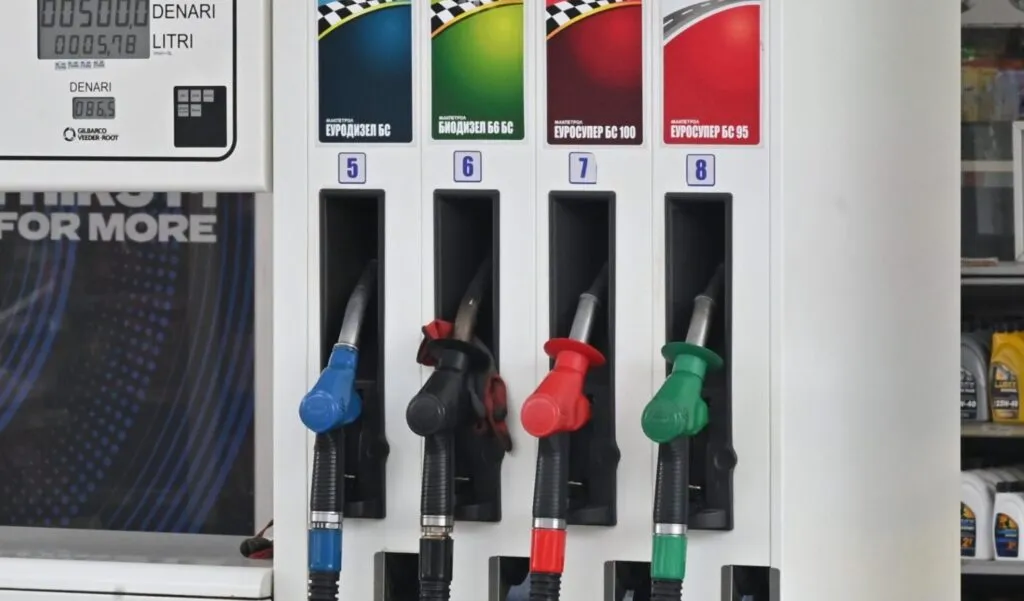
Eurodiesel hit 104.50 denars while petrol got cheaper. A company burning 100,000 litres a month pays 550,000 denars more from...

Extra-light heating oil jumped 78.91 percent right before winter. The only remaining instrument is the reduced VAT - and it...

Classic trading fell 27 percent, block transactions jumped 159. The problem is not a shortage of money - it is...

The new GPT-6 models cost half of their predecessors, with accuracy comparable to the top of the series. When a...
This site uses cookies - is that okay? Learn more
Be the first to know when Metla launches something new
Leave your email and we will write when there is a new guide or something new on Metla.