
Судење за „Лотарија“: 231 доказ, а досега ниту една порака меѓу Груби и Бајрами
24.09.2026


24.09.2026

24.09.2026

24.09.2026

24.09.2026

23.09.2026

22.09.2026

24.09.2026

24.09.2026

23.09.2026

24.09.2026

24.09.2026

24.09.2026

24.09.2026

23.09.2026

22.09.2026

24.09.2026

24.09.2026

24.09.2026

24.09.2026

23.09.2026

23.09.2026

09.03.2026

27.02.2026

19.02.2026

23.09.2026

22.09.2026

21.09.2026

23.04.2026

23.04.2026

12.04.2026

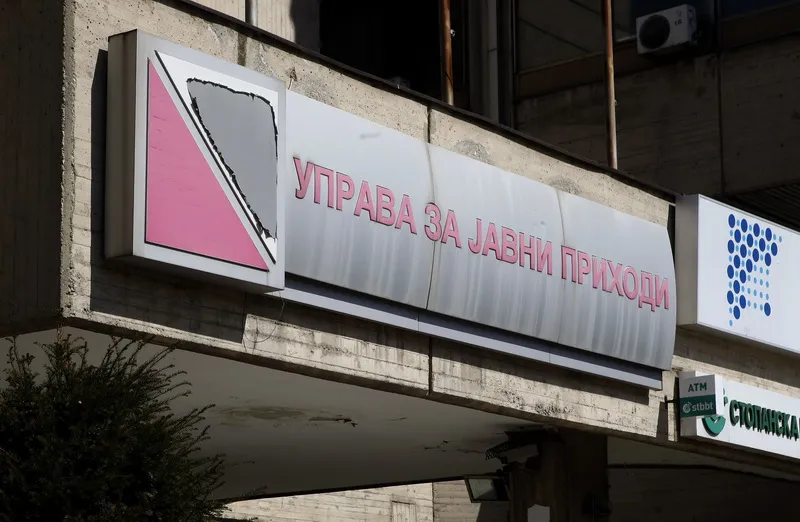
"I haven't been able to pay my flat-rate tax for a whole month now, or my pension and health insurance contributions. The Public Revenue Office hasn't prepared the calculations." That is how one craftsman described the new system to the media, two months after the state introduced it as a relief.
Amendments to the Law on Mandatory Social Insurance Contributions came into force on 13 July. Under them, the Public Revenue Office (UJP) itself prepares the monthly calculations (MPIN) for self-employed people who pay flat-rate tax, while paying remains their responsibility. UJP says this "significantly eases" life for flat-rate taxpayers, who don't keep books anyway.
A warning for an obligation that doesn't exist
For July and August, UJP prepared around 7,000 calculations for around 3,500 self-employed people. The July ones were a few days late because the software was being adjusted. In the meantime, flat-rate taxpayers received automatic warnings by email saying they had failed to file an MPIN - an obligation that no longer exists under the new law. UJP immediately declared the warnings void and insists that "not a single flat-rate taxpayer has been blocked". It's good that nobody was blocked. It's worse that the machine was sending warnings under the old law.
The Chamber of Crafts says it isn't against the law, but it lists the problems. Previously, a craftsman who didn't have enough work throughout the year could pay contributions for half-time, 20 hours a week. Now the contribution base doesn't shrink with the hours. "That is no privilege, because the craftsman pays for 12 months but will only get six months of pensionable service," the Chamber says. Monthly contributions for full-time work, according to them, range from around 9,647 to 10,150 denars.
There's a problem with loans, too. Banks usually require a salary to be paid into an account before they approve a loan, and flat-rate taxpayers now have no "salary" - only income from self-employment. UJP points them to the annual tax return or a certificate of income. The question is whether banks that have already approved loans will accept that without extra conditions.
When you get sick
The most serious issue, according to the Chamber, is the way sick leave and maternity leave are shown in the new calculations, which could affect payment of benefits. "This problem cannot wait. Craftsmen on sick leave or maternity leave must be able to exercise their rights on time. We are asking for the system to be upgraded or, if necessary, for the old calculation method to be temporarily restored," they say.
UJP responds that it is looking into the issues "in coordination" with other institutions, and that from 2027 it will send craftsmen 12 monthly payment orders in advance, together with their flat-rate tax assessment. Coordination is a nice word while you're healthy. For a craftsman lying ill in bed, the question is much simpler: will the benefit arrive on time?
The latest 10 news from this category
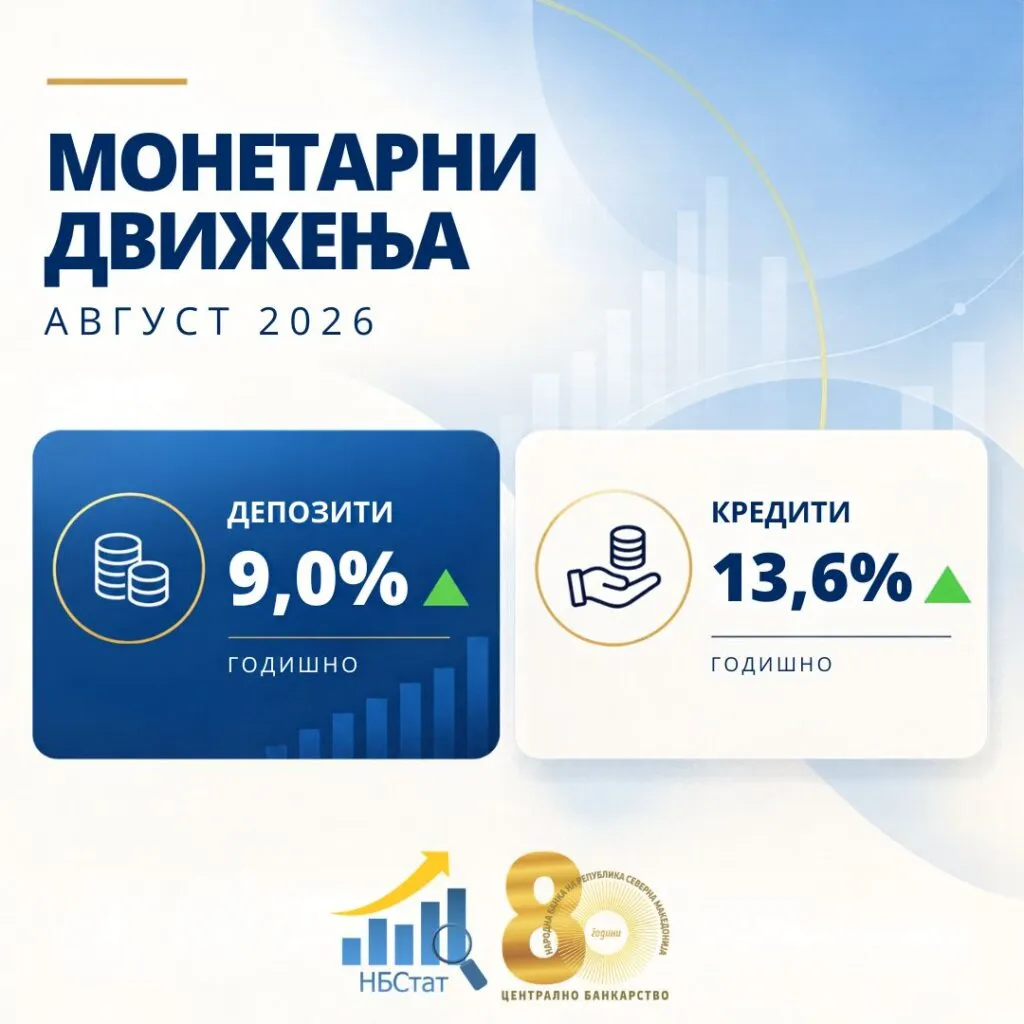
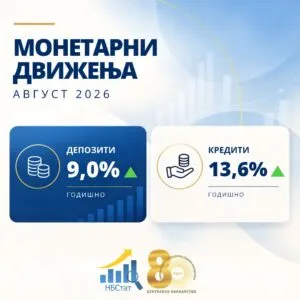
Bank assets have reached 15.5 billion euros. What's less clear is what the new loans are buying - and how...
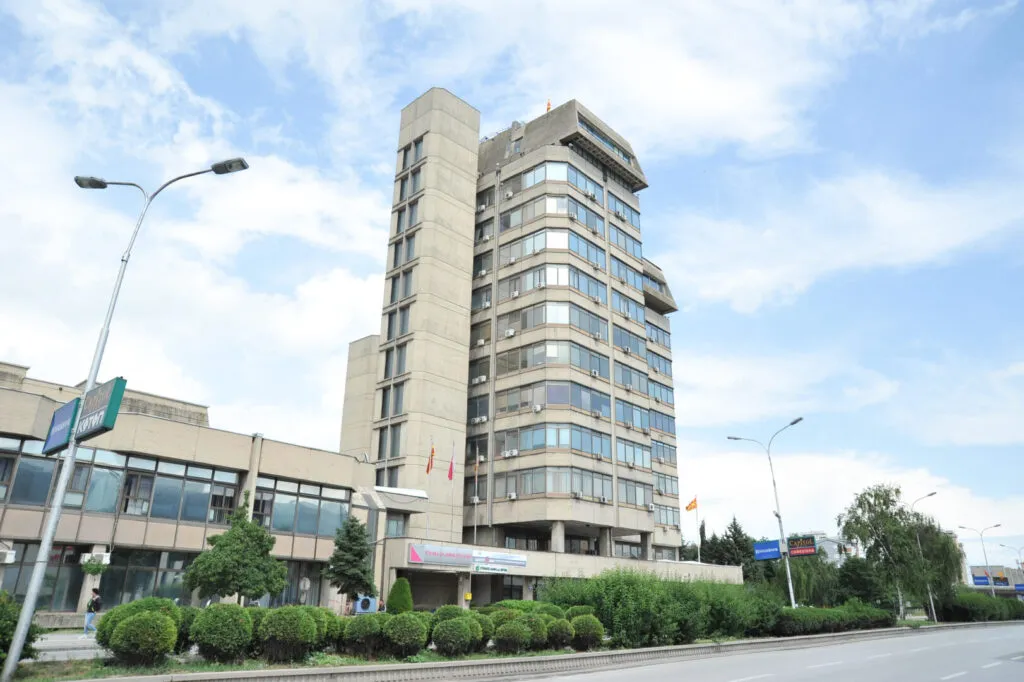
The figure of 2,620 euros "per citizen" makes a good headline, but more than half of the debt is private....

Лабораторијата работи од пролетва, а директорот Дарио Амодеи вели дека биотероризмот е меѓу нештата од кои најмногу се плаши. Експериментите...

Додека другите ги копираат кинеските мотори на американско тло и чекаат домашни магнети, Modal Motors ги вади ретките земји од...

According to a letter from the US workplace safety agency, up to 40 workers may have been exposed to gases....

48,499 denars, or about 789 euros. Croatia is at 1,555, Slovenia at 1,695. Only Kosovo is left below us.
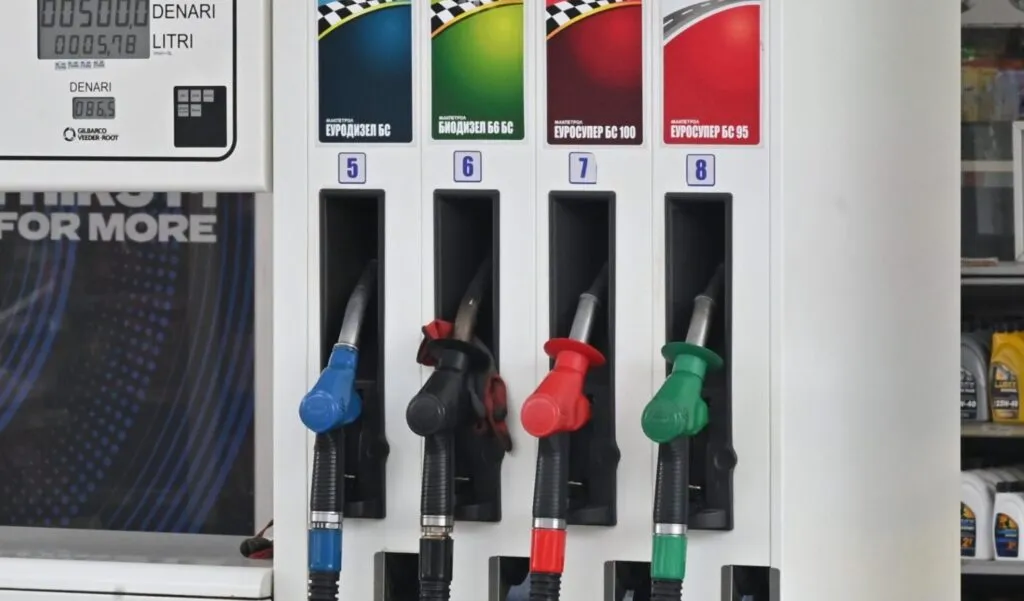
Eurodiesel hit 104.50 denars while petrol got cheaper. A company burning 100,000 litres a month pays 550,000 denars more from...
Extra-light heating oil jumped 78.91 percent right before winter. The only remaining instrument is the reduced VAT - and it...

Classic trading fell 27 percent, block transactions jumped 159. The problem is not a shortage of money - it is...

The new GPT-6 models cost half of their predecessors, with accuracy comparable to the top of the series. When a...
This site uses cookies - is that okay? Learn more
Be the first to know when Metla launches something new
Leave your email and we will write when there is a new guide or something new on Metla.