
The "Lottery" Trial: 231 Pieces of Evidence, and So Far Not a Single Message Between Grubi and Bajrami
24.09.2026


24.09.2026

24.09.2026

24.09.2026

24.09.2026

24.09.2026

24.09.2026

24.09.2026
23.09.2026

22.09.2026
24.09.2026

24.09.2026

23.09.2026
24.09.2026

24.09.2026

24.09.2026
24.09.2026

23.09.2026

22.09.2026
24.09.2026

24.09.2026
24.09.2026

24.09.2026

23.09.2026

23.09.2026

09.03.2026

27.02.2026

19.02.2026

24.09.2026

23.09.2026

22.09.2026

23.04.2026

23.04.2026

12.04.2026

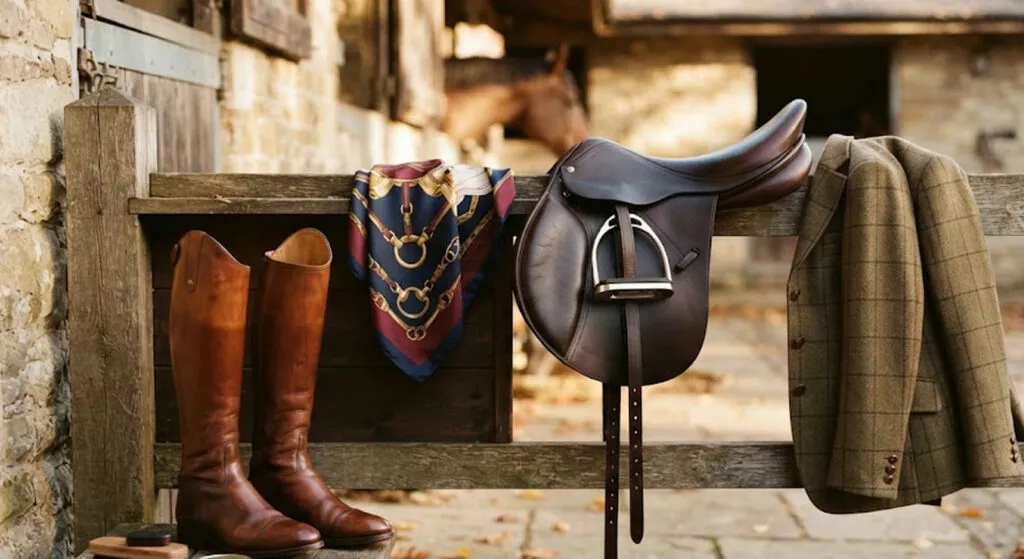
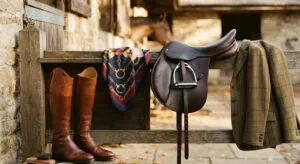
Riding boots, tweed, silk scarves with horse-bit prints and leather that smells of saddle. Every season some fashion house "discovers" the equestrian aesthetic, and this autumn Chloé and Stella McCartney put it into their autumn-winter 2026-2027 collections. But behind the trend there's no love of horses. There's something much older - the need to show which side of the fence you stand on.
The history is clear. Since ancient Greece, riding has been a mark of aristocracy and education, and later it became a mandatory part of the portrait of power. In 1799, Goya painted Spain's Queen Maria Luisa on horseback. Eugénie de Montijo, Empress Sisi, Elizabeth II and Princess Anne all wore the saddle as part of their public identity. Fashion psychology reads this without romance: equestrian culture is "a visible sign of belonging to the elite", built on class distinctions that still let almost nobody through.
Today's faces of the trend confirm the thesis. Charlotte Casiraghi, an ambassador for Gucci and Chanel, opened a Chanel haute couture show on horseback. Marta Ortega is an experienced rider, and Athina Onassis, granddaughter of shipping magnate Aristotle Onassis, is a name in equestrian sport. These are not weekend riders. For them, the stable is an extension of the living room.
The brands turned this into money long ago. Hermès was built on making horse tack and leather goods. Gucci's icon is the horse-bit buckle, the Horsebit, on which an entire line of bags rests. Longchamp bears the name of the famous Parisian racecourse, and Longines has been the official timekeeper of equestrian sport since 1912 and a partner of the International Equestrian Federation since 2013. The horse, in other words, isn't decoration - it's a business model.
In the Balkans, the horse was for a long time a working tool - for ploughing and for pulling the cart on market day - not a status symbol. Which makes it almost ironic that the same horse now comes back to us through a label, as a memory of a class our grandparents never belonged to. A riding boot is a good boot, and there's nothing wrong with wearing one. It's just worth knowing what you're really buying: not comfort for the muddy road to the village, but a small dose of somebody else's aristocracy.
The latest 10 news from this category

A higher percentage sounds better on the label, but experts say that's exactly where the mistakes begin. Two or three...

Grandma collected wedding dresses in her shop in Granada, and after her death her granddaughter found the one she would...
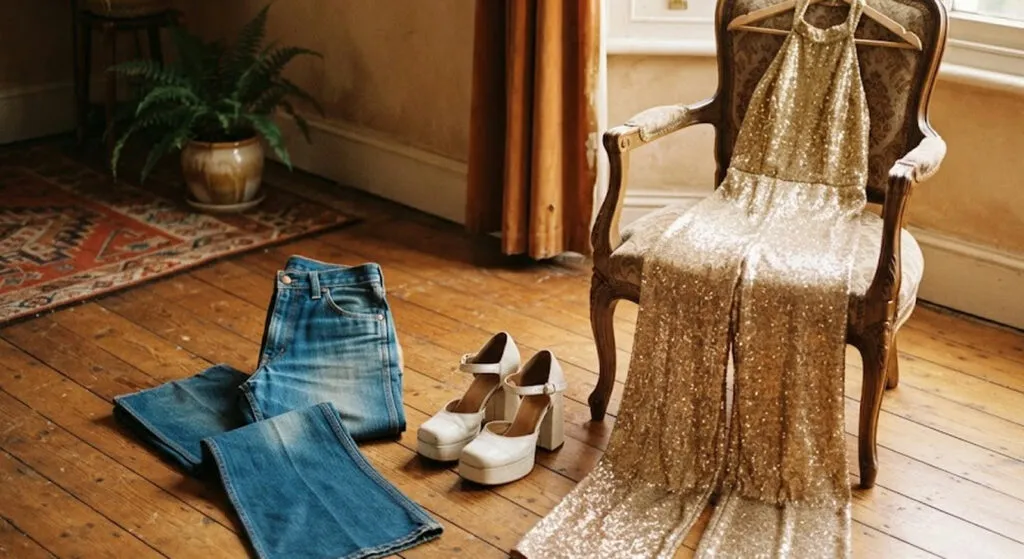
The costume work was done under deadline and budget pressure, and fifty years on it is resold as a fashion...
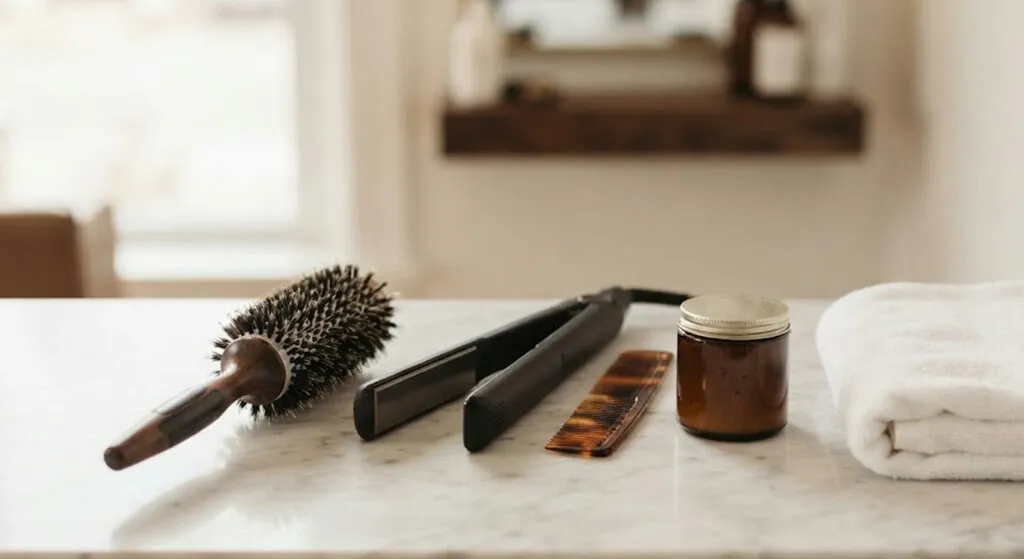
It works on any length and any hair type, and after forty it softens the lines on the forehead. An...
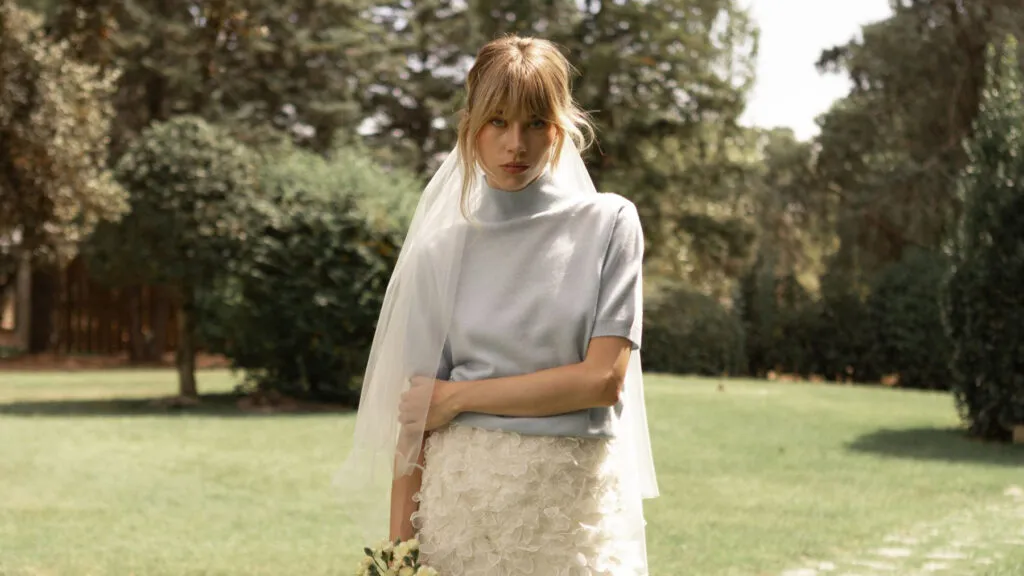
Here the ceremony and the party mean two outfits and two bills. A convertible cut means one dress - and...
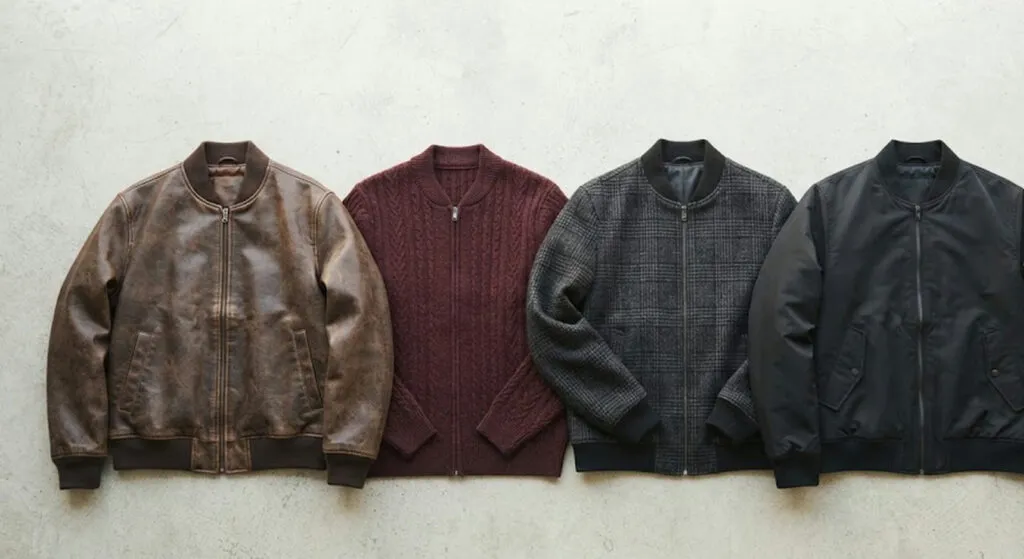
Here, half a wardrobe is bought by calculating how many years it will last. The brown leather one will look...

A decade in which aesthetic medicine sold transformation ends with one sentence: they want to look better, not different.
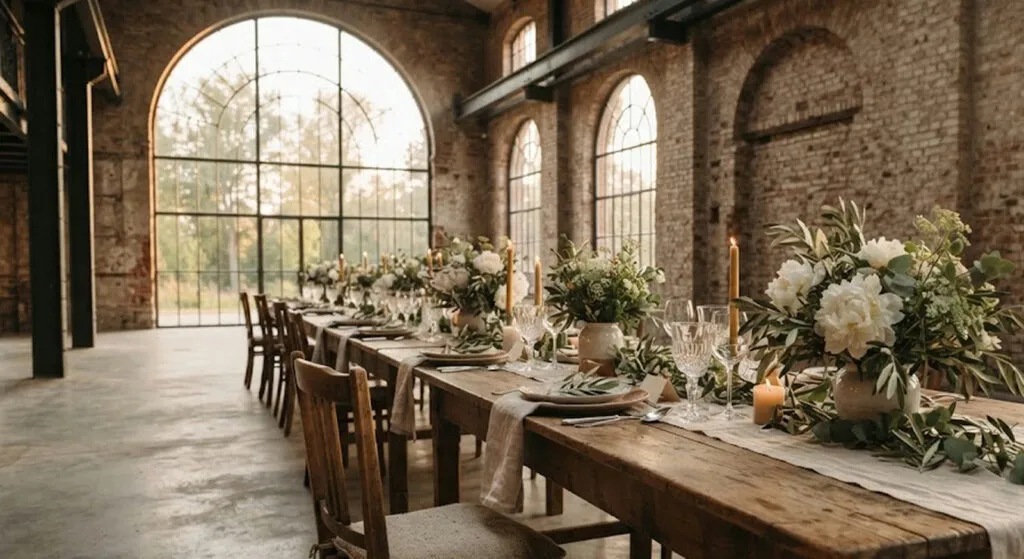
The catering was run by an uncle, the music was played by an uncle. If that sounds familiar, you have...
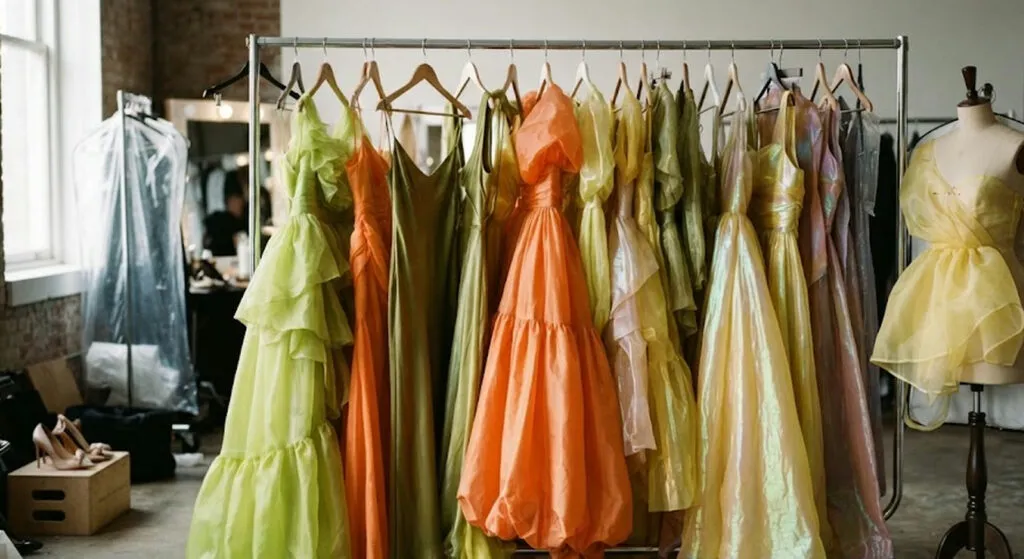
Three days in a lab coat with colorimetry scientists to produce a collection in lime and tangerine. The design director...
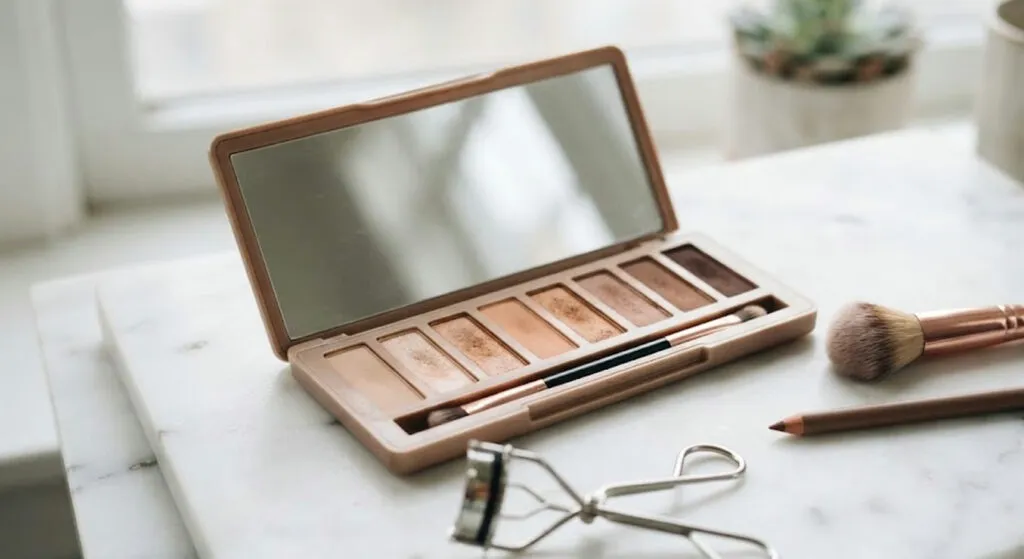
Cream concealer instead of powder, a brown pencil instead of black eyeliner, and a curler before the mascara. Not one...
This site uses cookies - is that okay? Learn more
Be the first to know when Metla launches something new
Leave your email and we will write when there is a new guide or something new on Metla.