


Kratovo man stabs police officer mid-intervention: prosecutors want the 40-year-old detained
15.09.2026


15.09.2026

15.09.2026
15.09.2026
15.09.2026
15.09.2026

15.09.2026

15.09.2026

14.09.2026
13.09.2026

15.09.2026
15.09.2026

14.09.2026
15.09.2026

15.09.2026

15.09.2026

15.09.2026

14.09.2026

13.09.2026
15.09.2026

15.09.2026
15.09.2026

15.09.2026

15.09.2026

14.09.2026

09.03.2026

27.02.2026

19.02.2026

15.09.2026

14.09.2026
14.09.2026

23.04.2026

23.04.2026

12.04.2026

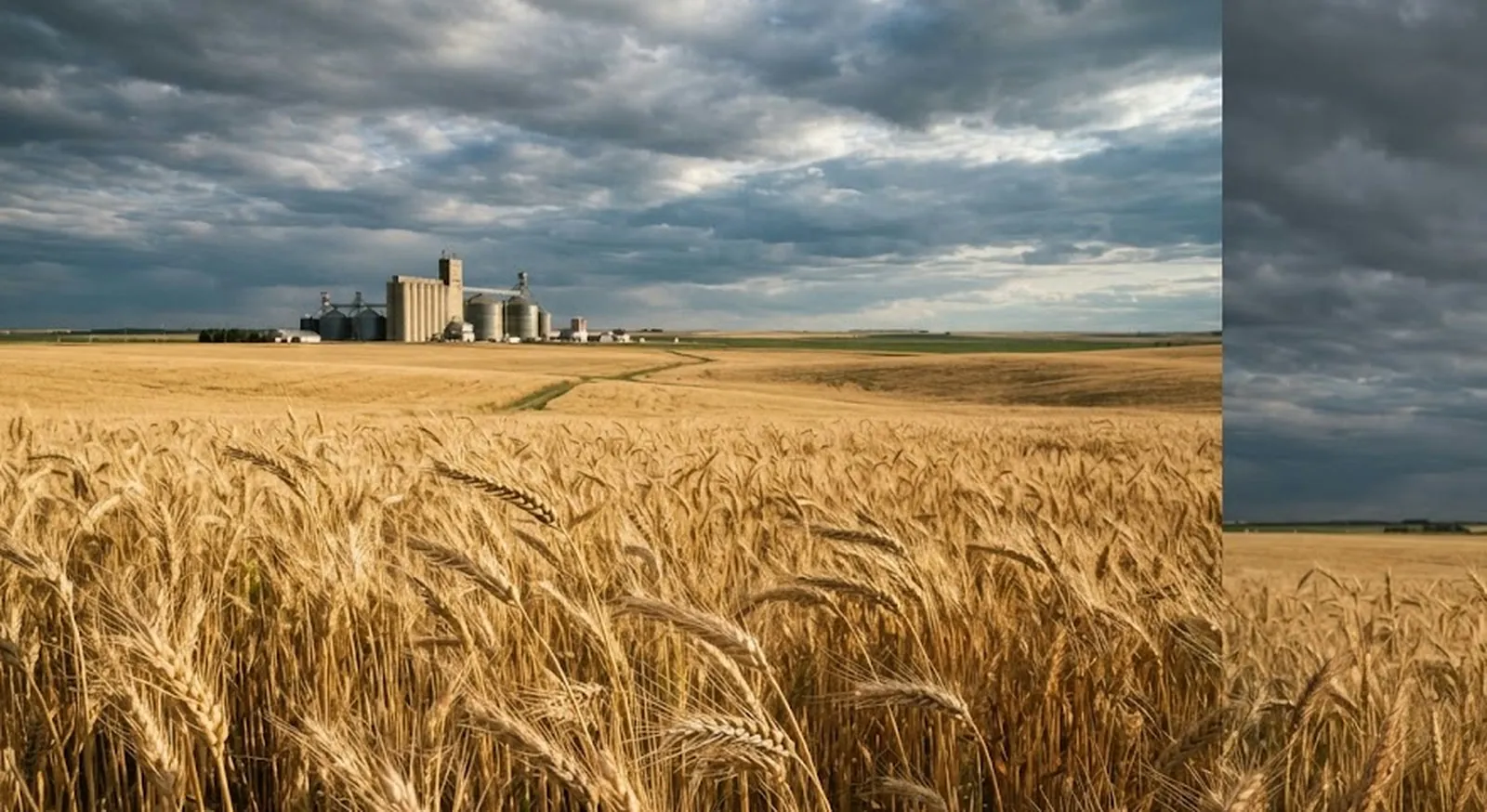
War has long stopped being waged with weapons alone - it's waged with grain too. The price of wheat on world markets jumped over 4 percent after Ukraine attacked Russian vessels in the Sea of Azov. When two nations fight over who can choke off the other's supply, the bill is paid by the whole world - including those with nothing to do with the front.
Ukraine claims it destroyed 76 vessels, among them cargo ships carrying grain, paralyzing traffic in the Sea of Azov. Russia hit back by striking port infrastructure in Odesa, Chornomorsk and Izmail - the very ports through which Ukraine exports its grain. Both sides are attacking exactly what the world needs: the logistics of food.
This is a blockade running both ways. Ukrainian strikes aim to break Russia's supply chain; Russian strikes destroy Ukraine's exports. And the result is the same - less grain on the market, higher prices, and jitters for everyone who imports food. Grain has become a weapon, and global food security the collateral damage.
For the Balkans this isn't an abstract market number. When wheat rises worldwide, so does bread, flour and animal feed - and our markets are small and dependent on imports. We don't decide the war in the Sea of Azov, but we feel it in every loaf of bread. The question is how long the world will watch two nations turn the world's breadbasket into a battlefield before someone says food must not be ammunition.
The latest 10 news from this category
Trump scaled back the military exercises to ease the tension, and Wonsan answered in the form of projectiles. What does...

The sanctions list got a seven-day extension instead of one measured in months, a move diplomats themselves call unprecedented. Two...
Switzerland offered a table for talks on Ukraine, Moscow replied that the table stopped being neutral once Bern adopted EU...
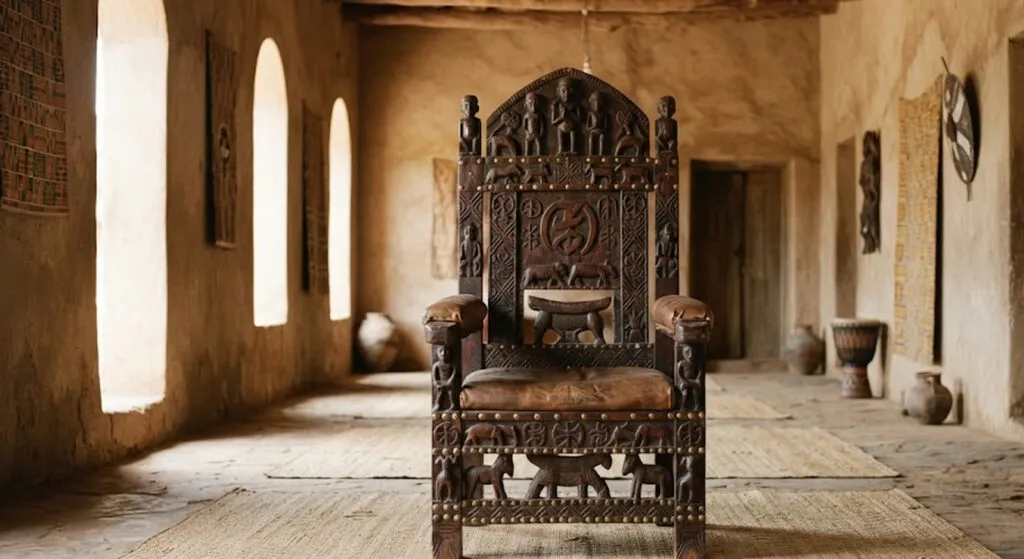
The will says one thing, a committee of twenty-one men decided another. The queen mother says the army pulled the...
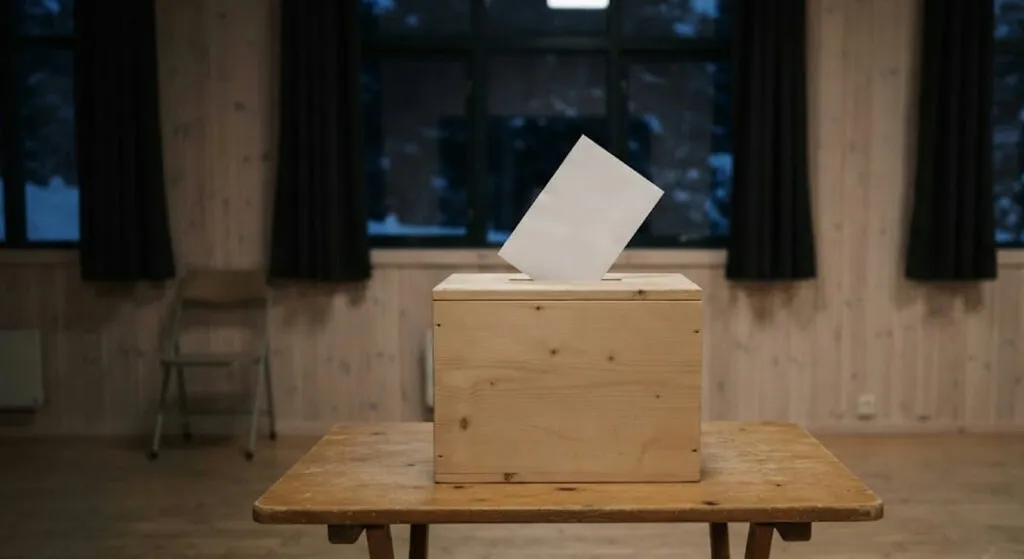
A country that was Europe's byword for stability for decades now has a parliament split into two blocs by a...
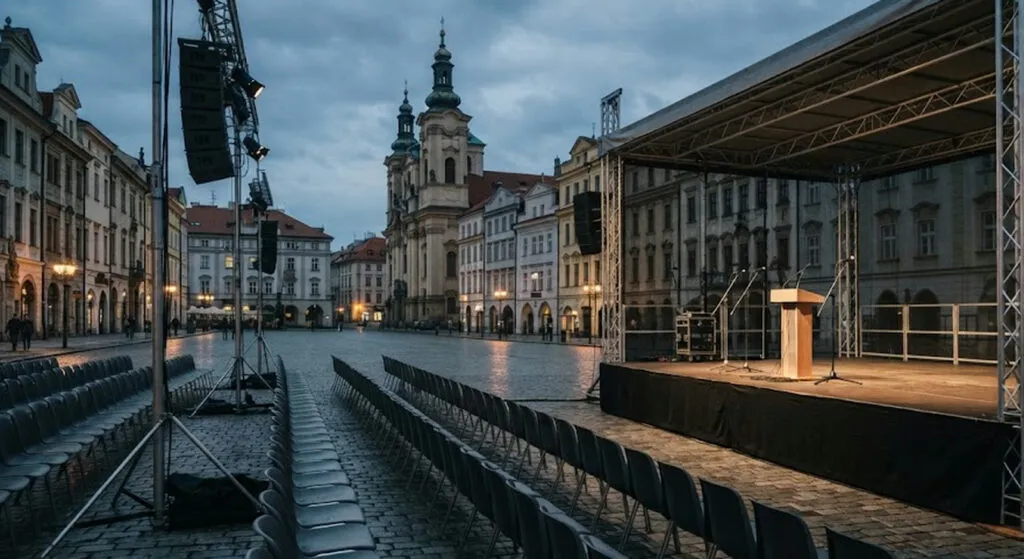
Sixteen years in power, defeat at a regular election, five months of quiet - and now the election result is...

When an institution with a legal department and a palace apparatus has to publish a list of its verified accounts,...
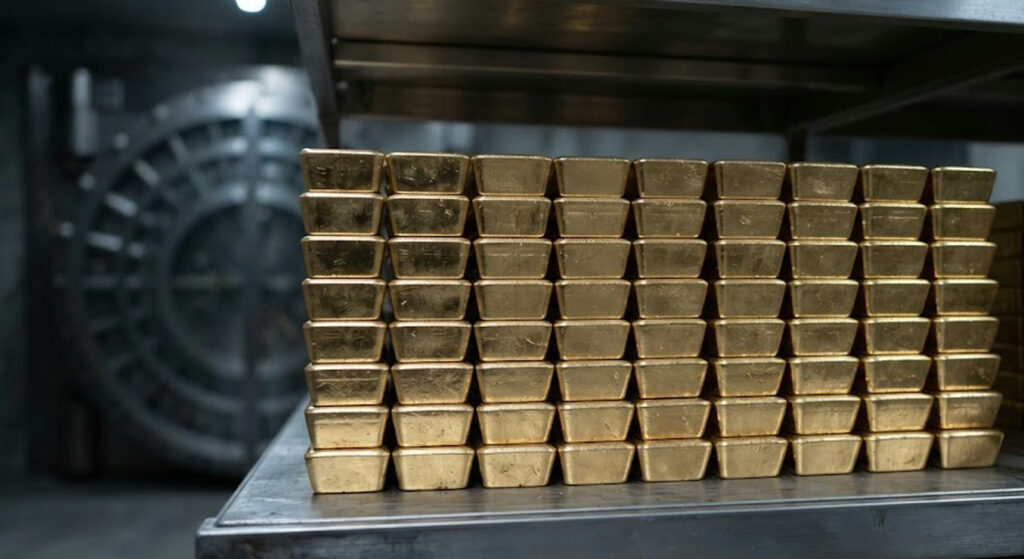
Nobody said they do not trust Washington. Everyone is behaving as though they do not - gold, weapons, the cloud...
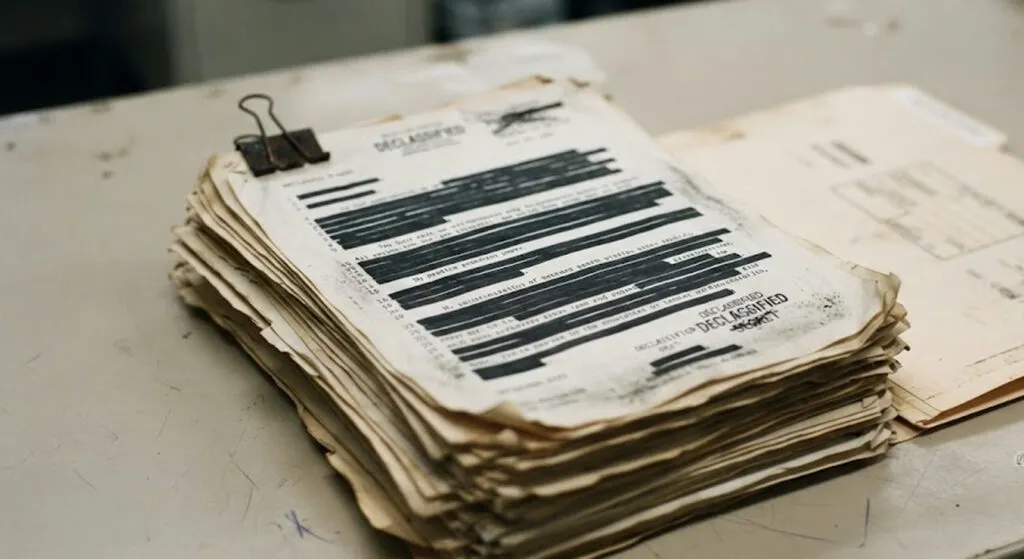
The warning reached the president three years before 9/11. The problem was not a lack of information, but that nobody...

In 1976 tradition demanded the future king choose a bride with no past. Thirty years later that same king married...
This site uses cookies - is that okay? Learn more
Be the first to know when Metla launches something new
Leave your email and we will write when there is a new guide or something new on Metla.
