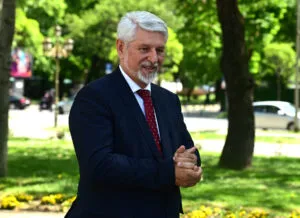
Нова кривична пријава за Јакимовски: одобрение за градба на план укинат уште во 2018 година
16.09.2026


16.09.2026
16.09.2026

16.09.2026
16.09.2026
16.09.2026

16.09.2026
16.09.2026
15.09.2026
14.09.2026

16.09.2026

16.09.2026

15.09.2026

16.09.2026

15.09.2026

14.09.2026

16.09.2026

16.09.2026

16.09.2026

09.03.2026

27.02.2026

19.02.2026

15.09.2026

14.09.2026

14.09.2026

23.04.2026

23.04.2026

12.04.2026

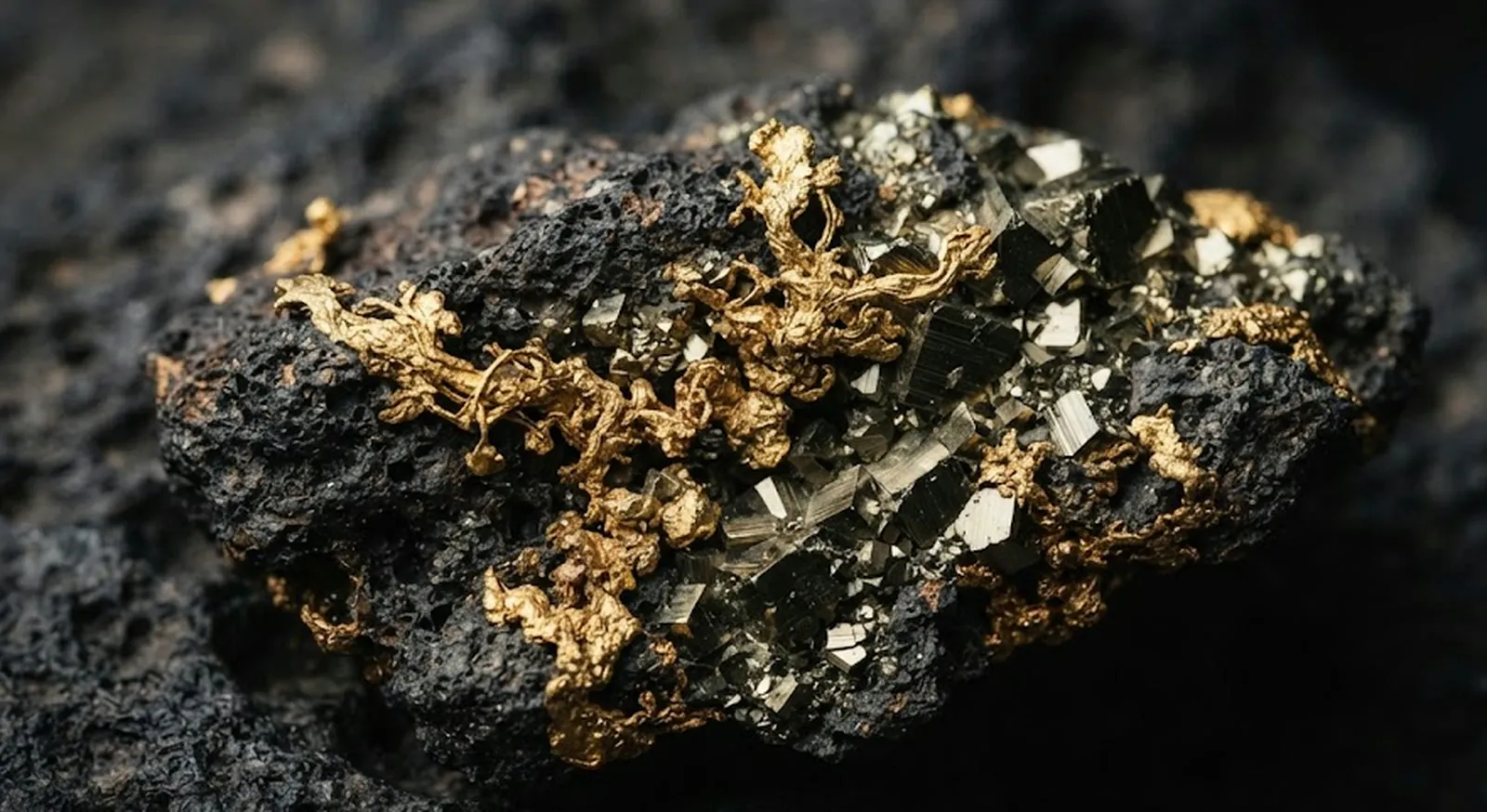
Japanese researchers have discovered record gold concentrations - and in a place few would think to look: an underwater volcano. The deposit lies in the Higashi-Aogashima hydrothermal field, inside a submerged volcanic crater about 350 kilometres south of Tokyo. What makes the find special is that it contains both visible gold grains and so-called "invisible gold" - nanoparticles and single gold atoms trapped in the crystal structure of pyrite.
Pyrite is known as "fool's gold" - a mineral that shines like gold and for centuries lured miners into thinking they had struck riches where there were none. But this time the story is reversed. According to the authors of the study, published in the scientific journal Scientific Reports, this pyrite contains the highest gold concentration on the planet. In other words, fool's gold this time hides the real thing.
The deposit was actually discovered back in 2015, but the new analysis now reveals just how rich it is. And here begins the second, quieter part of the story - the one that rarely makes the headlines. The discovery reignites the debate over deep-sea mining, which many consider an ecological disaster. Japan continues to push for commercial underwater mining, despite international moratoriums and calls for caution.
History advises modesty. Papua New Guinea's underwater mining project collapsed in 2012 and cost around 85 million dollars - money thrown into the sea, literally. The question this discovery leaves behind is not whether there is gold down there; there is, and plenty of it. The question is whether it is worth destroying an untouched underwater world to extract it. And that is a decision that, as usual, will be made by those who will not live beside that sea.
The latest 10 news from this category

Санкции воведени поради една војна се нудат како монета за сосема друг спор. Мнозинството членки се против - но за...
Ел Нињо во Пацификот ги поместува струењата што одлучуваат каде ќе падне снегот. Подрачје кое обично добива еден метар годишно,...
Најлесниот начин да се отфрли неудобен аргумент е да се покаже кој го кажува. Но од тоа сметката за струја...
Апелациониот суд одлучи целото судење да се повтори од почеток. Синот на норвешката кралица го чека тоа во имањето каде...
Trump scaled back the military exercises to ease the tension, and Wonsan answered in the form of projectiles. What does...

The sanctions list got a seven-day extension instead of one measured in months, a move diplomats themselves call unprecedented. Two...
Switzerland offered a table for talks on Ukraine, Moscow replied that the table stopped being neutral once Bern adopted EU...
The will says one thing, a committee of twenty-one men decided another. The queen mother says the army pulled the...
A country that was Europe's byword for stability for decades now has a parliament split into two blocs by a...
Sixteen years in power, defeat at a regular election, five months of quiet - and now the election result is...
This site uses cookies - is that okay? Learn more
Be the first to know when Metla launches something new
Leave your email and we will write when there is a new guide or something new on Metla.