
Stiv Naumov dorm renovated for around 10 million euros: a month later water runs through the walls and the ministry counts wet wipes
24.10.2026


24.10.2026

24.10.2026

24.10.2026

24.10.2026
24.10.2026

24.10.2026

24.10.2026

23.10.2026

22.10.2026

24.10.2026

24.10.2026

23.10.2026

24.10.2026

24.10.2026

24.10.2026

24.10.2026

23.10.2026

22.10.2026

24.10.2026

24.10.2026

24.10.2026

24.10.2026

23.10.2026
23.10.2026

24.10.2026

23.10.2026

23.10.2026
24.10.2026
22.10.2026

20.10.2026

23.04.2026

23.04.2026

12.04.2026

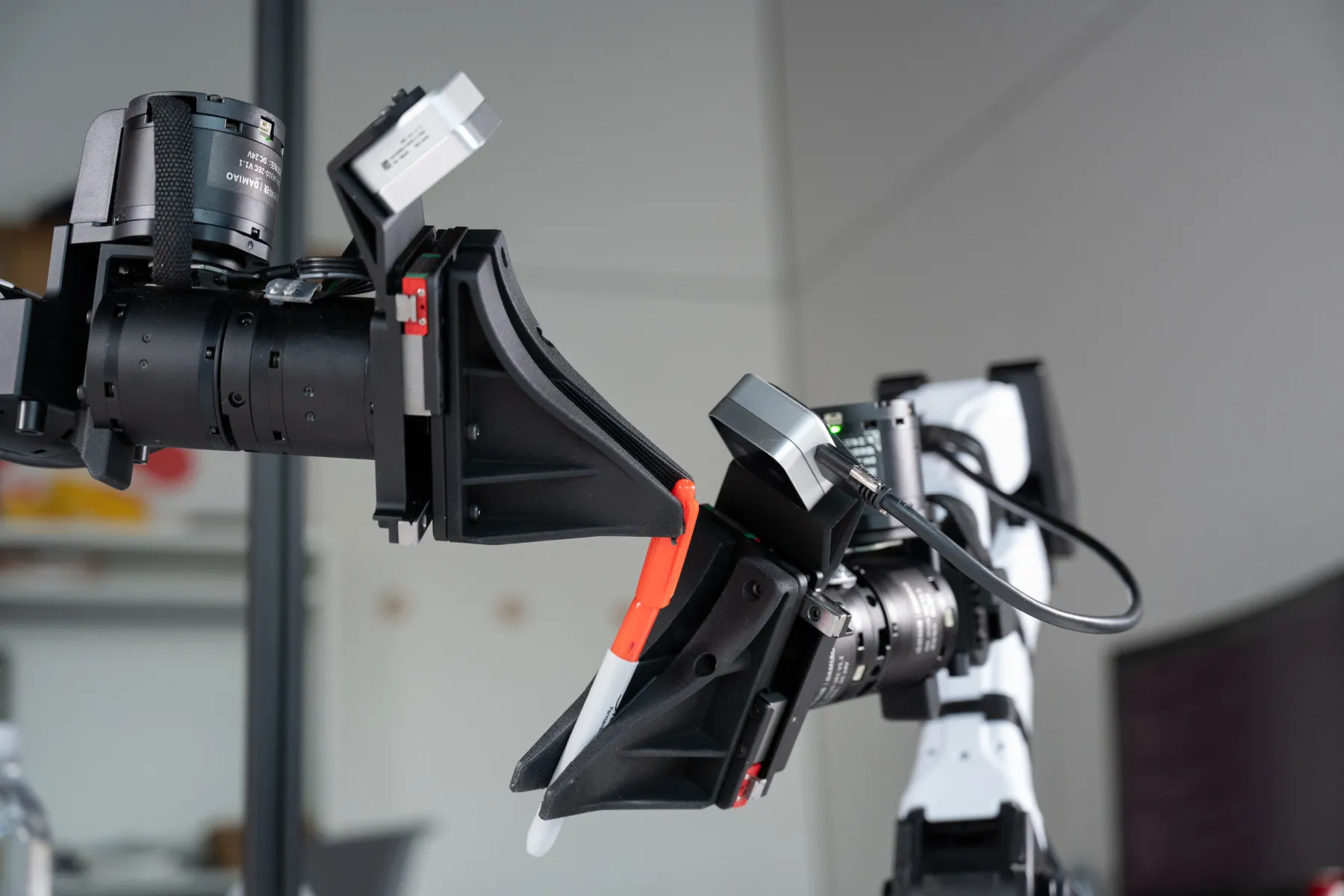
Three months. That is how long it has been since the startup XDOF came out of stealth, and that is how long it took to reach negotiations for a new round at an estimated valuation of around 1.2 billion dollars (about 1.1 billion euros). The round is being led by the fund 8VC.
The company was founded by two researchers from the University of California, Berkeley in 2024 - Philipp Wu as chief executive and Fred Shentu as chief technology officer. In June they raised 70 million dollars in a Series A, with Thrive Capital, Andreessen Horowitz, Lux and Spark Capital. They were not planning to raise again this quickly. The investors came to them, after annual revenue approached 50 million dollars.
What does XDOF actually sell? Not a robot. Data for robots.
The large language models got lucky - the entire internet lay there as learning material. Physical robots have no such pile. Nobody recorded billions of hours of a human hand folding a shirt or flattening a cardboard box. That is the bottleneck of the whole industry, and XDOF is building exactly that chain: collection tools, labelling systems, people wearing sensors and recording ordinary household tasks, and operators driving robotic arms remotely.
The foundation is a project called GELLO - a cheap system that lets a person control a robotic arm at a distance while generating learning material in the process. The company grew out of the paper that came from it. Investors today describe it as Scale AI, but for physical robots. It is already working with around twenty clients, among them several leading artificial intelligence labs.
Here is the part worth noticing. The plan is to hire and train teams of data collectors all over the world - people who will spend hours driving robots remotely or wearing sensors on their bodies while doing everyday work. That is a new kind of job that did not exist before, and that job will not be paid for in San Francisco. The data-labelling chains for language models have already passed through Kenya, India and the Philippines. There is no reason for this one to take a different route.
The terms of the deal are not final and may change. XDOF and 8VC did not respond to journalists' questions. But the figure has already been sent out into the world, and it is doing its work - a two-year-old company, three months out of stealth, worth as much as a mid-sized European firm with factories and employees. The question no investor asks out loud is what happens to that valuation if a competitor finds a cheaper way to collect the same data.
The latest 10 news from this category

The state isn't just handing over money, it's taking equity - for electronics that have to survive the plasma. Fusion...
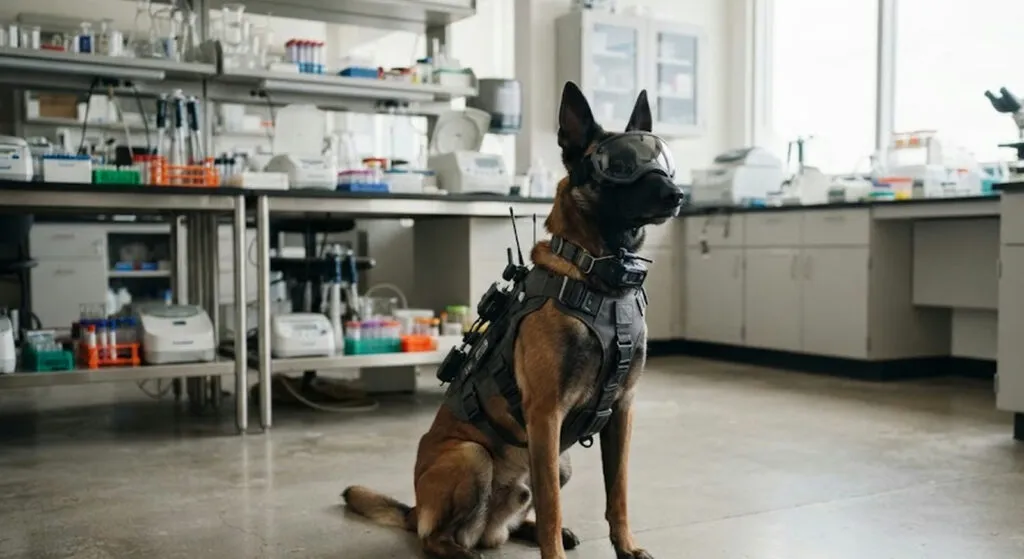
Over 80 percent of the US military's working dogs come from Europe, and fewer than half are fit for service....
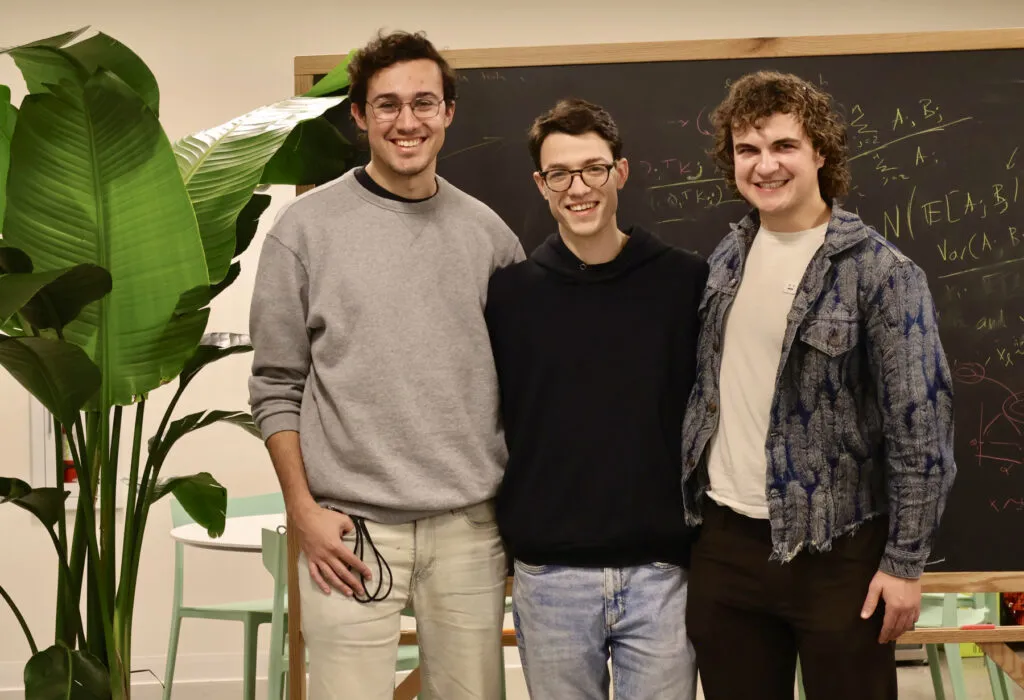
Three founders and a promise that AI can be trained on far less data. In Silicon Valley that's now worth...
A company from a small Baltic country raised 100 million dollars to tell humans from machines online. The trick is...

The app for emotions and to-dos claims revenue in the tens of millions of dollars. Seventy percent of its users...

Blood tests and ice baths will no longer be a privilege of the rich - or so the Hollywood actor...

From unicorn to bankruptcy in five years: Google took the founders back, Disney takes part of the assets, and the...

Fakes have become so good they've earned their own name. Veritas offers a chip built into the product, and it's...
In four months its valuation jumped by 16 billion dollars. Automating boring expense reports in America is a 60-billion business...
The company Meta and Google put more than 10 billion dollars into is now asking the stock market for money....
This site uses cookies - is that okay? Learn more
Be the first to know when Metla launches something new
Leave your email and we will write when there is a new guide or something new on Metla.