

A week after the police brutality story, the Interior Ministry has its own version: the passenger took the officer's gun
15.10.2026


15.10.2026

15.10.2026

15.10.2026

15.10.2026

15.10.2026

15.10.2026

15.10.2026

14.10.2026

13.10.2026

15.10.2026

15.10.2026

14.10.2026

15.10.2026

15.10.2026

15.10.2026

15.10.2026

14.10.2026

13.10.2026

15.10.2026

15.10.2026

15.10.2026

15.10.2026

15.10.2026

15.10.2026

15.10.2026

14.10.2026

13.10.2026
13.10.2026

12.10.2026

10.10.2026

23.04.2026

23.04.2026

12.04.2026

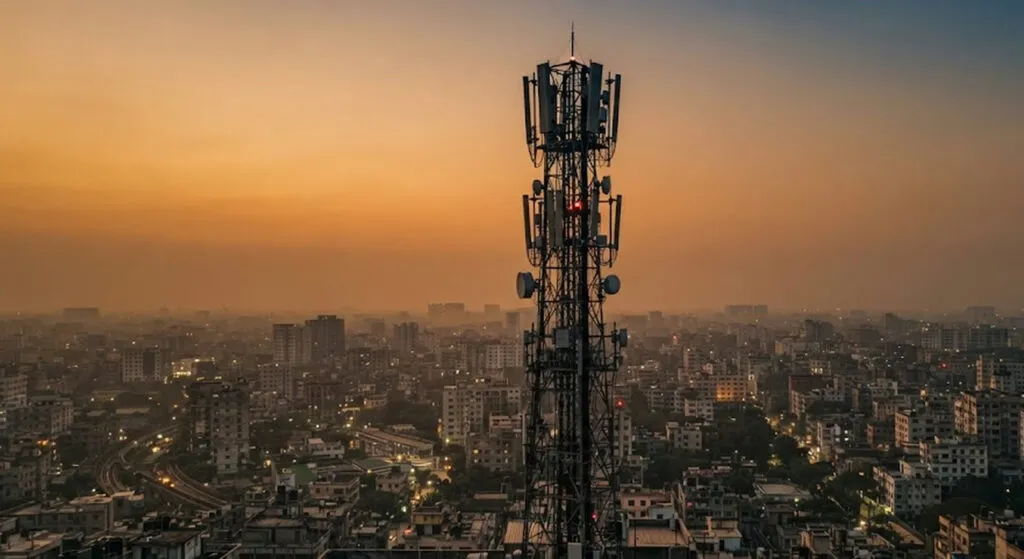
Jio Platforms, the digital arm of billionaire Mukesh Ambani's Reliance Industries, is seeking up to 3.2 billion dollars (around 2.75 billion euros) from the stock market. If it succeeds, it could be the largest initial public offering (IPO) in India's history, ahead of Hyundai Motor India's in 2024.
In its filing, Reliance set a price band of 1,065 to 1,119 rupees (around 11.2 to 11.8 dollars) per share, for at most 270 million new shares. Bidding for so-called anchor investors is on October 19, and for everyone else the offer is open from October 21 to 23. At the top of the range, Jio would be worth around 108 billion dollars (around 93 billion euros).
In 2020, when Meta invested 5.7 billion dollars and Google pledged another 4.5 billion, the company was valued at up to 4.91 trillion rupees, around 65 billion dollars. Six years later it is worth two-thirds more. The numbers behind that are real: more than 524 million subscribers as of March 31, making it India's largest telecom operator. In the quarter to June, revenue grew almost 12 percent to around 4.1 billion dollars, and net profit 9 percent to around 816 million dollars.
And now the part that matters most. Of the money raised, up to 275 billion rupees (around 2.9 billion dollars) goes to repaying the debt of its subsidiary Reliance Jio Infocomm. The rest is for "general corporate purposes" - a phrase that can mean everything and nothing. So the biggest stock offering in the history of a country of almost one and a half billion people is, first and foremost, about paying off creditors.
Small investors are being lured with perks. Jio is reserving shares worth up to 25 billion rupees (around 263 million dollars) for Reliance shareholders and up to 5 billion rupees (around 53 million dollars) for employees, who also get a discount of 54 rupees per share. Is the small shareholder buying a piece of the future of India's biggest operator, or helping Ambani clean up a subsidiary's balance sheet?
All this is happening in the weeks when Elon Musk is publicly attacking Ambani over the delayed launch of Starlink in India - accusations the Indian authorities have rejected. Two of the richest men on the planet are fighting over who gets to sell internet to Indians. Will Indians get real competition, or just another giant with a new ticker symbol?
The latest 10 news from this category

Five years ago Bumble was valued at 14 billion dollars on the stock market; today it sells for 1.3 billion....
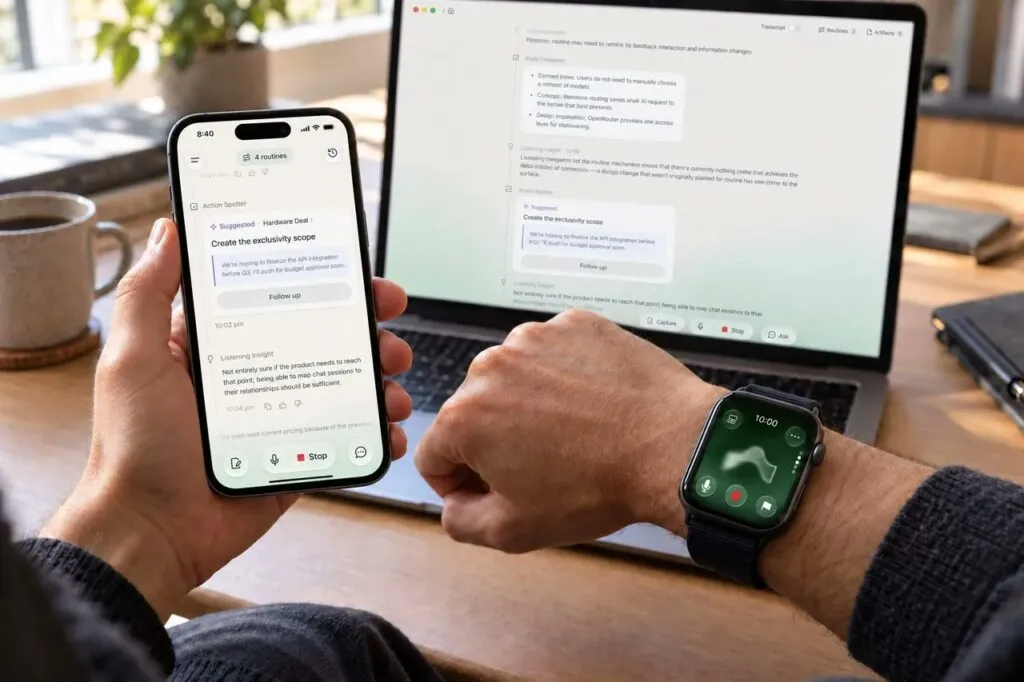
A former Plaud executive promises an assistant that gives you advice while the meeting is still going on. The price...
The new owner promises full shelves and competitive prices. How much a chain with over 30 years of history cost,...

While money pours into AI start-ups, a device that pulls toxins out of children's blood has quietly made it into...

The company valued at 126 billion dollars has so far lived off investors, and now it is borrowing from Blackstone...
Proex International has taken over the chain the Todorović family spent 30 years building. Nobody mentions the price, but there's...
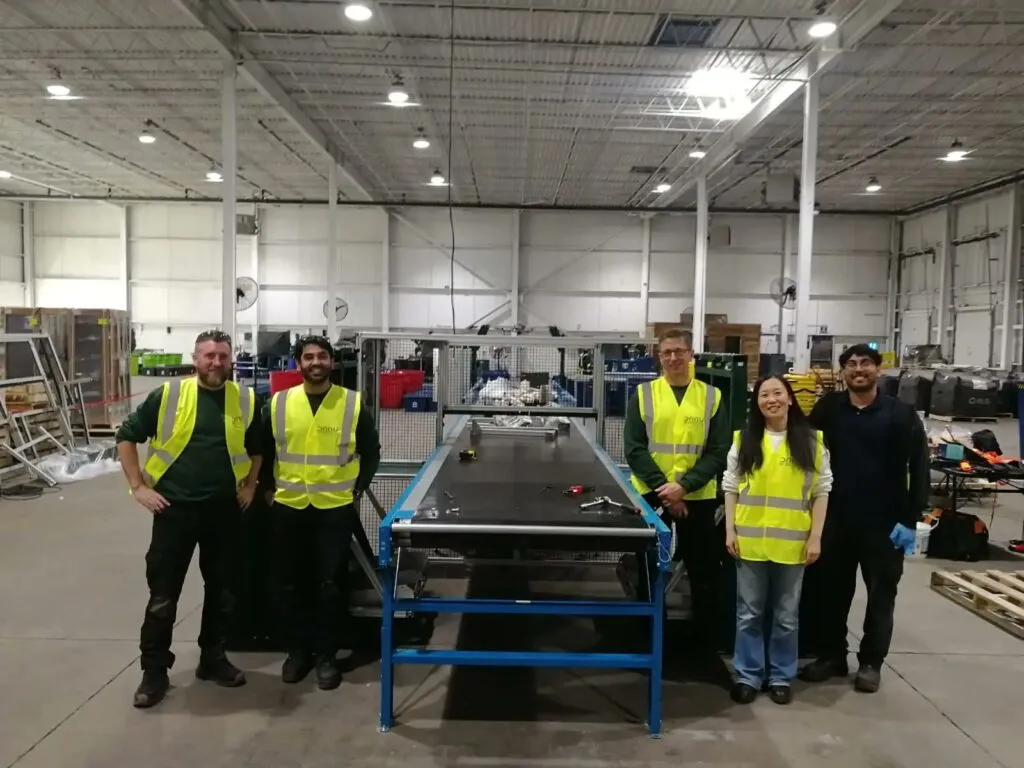
Signed contracts worth half a million dollars, a market estimated at twenty billion and a robot with a gripper instead...

From university project to 3.1 billion dollars in three years. Arena ranks AI models, and the labs whose models it...

Nine out of ten of the fund's investments are outside the US, and Europe got 12 new investments in six...

Their first idea had no future, so the three founders torched it. The second hit over a million dollars in...
This site uses cookies - is that okay? Learn more
Be the first to know when Metla launches something new
Leave your email and we will write when there is a new guide or something new on Metla.


