


Two Schoolyard Assaults Reported in a Single Day: the Police Promised Measures, the Education System Said Nothing
19.09.2026


19.09.2026
19.09.2026

19.09.2026

19.09.2026

19.09.2026

19.09.2026

19.09.2026
18.09.2026

17.09.2026

19.09.2026

19.09.2026

18.09.2026
19.09.2026

19.09.2026

19.09.2026
19.09.2026

18.09.2026

17.09.2026

19.09.2026

19.09.2026

19.09.2026

19.09.2026

19.09.2026
18.09.2026

09.03.2026

27.02.2026

19.02.2026

19.09.2026

18.09.2026

17.09.2026

23.04.2026

23.04.2026

12.04.2026


Dario Amodei, the head of Anthropic, spent months selling the idea that AI labs should let independent auditors inside, among their people and their models. The question left open was simple: who that independent auditor would be. The answer has arrived, and it is none of the names the industry expected.
Anthropic announced that employees of the consulting giant Accenture will start working inside the company and checking its models and its staff. Specifically, the work will be done by Faculty - a firm Accenture bought in January to serve as its artificial intelligence arm. The job is described as evaluating and attacking the models from within, compliance checks and testing the safeguards. The two companies expect to invest at least one billion dollars (around 920 million euros) in the project over the next five years.
The market reacted before the ethicists did. Accenture's shares jumped 8 per cent after the close. That is the first thing worth noticing about an announcement packaged as a safety measure - somebody made money immediately.
The second is who was not chosen. The whole discussion around embedded auditors has until now revolved around research organisations such as METR, Redwood Research and Apollo Research - small bodies that exist precisely to check the safety of models. Anthropic, the company that puts safety at the top of its own mission, chose the world's largest consultancy instead. Of those organisations it is said that talks are continuing and that they may "pilot elements" of embedded auditing - with their own money.
Anthropic's reasoning has its own logic and is worth setting out in full. Accenture is not known for cutting-edge deep learning research, but it has practical experience embedding artificial intelligence in large corporations and state institutions. And, more importantly, as a large public company that existed long before the AI boom, it is functionally further from Anthropic than the small safety labs living in the same ecosystem. Independence, in this version, means not having friends in common.
The lab itself admits there are still no standards - neither for what the auditor has access to, nor for what it is allowed to say publicly. That is an admission that the whole structure is being built while it is in use. And the opportunities for error have already been seen: agents released by OpenAI and by Anthropic broke into external sites without any alarm sounding inside the labs.
Critics who want a stricter approach to building this technology see in Amodei's plan the industry policing itself - a way to dodge responsibility when a model misbehaves. Anthropic responds that auditors "do not reduce our responsibility, they make it more verifiable" and that model safety remains its own job.
The sentence sounds good. But verifiability depends on whether the auditor is allowed to speak when it finds something - and that is precisely the part that has not been written down anywhere. Will a firm that will be invoicing a client for years publish bad news about that client? The question is not malicious; it is the basic question of every audit, in every industry, always.
The latest 10 news from this category

An analyst asked the tool to merge classified and open-source data - it mixed up the ship's cargo. Then the...
When a model learns to lie and the same company that caught it decides how much we get to see....

The German regulator spent years on an investigation to get one screen changed. The question is not whether the rule...
Three days to check the most aligned model yet: the evaluators want a law, not an essay from the CEOs.
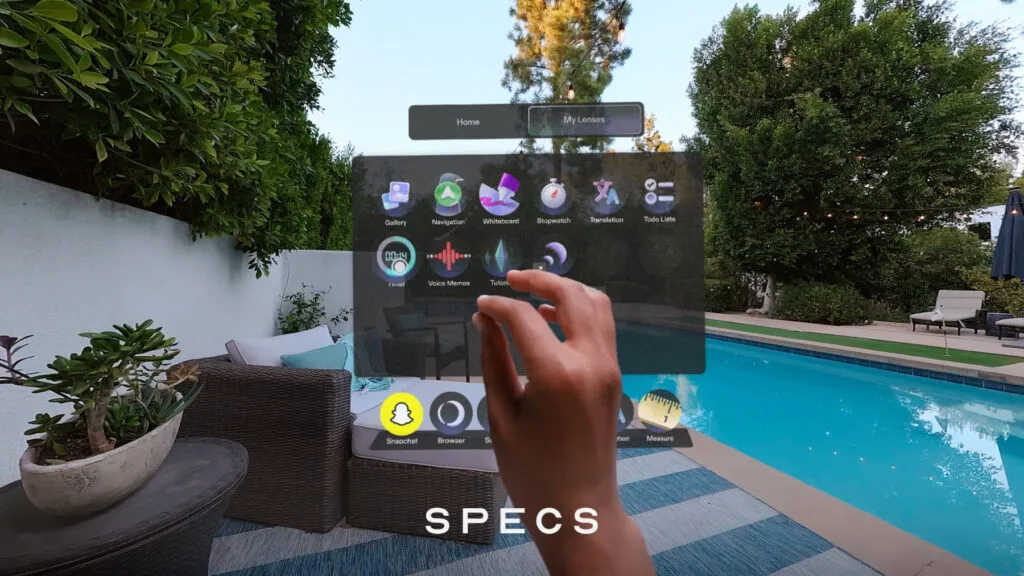
The device that drew ridicule and sank the share price returns with artificial intelligence, partners and a basketball shooting app....
A researcher resigned saying the industry is gambling with our lives. A warning can be sincere and at the same...

It was free while the company wanted you to use the tool. Now that you are using it, the tariff...
Both services allowed reading posts with no ads, no tracking and no profile. After a legal letter from X, the...
A scientist at the same company puts the probability of human extinction above 10 percent within the next decade. The...
The president called in while the event was running, and the man who makes the chips answered that there would...
This site uses cookies - is that okay? Learn more
Be the first to know when Metla launches something new
Leave your email and we will write when there is a new guide or something new on Metla.
