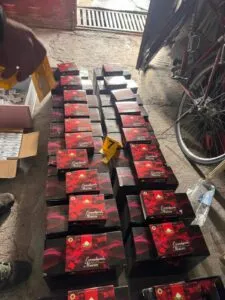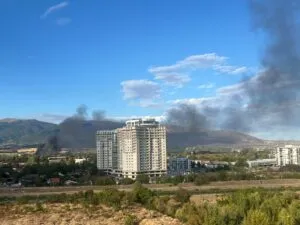
Црн чад над Скопје: гореше магацин за бои и лакови во кругот на „Железара“
23.09.2026



23.09.2026

23.09.2026
23.09.2026

23.09.2026

22.09.2026

21.09.2026

23.09.2026

23.09.2026

22.09.2026

23.09.2026

23.09.2026

23.09.2026

23.09.2026

22.09.2026

21.09.2026
23.09.2026

23.09.2026

23.09.2026

23.09.2026

23.09.2026

23.09.2026

09.03.2026

27.02.2026

19.02.2026
22.09.2026

21.09.2026
21.09.2026

23.04.2026

23.04.2026

12.04.2026

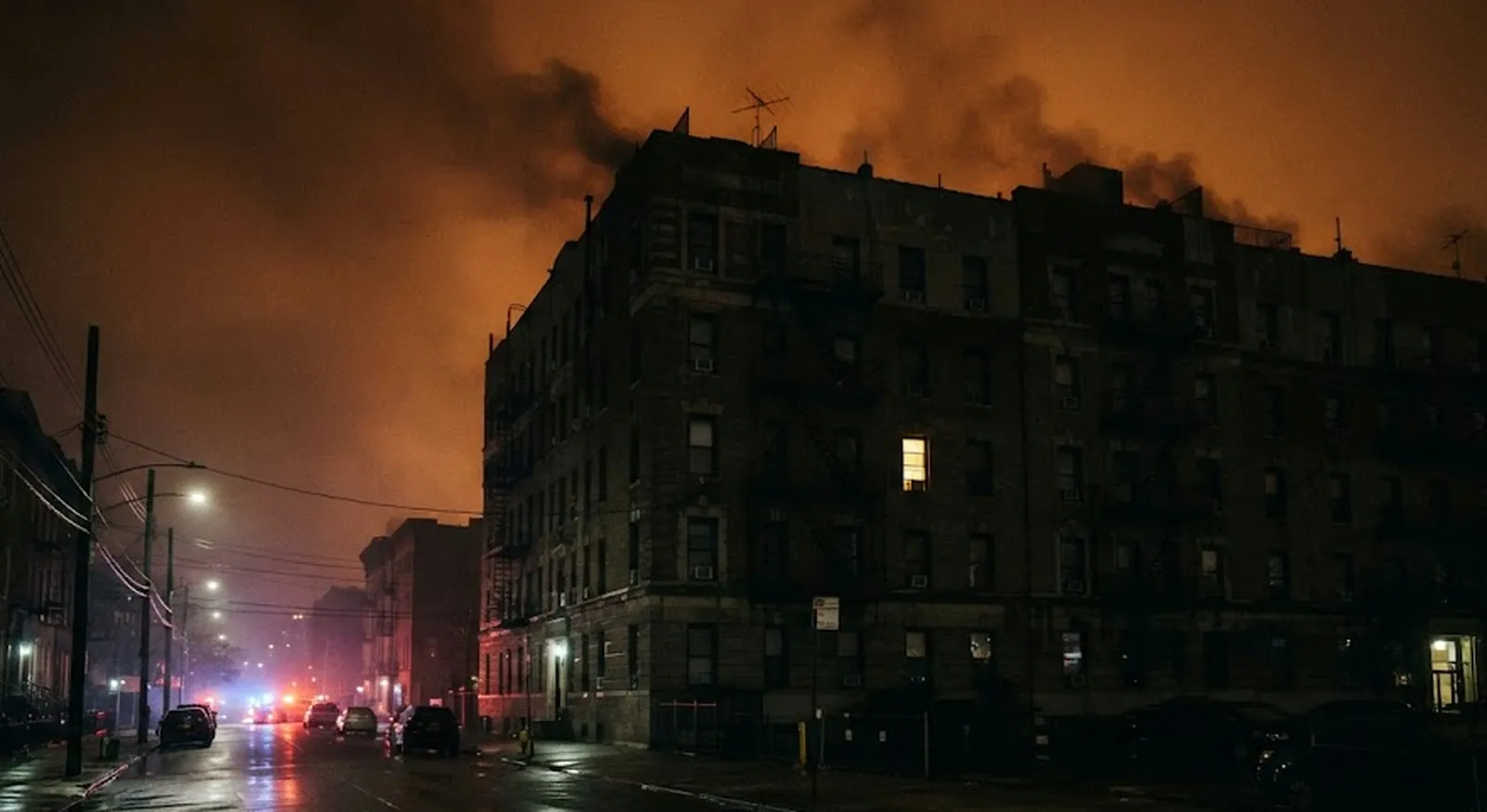
Kyiv spent the night of 4 to 5 August under a combined drone and ballistic missile attack. According to a statement by Ukraine's State Emergency Service, four city districts - Obolon, Sviatoshyn, Holosiiv and Desna - have fires and destruction. Dead: 14 people. Injured: 27. Mayor Vitali Klitschko said 15 of the injured were hospitalised, four of them in a serious condition.
The figures in the first hours after an attack like this always move upwards. Some sources that morning spoke of 15, then of 17 dead - rescuers were still clearing debris when the first statements came out. That is the very nature of this kind of attack: it does not end when the siren stops, but when the last person is pulled out of the rubble.
Four districts, not a single military target
The geography is worth pausing on. Obolon, Sviatoshyn, Holosiiv and Desna are not military bases. They are residential parts of a European capital - apartment blocks, shops, schools, clinics. When one night-time air operation leaves marks in four such districts at once, we are talking about an attack scattered across the city, not a precise strike on some piece of infrastructure.
The air raid alert over the Kyiv region stayed in force past sunrise. Rescuers worked with the risk of a repeat strike - meaning the people going into burning buildings to pull someone out are doing it knowing the next missile could land on them. That is the part of the job that rarely makes the headlines.
A night that no longer counts
And here is something worth saying out loud. This is the third year of the war and news of this kind is no longer news. Fourteen dead in Kyiv in August 2026 will not lead any main evening bulletin in Western Europe for longer than ninety seconds. There is fatigue, there are other crises, there are elections that matter more to the domestic audience.
The Balkans know this scene by heart from the other side - from the side of those the world stopped reading about. The nineties taught us how quickly a war goes from the front page to the tenth item, and then to a footnote. Not because it stopped, but because it stopped being interesting.
What comes next
The diplomatic frame around this attack is familiar: ceasefire talks that have dragged on for months, statements of concern, calls for restraint. None of them will give that night in Obolon back.
The question that remains is not whether there will be more nights like this - we already know that. The question is how long a night like this will be enough for someone to change the calculation.
The latest 10 news from this category
Понудата е намерно тесна - само енергетиката, и со рок пред зимата. Кога ќе падне далновод во ноември, не паѓа...
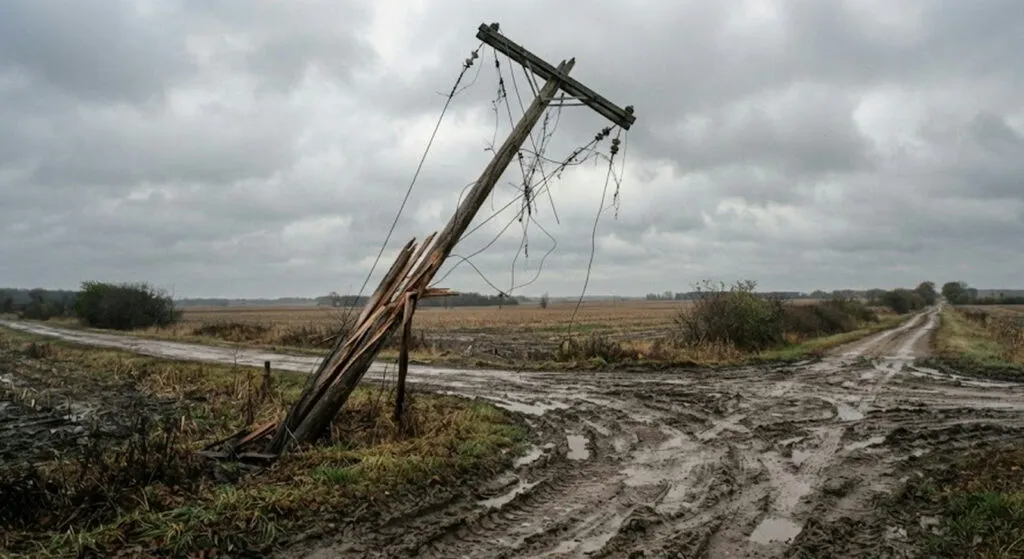
A Russian commander promised to cut the Kharkiv encirclement "like a pie". Every number comes from the camp running the...
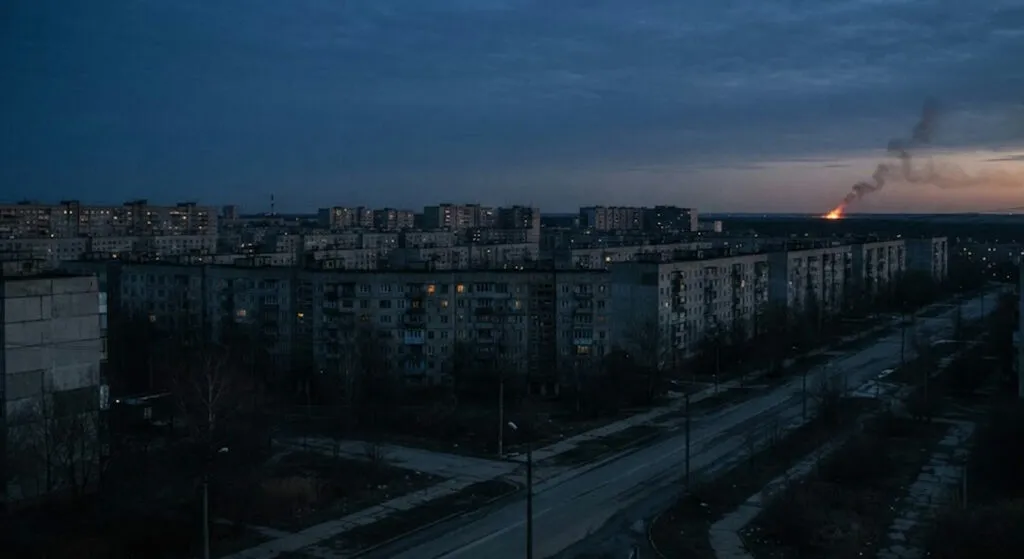
Missiles and drones on the Ukrainian capital, damaged water mains and residential buildings. The same night, Ukrainian drones set the...
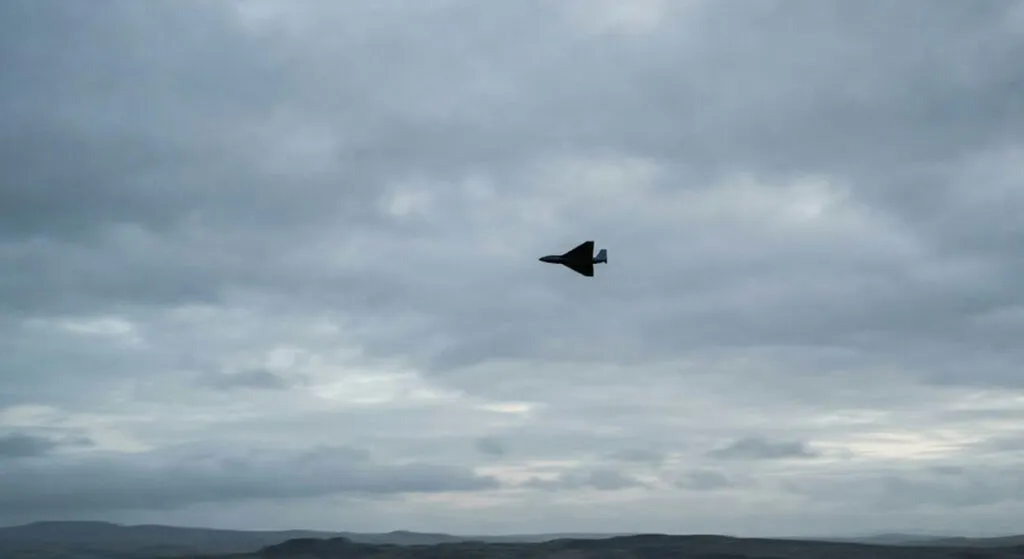
Ukraine was shooting down nine out of ten of the old drones. Then Russia changed the drone - and in...
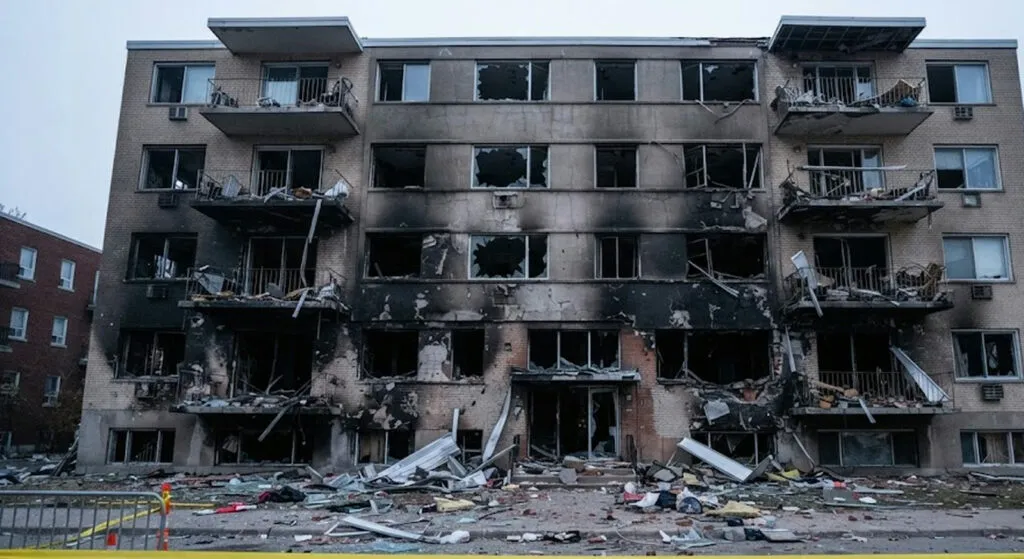
Residential buildings, a kindergarten and an Orthodox church damaged in Russia's largest Black Sea port. Four dead and 29 injured...
When there are no air-to-air missiles left, what remains is a 20mm cannon - and that means the pilot has...

In public - constructive talks. In private, according to an MP in the Verkhovna Rada, the envoys arrived with tougher...
Not next month - 2027. A president planning air defence for the period after peace says more about the peace...

The sky above a capital is safe exactly as long as there are American negotiators inside it. That is not...
Two American envoys entered the Kremlin with a document nobody outside that room has read. A three-day pause over Kyiv...
This site uses cookies - is that okay? Learn more
Be the first to know when Metla launches something new
Leave your email and we will write when there is a new guide or something new on Metla.