
"That's not my job": the trial of the 13 Puls police officers restarted from scratch, and witnesses describe help being refused
22.09.2026


22.09.2026

22.09.2026

22.09.2026

22.09.2026

22.09.2026

22.09.2026

22.09.2026

21.09.2026

20.09.2026

22.09.2026

22.09.2026

21.09.2026

22.09.2026

22.09.2026

22.09.2026

22.09.2026

21.09.2026

20.09.2026

22.09.2026

22.09.2026

22.09.2026

22.09.2026

22.09.2026

22.09.2026

09.03.2026

27.02.2026

19.02.2026

22.09.2026

21.09.2026

21.09.2026

23.04.2026

23.04.2026

12.04.2026

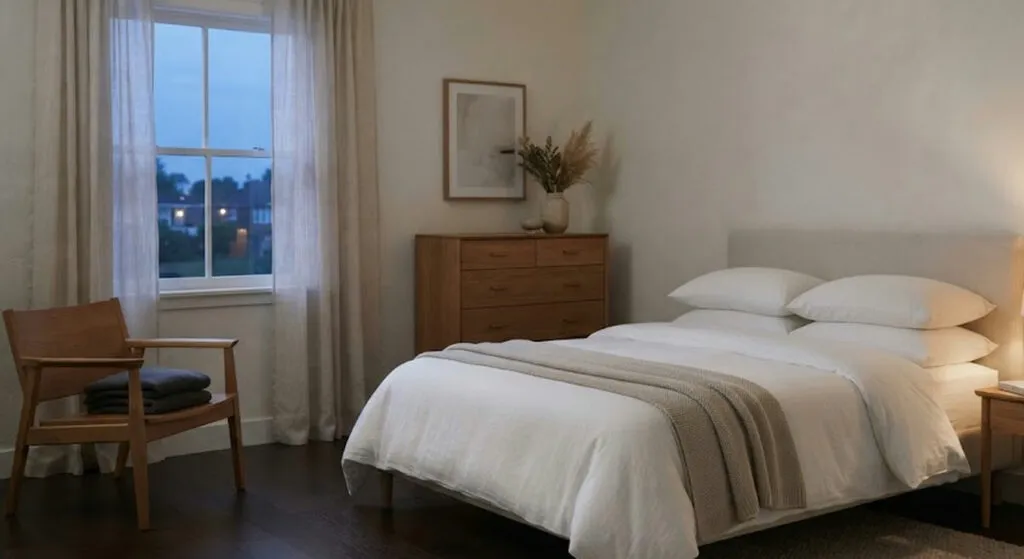
Ana Guerrero Braña, a psychologist at the European Institute of Positive Psychology, explains something most people know intuitively but have never connected to hormones: an untidy bedroom raises your cortisol. "A tidy bedroom reduces cognitive load, the brain does not have to process visual stimuli, and that lowers cortisol," she says.
The logic is simple. Every object that is not in its place is read by the brain as an unfinished task. The open drawer, the shirt on the chair, the box that has been sitting there for three weeks - none of that is decor, it is a to-do list lying in your field of vision while you are trying to fall asleep.
"Untidy environments contribute to a rise in cortisol, the stress hormone," Guerrero adds. And cortisol and sleep are in direct conflict: the more of one, the less of the other.
What the psychologist offers as a solution costs nothing at all. Closing the drawers, laying out tomorrow's clothes, clearing the bedside table - a few minutes of ritual that tells the brain the day is closed. Not meditation, not an app, not a supplement.
And this is exactly where the story gets more interesting than it looks. The sleep industry sells mattresses, "warm light" lamps, melatonin drops and devices that measure your sleep down to the second. Very little of it tells you what the psychologist said for free: that the problem may not be in your body, but in what is sitting in front of your eyes while you lie there.
Does this apply to everyone? No. There is insomnia that the tidiest room in the world will not fix. But if you are at the start of the list of possible causes, this one is the cheapest to test - and the only one nobody can charge you for.
The latest 10 news from this category

Cream in carbonara is an invention that took hold outside Rome. If the pan is hot when the eggs go...

He is confident while being praised. When somebody else gets the credit, he goes defensive, gets angry, or belittles them....

Components separately, or full boxes ready to reheat. One gives you variety, the other speed, and blanching your vegetables before...

A Japanese study put participants on a treadmill at three to six kilometres an hour. After ten minutes they solved...

The cuttlefish goes in before the potatoes - the other way round and you get potato in water with pieces...
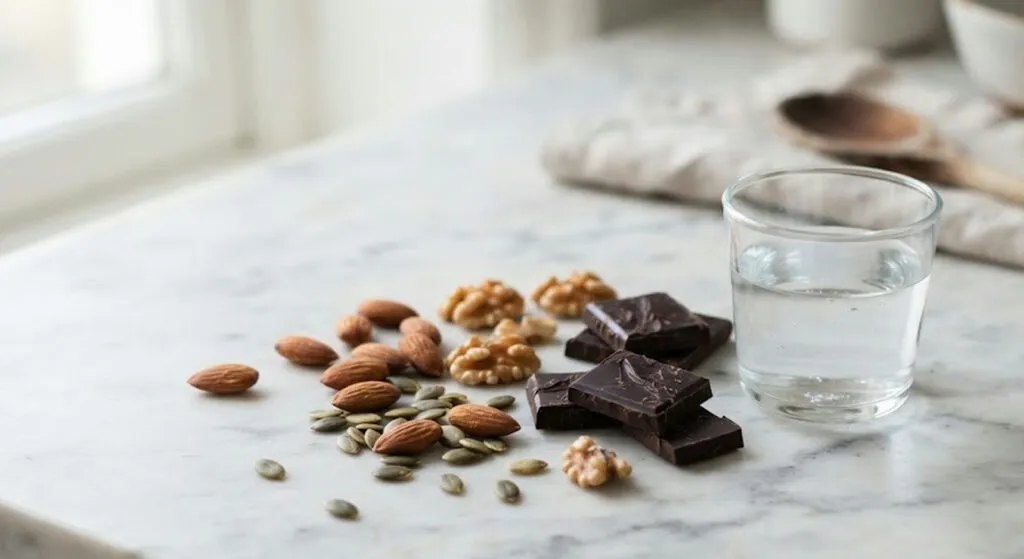
Three different compounds for three different purposes, and in the pharmacy all of them sit on the same shelf under...

An Italian guide, a gala in Naples, first place for a London restaurant. Spain gets six entries - but only...

When a muscle contracts, it releases molecules that directly feed brain plasticity. The industry sells you kilograms, while the strongest...

It is caught with hook and line, not with nets, and you can taste that on the plate. The three...

A couples therapist explains why your partner has not changed - the inhibition of critical judgement simply stopped. And why...
This site uses cookies - is that okay? Learn more
Be the first to know when Metla launches something new
Leave your email and we will write when there is a new guide or something new on Metla.