
Sixteen Arrests in Twenty-Four Hours, All for Drugs: The Police Are Working - But Where Are All These People Coming From?
20.09.2026


20.09.2026

20.09.2026
20.09.2026
20.09.2026

20.09.2026

20.09.2026

20.09.2026
19.09.2026
18.09.2026

20.09.2026

20.09.2026

19.09.2026

20.09.2026

20.09.2026

20.09.2026

20.09.2026

19.09.2026

18.09.2026

20.09.2026

20.09.2026

20.09.2026

20.09.2026

20.09.2026

20.09.2026

09.03.2026

27.02.2026

19.02.2026

20.09.2026

19.09.2026

18.09.2026

23.04.2026

23.04.2026

12.04.2026

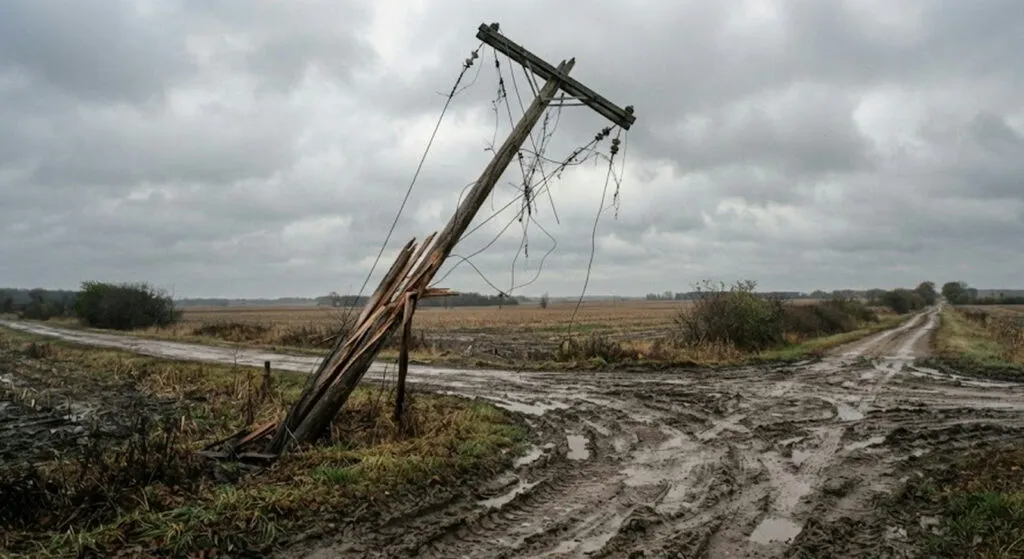
The Russian side claims that the key phase of a major encirclement operation has been completed in the Kharkiv region and that up to ten battalions of Ukraine's armed forces are trapped in a "pocket" of more than 400 square kilometres. The Ukrainian command does not confirm it. Between those two sentences sits everything we currently know about that stretch of the front - which means we know little and are being told a great deal.
The statement came from Colonel Roman Shkroba, commander of the 71st Guards Motorised Rifle Division of the Russian "Sever" grouping. By his account, preparations lasted roughly a week, during which the Russian command coordinated the actions of several units, set the axes of attack and calculated how many men had to take part directly in the assaults and how many would stay behind to consolidate the captured positions.
The numbers one side is supplying
According to Shkroba, the area that covered more than 450 square kilometres at the start of the operation has now been reduced to a little over 400. Inside it, he claims, there are still up to ten Ukrainian battalions - units of the regular army, the territorial defence and the border forces. The Russian side presents this encirclement as the largest "pocket" by area so far in the course of the special military operation.
The plan, according to the same source, is no longer gradual tightening. The units have been ordered to cut the entire area into several separate parts. The comparison the commander used was entirely direct - the "pocket" should be cut like a pie, and then each piece cleared individually. The aim of that tactic is clear: so that the units inside cannot support one another.
What Ukraine says
The Ukrainian command does not confirm that ten of its battalions are sealed inside a complete 400 square kilometre encirclement. Viktor Trehubov, spokesman for the Ukrainian joint grouping, said on 15 September that Ukrainian forces were not registering a new Russian breakthrough in the Kharkiv region and that the intensity of Russian attacks on certain axes was in fact declining.
At the same time, the Ukrainian side acknowledges that fighting on the Vovchansk axis is intense and that Russian forces are trying to widen the area under their control. That is an admission that says something - but it does not say what Moscow wants us to hear.
The other numbers, all from one source
Shkroba claims 26 settlements remain in the operation zone over which Russia wants to establish control - eight on the Vovchansk axis and 18 on the Valuyki axis. He named Prykolotne, Hohyne, Olkhovatka and Mala Vovcha as places where fighting continues. He also claims that completing the operation would allow the security zone to be pushed more than 50 kilometres from certain parts of the Russian border, particularly from the Belgorod region.
Russian units, by his account, have put 305 Ukrainian soldiers out of action in this zone since the start of September, along with 12 armoured vehicles, eight pickups, 13 quad bikes and 20 ground robotic systems. They evacuated 57 civilians from Anyskyne, Vodyane and Olkhovatka. Not one of those numbers has been independently confirmed - they all come from the same command running the operation.
That is the usual way of fighting with numbers: a precise figure sounds like proof. But 305 is exactly as verifiable as 3,005, if the only one counting is the same one attacking.
The question genuinely hanging
The question being settled on this stretch of the front is simple: has the Russian army really achieved a large operational encirclement, or will Ukrainian units keep corridors through which they can withdraw and continue to resupply. The Moscow narrative says the first phase is complete and that no pocket is being made now - it is being cut into pieces.
For a reader in the Balkans this is not an abstraction from far away. This is the language our own fronts were written in thirty years ago - both sides count differently, the map is drawn by whichever camp publishes it, and the truth arrives months late, when there is no longer anyone left to change it.
The latest 10 news from this category
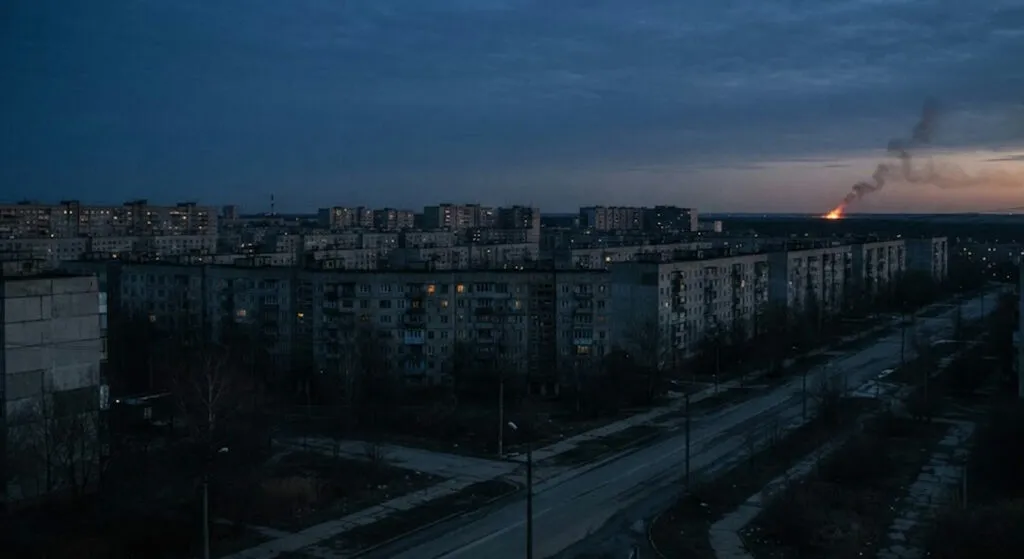
Missiles and drones on the Ukrainian capital, damaged water mains and residential buildings. The same night, Ukrainian drones set the...
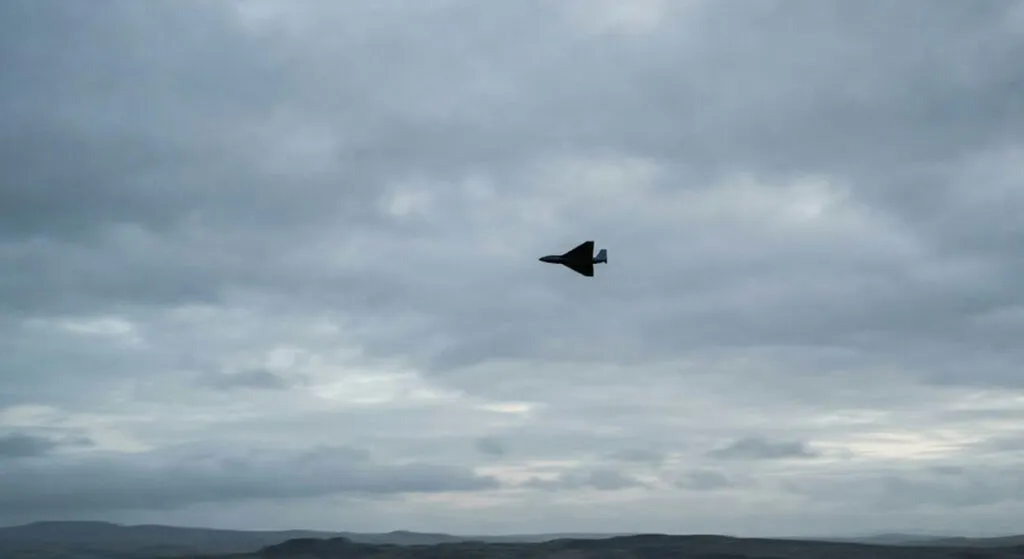
Ukraine was shooting down nine out of ten of the old drones. Then Russia changed the drone - and in...
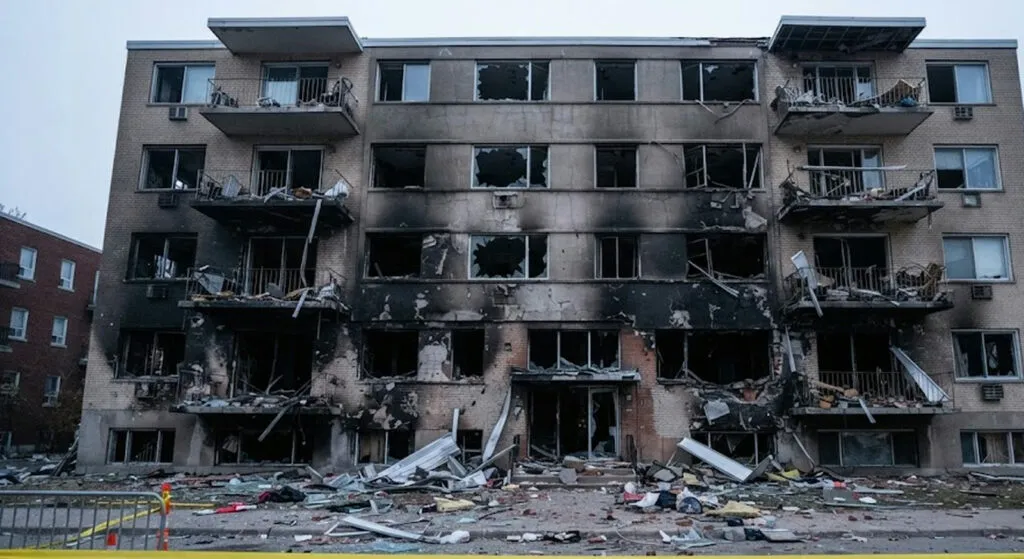
Residential buildings, a kindergarten and an Orthodox church damaged in Russia's largest Black Sea port. Four dead and 29 injured...
When there are no air-to-air missiles left, what remains is a 20mm cannon - and that means the pilot has...

In public - constructive talks. In private, according to an MP in the Verkhovna Rada, the envoys arrived with tougher...
Not next month - 2027. A president planning air defence for the period after peace says more about the peace...

The sky above a capital is safe exactly as long as there are American negotiators inside it. That is not...
Two American envoys entered the Kremlin with a document nobody outside that room has read. A three-day pause over Kyiv...
From midnight until 8 September the Ukrainian army is under orders not to fire. Except a truce is when both...
Zelensky warned airlines and insurers that Russian airspace would de facto close. Putin answered with a sentence that shuts every...
This site uses cookies - is that okay? Learn more
Be the first to know when Metla launches something new
Leave your email and we will write when there is a new guide or something new on Metla.