


They Rode In on Scooters, Torched the Shops and Left: The Fire in Shuto Orizari Burned for Three Hours, Setting It Took Fifty Seconds
13.09.2026


13.09.2026

13.09.2026
13.09.2026

13.09.2026

13.09.2026

13.09.2026

13.09.2026

12.09.2026

11.09.2026

13.09.2026
13.09.2026

12.09.2026

13.09.2026

13.09.2026

13.09.2026
13.09.2026

12.09.2026

11.09.2026

13.09.2026

13.09.2026
13.09.2026

13.09.2026

13.09.2026

12.09.2026

09.03.2026

27.02.2026

19.02.2026

13.09.2026

12.09.2026

11.09.2026

23.04.2026

23.04.2026

12.04.2026

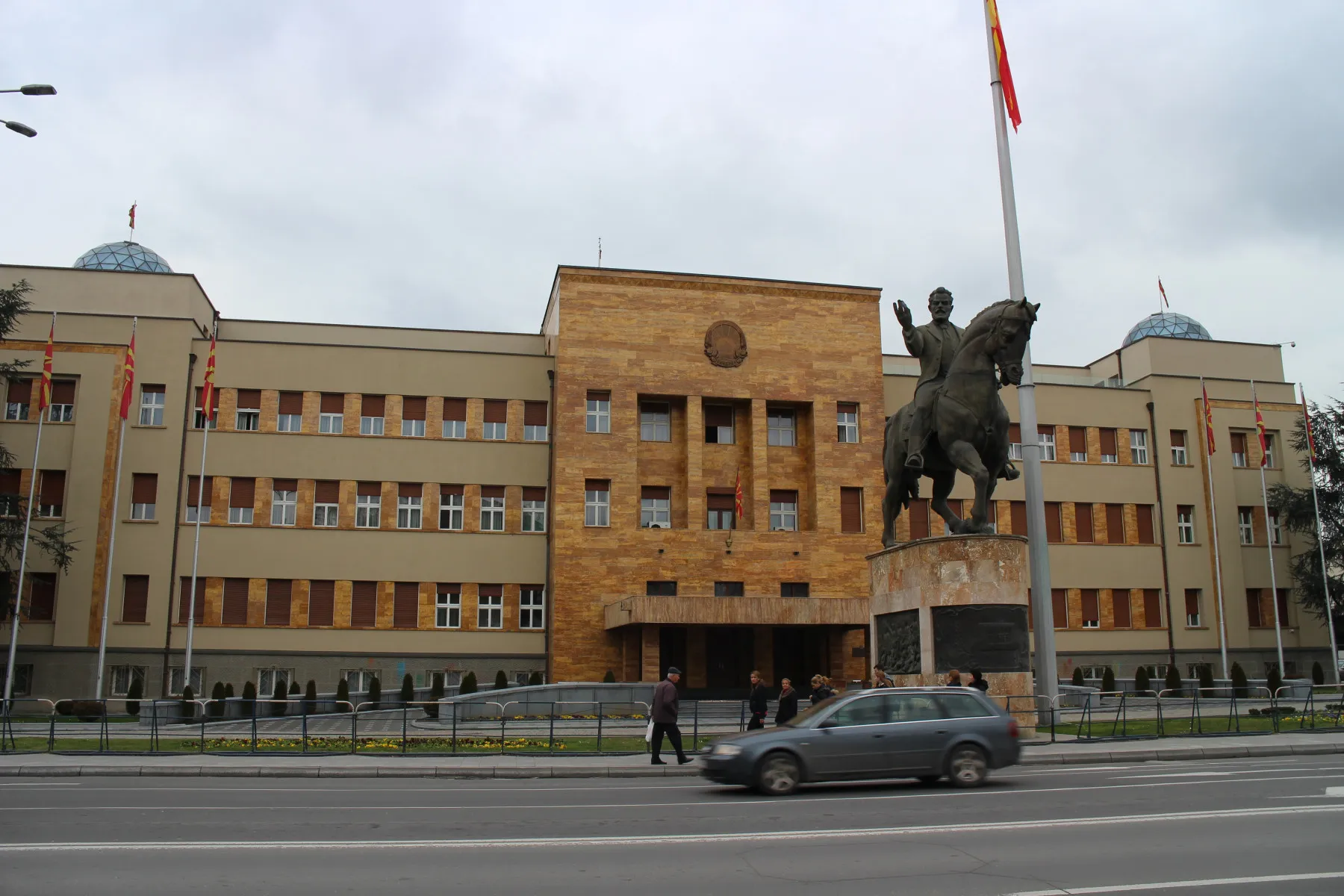
The debate over the new Electoral Code has again dragged the old dividing lines between the parties to the surface - and those lines are, as usual, drawn where it suits the biggest players. Levica claims the government's statements that their demands were accepted "are not true," and that the main demand - a single electoral district - was rejected.
The point Levica makes is sharp: a single electoral district is not a new demand invented overnight - it has been discussed for decades, and it even stands written in the party program of VMRO-DPMNE. The working group to amend the code was formed precisely because of that question. And now, they say, political conditions have been built into the proposed text, and even the solutions there was consensus on have been thrown out.
The most interesting thesis is the one about priorities. The government, Levica claims, is imposing electronic voting for Macedonians abroad as "the most important question for democracy." But that was never a recommendation of the international observers, nor the reason for forming the working group. In other words - the focus is being shifted from what would genuinely make the contest fairer to something that sounds modern but does not touch the core.
And the core, according to this critique, is simple: a single electoral district does not suit the big parties, because it reduces the effect of electoral engineering and creates a fairer contest. Changing the electoral model is allegedly "too big a step," but changing the way of voting for just one specific group is suddenly possible. When the rules keep changing so that the system stays the same, it is worth asking who really benefits from it.
This is an old Balkan story. Every government that reaches the top defends the system that let it get there. Red lines, if they must exist, should be drawn around the rules that create a fairer contest - not around the excuses that preserve the existing one. Whether the new code will be a real reform or just a rearrangement of the same scheme in favor of the same players, the final text will show. So far, the scheme looks familiar.
The latest 10 news from this category

Five negations in one sentence, pension growth "16 times higher" with not a single figure beside it, and a third...
One side waits for a letter, another waits for a different commission, a third waits for consent. In those same...
The commission's chairman says it only checked whether the documents were complete. The public call says something else entirely -...
Three candidates, two of them lawyers, one of them employed by the very municipality he is running for. The line...
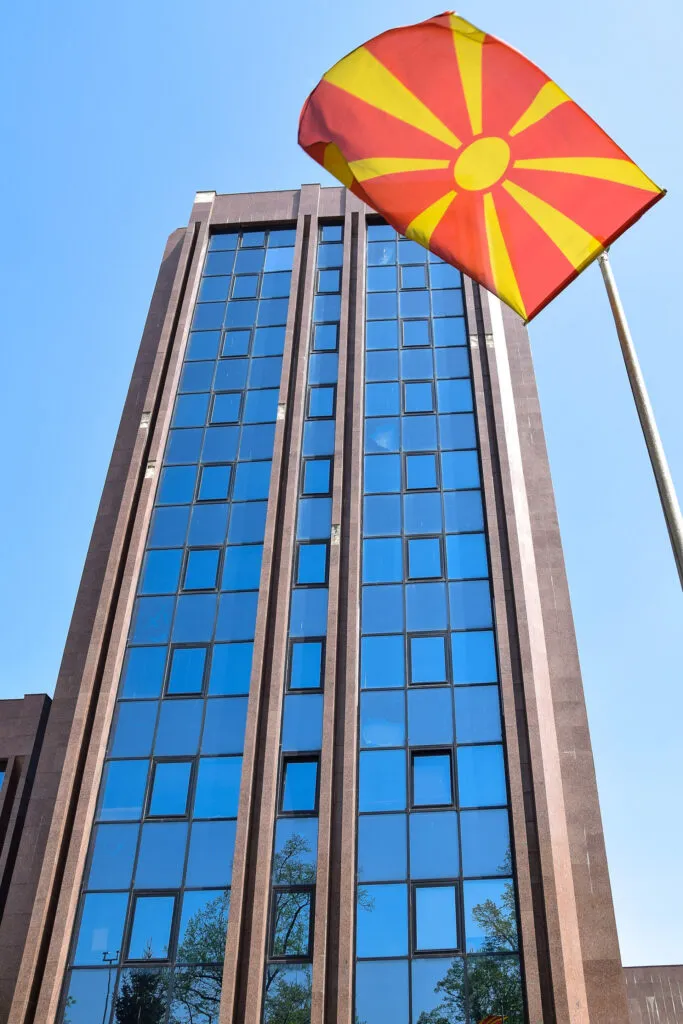
People are sitting in prison on the basis of verdicts that no longer exist, because the written reasoning has not...

The government says the celebration cost citizens nothing from the budget. But the chairman of the committee that assessed the...
The government tasked the Lottery on 28 April, two days later a call went out with a five-day deadline, and...
The opposition estimates at least a million euros for David Guetta's set alone and up to five million in total....
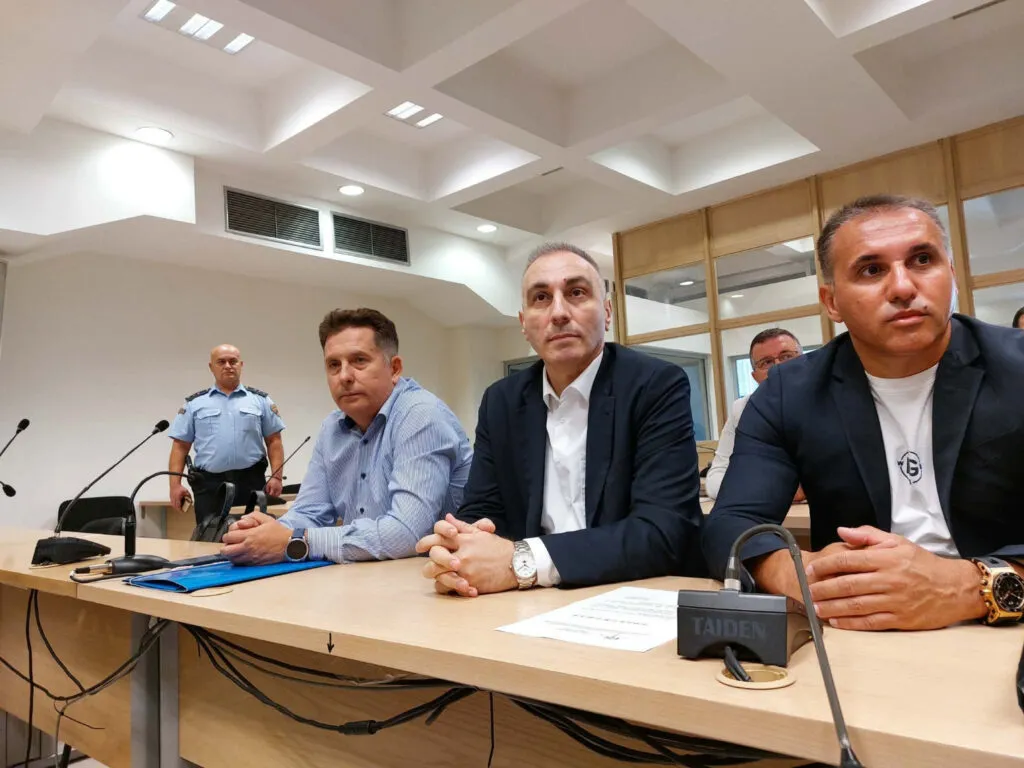
In court, Grubi said a short "No". The prosecution raised the damage by one and a half million euros -...
The opposition says around 250 children with disabilities started the year without an assistant. The ministry says a record 1,524...
This site uses cookies - is that okay? Learn more
Be the first to know when Metla launches something new
Leave your email and we will write when there is a new guide or something new on Metla.
