
Two Schoolyard Assaults Reported in a Single Day: the Police Promised Measures, the Education System Said Nothing
19.09.2026


19.09.2026
19.09.2026

19.09.2026

19.09.2026
19.09.2026
19.09.2026

19.09.2026

18.09.2026

17.09.2026

19.09.2026

19.09.2026
18.09.2026

19.09.2026

19.09.2026

19.09.2026

19.09.2026

18.09.2026

17.09.2026

19.09.2026

19.09.2026

19.09.2026

19.09.2026

19.09.2026
18.09.2026

09.03.2026

27.02.2026

19.02.2026
19.09.2026
18.09.2026
17.09.2026

23.04.2026

23.04.2026

12.04.2026

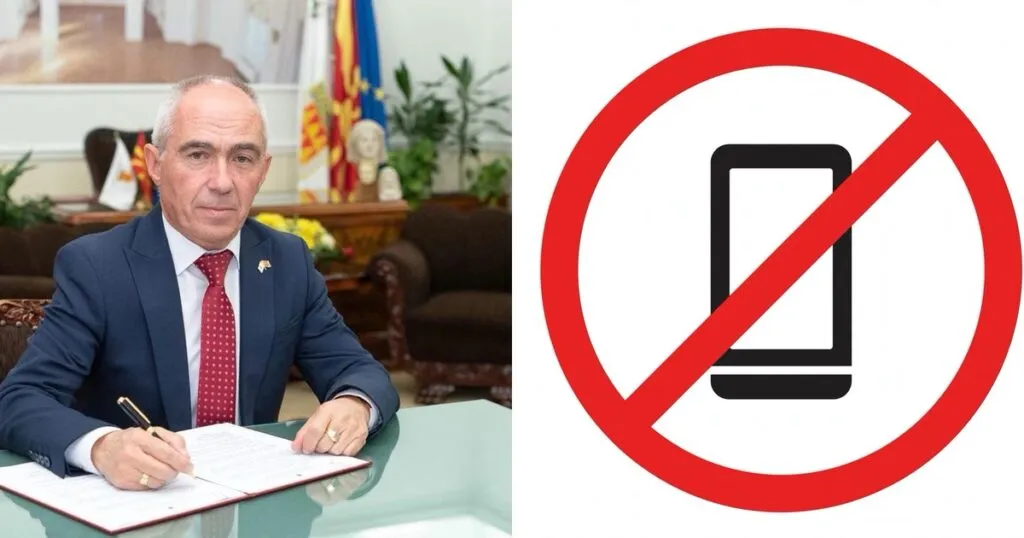
The council of the Bitola municipality has adopted mayor Toni Konjanovski's initiative to restrict phones in the municipality's primary and secondary schools during lessons. Not confiscated, not banned outright - switched off or on silent and left in a designated place, according to the rules and code of each school.
Exceptions are envisaged for pupils who need a phone for health or other justified reasons, and for urgent situations. Use is also allowed with a teacher's approval, when the phone serves educational purposes.
"If phone use during lessons is restricted, pupils would show far better results," Konjanovski says. He points out that although mobiles are part of modern daily life, using them uncontrolled at school can affect attention, concentration and achievement.
The municipality adopts, the state stays quiet
That is the most interesting part of this story, and nobody said it out loud. Whether a pupil can hold a phone during class is a question for the education system, not for local government. France regulated it nationally. So did the Netherlands. Here it is settled by one city's council, while every other pupil in the country is left with their own school's code of conduct - if that school has one.
The result is predictable: a pupil in Bitola will leave the phone in a box, a pupil in the neighbouring town may not. Same country, same curriculum, two different rules for the same lesson.
What the initiative does not solve
The wording "according to the rules and code of each school" returns responsibility to exactly where it already sat - with the individual school. The initiative sends the political signal, but enforcement stays with the teacher who will have to collect phones, and with the head who will answer if one goes missing or gets broken.
Without a clear rule on who keeps the device, where it is kept and who is liable for it, a well-meant decision easily ends up as another act that exists on paper and is applied according to inclination. Will anyone at the education ministry notice that one city is solving on its own something that should have been settled for everyone long ago?
The latest 10 news from this category
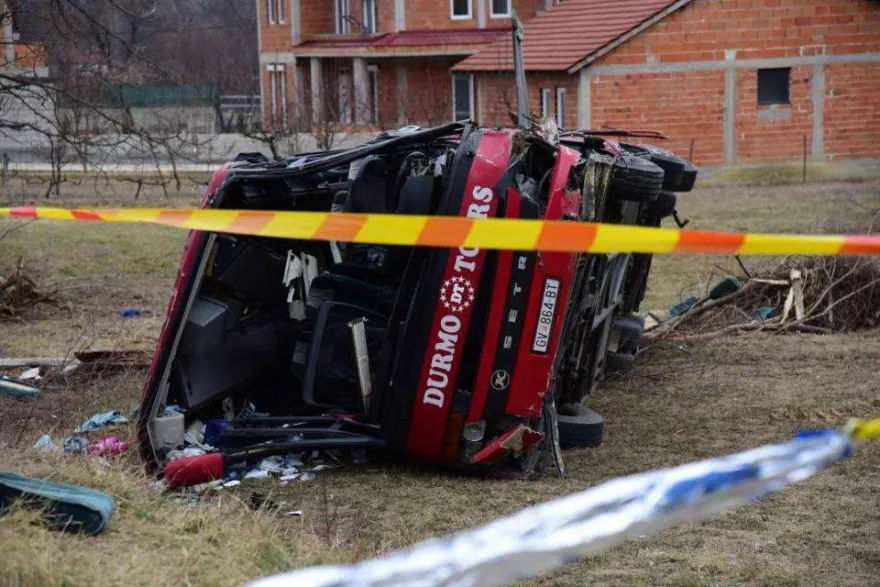
Sixteen dead, 53 years of prison handed down on appeal - and a highest court saying the chain of causation...

Осумнаесетто издание, цена 250 денари, концерти на стадионот. Градоначалникот го кажа тоа што ретко се кажува - стотици угостители живеат...
Полначите сè уште се градат, а првата испорака е за месец дена. Разликата меѓу четири проекта и еден систем е...
Изборен предмет што никој не е должен да го запише, повлечен додека министерството ги следи коментарите на мрежите. Едните бараат...
Вонредна акција во понеделник, откако иницијатива на граѓани објави фотографии од 17 септември. Кога мерката се вика вонредна, редовната некаде...

Rič, Popčevo, Belotino and Veljusa left without drinking water after an emergency inspection. The two findings travel together, and that...

The Balkan chamois is strictly protected under the Bern Convention. The hunting is legal because Mavrovo has been waiting more...

Three of the four sensors were not working, the cables were worn beyond the safety minimum. A state inspection last...
Stefkovski is introducing this after Mucunski. The Constitution applies to the whole country, yet the rule is being made municipality...
If the full deadline is used, the document arrives in autumn 2027. Realistically, the first paid parking space is not...
This site uses cookies - is that okay? Learn more
Be the first to know when Metla launches something new
Leave your email and we will write when there is a new guide or something new on Metla.
