

Two Schoolyard Assaults Reported in a Single Day: the Police Promised Measures, the Education System Said Nothing
19.09.2026


19.09.2026
19.09.2026
19.09.2026

19.09.2026

19.09.2026
19.09.2026
19.09.2026
18.09.2026

17.09.2026

19.09.2026

19.09.2026

18.09.2026

19.09.2026

19.09.2026

19.09.2026

19.09.2026

18.09.2026

17.09.2026

19.09.2026

19.09.2026
19.09.2026
19.09.2026

19.09.2026
18.09.2026

09.03.2026

27.02.2026

19.02.2026
19.09.2026

18.09.2026
17.09.2026

23.04.2026

23.04.2026

12.04.2026

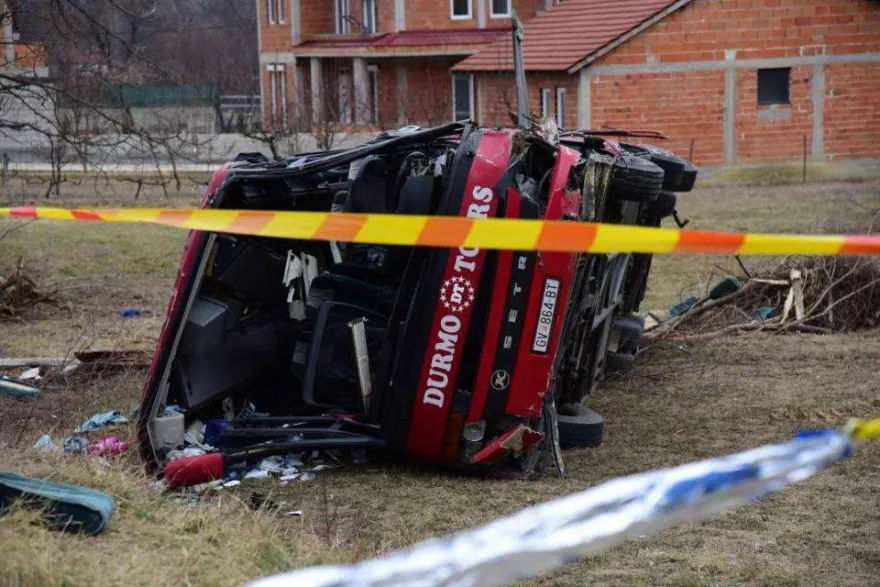
Seven years after the Laskarci tragedy, the case returns to where it has already been. The Supreme Court has quashed the appellate ruling and sent the case back for fresh consideration, with reasoning that is not remotely diplomatic: the courts failed to explain how, exactly, each of the defendants contributed to the deaths of 16 people.
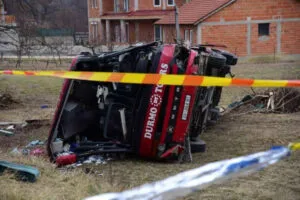
The "Durmo Turs" bus overturned on 13 February 2019 near the village of Laskarci. Sixteen passengers died, more than thirty were injured. The first-instance verdict in January 2025 imposed a total of 39 years in prison on six defendants. In April of the same year, the appellate court raised the sentences to a combined 53 years. The Supreme Court now says that increase was made without adequate reasoning.
What the Supreme Court found
According to the decision, the appellate court did not address all the key grounds of appeal and gave no concrete explanation of how the convicted men's actions were linked to the crash, or by which evidence their criminal liability was established - even as it nearly doubled the sentences.
The Supreme Court notes that the appellate court gave insufficient weight to submissions about the conduct of the proceedings, including a request by the convicted M.T. for a new expert assessment of his medical condition.
The remark aimed at the first-instance court is sharper still: it used a largely descriptive approach, mostly reproducing extracts from the evidence instead of explaining why those facts lead to a finding of guilt. The appellate court, rather than curing those defects, offered only general answers to fundamental questions of criminal liability.
The mechanical fault nobody measured
Expert reports established both driver error and a mechanical fault in the bus. That is the central knot of the entire case, and it is precisely the one left untied. "The court did not establish to what extent such a fault affected the crash, nor how it contributed to causing the traffic incident," the decision states.
The reports show no braking marks. The Supreme Court says that too required a clearer explanation when establishing the chain of causation.
Who is serving the sentences while the case bounces back
Driver Manojil Trifunovski was sentenced to 14 years. The owner of "Durmo Turs", Durmish Beluli, to 10 years. Fleet manager Remzi Miftari is a fugitive.
Seven years after the crash, the families of the 16 dead have no final verdict. They have court decisions that cancel one another out, and a highest court saying the basic question - who did what, and what did it lead to - has still not been answered. That is not a remark about form. It is an admission that after seven years the case still does not hold up.
The case now goes back to the appellate court, with instructions to examine all submissions thoroughly. Meanwhile one of the convicted men is out of reach, and the statute of limitations clock does not stop because we find it uncomfortable.
The latest 10 news from this category

The council adopted Konjanovski's initiative. The result: a pupil in Bitola leaves the phone behind, a pupil in the next...
Осумнаесетто издание, цена 250 денари, концерти на стадионот. Градоначалникот го кажа тоа што ретко се кажува - стотици угостители живеат...
Полначите сè уште се градат, а првата испорака е за месец дена. Разликата меѓу четири проекта и еден систем е...

Изборен предмет што никој не е должен да го запише, повлечен додека министерството ги следи коментарите на мрежите. Едните бараат...
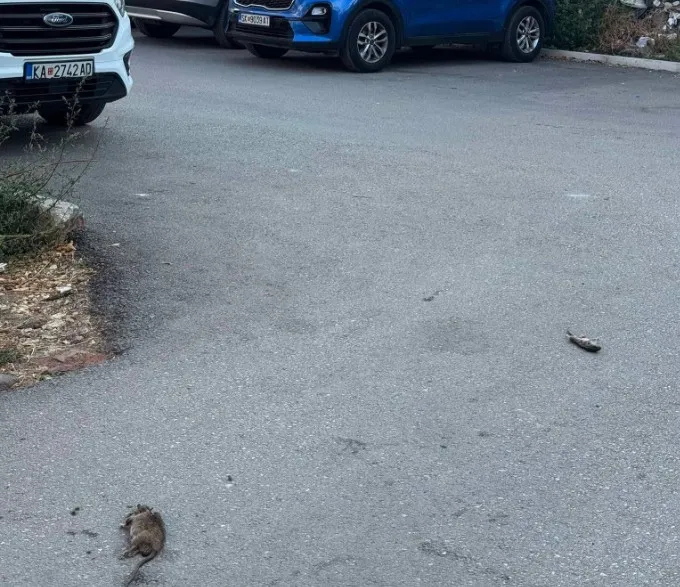
Вонредна акција во понеделник, откако иницијатива на граѓани објави фотографии од 17 септември. Кога мерката се вика вонредна, редовната некаде...

Rič, Popčevo, Belotino and Veljusa left without drinking water after an emergency inspection. The two findings travel together, and that...
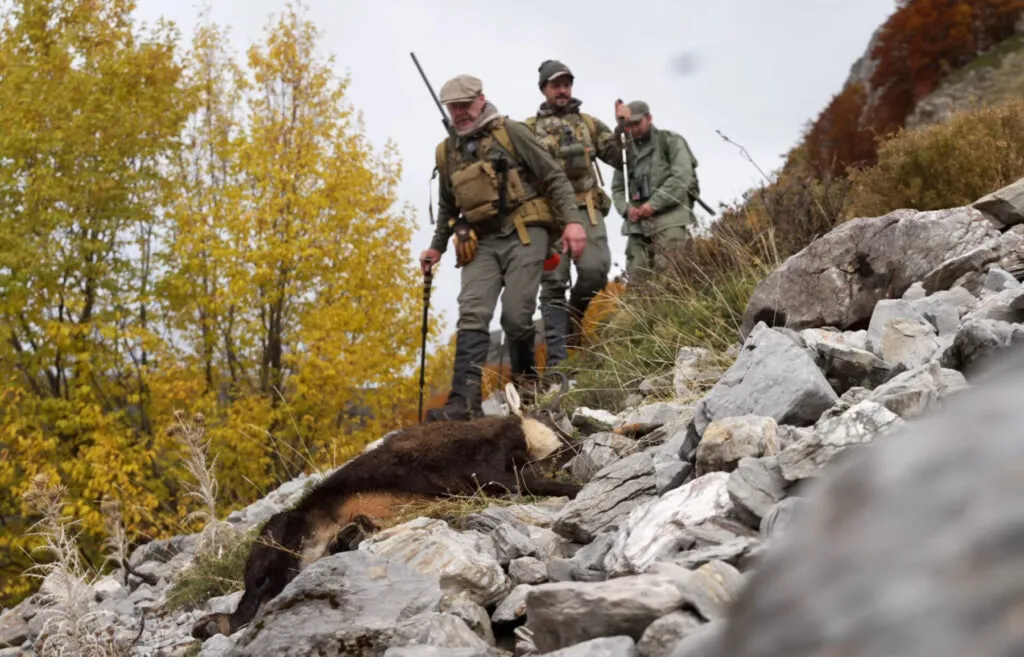
The Balkan chamois is strictly protected under the Bern Convention. The hunting is legal because Mavrovo has been waiting more...
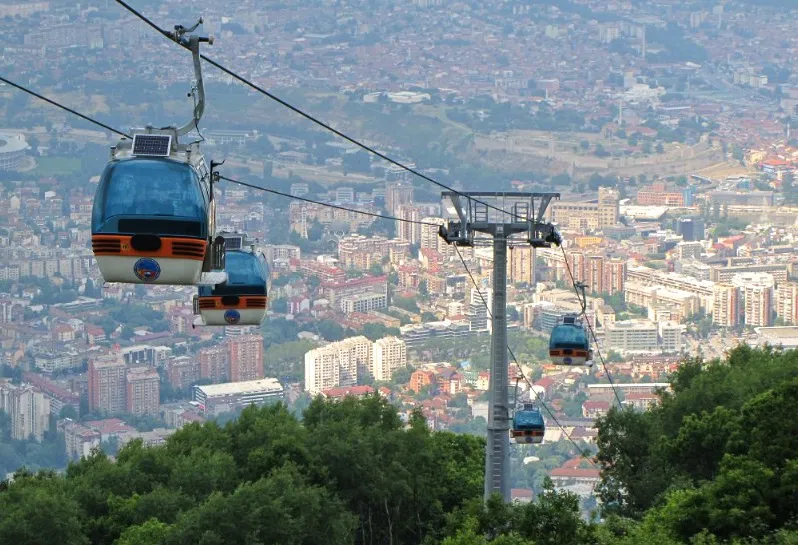
Three of the four sensors were not working, the cables were worn beyond the safety minimum. A state inspection last...
Stefkovski is introducing this after Mucunski. The Constitution applies to the whole country, yet the rule is being made municipality...
If the full deadline is used, the document arrives in autumn 2027. Realistically, the first paid parking space is not...
This site uses cookies - is that okay? Learn more
Be the first to know when Metla launches something new
Leave your email and we will write when there is a new guide or something new on Metla.
