


Studeničani: 35-year-old dies after being electrocuted while washing his car with a pressure washer
18.09.2026


18.09.2026

18.09.2026

18.09.2026

18.09.2026
18.09.2026
18.09.2026
18.09.2026
17.09.2026
16.09.2026

18.09.2026

18.09.2026

17.09.2026

18.09.2026
18.09.2026

18.09.2026
18.09.2026
17.09.2026

16.09.2026

18.09.2026

18.09.2026

18.09.2026

18.09.2026

17.09.2026

17.09.2026

09.03.2026

27.02.2026

19.02.2026

18.09.2026
17.09.2026

16.09.2026

23.04.2026

23.04.2026

12.04.2026

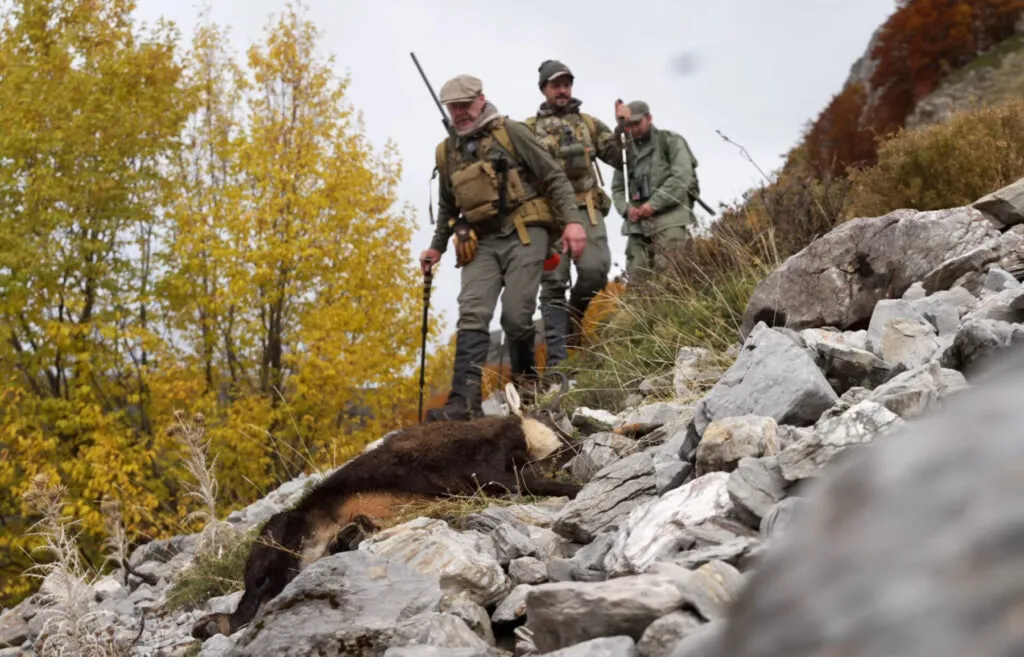
Foreign hunters shoot Balkan chamois on the rocks above Mavrovo and then, as a ritual, drink the blood of the animal they killed. The footage has been posted on hunting channels on social media. Part of the material also shows a vehicle bearing National Park markings.
Packages on the European market run from three to six thousand euros per chamois shot, depending on the trophy value of the horns. That is not a black-market figure - it is the price of a product sold openly.
A protected species, a legal permit
The Macedonian Ecological Society points out that the Balkan chamois is a strictly protected species under the Bern Convention and under the European Union's Habitats Directive. Their field monitoring shows the Mavrovo population is under constant pressure.
And yet the hunting is legal. The park's director, Haris Ibraimi, explains that the culling is part of a Breeding Measures Programme approved by the Ministry of Environment and the Ministry of Agriculture, through which the health of the wildlife is monitored. The hunting is done by hunting associations that register with the park, accompanied by a ranger.
Those funds, the park says, pay for routine maintenance and the salaries of the ranger service. So the park pays its rangers out of the sale of the animals those rangers are supposed to be guarding.
A legal vacuum fifteen years long
The 2004 Nature Protection Act required every protected area to be re-designated by 2010. Mavrovo is the only national park in the country still not re-designated by law; it has no Management Plan and no Forest Habitats Programme.
The first Revalorisation Study was produced between 2011 and 2013. A law was drafted in 2015, the text was published on the ENER portal - and was then withdrawn by the government with no explanation.
A new Study, partly funded from the state budget, was completed in December 2023. Under it, more than half the park's area would become a zone of strict protection and active management - an increase of over 20 percent in the most strictly protected sections compared with the 2012 document. New outer boundaries were also established, expanding the park by more than 1,000 hectares.
The Study was accepted and endorsed by experts, local authorities and residents. The park's current management does not accept it. So the process is stuck.
What is inside
Research carried out for the Study in 2023 confirmed the presence of 14 Balkan lynx - a species numbering around fifty individuals in total and among the closest to extinction. There are also 130 bears, a stable wolf population, one of the largest populations of the scarce copper butterfly, and the largest natural population of wild chestnut with a great many century-old trees. Forest cover has grown from 30,600 to 36,200 hectares.
Letters with no reply
"Twenty civil society organisations sent a letter to the government and the ministry calling for the re-designation procedure for Mavrovo National Park to resume urgently, but so far we have had no response at all," says Ana Čolović-Lešoska of Eko-svest.
Marko Gučeski, a lawyer at the same organisation, explains the mechanism: "There has to be a National Park Act, because the management plan and programme for the national park have to flow from it."
The issue is being tracked internationally as well. Under the Bern Convention, protection of Mavrovo has been monitored since 2013, and in 2025 a specific recommendation was sent to the Macedonian authorities to halt hydropower development and re-designate the park urgently. Since last year there has been no communication between the Convention Secretariat and the Ministry of Environment.
The Bern Convention also asked for the small hydropower plants in Mavrovo to be abandoned. The concession for the Ribnička plant has not been terminated - the procedure is still running.
The demand
Conservationists want the government to stop chamois hunting tourism in the park until a strict protection regime is in place, and to declare a moratorium on activities that do not serve nature protection.
Until then, every month that passes without a law means a few more legal permits, a few thousand more euros in the park's budget, and a few more videos in which Macedonian nature is presented to the world as an offer.
The latest 10 news from this category

Rič, Popčevo, Belotino and Veljusa left without drinking water after an emergency inspection. The two findings travel together, and that...
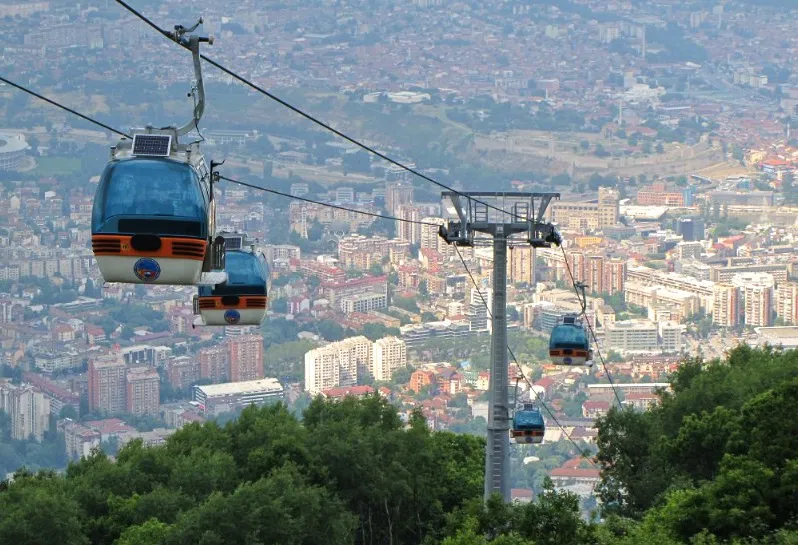
Three of the four sensors were not working, the cables were worn beyond the safety minimum. A state inspection last...
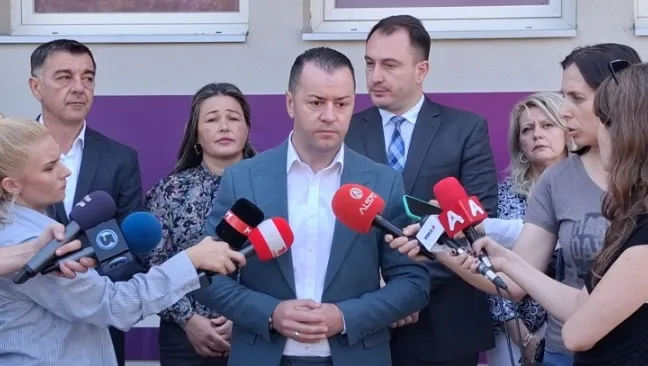
Stefkovski is introducing this after Mucunski. The Constitution applies to the whole country, yet the rule is being made municipality...
If the full deadline is used, the document arrives in autumn 2027. Realistically, the first paid parking space is not...
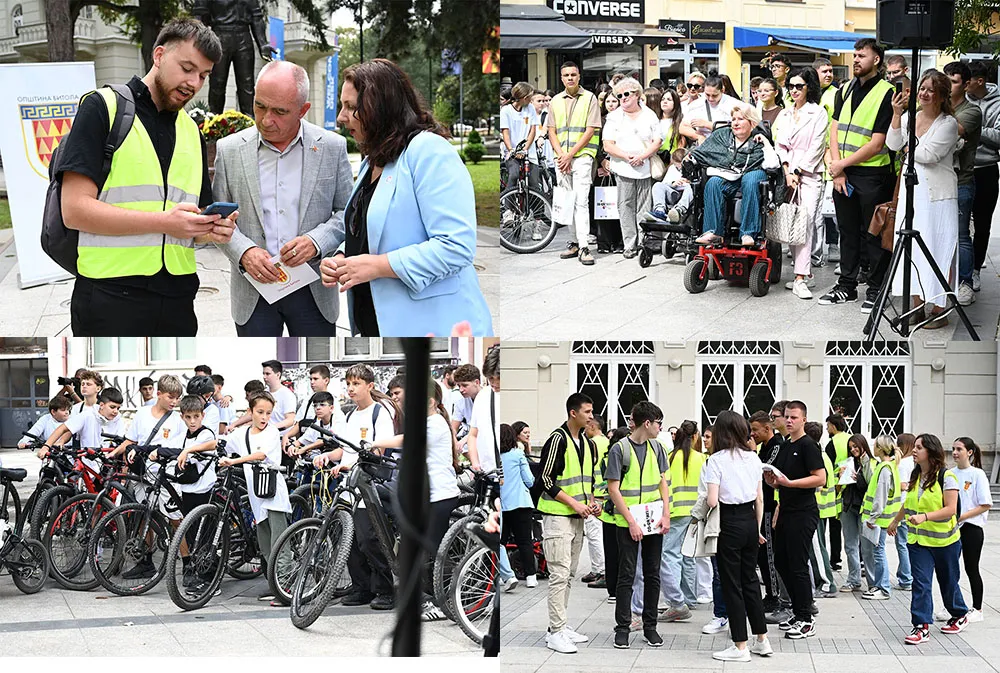
European Mobility Week ended with data carrying an exact location, not with a survey. The map will later show how...
The municipality says a third less construction than the old plan. Measured against what stands on the slope today, it...
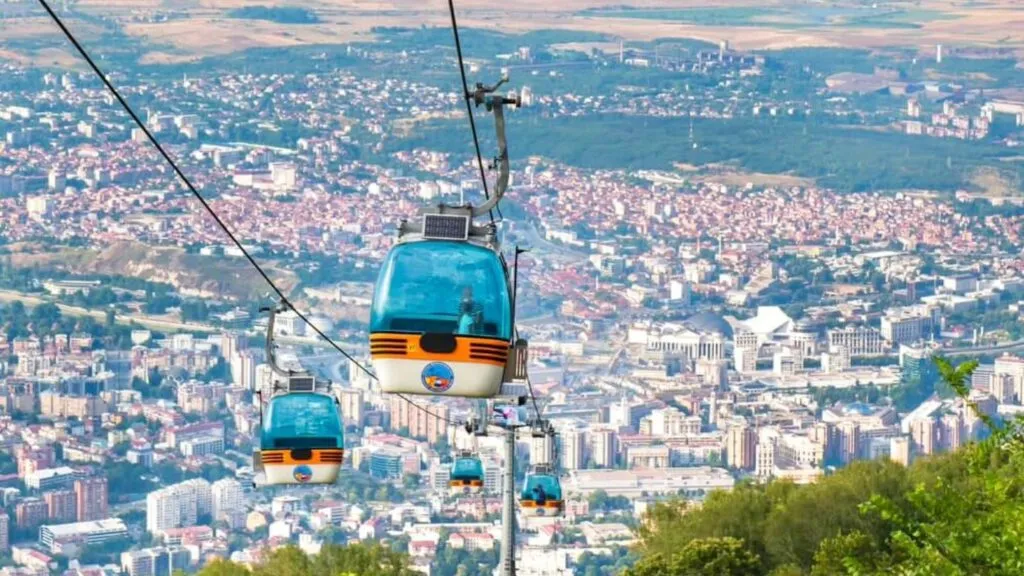
The mayor says the cable car was one step away from tragedy. The manufacturer's report found worn-out parts and dead...
One ticket for both train and bus by the middle of next year, 40 new eco-friendly buses, waits under six...
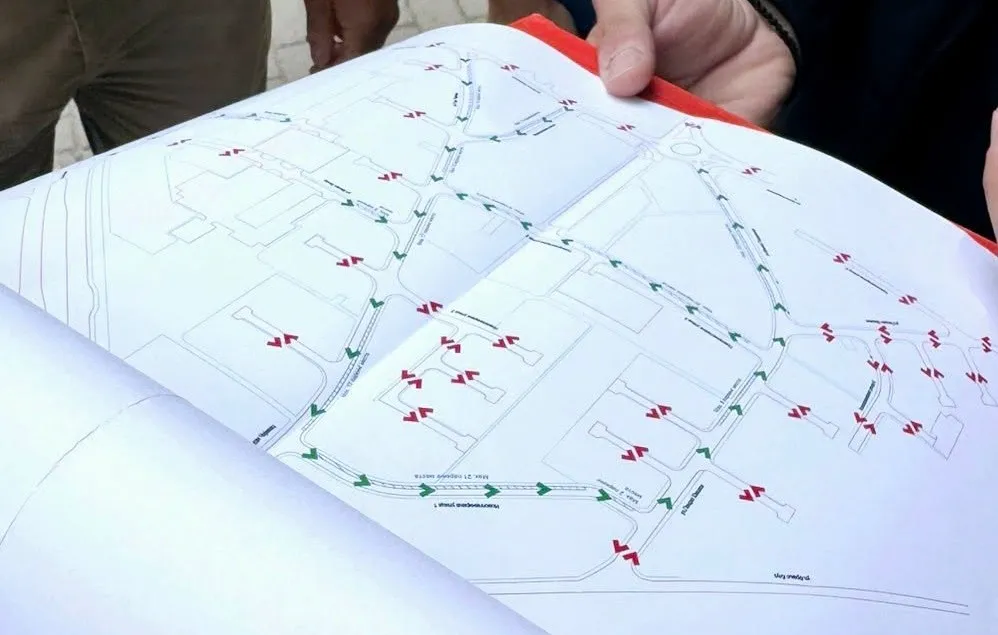
Two streets go one-way, cycle lanes appear and the speed limit drops to 30 km/h. The question nobody answered is...
The same system ran for six months and was scrapped over losses. The question facing every councillor is simple -...
This site uses cookies - is that okay? Learn more
Be the first to know when Metla launches something new
Leave your email and we will write when there is a new guide or something new on Metla.
