
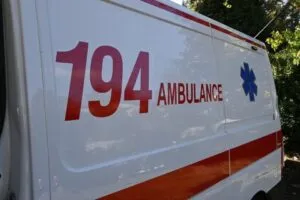
Studeničani: 35-year-old dies after being electrocuted while washing his car with a pressure washer
18.09.2026


18.09.2026
18.09.2026

18.09.2026

18.09.2026

18.09.2026
18.09.2026
18.09.2026

17.09.2026
16.09.2026
18.09.2026

18.09.2026

17.09.2026

18.09.2026

18.09.2026

18.09.2026
18.09.2026
17.09.2026

16.09.2026
18.09.2026

18.09.2026
18.09.2026

18.09.2026

17.09.2026

17.09.2026

09.03.2026

27.02.2026

19.02.2026

18.09.2026
17.09.2026
16.09.2026

23.04.2026

23.04.2026

12.04.2026

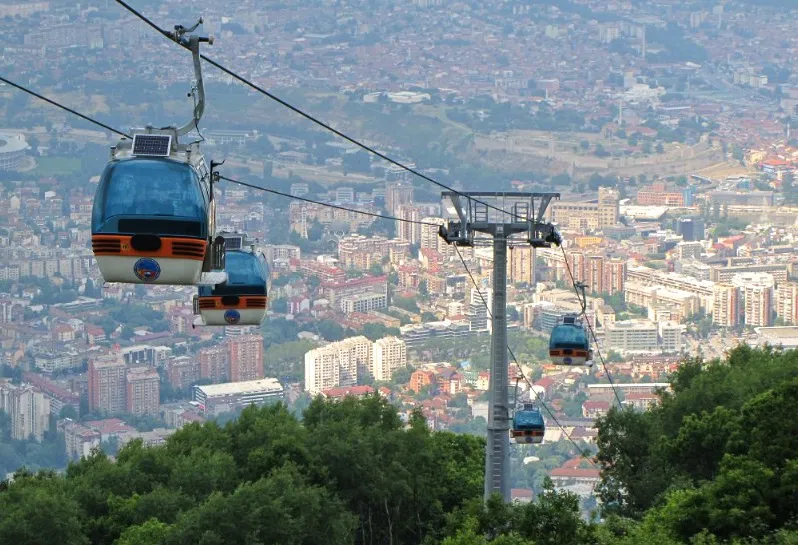
Three of the four cabin movement sensors on the Skopje cable car were not working while it was carrying passengers every day. The carrying and hauling cables were worn beyond the permitted safety minimum.
This was established by the Austrian company Doppelmayr - the same one that built the cable car - during a technical inspection. According to Skopje mayor Orce Gjorgjievski, their experts demanded the facility stop operating immediately after the inspection.
"At a meeting right after the checks they told me something that was staggering to me - you should have stopped the cable car running immediately," Gjorgjievski said.
Eight months earlier, the same cable car was fine
Here is the part that needs explaining. Last August an inspection was carried out by the public transport company and the Transport Ministry. Their conclusion was that there were no technical irregularities. The cable car kept running until 25 April this year.
Between that inspection and Doppelmayr's findings, there is nothing that changes the answer. Cables do not wear out overnight, sensors do not all fail at once. So either the two inspections were not measuring the same thing, or one of them was not measuring at all.
There is no third option. And until that gap is explained, everyone who rode the cable car during those months has the right to ask what exactly was checked in August.
Fifteen years without a major service
The cable car from Middle Vodno to the Millennium Cross has been in use since 3 June 2011. Construction cost around 6.7 million euros. The system has 28 cabins with a capacity of eight passengers, plus two VIP cabins.
According to the city authorities, in the past 15 years there has been no full service carried out by the manufacturer - only minor interventions. The figures circulating over the years vary: in 2023 people spoke of five years without a service, a representative of the mayor's office mentioned eight at a City Council session. The current claim is that no major service has been done at all since it opened.
Alongside the faulty sensors, worn parts causing friction as the cabins moved were also found. Back in May, Gjorgjievski warned that continuing to operate without repairs could create a risk to passenger safety.
From 350 thousand to 730 thousand euros
In June, a city budget revision initially allocated around 350,000 euros for repairs. The funds were later increased to 45 million denars, roughly 730,000 euros - double the amount.
Some councillors objected that before voting on the extra money they had not received a detailed technical report on the faults found and the works to be carried out. They voted for a sum, with no document explaining it.
The public transport company initially announced a shutdown of just two days for expanded technical checks. The cable car stayed closed all summer, because the contractor selection procedure dragged on.
Who is accountable
The City of Skopje says it has requested a bid from a firm to assess what a full fault diagnosis and return to service will cost.
"Serious deficiencies have been established, caused by the fact that the necessary major services and regular maintenance were not carried out for years. These are not small or routine interventions, but a serious and extensive service that was evidently neglected for almost a decade," the City said.
On responsibility, the answer is that the investigative bodies should look into the case and act in accordance with the law. In other words - somebody else.
Accusations along party lines are already flowing in both directions, a predictable outcome when the question spans a decade and the mandates run four years. SDSM claims the failures are the result of a chain starting with the prime minister and ending with mayors from his party. VMRO-DPMNE responds that the opposition held central power for seven years and city power for eight.
Both sides are right about the period they attribute to the other. That is precisely the point: the cable car was not serviced under anyone.
Spare parts and an operational team from Doppelmayr are due in Skopje in the coming days. After the repairs the company is to carry out a final check, issue a certificate of compliance and provide guarantees. Gjorgjievski announced that before it reopens he will ride the cable car himself, together with the transport company's director and the staff.
The symbolism is clean. The certificate is the thing that counts.
The latest 10 news from this category

Rič, Popčevo, Belotino and Veljusa left without drinking water after an emergency inspection. The two findings travel together, and that...

The Balkan chamois is strictly protected under the Bern Convention. The hunting is legal because Mavrovo has been waiting more...
Stefkovski is introducing this after Mucunski. The Constitution applies to the whole country, yet the rule is being made municipality...
If the full deadline is used, the document arrives in autumn 2027. Realistically, the first paid parking space is not...
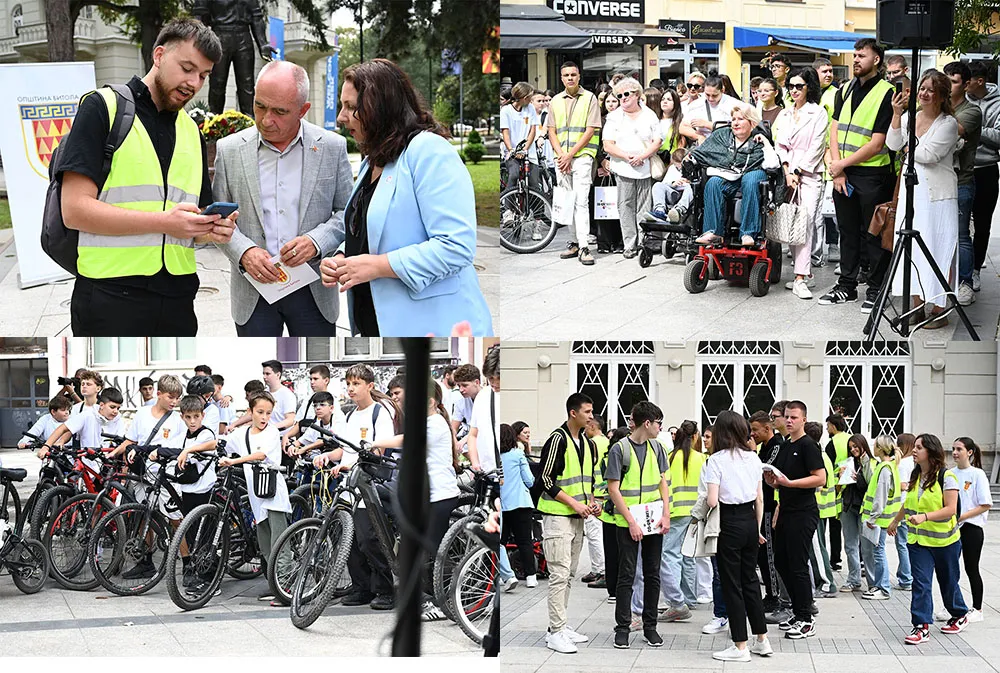
European Mobility Week ended with data carrying an exact location, not with a survey. The map will later show how...
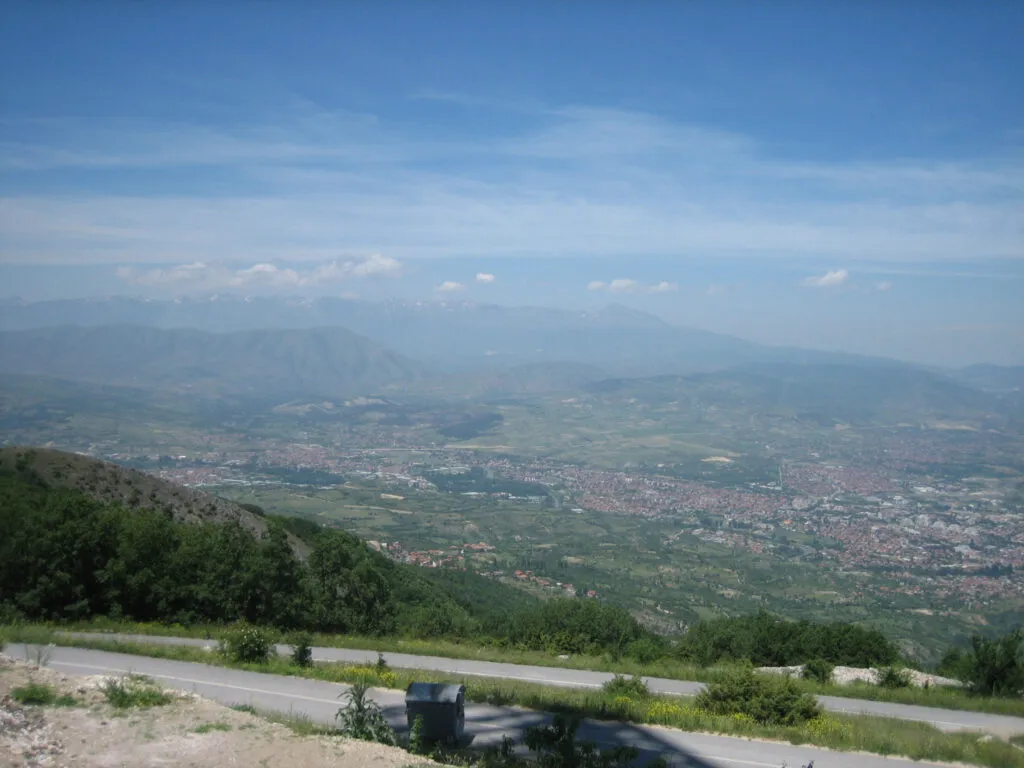
The municipality says a third less construction than the old plan. Measured against what stands on the slope today, it...
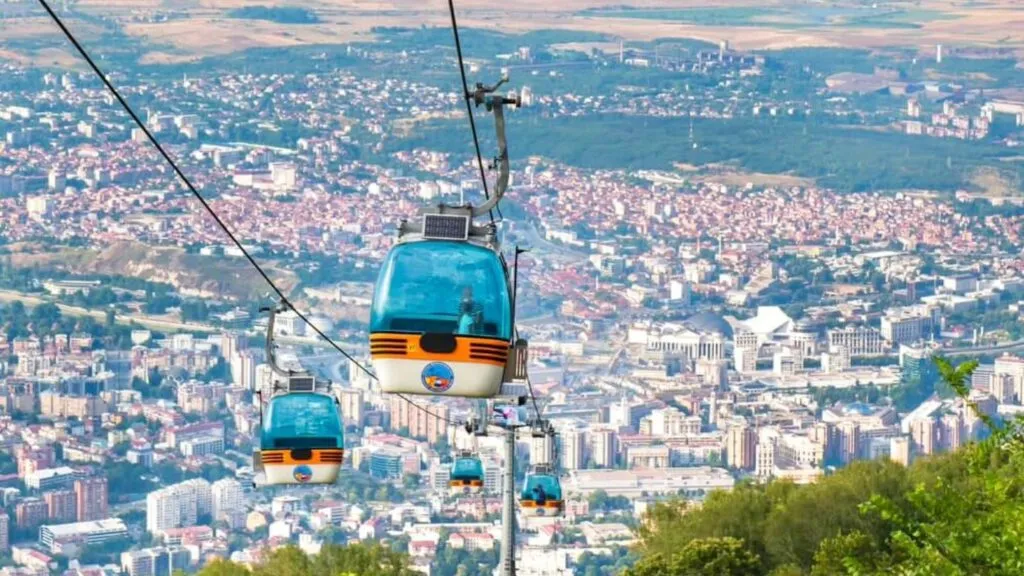
The mayor says the cable car was one step away from tragedy. The manufacturer's report found worn-out parts and dead...
One ticket for both train and bus by the middle of next year, 40 new eco-friendly buses, waits under six...
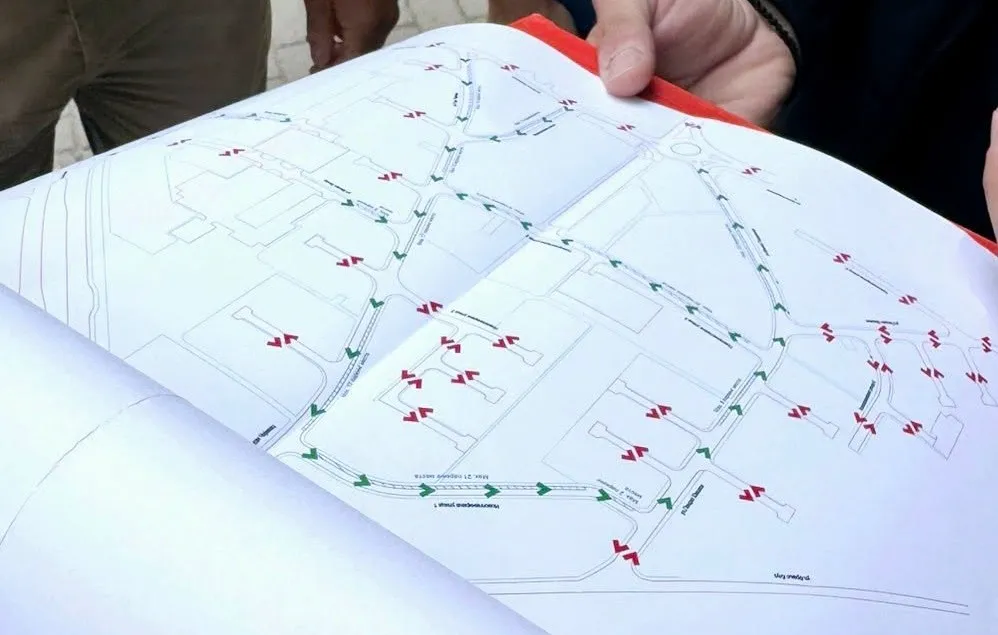
Two streets go one-way, cycle lanes appear and the speed limit drops to 30 km/h. The question nobody answered is...
The same system ran for six months and was scrapped over losses. The question facing every councillor is simple -...
This site uses cookies - is that okay? Learn more
Be the first to know when Metla launches something new
Leave your email and we will write when there is a new guide or something new on Metla.
