


Two Schoolyard Assaults Reported in a Single Day: the Police Promised Measures, the Education System Said Nothing
19.09.2026


19.09.2026

19.09.2026
19.09.2026

19.09.2026
19.09.2026

19.09.2026
19.09.2026

18.09.2026

17.09.2026

19.09.2026

19.09.2026

18.09.2026

19.09.2026

19.09.2026

19.09.2026

19.09.2026

18.09.2026

17.09.2026

19.09.2026

19.09.2026

19.09.2026
19.09.2026

19.09.2026
18.09.2026

09.03.2026

27.02.2026

19.02.2026

19.09.2026

18.09.2026

17.09.2026

23.04.2026

23.04.2026

12.04.2026

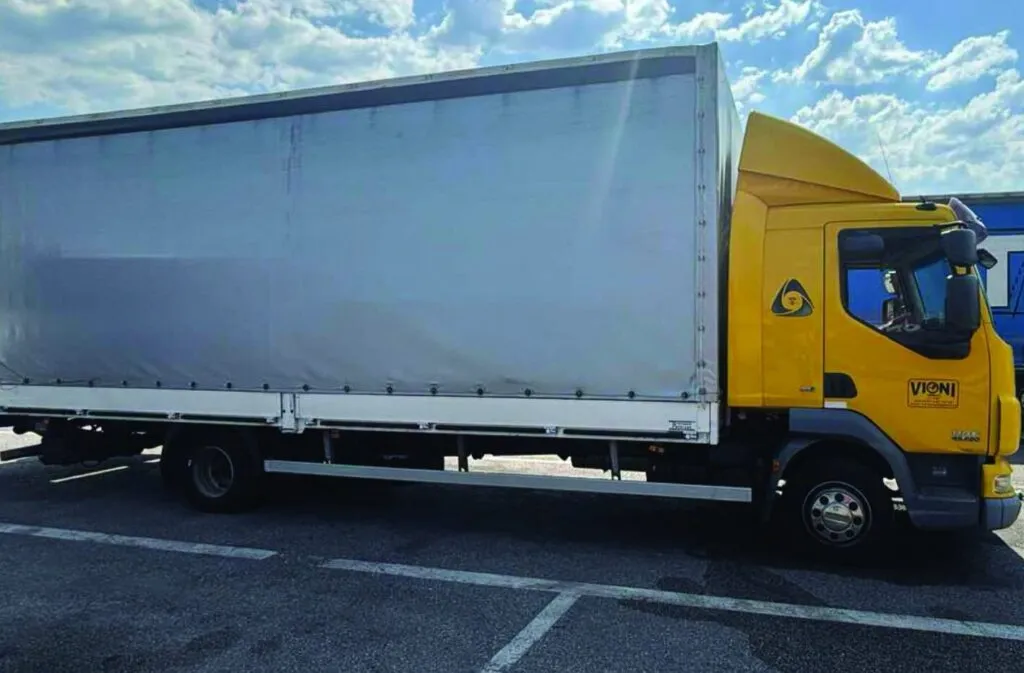
From 23 September, Croatia starts accepting applications for special long-term visas, valid for up to a year, for professional truck and bus drivers from Macedonia and the Western Balkans. It is the first concrete relief after months of uncertainty. And it does not solve the problem - it just moves it to the next border.
Schengen short-stay rules allow a third-country national to remain at most 90 days within any 180-day period. For a tourist that is more than enough. For a driver who enters, exits and transits five states every month, it is arithmetic that eats the profession alive.
Why the problem erupted right now
The problem existed before, but it was hidden behind different stamps in passports and different readings by border services. On 10 April the entry-exit system - EES - became fully operational, electronically recording every entry and exit by third-country nationals. Suddenly the stay was being measured systematically, not by a border officer's estimate.
Protests followed by drivers from Macedonia, Serbia, Bosnia and Herzegovina and Montenegro, demanding that the specific nature of their profession be taken into account. Hauliers from the region were preparing to block border crossings in September. A protest announced for 14 September was postponed after talks with Schengen representatives and after word that interim solutions were being accelerated.
A Croatian visa is not a European passport
Under European Commission rules, those holding a valid long-term visa or residence permit are not treated as ordinary visitors with regard to time spent in the country that issued the visa. That is what makes Croatia's move worth something.
But a Croatian national visa does not mean unlimited professional movement through Germany, Austria, Slovenia or France. The haulier who solves Croatia hits the same limit again on the next leg. Transport minister Aleksandar Nikoloski announced that Austria is next, with talks under way with Germany, Hungary and Slovenia. Three agreements have been concluded so far: Croatia, Romania and Switzerland.
Biljana Muratovska of the "Makam-trans" association said what every haulier in the country already knows: the 90/180 rule stays open and will be settled bilaterally, with each Schengen country separately.
Europe does not have 502,000 drivers
This is where the story stops being administrative and becomes economic. According to a 2025 study by the International Road Transport Union, Europe is short around 502,000 truck drivers - nearly 13 percent of the workforce it needs. By 2030, roughly 660,500 European drivers are expected to retire. Two thirds of the European hauliers surveyed have already had to turn down new contracts for lack of drivers.
A Macedonian driver with completed categories, professional training, certificates, experience with heavy vehicles and knowledge of tachographs, customs procedures and European corridors is not a beginner to a European firm. That is a finished professional. European analyses show that recruiting and training a professional driver from a third country can exceed 20,000 euros in some European markets.
So: we pay the time and the resources to produce the workforce, and the European market, with higher wages and empty positions, can pull it away relatively easily. The visa problem is not just a harder border. It is a fight for the domestic transport sector to survive.
Two positions, the same problem
Goran Gjorgjievski, president of the Union of Chambers of Commerce, said on 18 September that the situation is being watched closely and warned that unresolved problems could bring fresh pressure from hauliers and logistics companies.
From the Business Confederation comes a different emphasis. Mile Boshkov says existing regulations must be respected and that one option is for the transport sector to increase the number of licensed drivers, so it can operate better within the 90/180 limit.
Both positions show how heavy the problem is. Companies cannot ignore Schengen rules. But "hire more drivers" means more wages, training, licences and operating costs - at a moment when drivers themselves are the resource that is disappearing.
The risk nobody wants to say out loud
If a domestic transport company has to work with more paperwork, a costlier setup and a shortage of staff, while a company registered in the EU operates in a far more predictable system, economic logic starts pushing hauliers toward relocating to a member state. Some Macedonian hauliers are already warning publicly about that possibility, while also asking for domestic costs to come down - from faster VAT refunds to relief on fuel and per diems.
And when the company leaves, the driver follows without much thought. At that point the problem is no longer a transport problem. It is lost companies, lost jobs, lost tax revenue, lost transport capacity and lost domestic expertise.
From 23 September, Croatia is the first step. The real test is whether the same mechanism gets set up in the other countries Macedonian trucks pass through. The driver does not travel across Europe in order to stay there. He travels because without his movement, the goods do not move either.
The latest 10 news from this category

The State Statistical Office published the figure nobody wants to comment on: what the other 95 percent of companies in...
Бетонот стои недовршен од 2015 година. Шпанскиот грант ја плаќа подготовката - останатите 35 и пол милиони евра допрва треба...
Десетте минути бесплатен престој остануваат, повеќекратните влезови исто. Регулаторот побара појаснување - и мерката падна за неколку дена.
Скелети од деведесеттите се рехабилитираат со бетон од 2026 година. Кога ќе се каже дека Коридорот 8 оди бавно -...

Најголемиот извозник во светот го изгуби својот извозен пат кон Европа по напад со дронови. Полска трча по замена од...

Дарио Амодеи бараше независни оценувачи внатре во лабораториите за вештачка интелигенција. Изборот падна на најголемиот консултант на светот, а не...
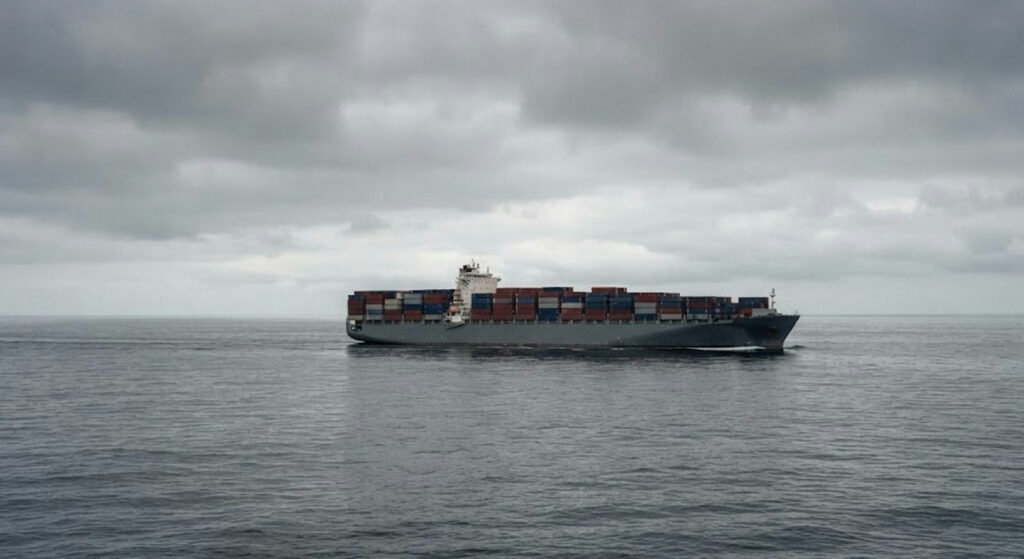
Аналитичарот побарал од алатката да спои тајни и јавни податоци - таа го помешала товарот на бродот. Потоа истата алатка...

Продадена за две милијарди, блокирана од државата, откупена назад од сопствените инвеститори - и сега вреди двојно повеќе. Вреднувањето не...

State Audit Office review: 95.36 percent of the sum was collected by force, through bailiffs. Idrizovo prison spent about a...

A smaller crop after frost, higher daily rates for pickers, two years of unpaid subsidies - and a price cut...
This site uses cookies - is that okay? Learn more
Be the first to know when Metla launches something new
Leave your email and we will write when there is a new guide or something new on Metla.
