


Studeničani: 35-year-old dies after being electrocuted while washing his car with a pressure washer
18.09.2026


18.09.2026

18.09.2026

18.09.2026

18.09.2026

18.09.2026

18.09.2026
18.09.2026

17.09.2026

16.09.2026

18.09.2026

18.09.2026
17.09.2026

18.09.2026

18.09.2026
18.09.2026
18.09.2026
17.09.2026
16.09.2026

18.09.2026

18.09.2026

18.09.2026

18.09.2026
17.09.2026

17.09.2026

09.03.2026

27.02.2026

19.02.2026
18.09.2026
17.09.2026
16.09.2026

23.04.2026

23.04.2026

12.04.2026

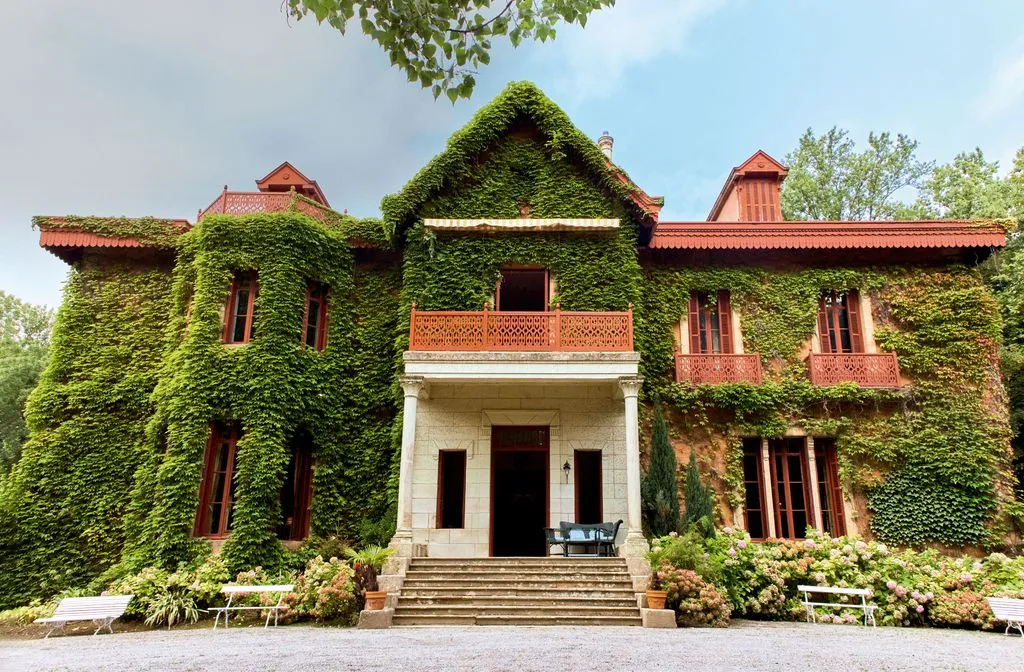
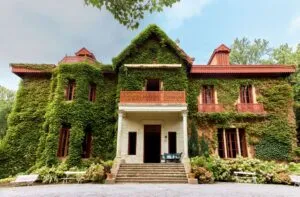
The Arbaisenea palace was built in 1881, eight hundred metres from La Concha beach in San Sebastian. Four floors, 480 square metres each, on an estate of twenty thousand square metres. It was raised by Carlos Martinez de Irujo y del Alcazar, the eighth Duke of Sotomayor. Today it is held by Cayetano Martinez de Irujo, who inherited it from his mother, the Duchess of Alba.
Now, before you jump on the numbers: this is not a story about what a palace costs. This is a story about what it means to inherit a house and decide not to touch it.
An English house on a Spanish coast
The style is Victorian, and not by accident - the whole of San Sebastian from that period was built with an eye on England. The facade is covered in ivy, the roof is brick-coloured, and the porch with its stone columns is the only part not hiding behind greenery. "Anyone who comes here feels a uniquely English atmosphere," the owner says of the dining room.
Marble, an arch and golden light at the entrance
The entrance hall is resolved with arches and marble, and with light falling from above that turns yellowish by the time it reaches the floor. That is the first effect in every house from that century - you do not walk straight into a room, but into a transitional zone that prepares you. Today we call such a space wasted floor area and we knock it down. Back then it was the whole point.
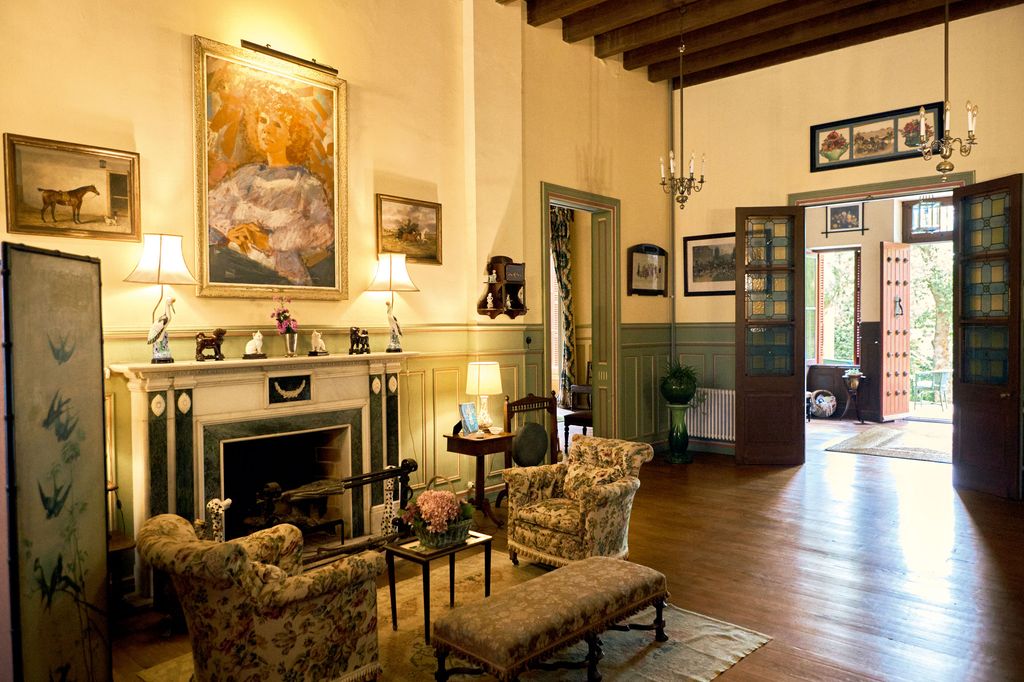
The drawing room: Flemish baroque next to a floral armchair
In the drawing room hang works that would hold their own in a museum - Peter Snayers, a Flemish painter of the seventeenth and eighteenth centuries, and Melchior d'Hondecoeter, known as "the Raphael of birds". Beneath them: armchairs upholstered in floral chintz, small side tables, porcelain figures on the mantelpiece. That is the combination you will not see in any catalogue - a museum canvas above furniture people actually sit on.
The stairwell as a gallery
The most interesting architectural decision in the whole house involves the dullest part of any building - the stairs. Instead of a transitional corridor, the box around the staircase has been turned into a gallery: portraits, oil on canvas, works by George Romney, Jose Antolinez, the school of Anthony van Dyck, Dirck Wijntrack. So the space you pass through most often during the day is the one given the most attention.
This is the only piece of advice in this whole story that also works in a fifty square metre flat: the wall along the stairs or the hallway is usually bare because nobody stops there. Which is exactly why it is worth putting something there.
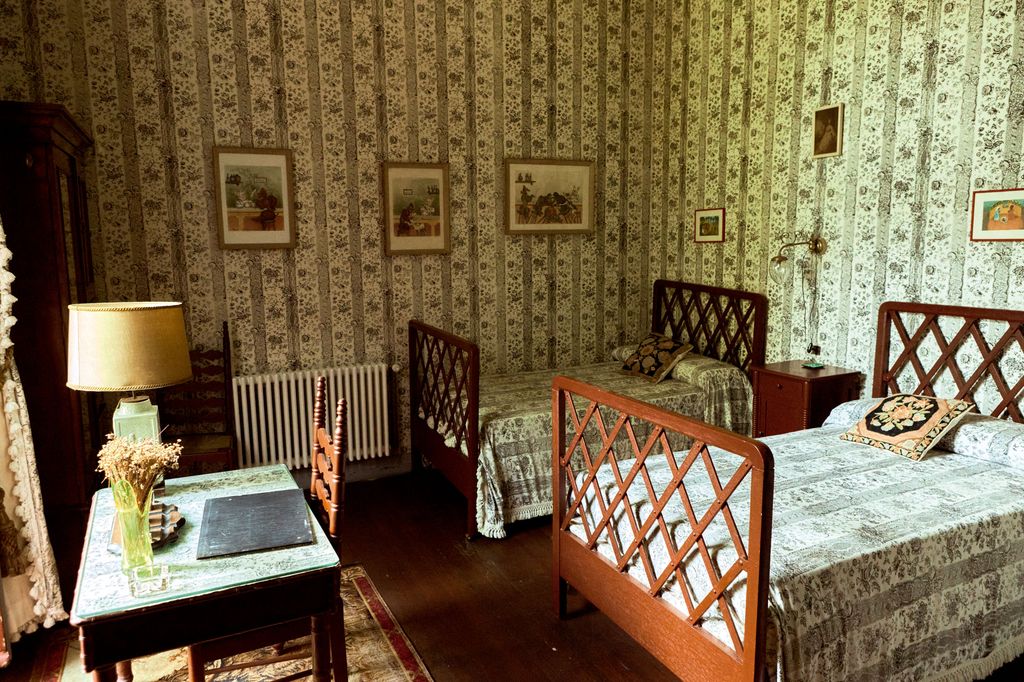
The bedrooms: floral wallpaper and nothing new
The bedrooms are built on texture rather than colour - botanical wallpaper, floral bedspreads, wooden bed frames, brass details. Eugenia Martinez de Irujo's room is the simplest in the house: two separate beds, a small writing table, a lamp with a shade. Not a single attempt at an effect.
This is the point at which most readers will say their grandmother's house looked like that, and they will be right. The only difference is whether that room is still like that, or was emptied long ago.
The chapel, and one sentence that explains the whole house
The estate has a private chapel. The owner says: "When my father fell ill, Fernando and I prayed in the chapel every day." That is the only sentence in the entire conversation that is not about furniture, and it is the reason nothing in this house has been changed.
Classic, not nostalgia
"I like the house as a whole: the harmony, the beauty... I am a classic," Cayetano says. And: "My intention is to preserve the family heritage and keep it with the essence of its history."
That sounds good, but it has a second side. A house that does not change is also a house that does not live with the people in it - it lives with the people who are no longer there. Of one portrait of his mother he says: "It is not the picture of her I like most, but she was fond of it." So he keeps it on the wall not because he loves it, but because she did. That is a perfectly legitimate reason, and it is the more accurate name for what he is doing: not decorating a home, but preserving somebody else's choices.
The question that remains for anyone who has inherited a house with old walls and old furniture is the same: what is inheritance, and what is a burden you are not allowed to throw away? In the Balkans such houses usually end one of two ways - either under new render and plastic windows, or locked up and left to fall down. The third option, the one where the house stays as it is and gets used every day, barely exists here.
The latest 10 news from this category

In the vast majority of flats the ceiling stays white because that is how it was found - not because...
It is not hoarding and it is not maximalism. Ten things that used to be hidden when guests came and...
A bespoke console, reupholstered armchairs and wallpaper hung like art. The most expensive thing in the flat is the decision...
For years the rule was everything neutral and everything from the same collection. The result is a living room that...
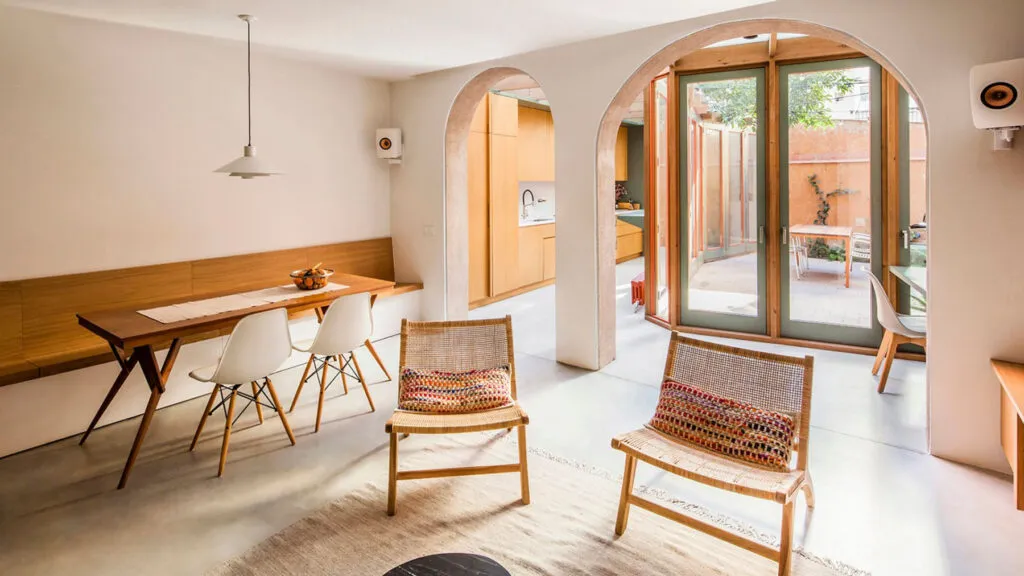
Two doors between the living room and the bedroom. That is the whole arithmetic, and that is what you lose...

Kitchen in its own room, living room separate, dining room a third, and corridors between them. The architect knocked down...
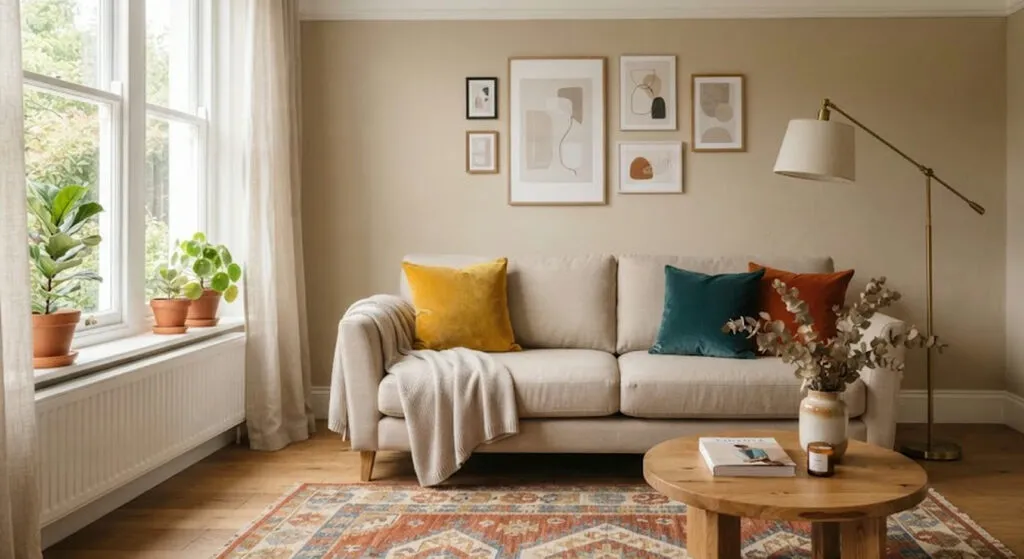
Interior designers have one formula to stop a home ending up either as a catalogue or as a storage unit....
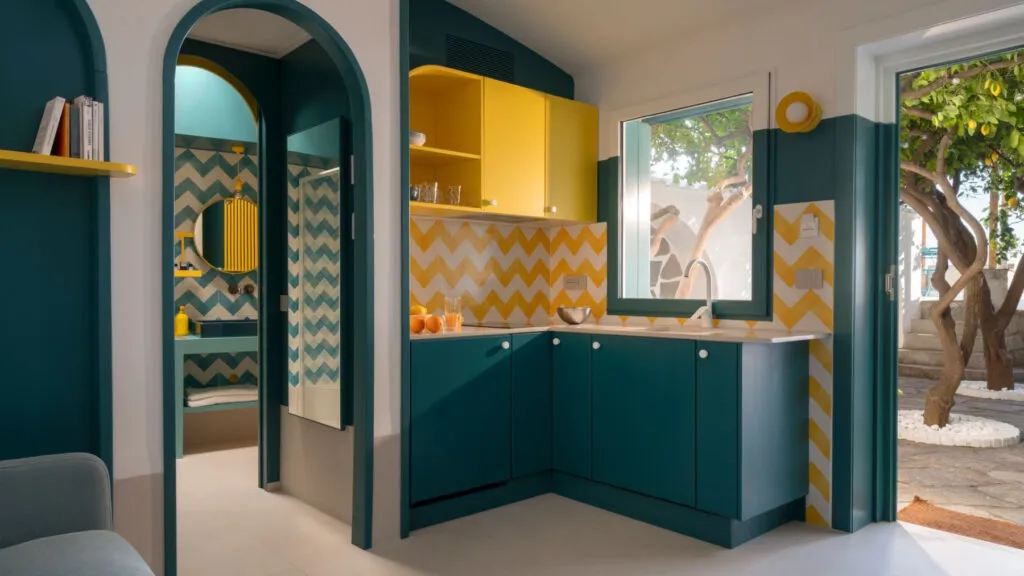
A forgotten flat in Posillipo, two colours taken from the fishing boats and the lemons outside, and furniture in which...
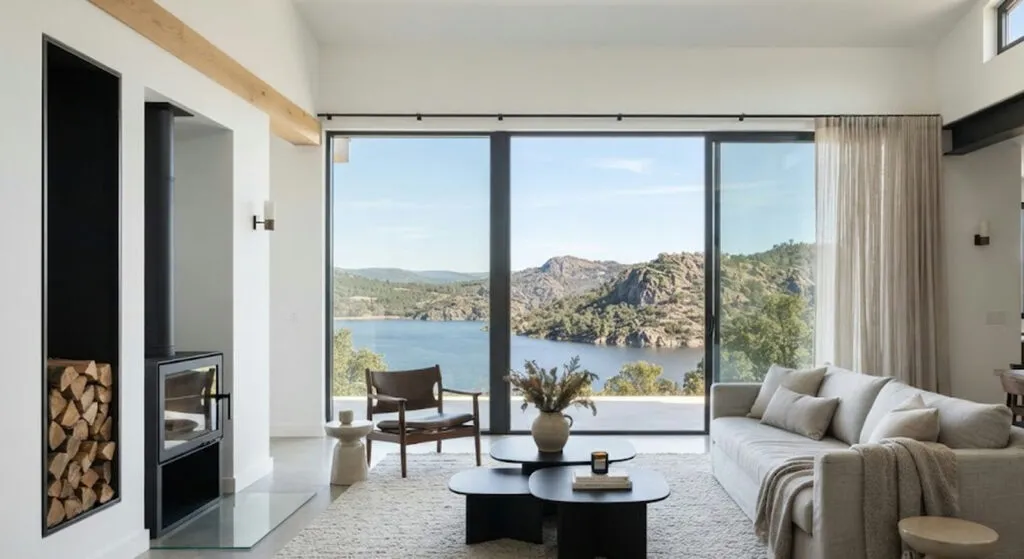
Three hundred square metres, four bedrooms and one decision that dictated every one after it: the view of the water.
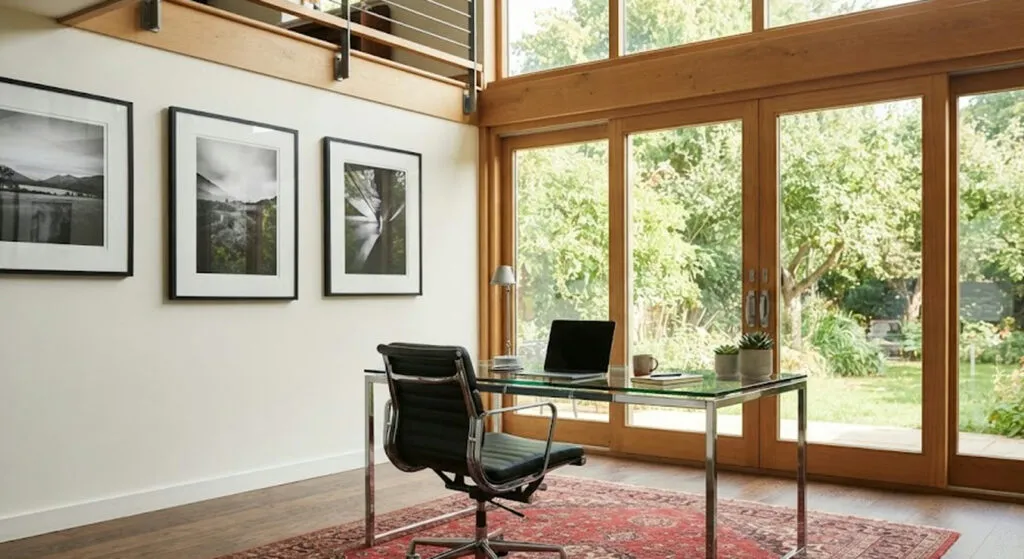
Double height, a Persian rug under the chrome and a bookshelf beneath the window. Three solutions at completely different prices,...
This site uses cookies - is that okay? Learn more
Be the first to know when Metla launches something new
Leave your email and we will write when there is a new guide or something new on Metla.
