Smugglers Dragged a Police Officer With Their Vehicle at Blace: the Second Car Is What Tells You This Wasn't an Accident
14.09.2026


14.09.2026
14.09.2026
14.09.2026
14.09.2026
13.09.2026

12.09.2026
14.09.2026
14.09.2026
13.09.2026

14.09.2026

14.09.2026

14.09.2026

14.09.2026
13.09.2026

12.09.2026

14.09.2026

14.09.2026

14.09.2026
14.09.2026

14.09.2026
13.09.2026

09.03.2026

27.02.2026

19.02.2026

23.04.2026

23.04.2026

12.04.2026

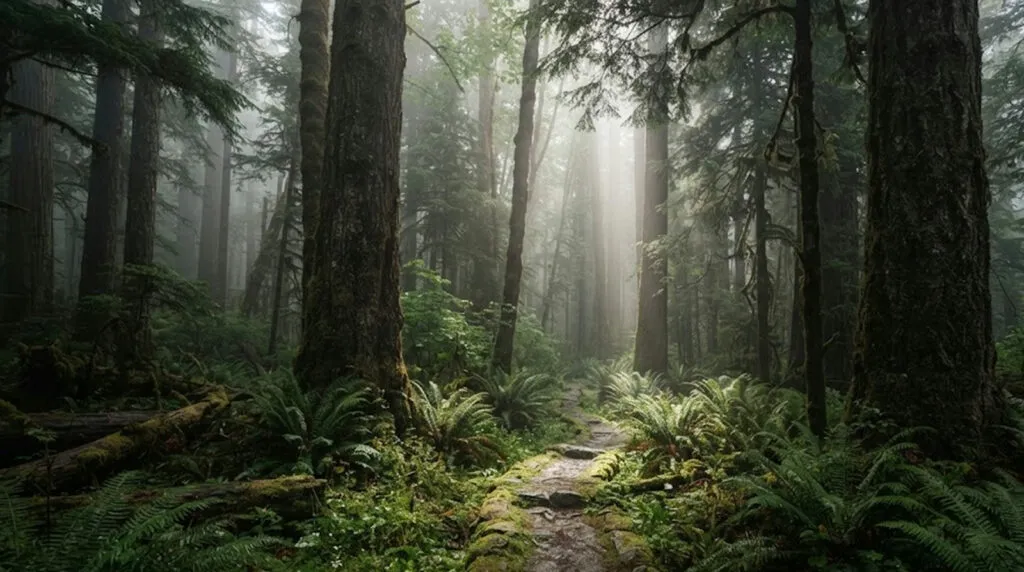
There is a forest in Portugal that has just been awarded a title only four places in the world hold: certified therapeutic forest. The first on the Iberian Peninsula. It is called Bussaco, lies about 25 kilometres from Coimbra, and you reach it via Luso, a small spa town with thermal water.
The title sounds like marketing. The numbers do not. One hundred and five hectares hold around 250 species of trees and shrubs, brought from every corner of the world: Himalayan firs, Australian acacias, Japanese camphor trees, Brazilian araucarias, all mixed in with native cork oak and holm oak. This is not a forest that grew on its own. It is a collection somebody planted over centuries.
The oldest specimens show that best. A eucalyptus brought from Tasmania was planted in 1876. The cedar of Bussaco is older still, dated to 1644, and today stands 26 metres tall. In this part of Europe few living things have such a long unbroken tenure in the same spot.
The human layer is just as dense. A Carmelite monastery founded in 1628, abandoned in 1834. Ten hermit cells, fountains, viewpoints and medieval gates. The Battle of Bussaco was fought right here in 1810. And above all of it, the Palace Hotel of Bussaco, built between 1888 and 1907 in Neo-Manueline style to a design by Luigi Manini, which from a distance looks more like a stage set than a building. The whole site is protected as a national monument.
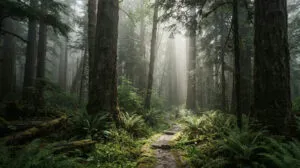
If you go, the route has been drawn for you over centuries. Fonte Fria, the spring with its monumental staircase, is where everyone starts. Vale dos Fetos leads through ferns. There is a large lake, the Via Sacra with its stations of the cross, and Cruz Alta at 545 metres, the highest point, from which you see everything. The Portas de Coimbra and Porta da Rainha gates still mark the old boundary of the consecrated ground.
There is also a part with nothing to do with botany. In nearby Mealhada they eat leitao da Bairada, roast suckling pig, which across Portugal is treated as a reference point. The restaurant in the palace does Portuguese and international cuisine.
What makes the difference is the term "therapeutic forest" itself. It is not one more trail, but an acknowledgement that time among trees has a measurable effect and that somebody went to the trouble of proving it. The Balkans have forests of the same age and water just as good, and almost none of them has a certificate or a fountain anybody maintains. The question is not whether we deserve that status. The question is who here has ever submitted an application.
The latest 10 news from this category
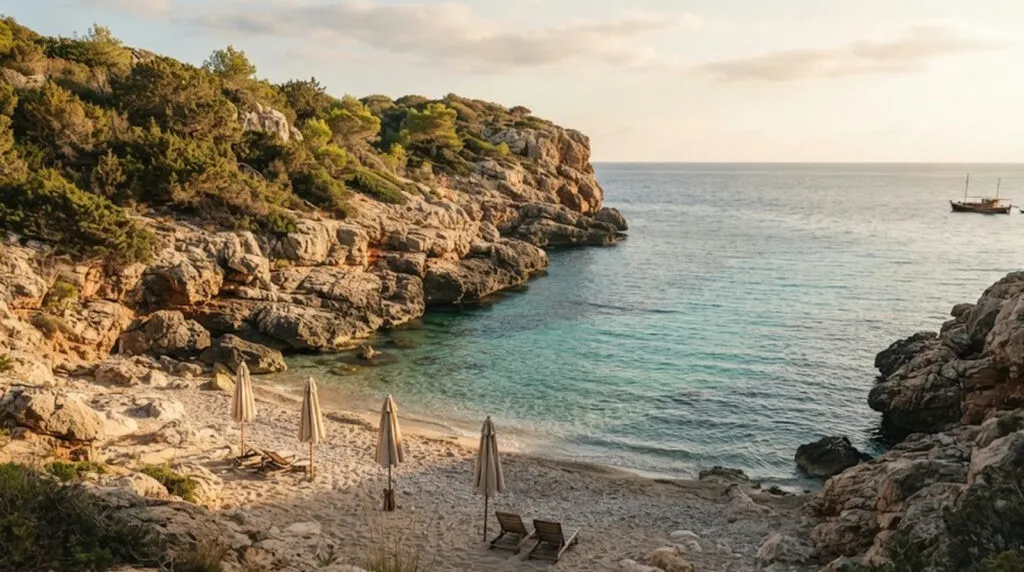
The same places cost more in August, look crowded and are experienced at half strength. The difference is made by...
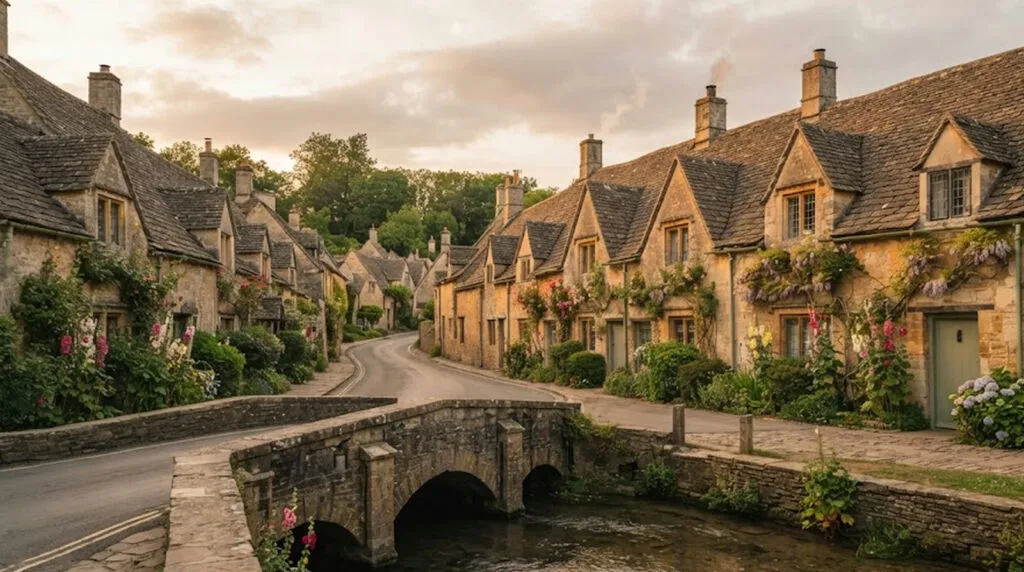
The Beckhams have a place there, so do Kate Moss and Ellen DeGeneres. But the Cotswolds needs none of those...

Down on the coast the buses pass each other with centimetres to spare and all you see is people. Up...
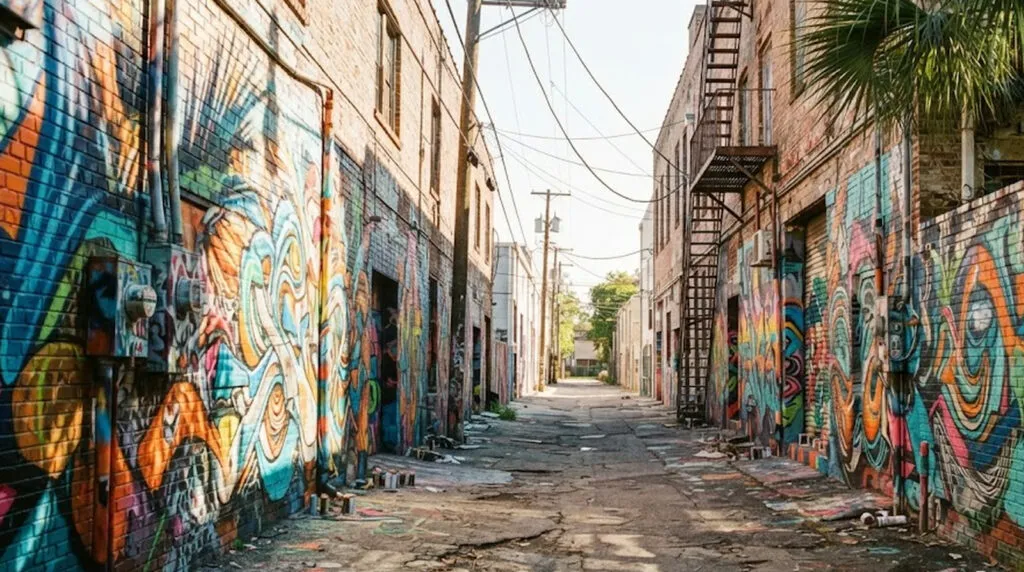
Empty warehouses, low rents and one real estate developer. A model we know without flying to Florida.
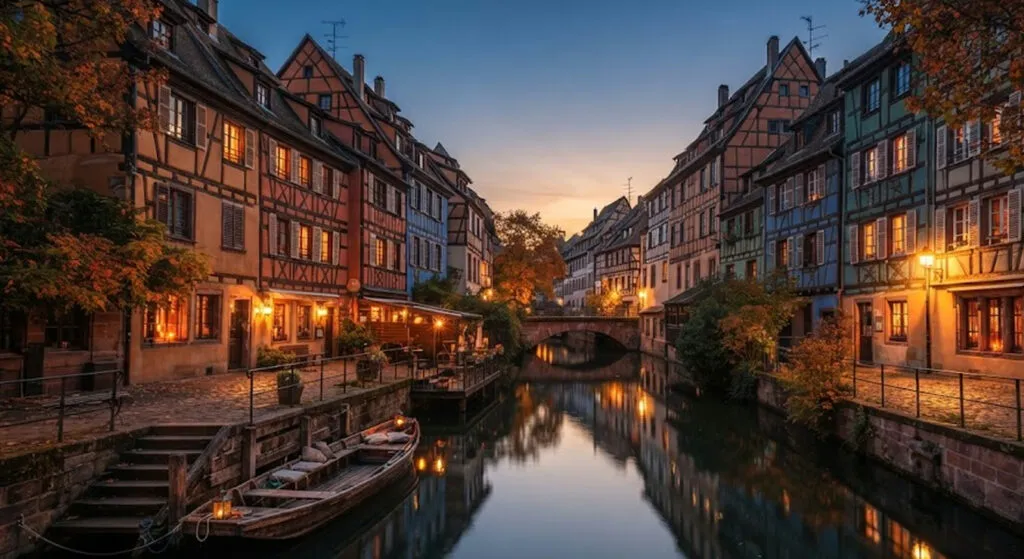
Old tanners' and dyers' workshops, built directly over the river. From 10 to 13 September the town puts boats and...
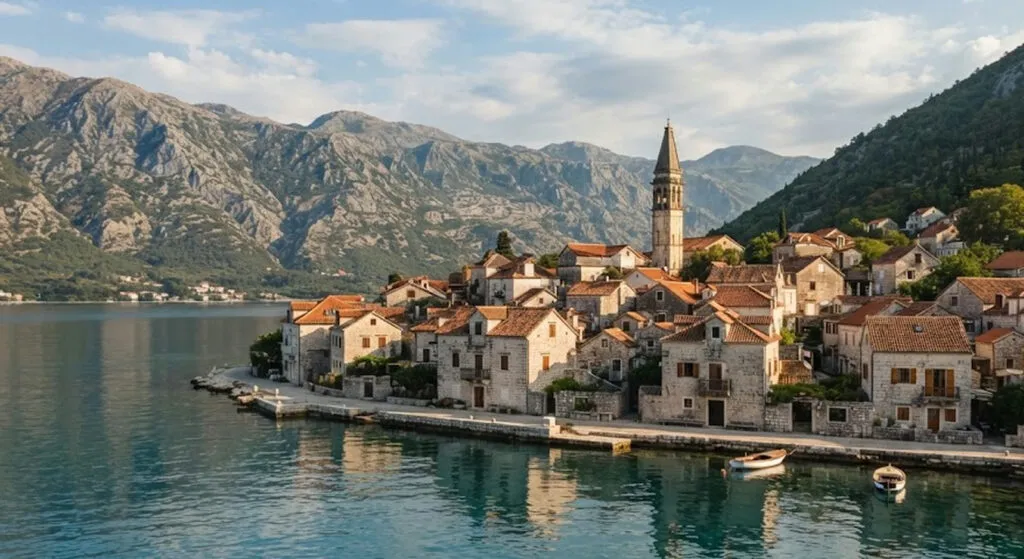
The Albanian Riviera, Montenegro, Sardinia, Lyon and the Algarve. The same weather as August, fewer people, and a bill that...
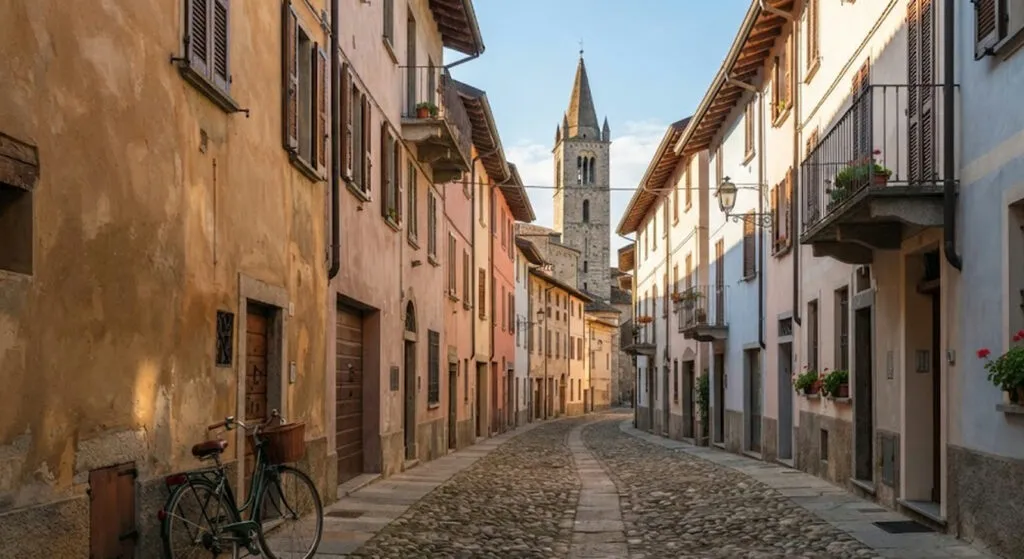
In a town that does not live off tourism, a coffee costs what it costs, not what it could cost.
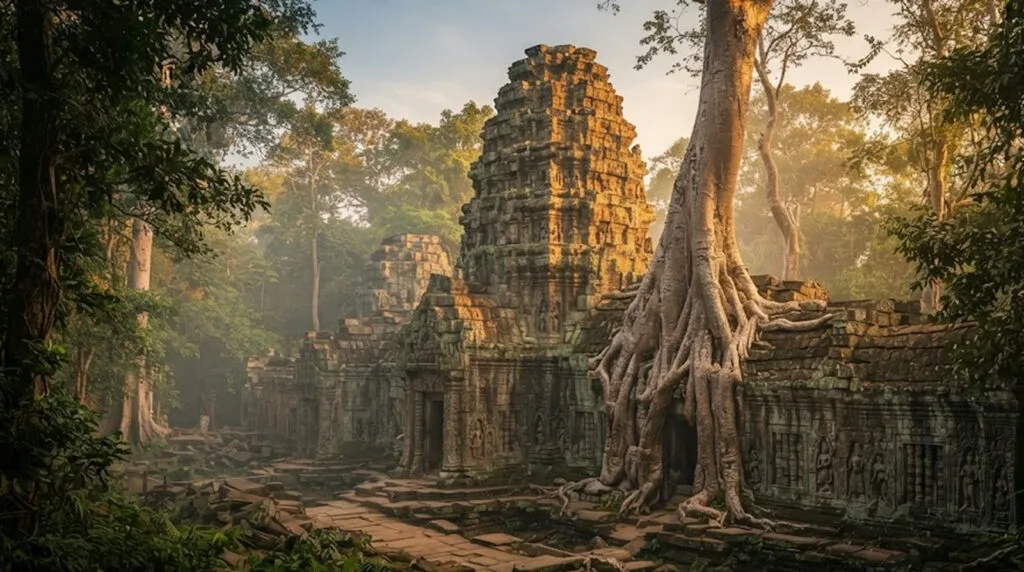
Xi'an, Dunhuang, Angkor, Luang Prabang. Farmers found the Terracotta Army in 1974, and at Ta Prohm the roots hold the...
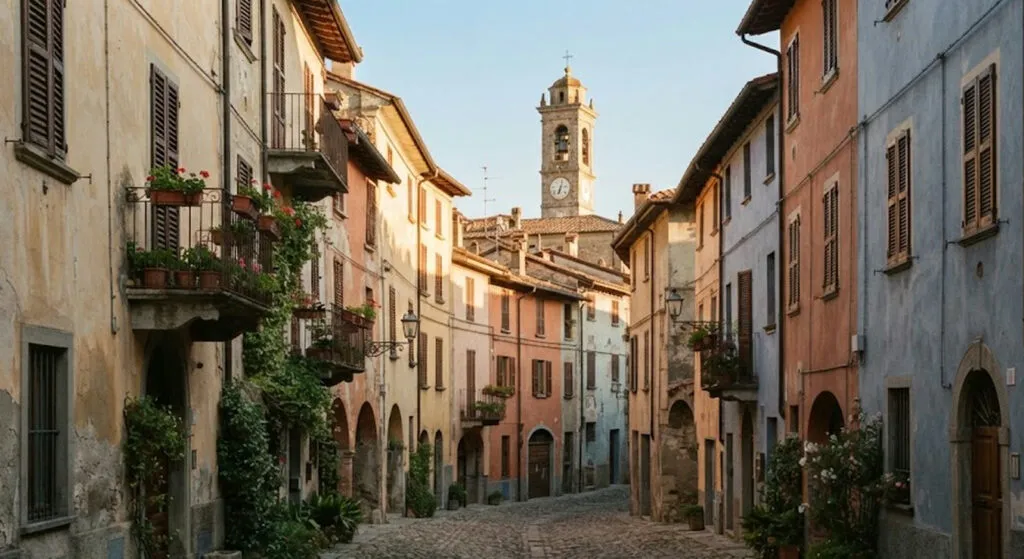
Four thousand historic buildings, a castle from 1069 and free thermal springs Dante wrote about. All within reach of a...
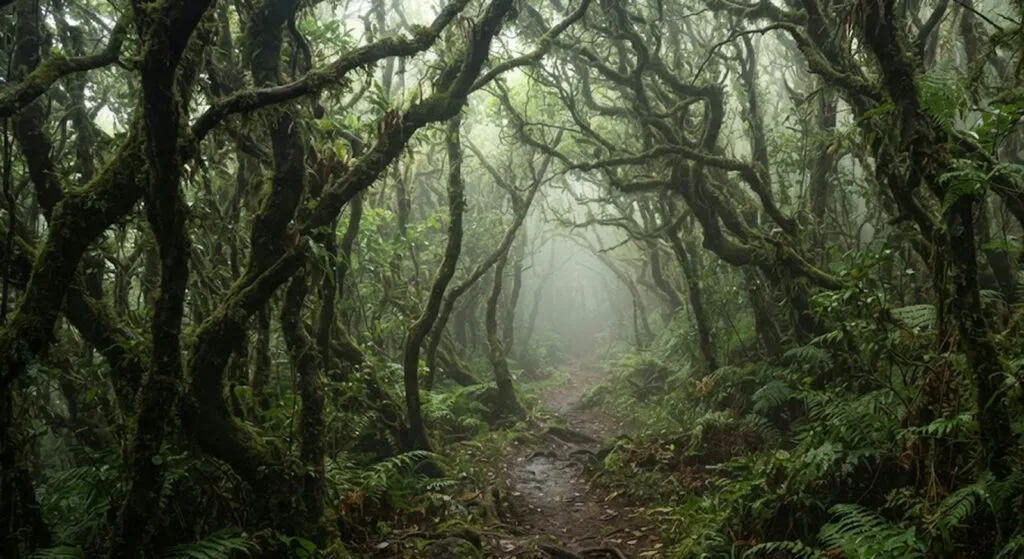
La Gomera is one ferry ride from Tenerife and it is everything Tenerife no longer is. The island does not...
This site uses cookies - is that okay? Learn more
Be the first to know when Metla launches something new
Leave your email and we will write when there is a new guide or something new on Metla.