
15 Wildfires in One Day, 23 in 24 Hours: And Once Again It Is the Landfills That Are Burning
12.08.2026



12.08.2026

12.08.2026

12.08.2026

12.08.2026

11.08.2026
10.08.2026

12.08.2026

12.08.2026

11.08.2026
12.08.2026

12.08.2026

12.08.2026

12.08.2026

11.08.2026

10.08.2026

12.08.2026

12.08.2026
12.08.2026

12.08.2026
12.08.2026

12.08.2026

09.03.2026

27.02.2026

19.02.2026

12.08.2026

11.08.2026
10.08.2026

23.04.2026

23.04.2026

12.04.2026
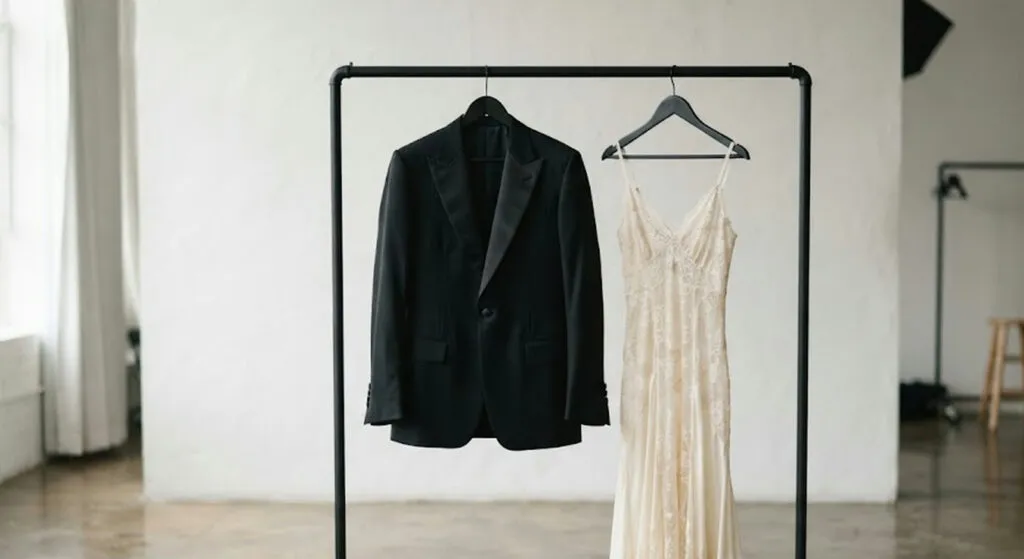
Cara Delevingne turns thirty-four today, and for the occasion the fashion industry does what it does best: lines up fourteen years of photographs in a neat sequence and calls it a "transformation". From rebellious punk to her most sensitive version. It sounds like growth. It is actually something else.
Look at the chronology. In 2012 she wins model of the year at the British Fashion Awards and wears tight mini dresses. The same year she debuts on the Victoria's Secret runway, recognisable by the eyebrows and by an attitude that does not try too hard. In May 2013 at the Met Gala, themed on punk, she stands in a black studded dress. In 2014 the tuxedo becomes her signature - often with trainers and nothing under the jacket.
Then comes the cut. The long hair goes for a film role and a platinum crop appears, and with it a period dominated by black, leather, metal. In 2016, around the premiere of Suicide Squad, that is her most rebellious phase - lace, tulle, leather jackets, boots.
Every one of those looks had a reason that has nothing to do with fashion. Cara was walking for Burberry, Fendi, Stella McCartney and Chanel, where she became one of Karl Lagerfeld's favourite muses. Then she moved into film. Then into music - I Feel Everything came out in 2017. The wardrobe was not changing because her taste matured, but because every new industry demands new packaging.
There is one moment in that sequence that is not packaging. In September 2021, at the Met Gala, she wears a white Dior trouser suit with an explicit anti-patriarchy message. In October 2018, at the wedding of Princess Eugenie of York, she arrives in a fully black tuxedo with a top hat - clothing that directly challenges the protocol of a royal wedding. Those are not trends. Those are decisions with an address.
And that is where the part a Balkan reader recognises instantly comes in: everybody teaches us that style is an expression of personality, while simultaneously selling us the idea that personality changes every two years. Both cannot be true. What actually happened with Delevingne is that for fourteen years she knew when to show up as somebody with nothing to lose.
The current phase - loose trousers, romantic blouses, tousled hair - is described in fashion pieces as softer and more mature. Maybe. Or maybe that is what it looks like when somebody finally has enough credit in the industry not to have to prove themselves on every red carpet.
The latest 10 news from this category

A fan is not a solution, it is the same trap under a different name. The basics cost almost nothing...
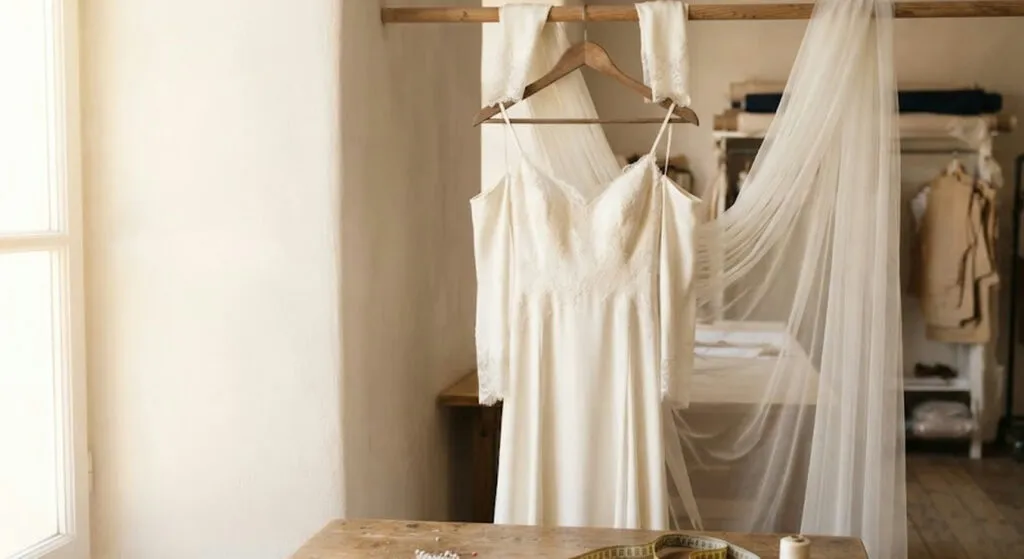
A wedding lasts twelve hours, and the dress is cut for one. The sleeves and the cape come off in...
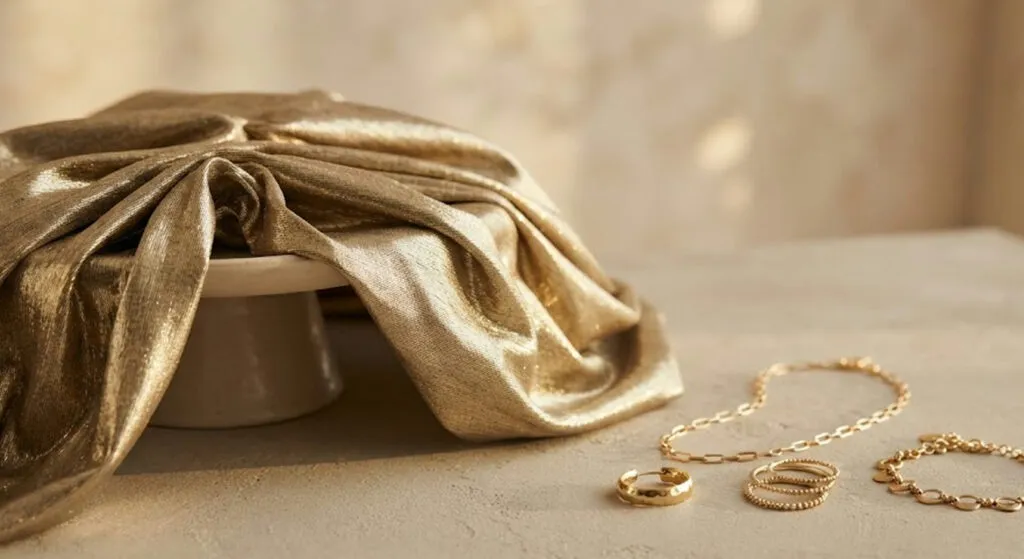
Every season the fashion industry finds a way to declare your old pieces expired. This time the tool is a...
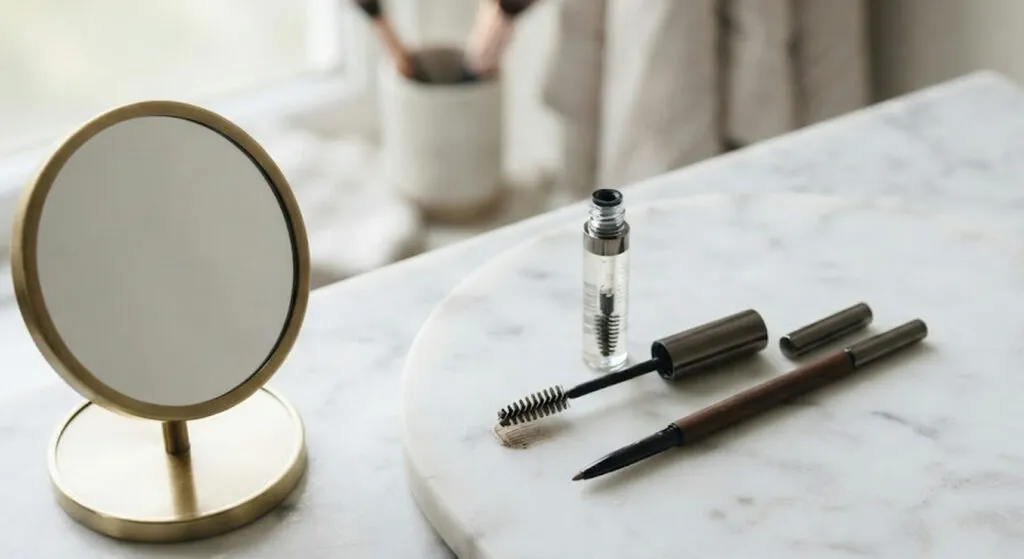
A brush doesn't create density that physically isn't there. That's the arithmetic no viral clip will mention to you.
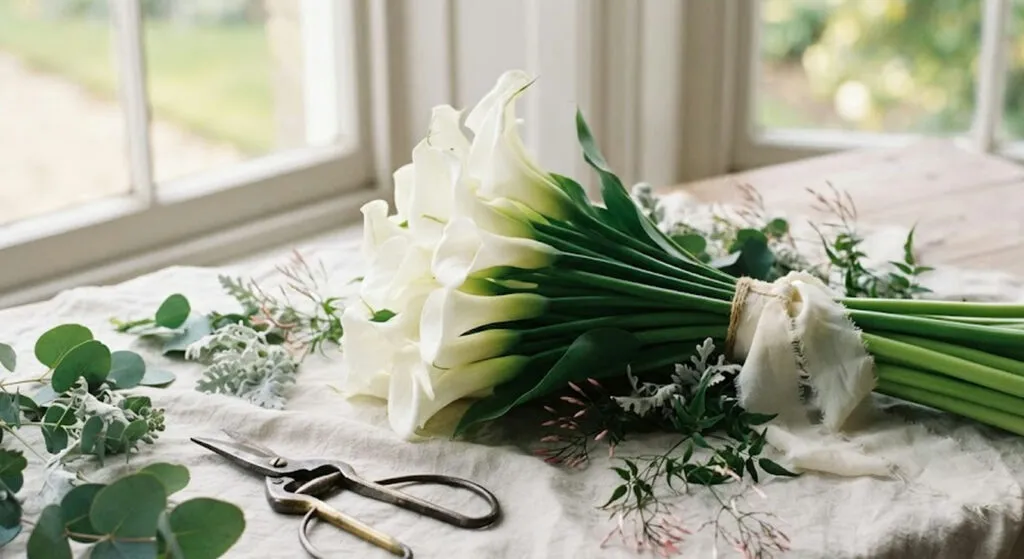
A long stem lengthens the picture in a couple of seconds, with no other intervention in the outfit. A big...
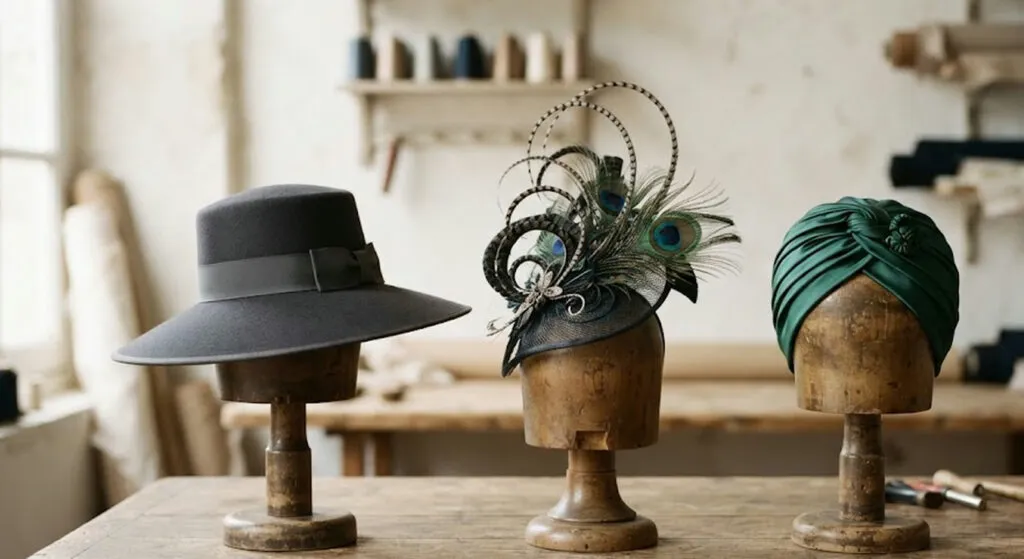
One model bought in seven colours, a rose worn fifteen years after a christening, a beret made by her own...

It does not promise more hair, but the same result with fewer side effects. And the part the miracle-ampoule industry...
Not a fashion whim - the object predates the trend by centuries, which is why it does not look like...
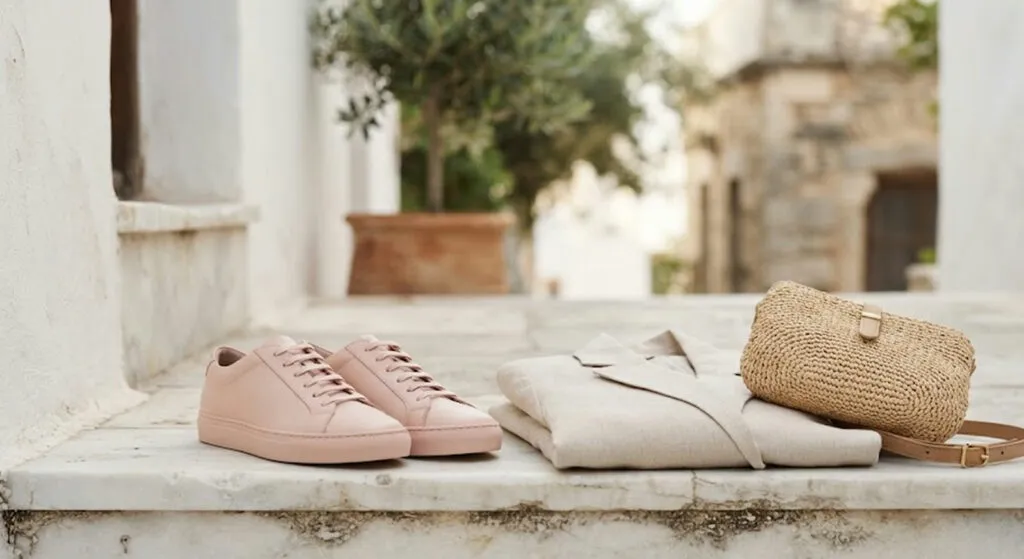
While other European courts fill front pages with luxury houses, the Spanish court is deliberately going the opposite way. The...
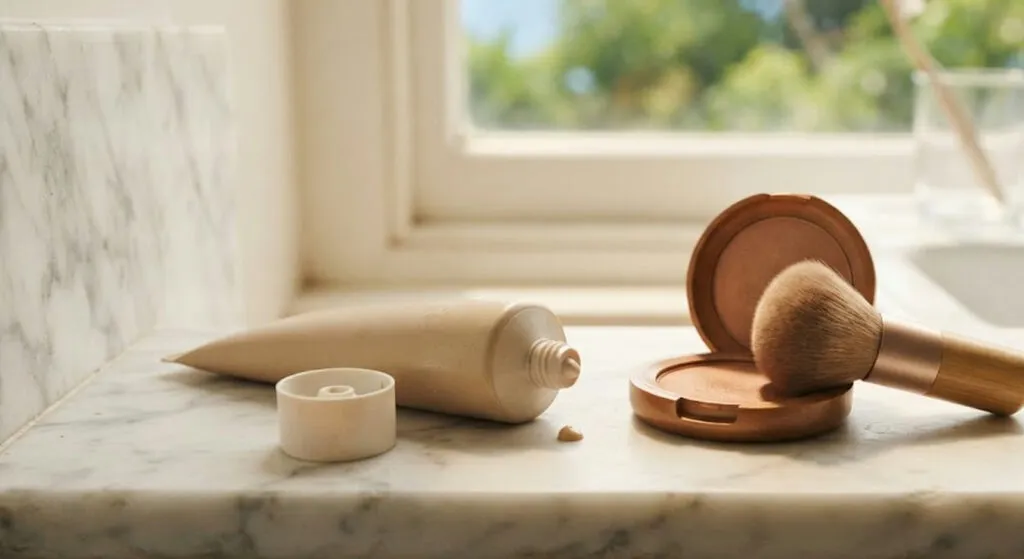
Mixing sunscreen into bronzer or foundation looks like a hack, and in fact cancels out two things at once. The...
This site uses cookies - is that okay? Learn more
Be the first to know when Metla launches something new
Leave your email and we will write when there is a new guide or something new on Metla.