

Two Schoolyard Assaults Reported in a Single Day: the Police Promised Measures, the Education System Said Nothing
19.09.2026


19.09.2026
19.09.2026
19.09.2026

19.09.2026
19.09.2026
19.09.2026
19.09.2026
18.09.2026
17.09.2026
19.09.2026
19.09.2026
18.09.2026
19.09.2026
19.09.2026
19.09.2026
19.09.2026
18.09.2026
17.09.2026
19.09.2026

19.09.2026
19.09.2026
19.09.2026

19.09.2026
18.09.2026

09.03.2026

27.02.2026

19.02.2026
19.09.2026
18.09.2026
17.09.2026

23.04.2026

23.04.2026

12.04.2026

In 1947 an airport canteen manager in western Ireland named Brendan O'Regan convinced members of Parliament that purchases by passengers in transit should not be taxed. He opened a small kiosk, handed it to a local woman called Kitty Downes and began selling Irish lace and souvenirs. That was the world's first duty-free shop. Every airport on the planet copies the model today, and almost nobody knows where it began.
Nearly eighty years later, Shannon is still the best entry point for western Ireland. It has several direct flights a week to Madrid at a reasonable price, which means you do not have to land in Dublin and then drive across the whole country. For a place that made it into the trade textbooks, it is a remarkably quiet starting point.
Bunratty Castle is the fourth fortress raised on the same spot, built around 1425 by the MacNamara clan and passing to the O'Brien family around 1500. Abandoned in the nineteenth century, restored in the 1950s by the seventh Viscount Gort. Around it lies a folk park of about ten hectares with a nineteenth-century street, farmhouses relocated from other regions and a walled garden from 1804. The Durty Nelly's pub has been running since 1620 and has traditional Irish music every evening. Six centuries, the same premises, the same beer.
Twenty minutes further south is Limerick with King John's Castle, a Norman fortress from the thirteenth century. Another quarter of an hour - Adare, a village that competes every year for the title of Ireland's prettiest, with thatched cottages from the 1830s built by the third Earl of Dunraven, today full of independent shops.
Half an hour inland, where the Shannon widens into Lough Derg, is Killaloe - a thousand years ago the capital of Ireland. Brian Boru, the last High King, fortified Kincora here. The thirteenth-century St Flannan's Cathedral holds a stone with a runic inscription carved by Vikings and a twelfth-century Celtic cross. Entry is free all year round.
The thirteen-arch bridge linking Killaloe and Ballina is less than five metres wide and carried all the traffic across the river for 250 years. When the new bridge opened in May 2025, residents spontaneously started putting picnic tables on the old one. After protests from traders, the two councils closed it permanently to vehicles on 17 October 2025. Now people cross on foot to the terrace on the other bank. It is rare for local habit to beat local commerce - and here it did.
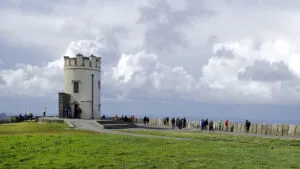
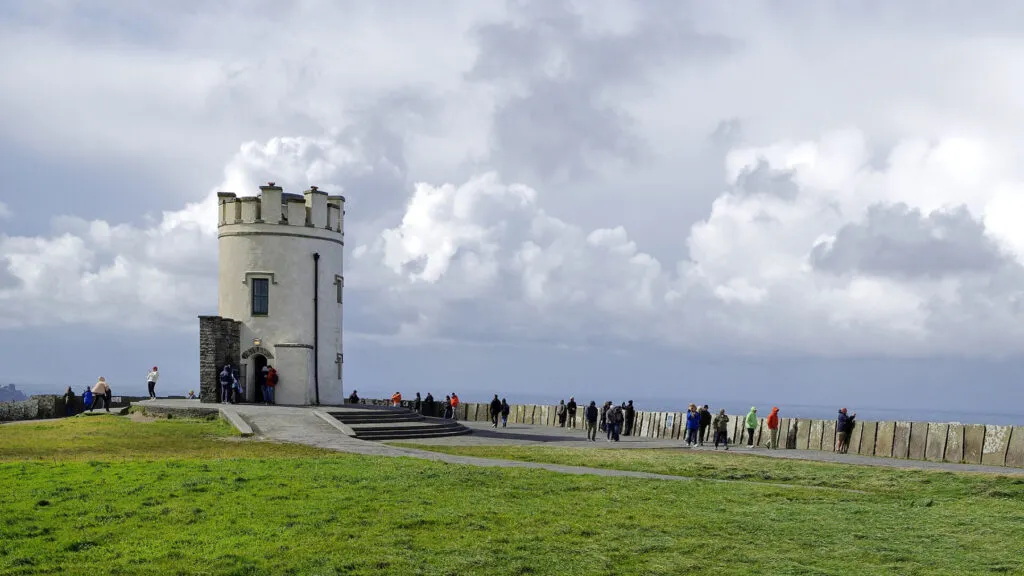
At Hag's Head the cliffs are 120 metres high, and eight kilometres further north, by O'Brien's Tower, they reach 214. Sir Cornelius O'Brien built that round stone tower in 1835, believing tourism could reduce local poverty. The dark and light layers in the rock are deposits over 300 million years old. The largest seabird colony on the Irish mainland nests here - up to 30,000 pairs in the breeding season.
The visitor numbers say everything about modern tourism: in 2024 nearly 1.5 million people came, and 59 per cent of them entered between eleven in the morning and four in the afternoon. So more than half the annual footfall is crammed into five hours. The price at the desk is 15 euros; online it starts at 8 euros for morning and afternoon slots, children under twelve enter free, and parking is included. In September and October it stays open until seven in the evening.
The Burren means "rocky place" in Irish, and that is entirely accurate. Fractured limestone across 530 square kilometres, with geopark status under UNESCO protection. Around 1,100 plant species grow between the cracks - three quarters of the whole Irish flora - in combinations that exist nowhere else in Europe. The Poulnabrone dolmen stands on bare stone with no car park; you leave the car in the village. Excavations in the 1980s found 33 sets of human remains beneath the capstone, showing the megalith was in use for around 600 years. One hip bone has an arrowhead embedded in it.
Doolin Cave descends 125 steps to a chamber 60 metres below the surface, where the longest free-hanging stalactite in Europe hangs - 7.3 metres and ten tonnes. The temperature is eleven degrees all year. From Doolin harbour the ferry reaches Inis Oírr in fifteen minutes, Inis Meáin in 25 and the largest, Inis Mór, in 35, where the prehistoric fort of Dún Aonghasa hangs over the cliffs.
And every September a one-street town called Lisdoonvarna hosts what they call Europe's biggest singles festival - a tradition more than 165 years old, with around 60,000 visitors. In the Matchmaker Bar works Willie Daly, a third-generation matchmaker and the last traditional one in Ireland. Legend says that if you touch his book with both hands, you will be married within six months. The custom actually comes from gatherings of farmers after the harvest, by mineral springs, where unmarried men met women arriving from elsewhere. A nineteenth-century calculation, packaged today as romance.
The latest 10 news from this category
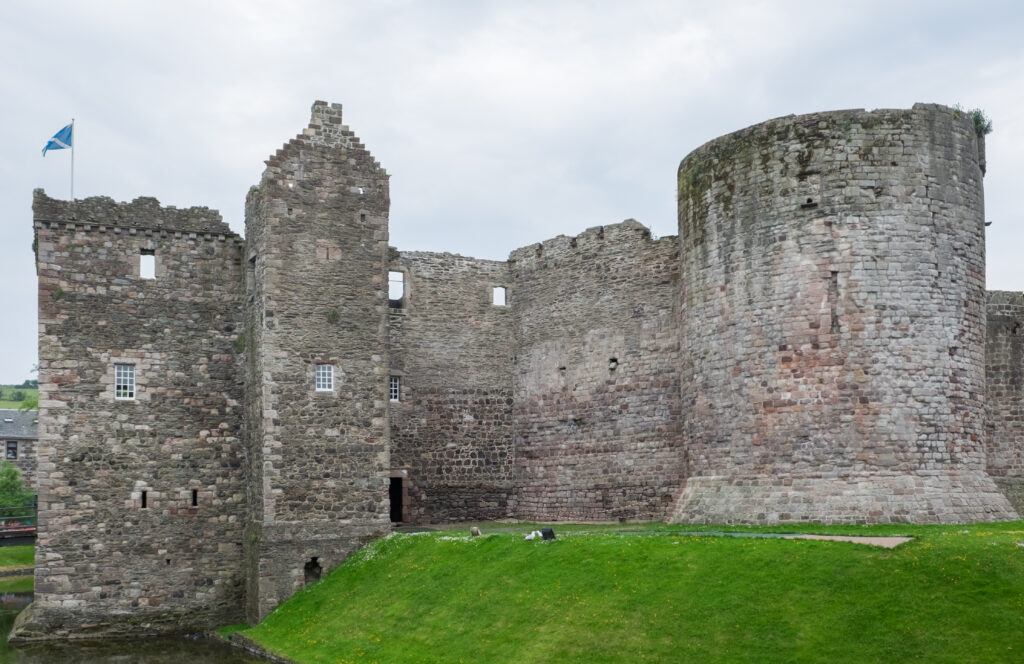
The royal couple walked yesterday into a pub the village bought back for itself. How many buildings like that sit...

Of twenty-five new inscriptions, five are natural - and only one is in Europe. For the richest of them, the...
Fifty beaches, more than 120 villages and a trail France voted its favourite. Monet came for a few days and...
Restored carriages, a locomotive they call the Japanese Woman and a 28.95 euro return ticket. What it sells is not...
Two hundred and fifty tree species from every corner of the world, a monastery from 1628 and a palace that...
The same places cost more in August, look crowded and are experienced at half strength. The difference is made by...
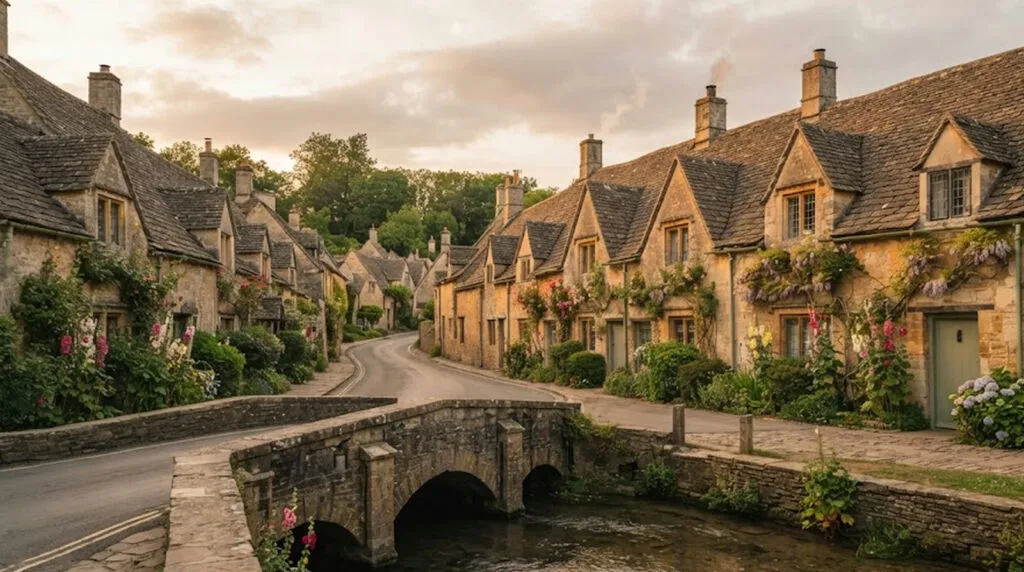
The Beckhams have a place there, so do Kate Moss and Ellen DeGeneres. But the Cotswolds needs none of those...

Down on the coast the buses pass each other with centimetres to spare and all you see is people. Up...
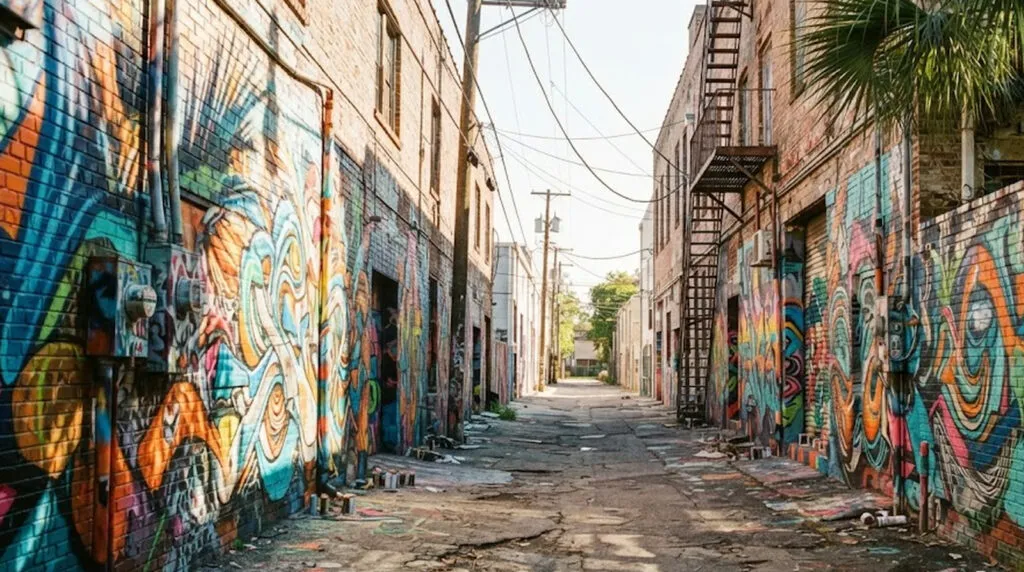
Empty warehouses, low rents and one real estate developer. A model we know without flying to Florida.
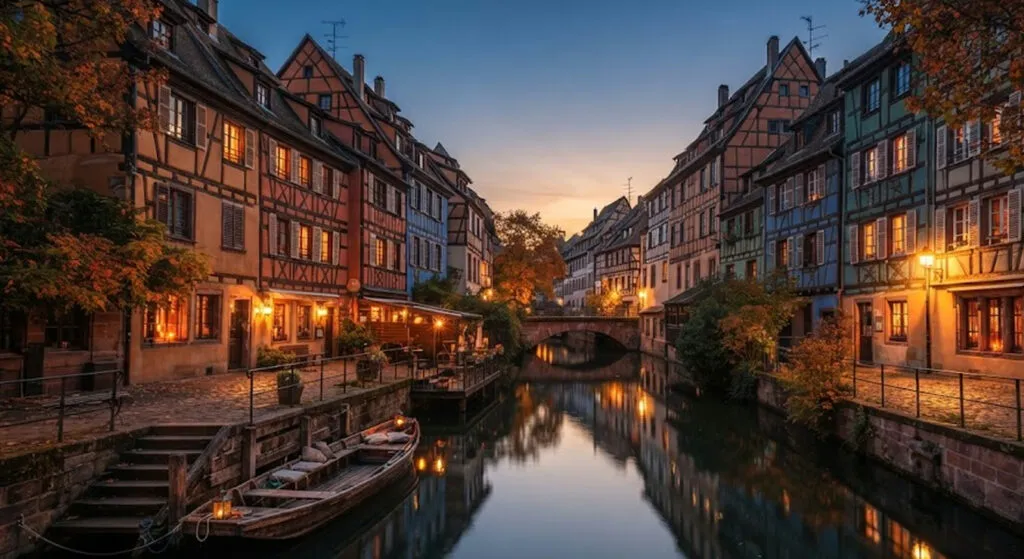
Old tanners' and dyers' workshops, built directly over the river. From 10 to 13 September the town puts boats and...
This site uses cookies - is that okay? Learn more
Be the first to know when Metla launches something new
Leave your email and we will write when there is a new guide or something new on Metla.
