

Two Schoolyard Assaults Reported in a Single Day: the Police Promised Measures, the Education System Said Nothing
19.09.2026


19.09.2026

19.09.2026
19.09.2026

19.09.2026
19.09.2026
19.09.2026
19.09.2026
18.09.2026

17.09.2026
19.09.2026
19.09.2026
18.09.2026

19.09.2026
19.09.2026

19.09.2026
19.09.2026
18.09.2026

17.09.2026

19.09.2026

19.09.2026

19.09.2026
19.09.2026

19.09.2026
18.09.2026

09.03.2026

27.02.2026

19.02.2026

19.09.2026

18.09.2026
17.09.2026

23.04.2026

23.04.2026

12.04.2026

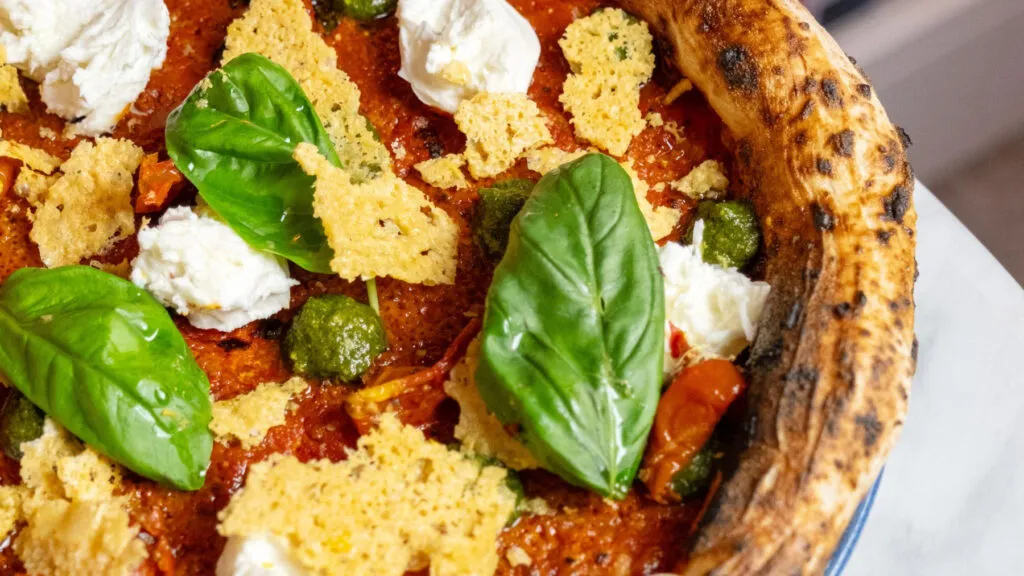
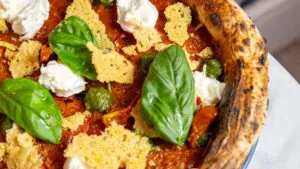
The 50 Top Pizza guide published its 2026 list at a gala in Naples - that is, in the place that considers itself the source of pizza. First place goes to London, to Napoli on the Road, whose owner Michele Pascarella is a born Italian who married Neapolitan tradition to English and seasonal ingredients. So: the world's best Neapolitan pizza, according to an Italian guide, is baked in London.
Spain enters with six restaurants, and the only one in the top ten is Madrid's Baldoria, in eighth place. Its owner Ciro Cristiano, also Italian, opened the place in the Salamanca district to bring Neapolitan dough to the Spanish capital. He works with long fermentation, light dough, fresh ingredients and fast baking in an oven brought from Naples that reaches 420 degrees.
The rest of the Spanish list: Sartoria Panatieri in Barcelona at 29, Fratelli Figurato in Madrid at 69, Oura in Santiago de Compostela at 76, Demaio in Bilbao at 83 and Balmesina in Barcelona at 87. Two places in Madrid, two in Barcelona, one in Bilbao and one in Galicia.
There is a detail here worth knowing before anyone boasts about a "top 50". The guide is called 50 Top Pizza, but it actually ranks a hundred restaurants. So a place at number 87 is on the list - that is true, and it is good - but it is not in the top fifty. The difference between that and what you will read in a marketing post is a full fifty places.
The guide began as an Italian project in 2017 and expanded internationally in 2022. That shift from a national to a global ranking is why a London restaurant can take first place and a Spanish one can enter the top ten. When the criterion stops being geography and becomes craft, the map changes.
What holds practically from all this: long fermentation, light dough, very high heat and a short bake. That is not a secret, it is a technique, and it does not require an Italian passport. It requires an oven that holds its heat and dough that is given time. Those two are the rarest ingredients in any kitchen.
The latest 10 news from this category
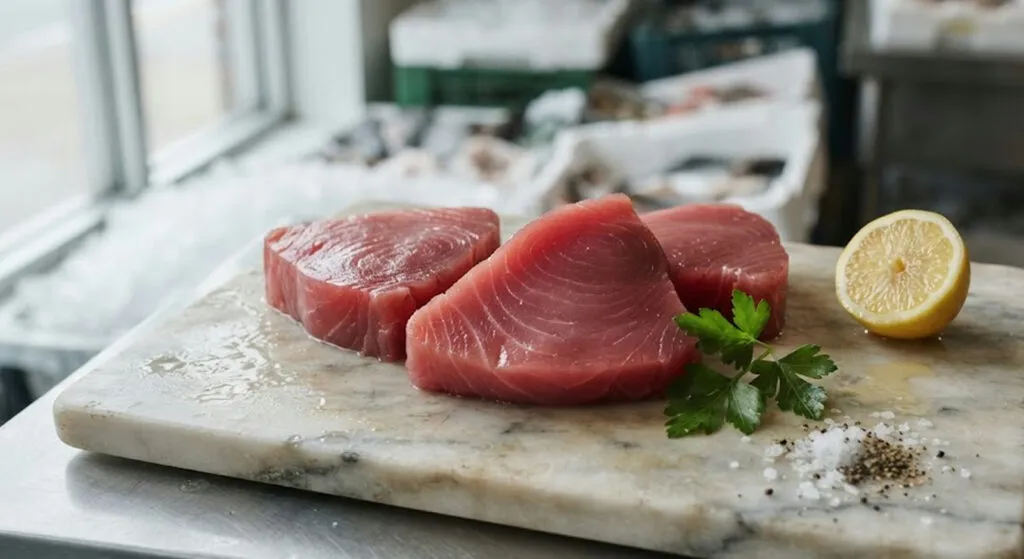
It is caught with hook and line, not with nets, and you can taste that on the plate. The three...
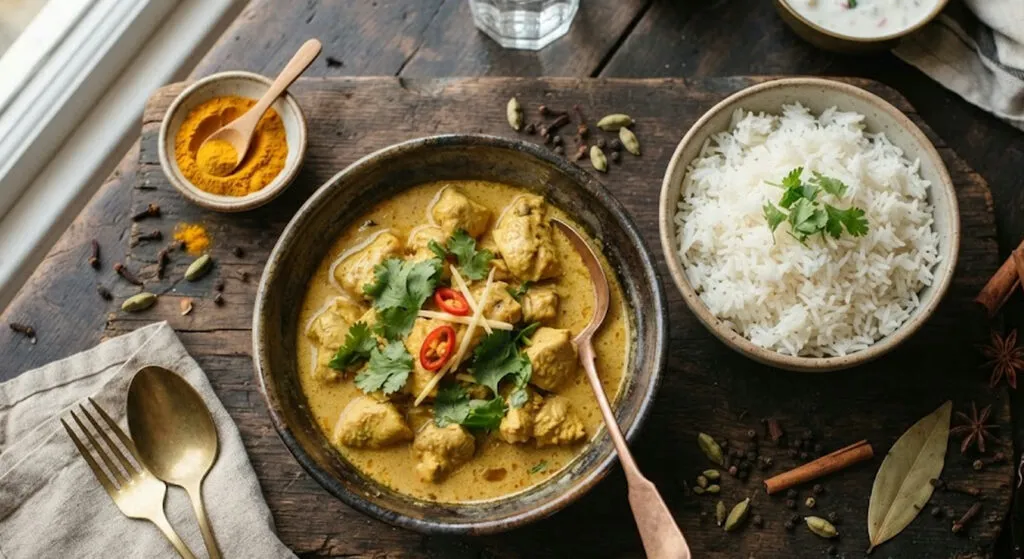
Home-made chicken curry fails at the same point for everyone. The difference is made by one step that has nothing...
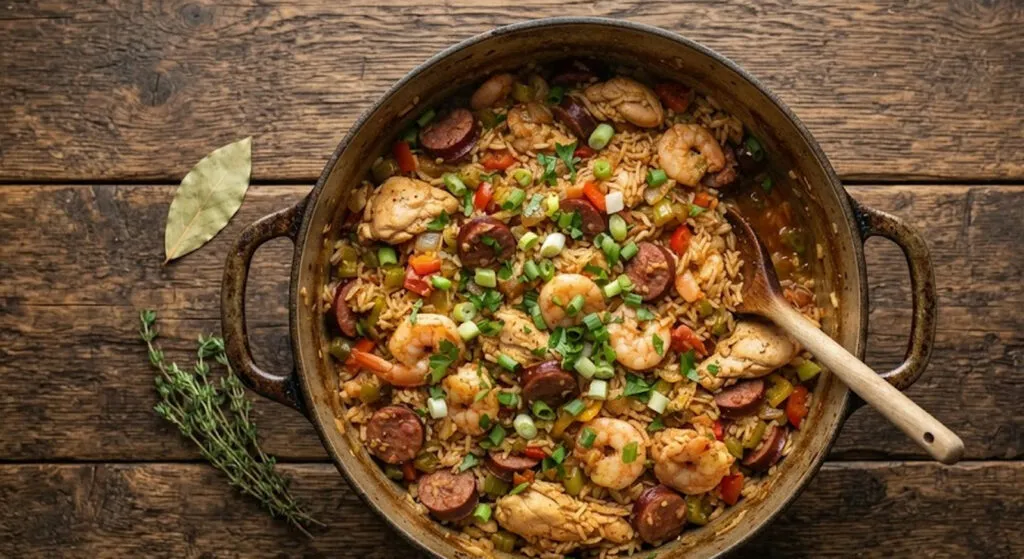
Jose Andres has lived in America for over thirty years, and when asked for his favourite American dish he named...
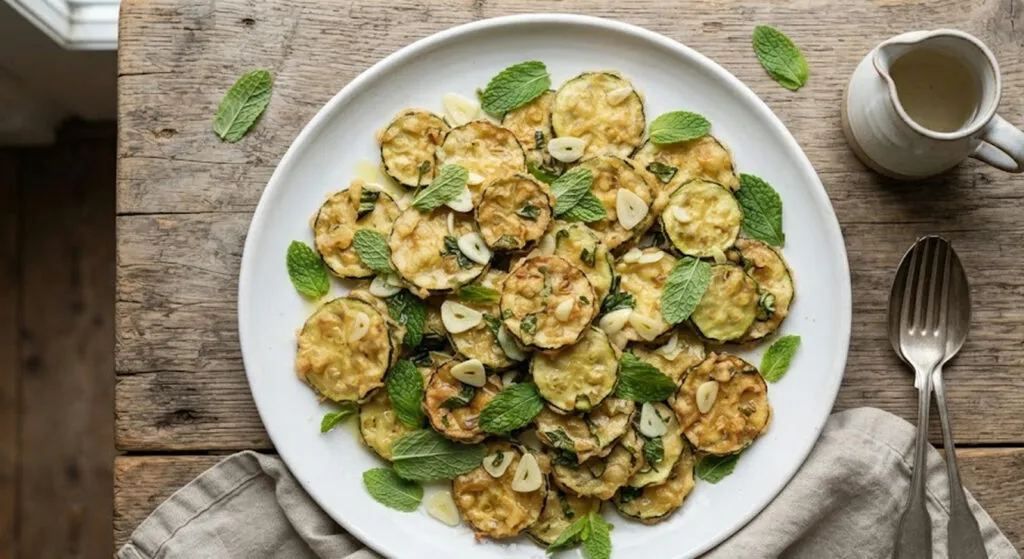
A kilo of courgettes, mint, garlic and eighty millilitres of vinegar. Not one expensive ingredient - and the water you...
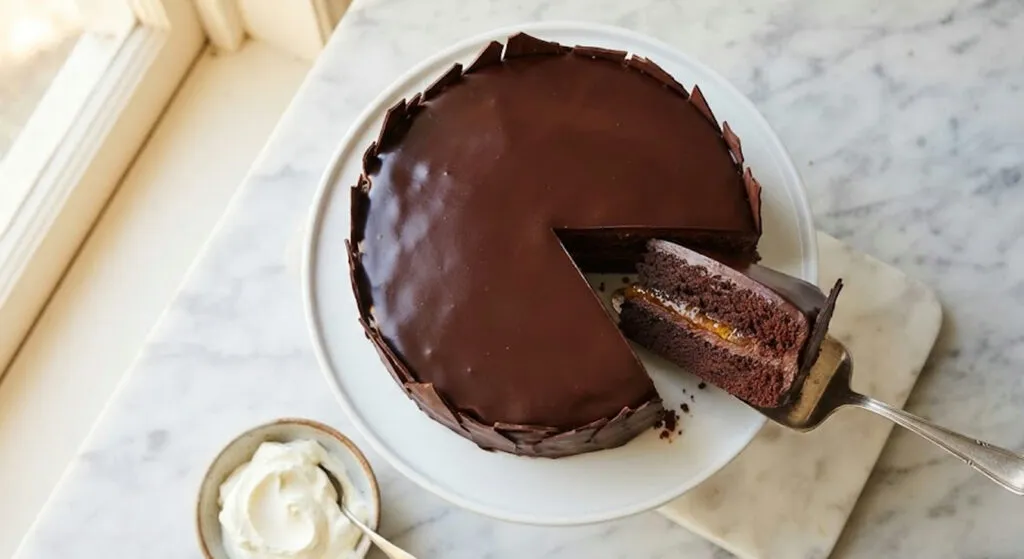
Whoever beat all the eggs together made a different cake. And the glaze must not pass 45 degrees, or the...
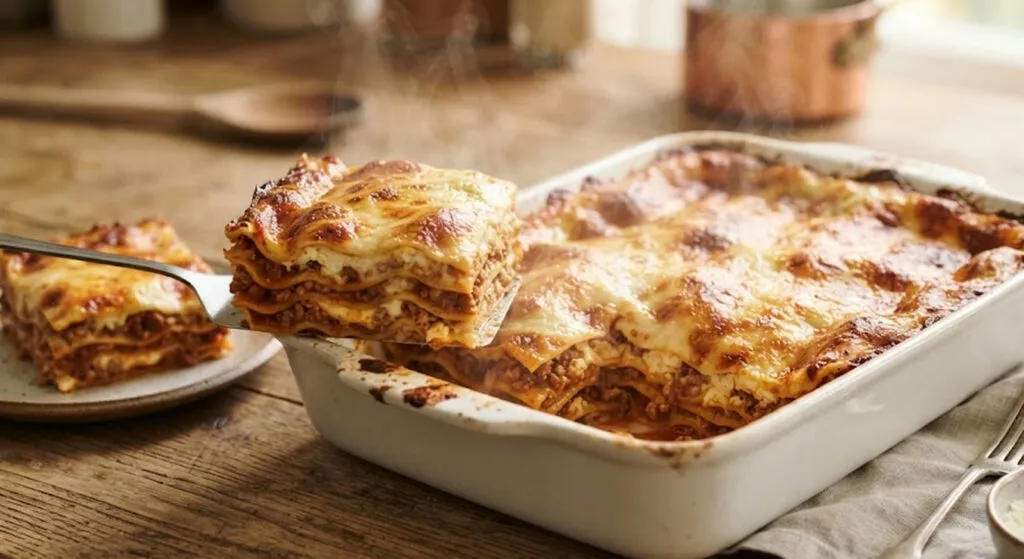
One rule applies to all three and it is the one most often skipped. It is not a recommendation to...
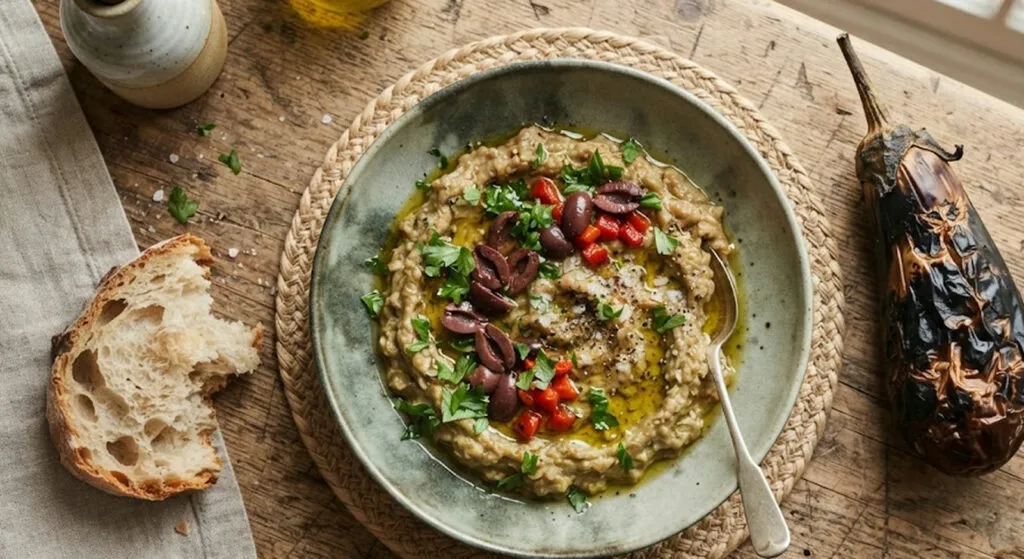
One single ingredient separates melitzanosalata from mutabal - tahini. Three aubergines, one clove of garlic, and an oven at 220...

The chicken ends up in the pan anyway. The salad that was sitting half a metre away does not.
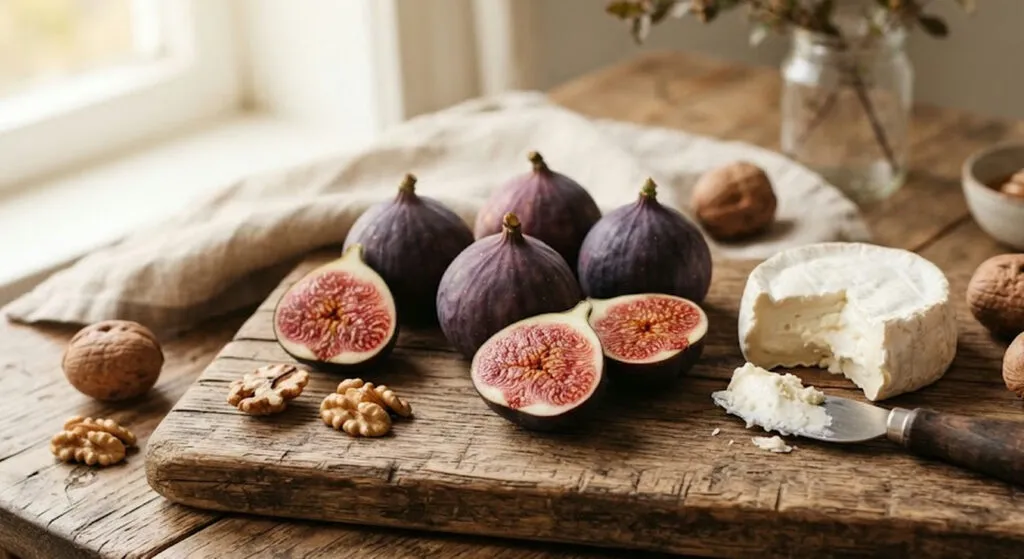
This year the season started as early as August because of the heat. From breakfast to pizza - everywhere a...
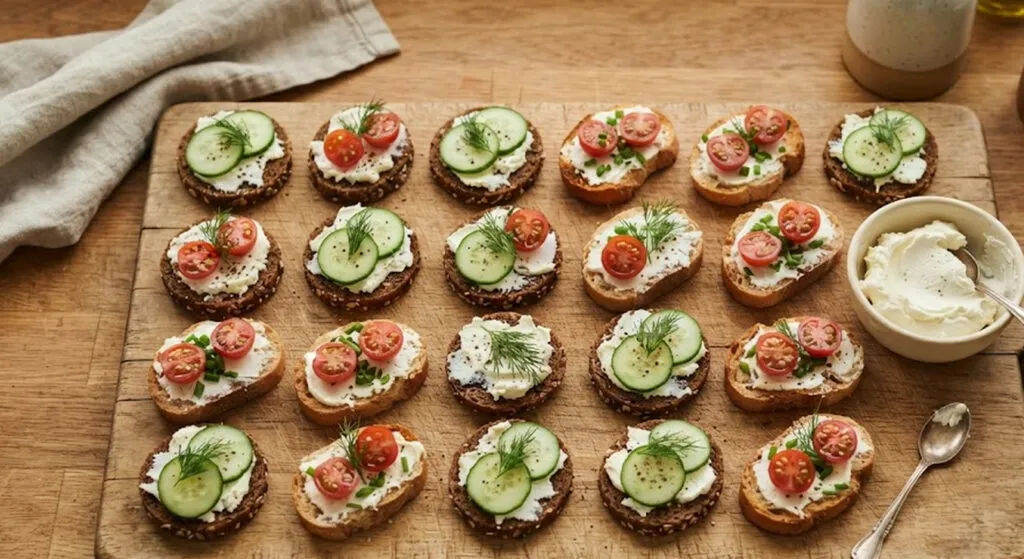
The recipe is not hard, the temperature is wrong. Ten cream cheese canapés and the two rules without which none...
This site uses cookies - is that okay? Learn more
Be the first to know when Metla launches something new
Leave your email and we will write when there is a new guide or something new on Metla.
