


Two Schoolyard Assaults Reported in a Single Day: the Police Promised Measures, the Education System Said Nothing
19.09.2026


19.09.2026

19.09.2026

19.09.2026

19.09.2026

19.09.2026

19.09.2026
19.09.2026

18.09.2026

17.09.2026

19.09.2026

19.09.2026
18.09.2026

19.09.2026
19.09.2026
19.09.2026
19.09.2026
18.09.2026
17.09.2026

19.09.2026

19.09.2026
19.09.2026
19.09.2026

19.09.2026
18.09.2026

09.03.2026

27.02.2026

19.02.2026
19.09.2026

18.09.2026
17.09.2026

23.04.2026

23.04.2026

12.04.2026

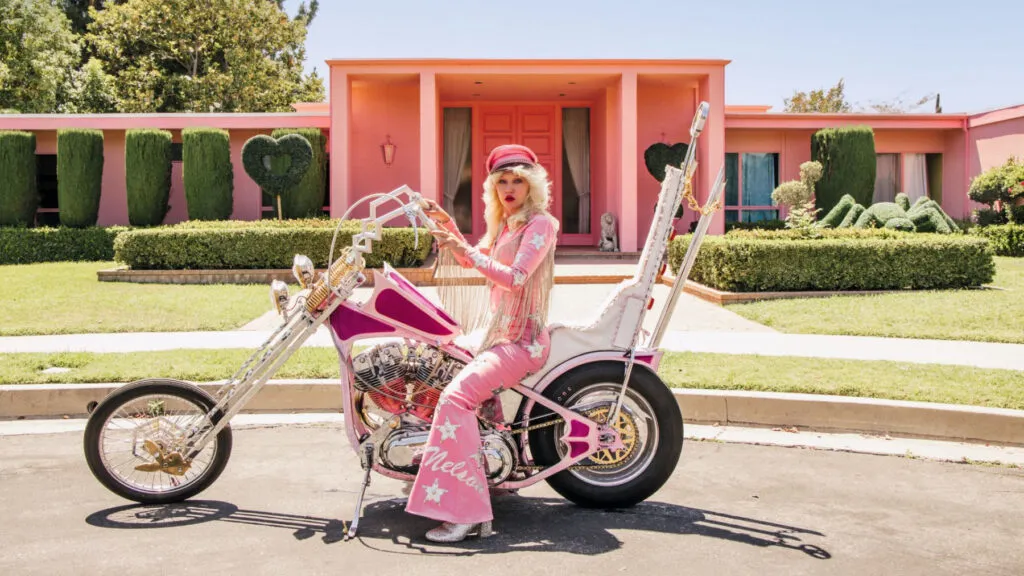
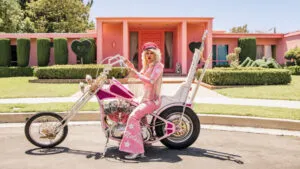
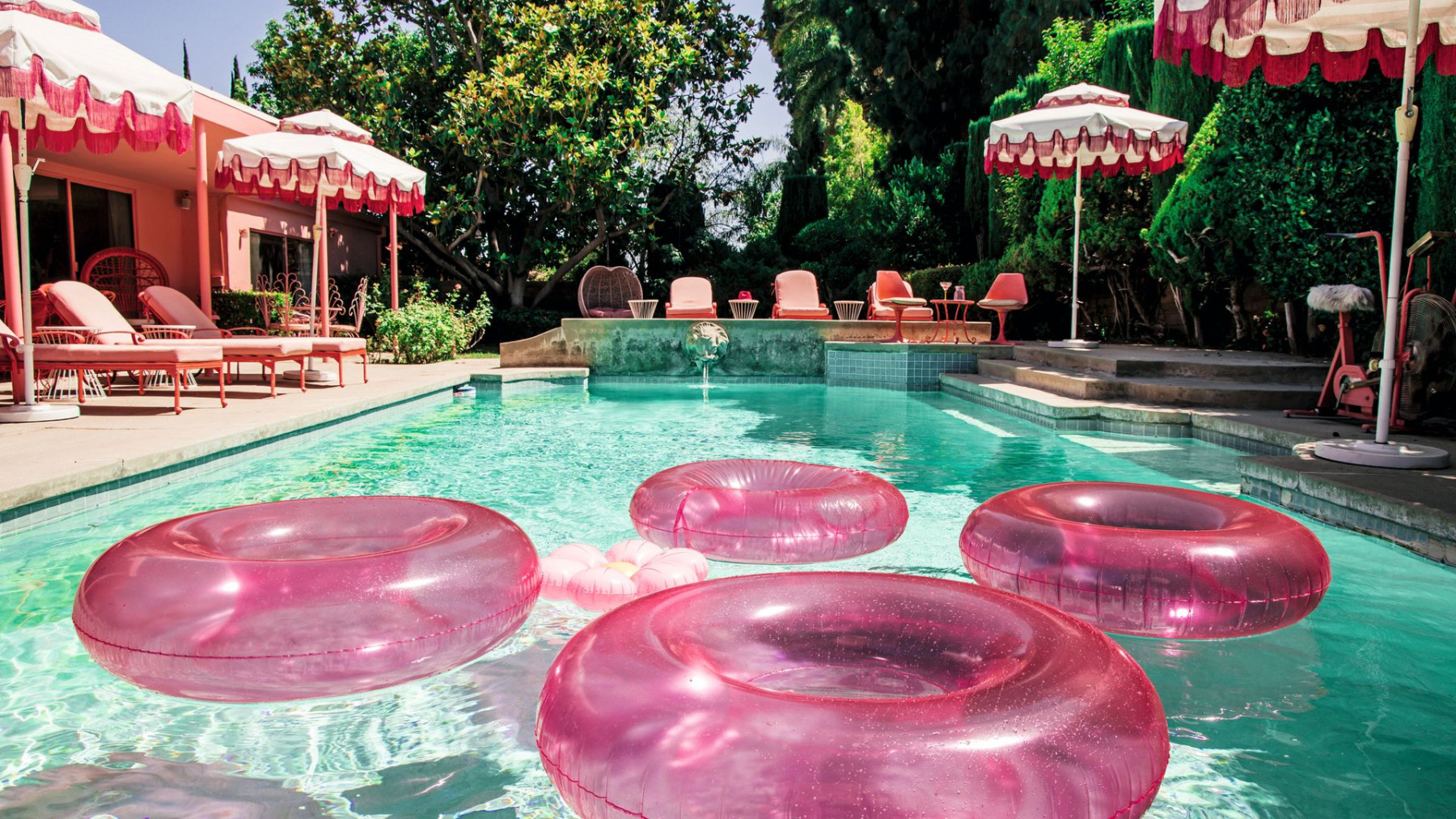
On one of the hills above Los Angeles stands a house where the rules of reality evidently do not apply. A pink facade, yew trees clipped into the shape of a heart by the entrance, one into a spider. Inside: a bedroom with a round bed that rotates and mirrors on the ceiling, a bathroom lined in pink faux leather with a tub inspired by the legendary Jayne Mansfield, three wardrobes full of vintage clothes, motorbikes, classic cars and furniture rescued from flea markets. Photographer Jamie Nelson did not decorate a house - she built a world.
The house dates from 1968, built in the style known as Hollywood Regency, and the rooms are organised by colour. It is not only a home: shoots happen there. Commercials, music videos, television productions and fashion campaigns with some of the biggest names. Nelson has photographed stars including Gwen Stefani, Paris Hilton, Megan Thee Stallion, Carmen Electra and Drew Barrymore.
"My house is probably the best reflection of who I am," she says. "It is my home, but it is also a production space that transforms for shoots." When she has free time, she rides a motorbike or moves through the city in a classic pink Mustang convertible. Weekends she spends at flea markets and garage sales looking for old objects that end up either in the house or in a photograph.
Her favourite room is the pink bedroom. "It is like stepping into another world," she says. "I have three wardrobes full of colourful vintage clothing and pieces personalised with my initials." The round rotating bed and the ceiling mirrors fuse old Hollywood glamour with rock and roll. The bathroom, lined in pink faux leather, turns the ordinary routine of getting ready into something theatrical.
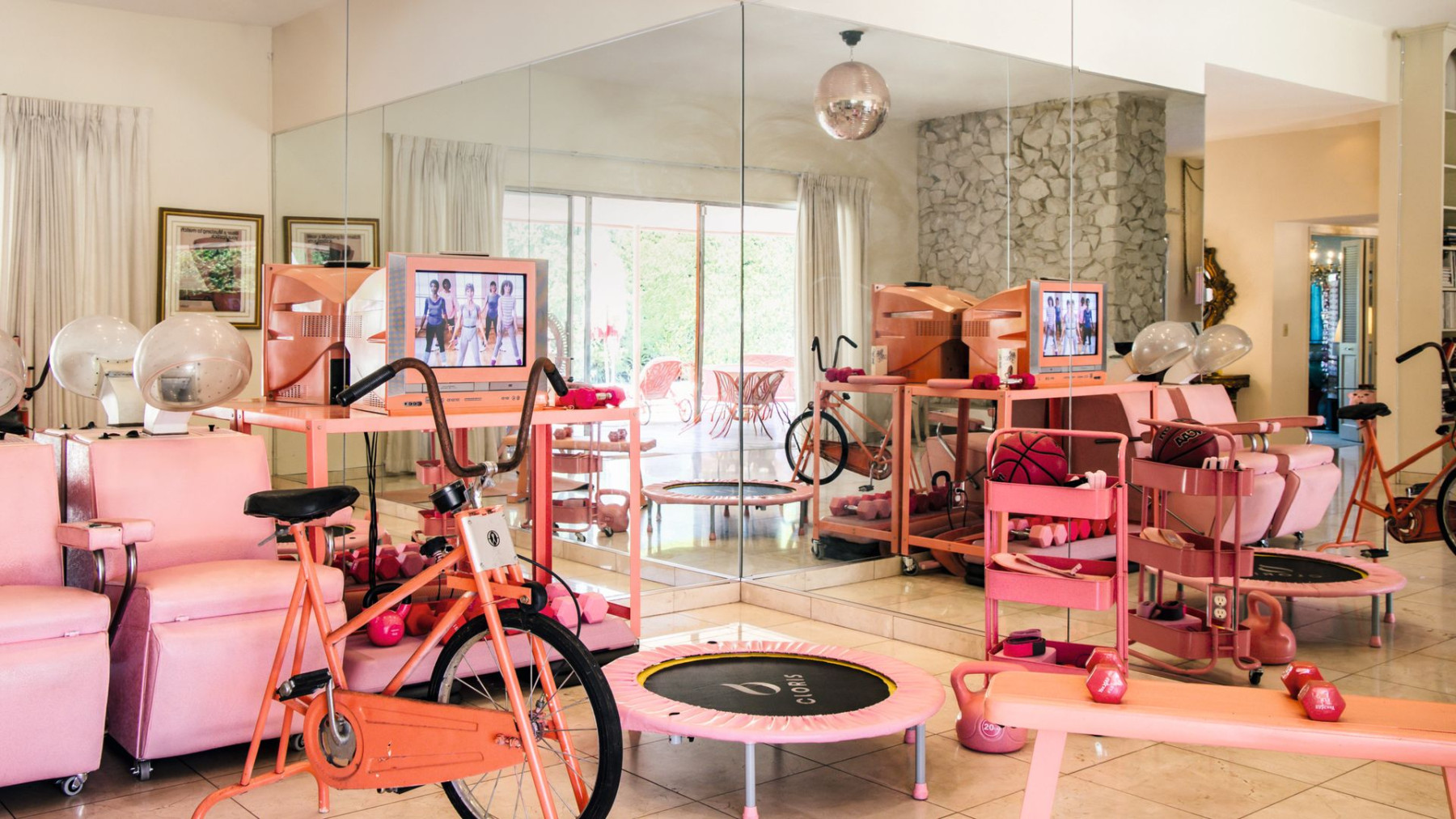
The living room runs in pinks and reds. Here she has combined original sixties and seventies elements she found in the house - a shaggy shag-style rug, a velvet sofa, brass details - with a cinematic aesthetic. There is also a pink piano and a personalised accordion. In the kitchen and dining room, yellow, green and gold dominate, and the chairs around the table are shaped like hands.
But behind all that fantasy there is no childhood full of privilege. Quite the opposite. Born in Texas, raised in Colorado, brought up by a single mother who gave her one lesson that marked her: creativity is worth far more than money.
"My mother is my greatest inspiration," Nelson says. "She was a single parent and she raised me with creativity instead of money. We did not have much, but she taught me that imagination, determination and resourcefulness take you much further than material things."
The path began with a photography class at a high school in Colorado. She studied at the Brooks Institute of Photography in Santa Barbara, then moved to New York and spent eleven years there building a career. That apartment, she says, was essentially one enormous photo studio - not a single picture on the walls, almost no decoration. "It was not really a home." New York meant survival and ambition for her; Los Angeles means freedom and a life she built the hard way.
The most common misconception about her, she says, is that she comes from a wealthy family - because of the colourful world people see in her photographs. The second is that her style is attention-seeking. "For me it was never about standing out for the sake of standing out. It is the most authentic expression of who I am."
That is the difference between "she wants to be noticed" and "this is how she likes it", and it is not an easy one to make. Nelson says it took her years to stop trying to meet other people's expectations and turn toward what genuinely interests her. Only after that did the confidence arrive.
Finally she is asked what she is proudest of. Not a cover, not a campaign. "The greatest achievement is not one photograph or an award. It is that I created a life in which my imagination became my profession, and my home a canvas for imagination." The house, then, is not a backdrop for the work. It is the work.
The latest 10 news from this category
The stairwell has been turned into a gallery, and in the bedroom there is not a single attempt at an...

In the vast majority of flats the ceiling stays white because that is how it was found - not because...
It is not hoarding and it is not maximalism. Ten things that used to be hidden when guests came and...
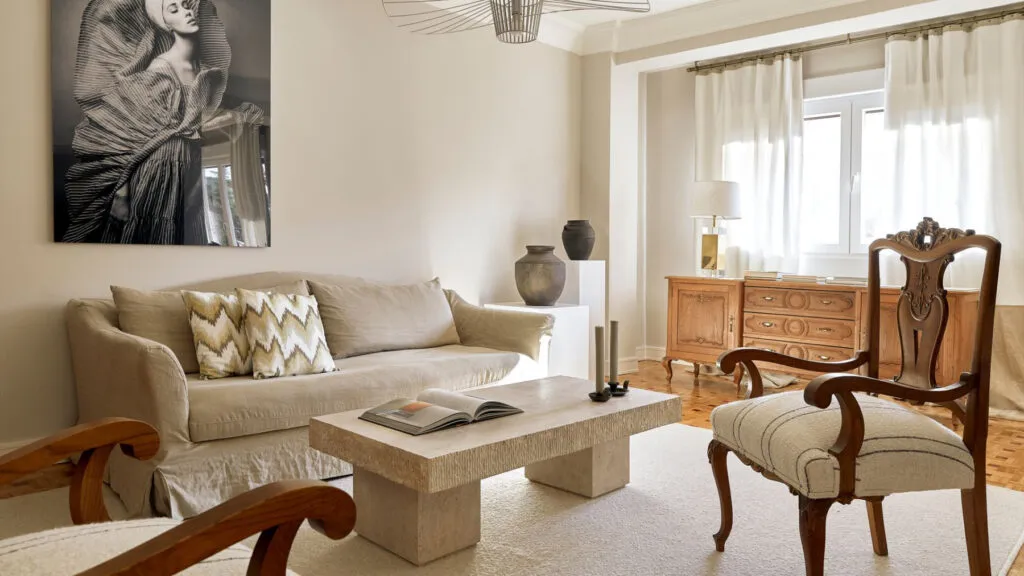
A bespoke console, reupholstered armchairs and wallpaper hung like art. The most expensive thing in the flat is the decision...
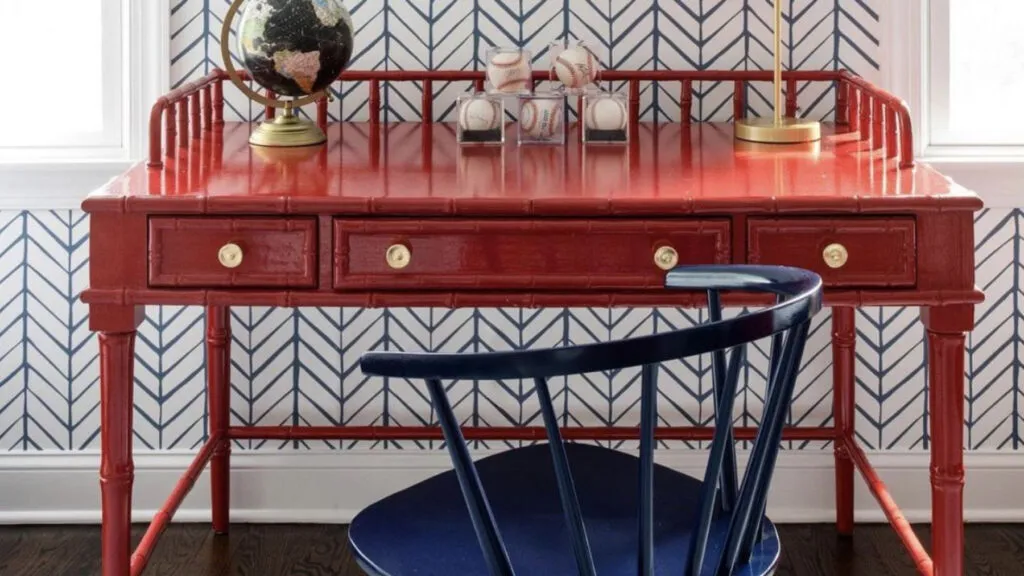
For years the rule was everything neutral and everything from the same collection. The result is a living room that...
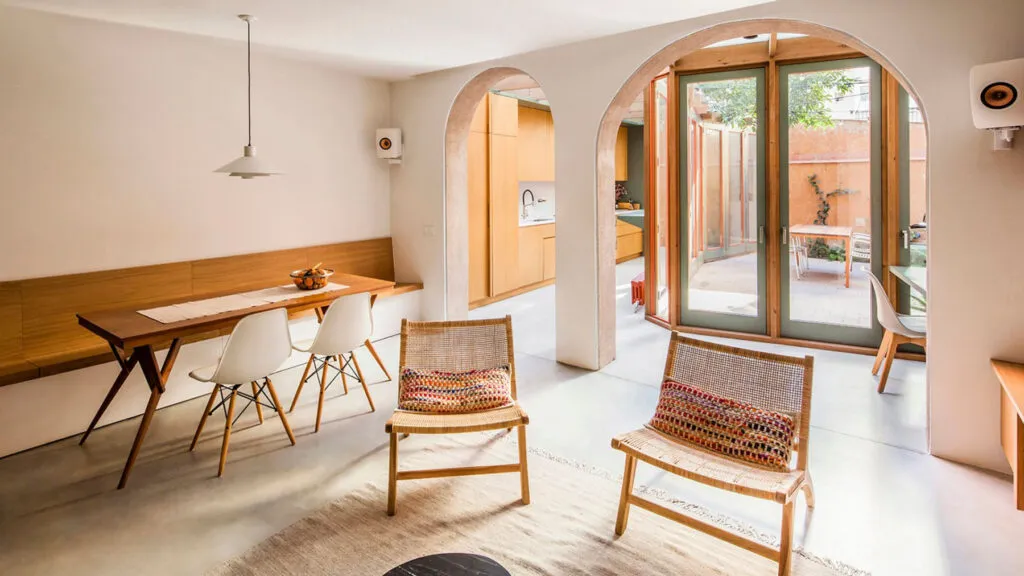
Two doors between the living room and the bedroom. That is the whole arithmetic, and that is what you lose...

Kitchen in its own room, living room separate, dining room a third, and corridors between them. The architect knocked down...
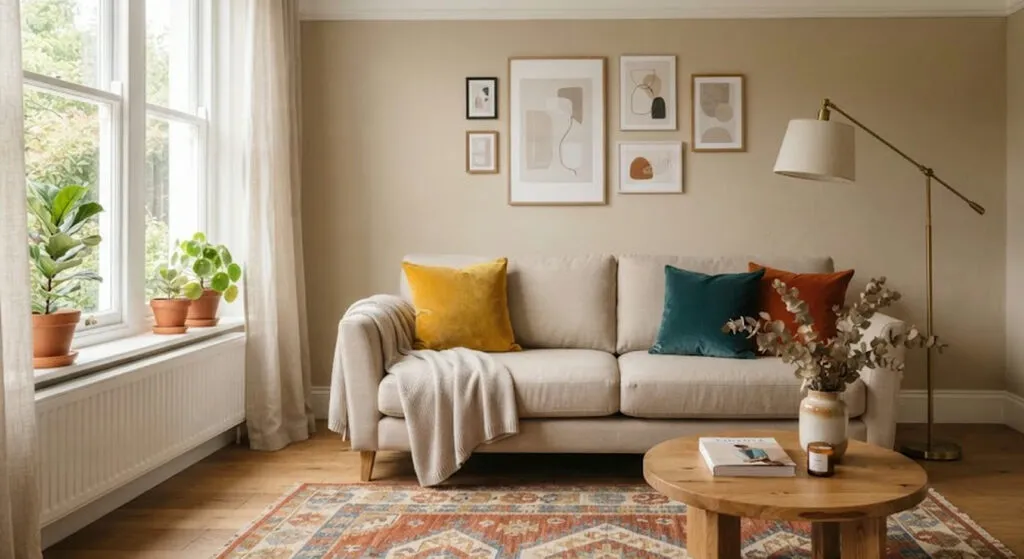
Interior designers have one formula to stop a home ending up either as a catalogue or as a storage unit....
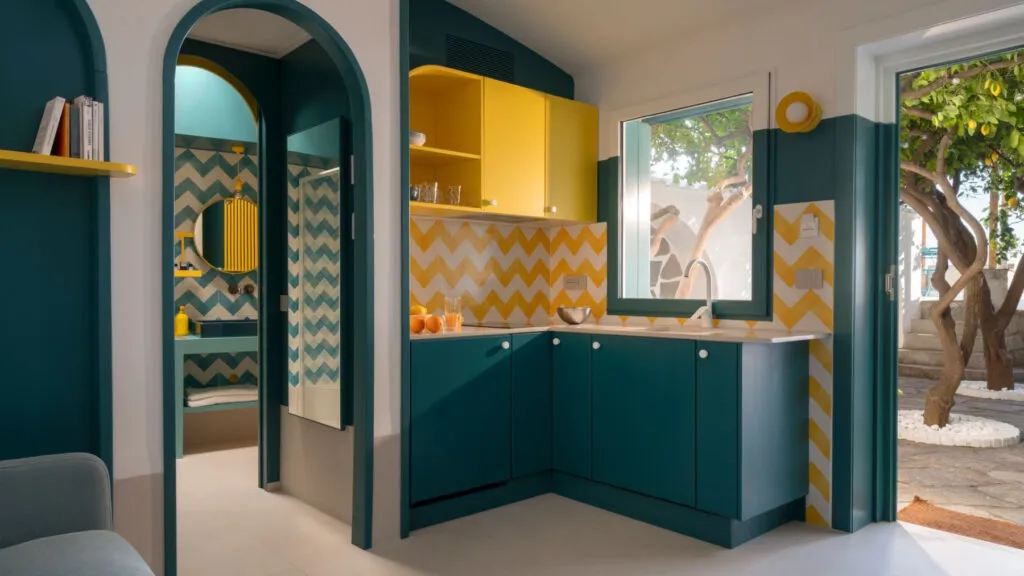
A forgotten flat in Posillipo, two colours taken from the fishing boats and the lemons outside, and furniture in which...
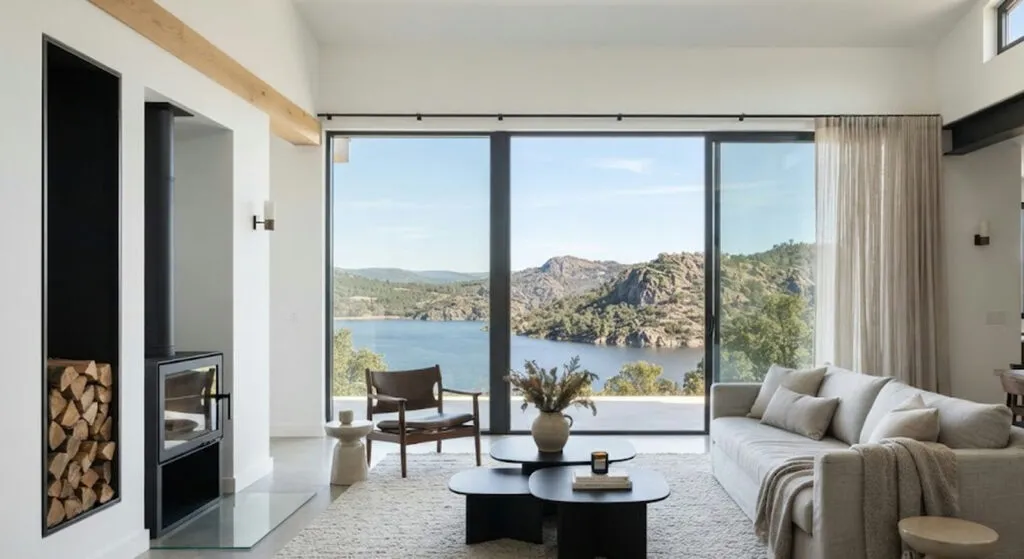
Three hundred square metres, four bedrooms and one decision that dictated every one after it: the view of the water.
This site uses cookies - is that okay? Learn more
Be the first to know when Metla launches something new
Leave your email and we will write when there is a new guide or something new on Metla.
