


Two Schoolyard Assaults Reported in a Single Day: the Police Promised Measures, the Education System Said Nothing
19.09.2026


19.09.2026

19.09.2026

19.09.2026

19.09.2026

19.09.2026

19.09.2026

19.09.2026

18.09.2026

17.09.2026

19.09.2026

19.09.2026

18.09.2026

19.09.2026

19.09.2026
19.09.2026
19.09.2026

18.09.2026

17.09.2026

19.09.2026

19.09.2026
19.09.2026

19.09.2026

19.09.2026
18.09.2026

09.03.2026

27.02.2026

19.02.2026

19.09.2026

18.09.2026

17.09.2026

23.04.2026

23.04.2026

12.04.2026


The classic bob leaned its whole life on one promise: the day you walk out of the salon, the line is perfect. What came afterwards - the four weeks in which the hair grows and the cut slowly falls apart - interested nobody. The new version, called the after bob, changes exactly that calculation. The cut is designed to look better as it grows out, not worse.
The difference is in the construction. Instead of a sharp straight line, it works with soft layers and texturing. The length usually sits somewhere between the jaw and the neck, but that is a starting point, not a rule. The aim is a cut that does not demand constant salon visits or half an hour with a hairdryer every morning, but accepts what the hair naturally does.
"I think more and more about how that hair will look in four or five weeks," says Noelia Jiménez, who is behind the concept. Felicitas Ordás, president of Club Fígaro, describes it as a cut with "soft layers and texturing that create movement".
That is a sentence worth holding on to. A hairdresser thinking about week five rather than day one is working against the salon business model - because a cut that does not fall apart means coming back less often. When someone in the industry suggests you visit them less, that is at least worth hearing out.
The cut shares DNA with several international variants - the airwave bob and the varsity bob - and gained visibility through Margot Robbie, Emma Stone, Keira Knightley and Zendaya. The fact that four different faces with four different hair types wear the same cut says more about adaptability than about the trend.
What you gain in practice: fewer tools, fewer products, fewer appointments. What you lose: that image in the mirror on the day of the cut, when everything is perfectly symmetrical. Everyone can work out which is worth more to them.
The latest 10 news from this category
An industry that spent decades selling a flawless illusion is suddenly showing the shoot itself. That is not candour -...
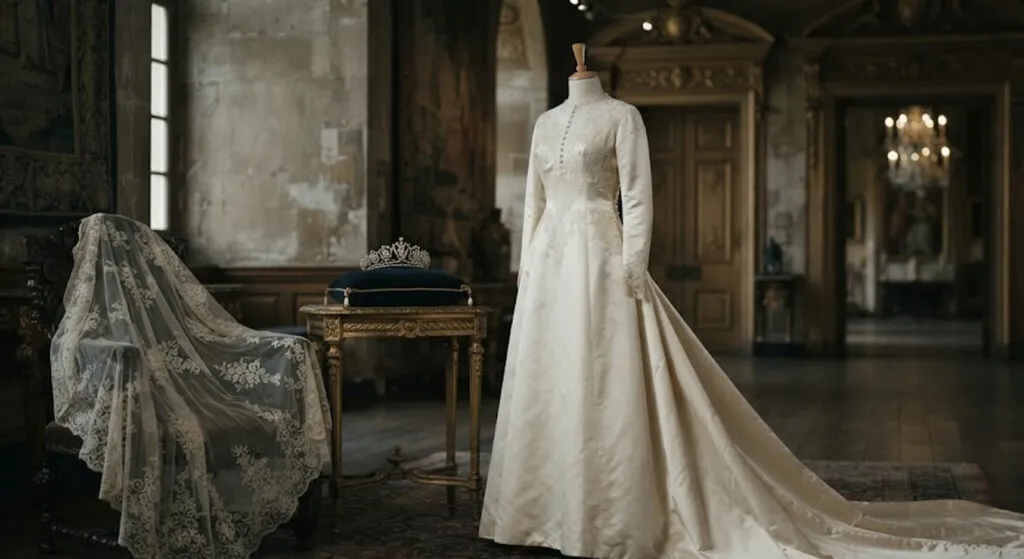
The crowns were held by four men who would all later sit on thrones of their own. Nobody in that...

Kate Middleton dropped the beige and the same cut suddenly looked twice as expensive. The industry sells a new silhouette...
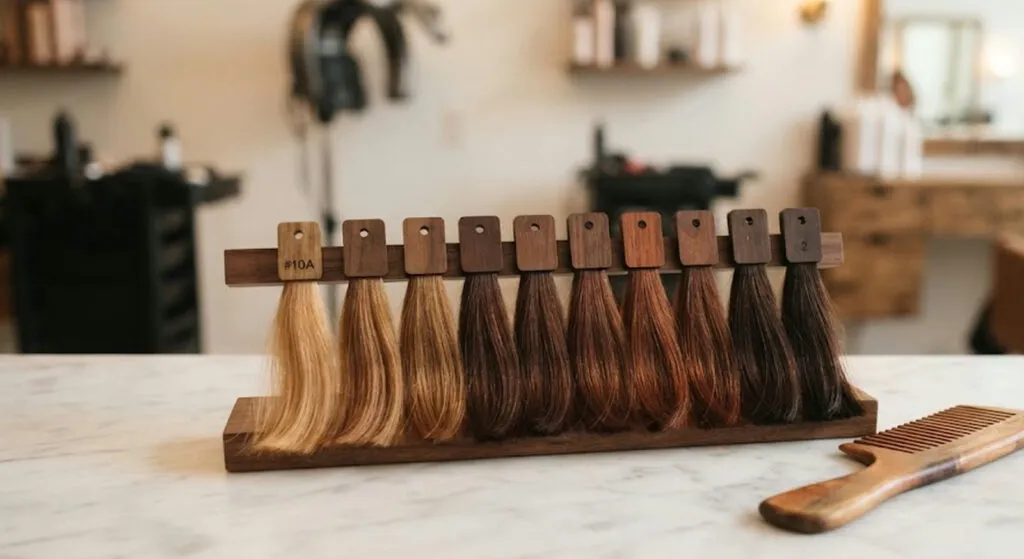
A shade close to your natural one means the regrowth does not draw a line - and that you go...
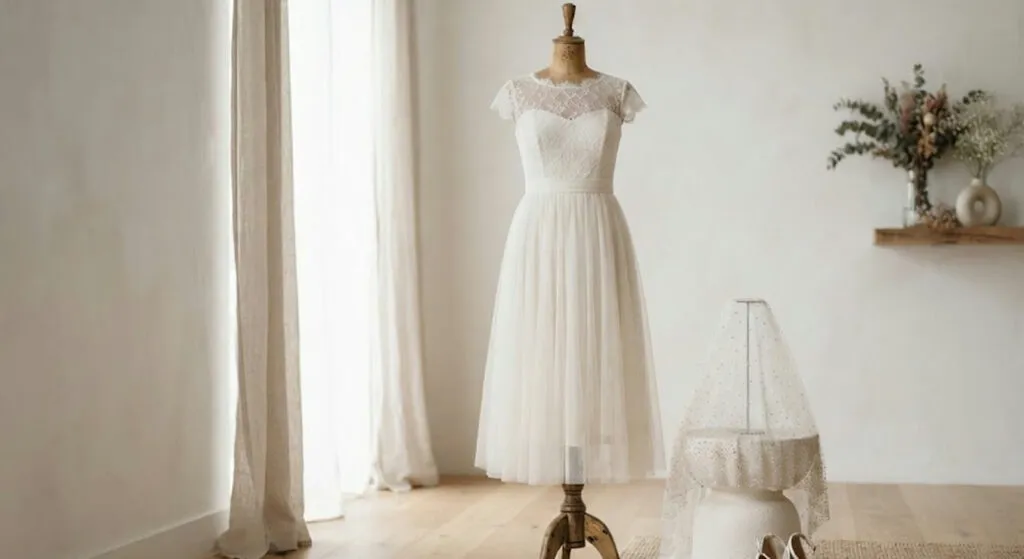
A bride who does not hide behind a long sleeve and a closed neckline. How many Macedonian second marriages mean...

For forty-five years one brand has been selling the same white shirt. In an industry that abandons itself every six...
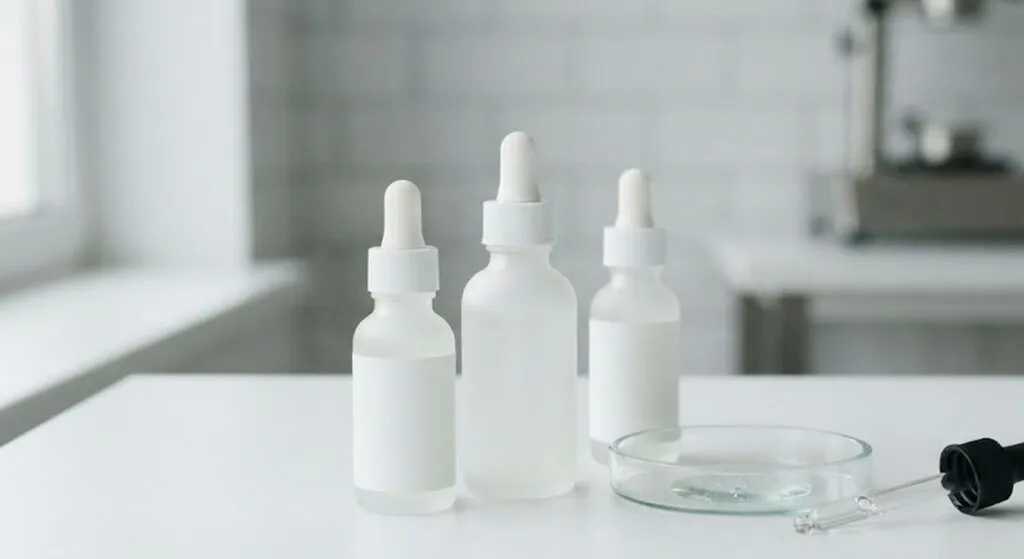
Colourful packaging has given way to white bottles and pharmaceutical language. One question stays the same: what does it say...
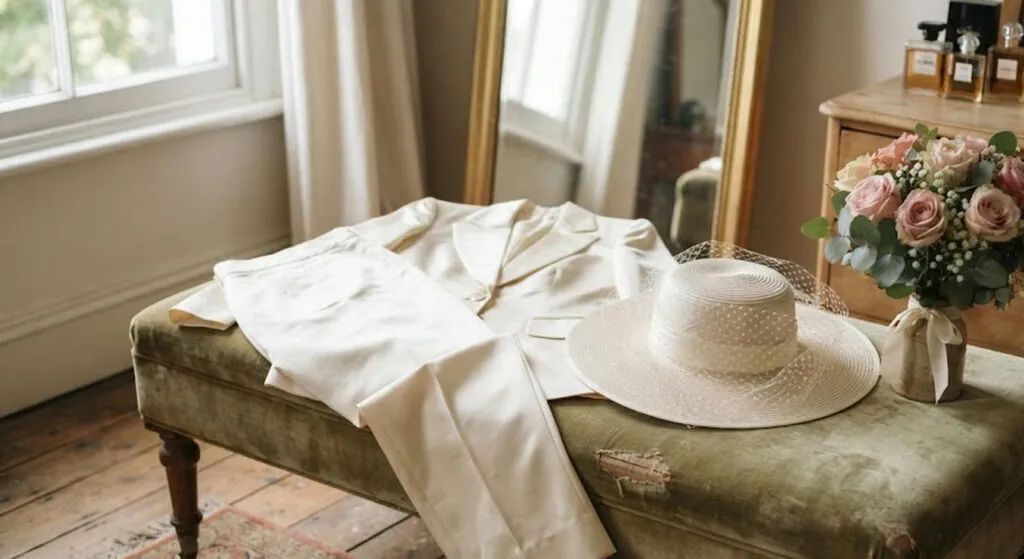
An Yves Saint Laurent suit instead of a white dress, a yellow coat instead of a veil. Fifty years on,...
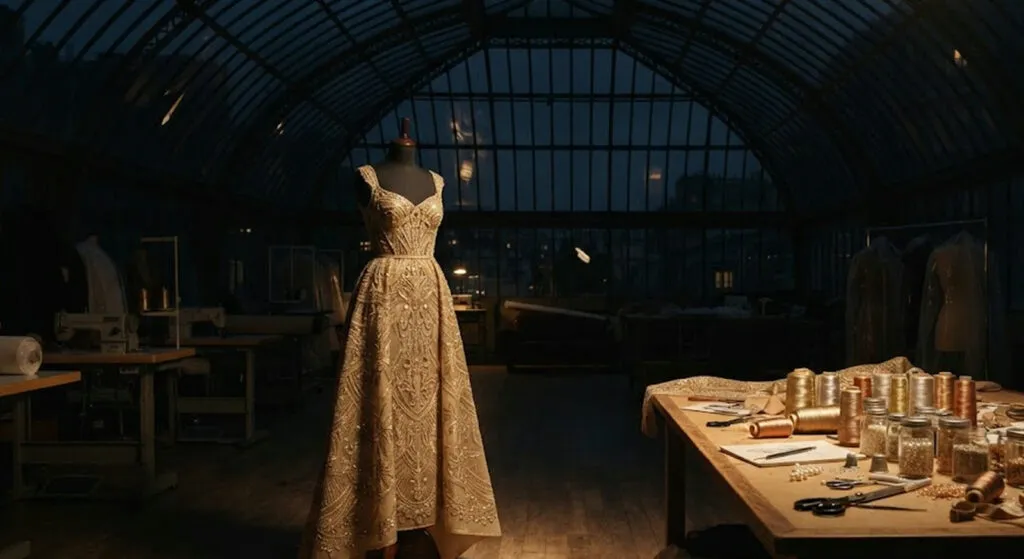
Hannibal Laguna showed his collection in the Crystal Gallery of the Cibeles Palace - golden reflections and hand embroidery. The...
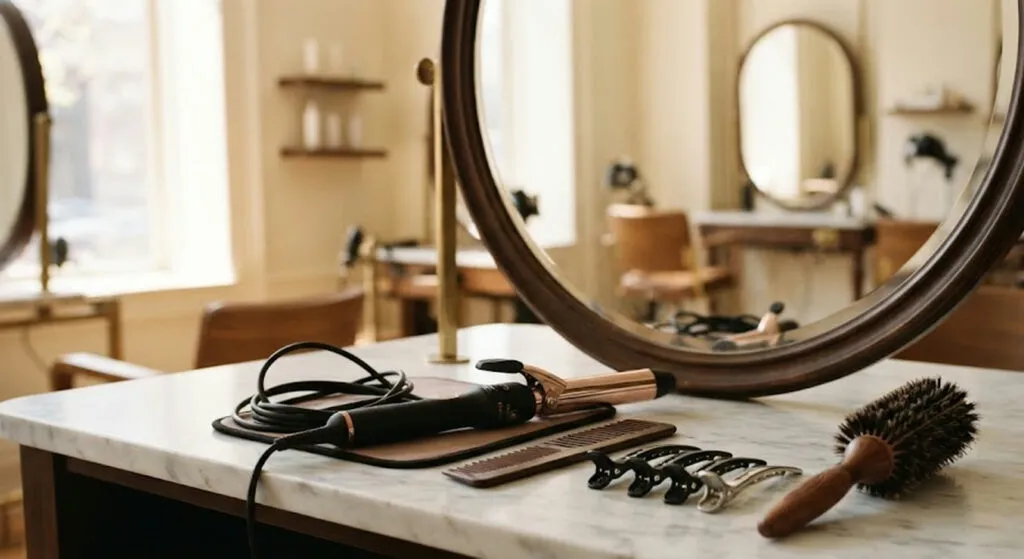
Almost every version starts with a flat root, and the real work is done by the cut. A stylist said...
This site uses cookies - is that okay? Learn more
Be the first to know when Metla launches something new
Leave your email and we will write when there is a new guide or something new on Metla.
