

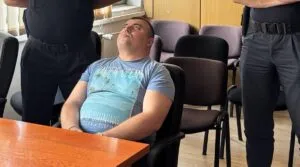
The Two Survivors of Staro Nagoricane Testified: "He Beat Me for a Full Hour" - and the Experts Wrote That the Risk of Repetition Is High
01.09.2026


01.09.2026

01.09.2026
01.09.2026

01.09.2026

01.09.2026
01.09.2026
01.09.2026
31.08.2026
30.08.2026

01.09.2026

01.09.2026

31.08.2026
01.09.2026

01.09.2026

01.09.2026
01.09.2026

31.08.2026

30.08.2026

01.09.2026

01.09.2026

01.09.2026

01.09.2026
31.08.2026
30.08.2026

09.03.2026

27.02.2026

19.02.2026
31.08.2026

30.08.2026
29.08.2026

23.04.2026

23.04.2026

12.04.2026
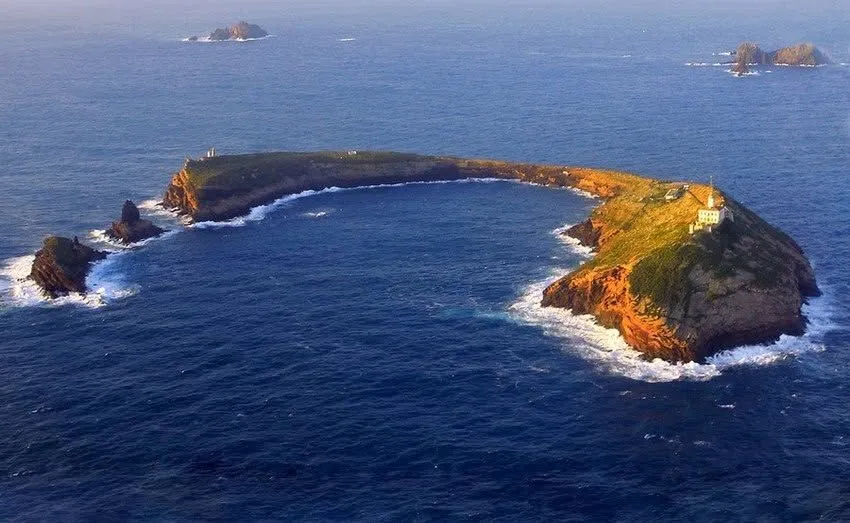
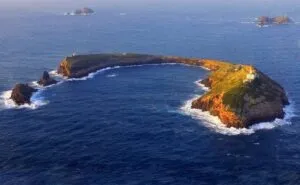
Fifty kilometres off the coast of Castellón, in the open Mediterranean, sits a ring of rock that from the outside looks like half an island. It is not half. It is what remains of a volcano's crater - and the boat that takes you there sails literally inside it.
The Columbretes are four groups of islands: Illa Grossa, la Ferrera, la Foradada and el Carallot. Together they hold nineteen hectares of land. The caldera is almost 800 metres across, and the mouth of the bay you enter through is 340 metres. The volcanic activity that created all of it is between 1.3 million and 300,000 years old, and the underwater volcanic field beneath them stretches 90 by 40 kilometres, at depths of 80 to 90 metres.
Only one island is open, and even then with a quota
Landing is permitted only on Illa Grossa, with a daily visitor quota and rationed climbs approved by the regional authority. That is not a tourist gimmick for the sake of exclusivity - it is the reason the place still looks the way it does.
The Greeks and Romans called them Ophiusa and Colubraria - the islands of snakes, because they were literally full of them.
The lighthouse and the solitude
Construction of the lighthouse began in October 1856 and it entered service three years later, with French optics that cast light as far as 21 nautical miles. People lived there for decades - until 1975, when solar panels made a permanent human presence unnecessary. That is when the island emptied.
What lies under the water
Since 1988 the Columbretes have been a nature park, the first protected area in the province of Castellón, and later a marine reserve with additional European protections. The result of almost forty years of protection is immediately visible: the seabeds are among the best preserved in the Mediterranean, and large groupers swim past divers without fleeing. Fish that do not flee from humans is the most direct indicator that nobody has fished there in decades.
On land lives the Columbretes lizard, an endemic species with a body of five to six centimetres. Above it - Eleonora's falcon, Audouin's gull, the storm petrel and the cormorant.
Why this is worth knowing
This island is proof that a quota works. Fifty kilometres from shore, not one hotel, a daily limit on people - and after four decades the sea beneath it is among the healthiest in the whole Mediterranean. Does anyone here, on Lake Ohrid or Lake Prespa, even open that account when it comes to visitor numbers?
The latest 10 news from this category
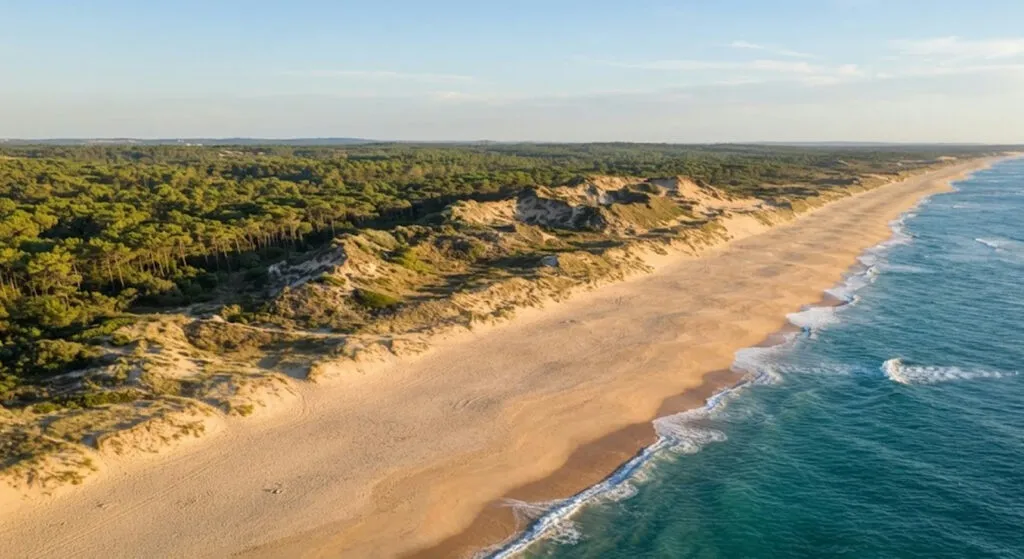
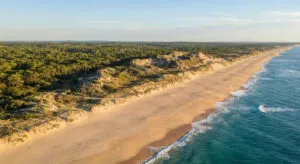
The August crowds are gone, the water stays warm for weeks. One beach has no shower and no shade -...

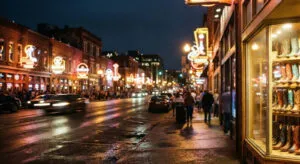
The capital of country music does not geographically sit on the legendary Highway 61 - you have to turn off....
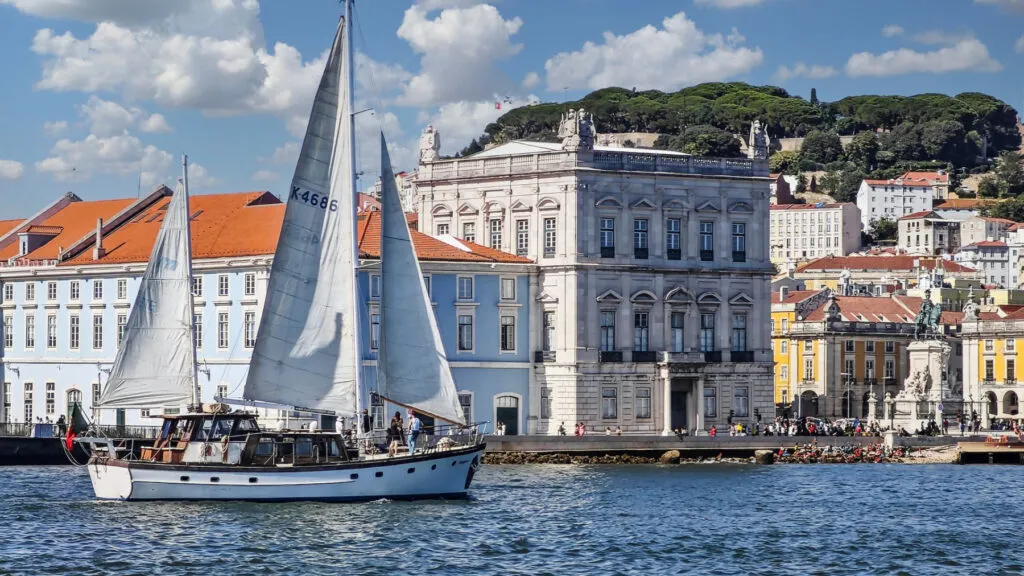
An hour on a sailing boat costs 25 euros, sunset 43. The best detail in the city is a rhinoceros...
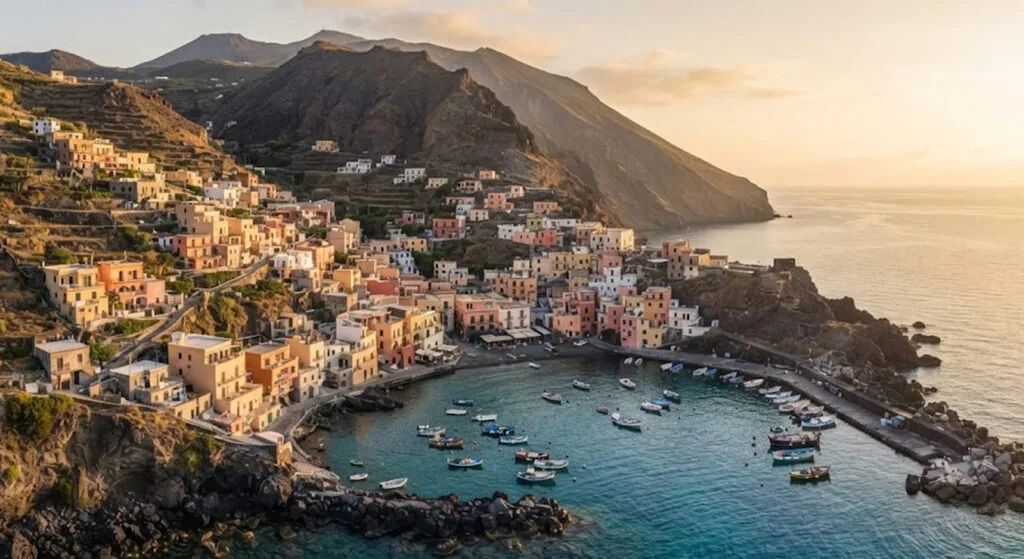
Of the six, only two are inhabited year-round and two are practically empty. Next time you hear the Union was...
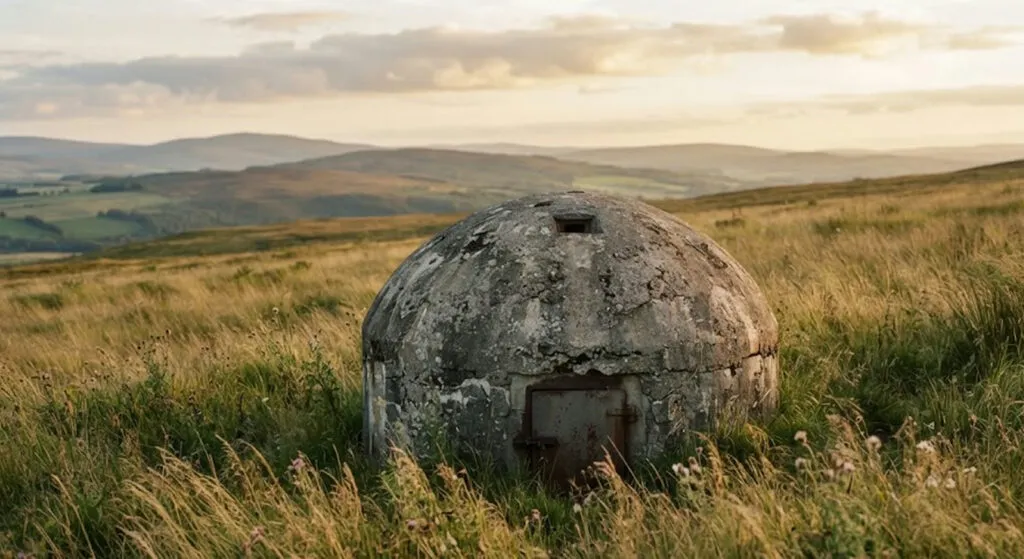
The pyramid raised in the dictator's honour is now an arts school. We are still arguing about whether to open...
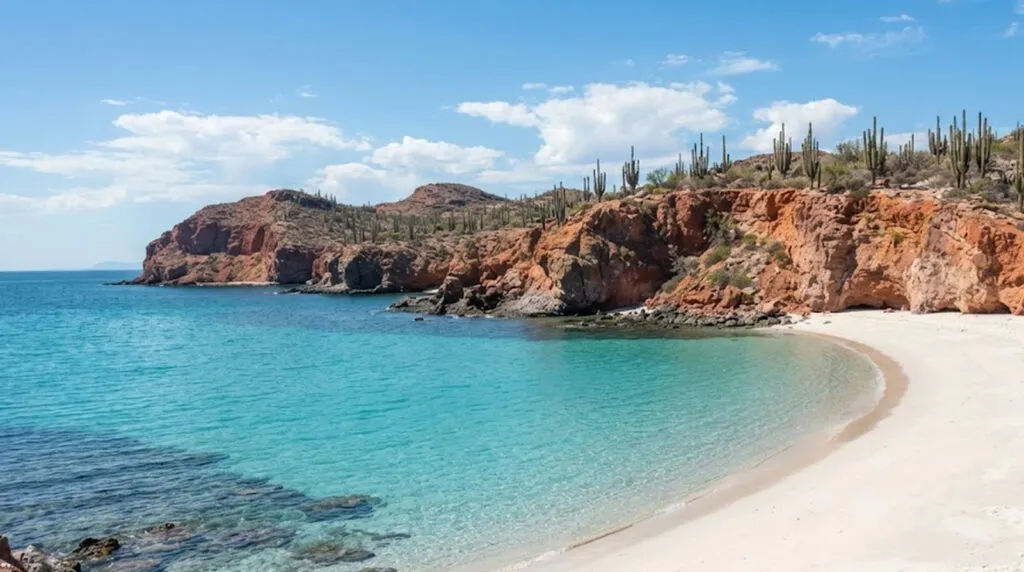
Cousteau called the Sea of Cortez the world's aquarium - 900 marine species and 33 mammal species back the name...
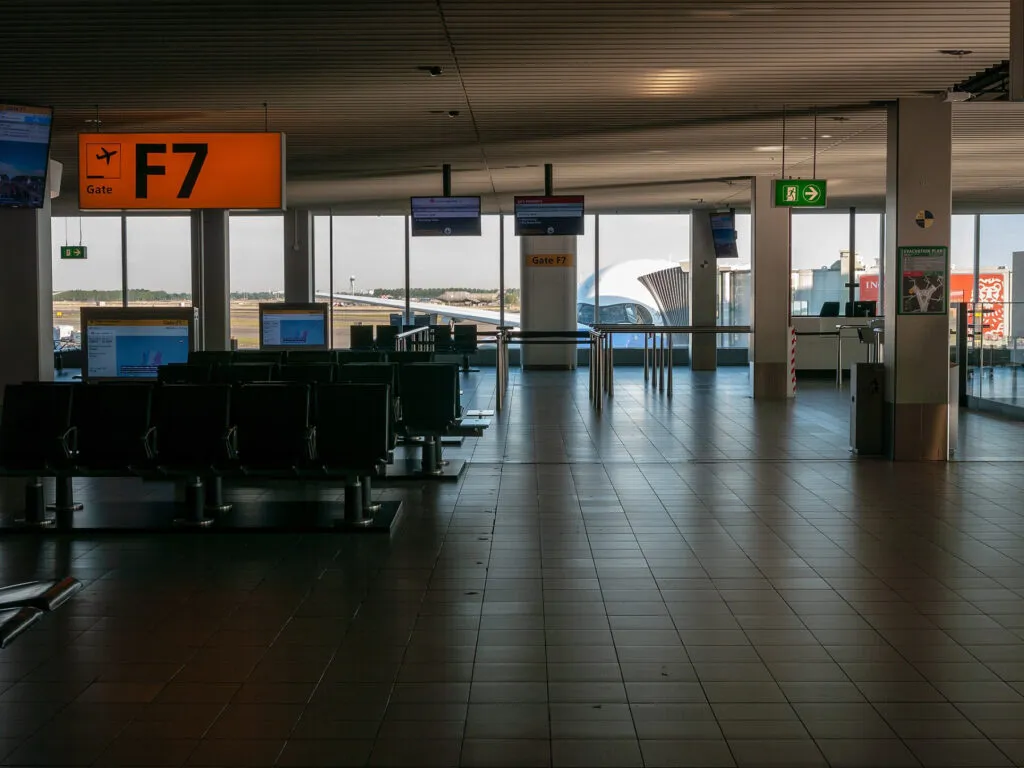
Half an hour of reading before you pay for the ticket solves all ten. The question is why we never...
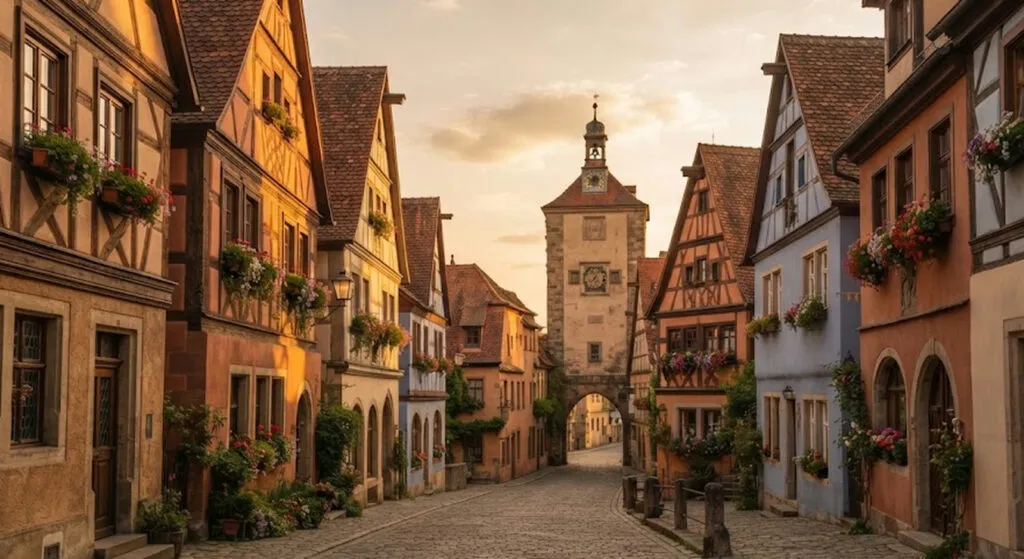
Rothenburg ob der Tauber kept the street layout of six hundred years ago, and the wall around it runs four...
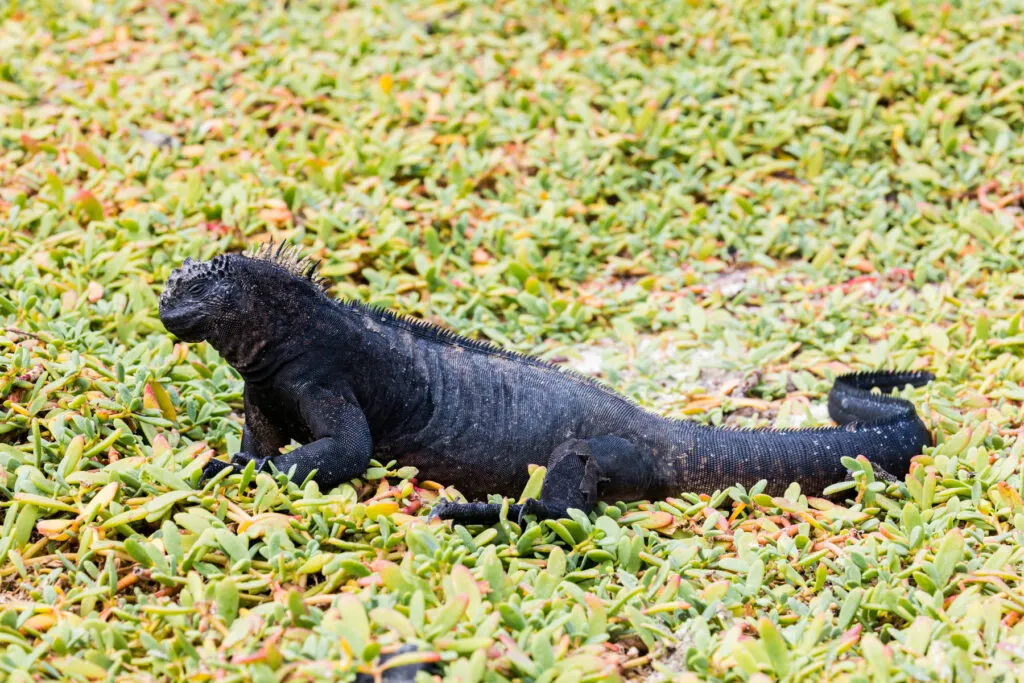
A thousand kilometres out into the Pacific, 13 large islands and species that exist nowhere else. The strict rules there...
A 12th-century castle, a museum with 17,000 objects and surfers in the river in the middle of town. Thun is...
This site uses cookies - is that okay? Learn more
Be the first to know when Metla launches something new
Leave your email and we will write when there is a new guide or something new on Metla.
