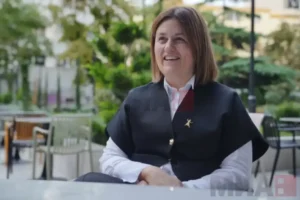
Debar woman reported a 3,000-euro burglary at her home - police found she had made it up
14.10.2026


14.10.2026

14.10.2026

14.10.2026

14.10.2026

14.10.2026

14.10.2026

14.10.2026

13.10.2026

13.10.2026

14.10.2026

14.10.2026

13.10.2026

14.10.2026

14.10.2026

14.10.2026

14.10.2026

13.10.2026

12.10.2026

14.10.2026

14.10.2026

14.10.2026

14.10.2026

14.10.2026

14.10.2026
13.10.2026

12.10.2026

10.10.2026

23.04.2026

23.04.2026

12.04.2026


Bumble, the dating app where only women send the first message, is getting a new owner. The company announced it has agreed to a 1.3-billion-dollar (about 1.1 billion euros) buyout by Ithaca Holdings, which will take it off the stock market. In 2021, when it went public, it was valued at around 14 billion dollars (about 12 billion euros). Five years later it's selling for less than a tenth of that figure.
Bumble was founded by Whitney Wolfe Herd in 2014, and the idea of women making the first move set it apart in a crowded market of dating apps. The idea took it to the stock market, but it didn't protect it from what came next.
The numbers are merciless. In the second quarter of 2026, revenue was 211 million dollars (about 180 million euros), down 15.2 percent on the same period last year. The number of paying users fell by 16.4 percent, to around 3.2 million. Swiping is clearly getting harder and harder to charge for.
The sale was recommended by an independent committee of the board, after a review of strategic options and consultations with outside legal and financial advisers. Wolfe Herd, according to the announcement, did not take part in the discussions or vote on the deal. But she isn't leaving. "In Ithaca we have found a partner who shares our vision, believes in our women-first mission and is committed to investing in Bumble's future," she said. She will continue to work actively with Ravi Gupta and John Hegeman of Ithaca.
Off the stock market, Bumble will no longer have to explain to investors every three months why the numbers are falling. The company is already experimenting with AI features and in-person dating. In July it launched Plans, an app that connects people through real-world activities, and Wolfe Herd has announced a new way of interacting that could one day replace swiping.
The irony is hard to miss: the industry that turned meeting someone into a flick of the thumb is now looking for salvation in meeting in person. In the Balkans, where coffee with friends is almost an institution, did we ever really need an app for that?
The latest 10 news from this category
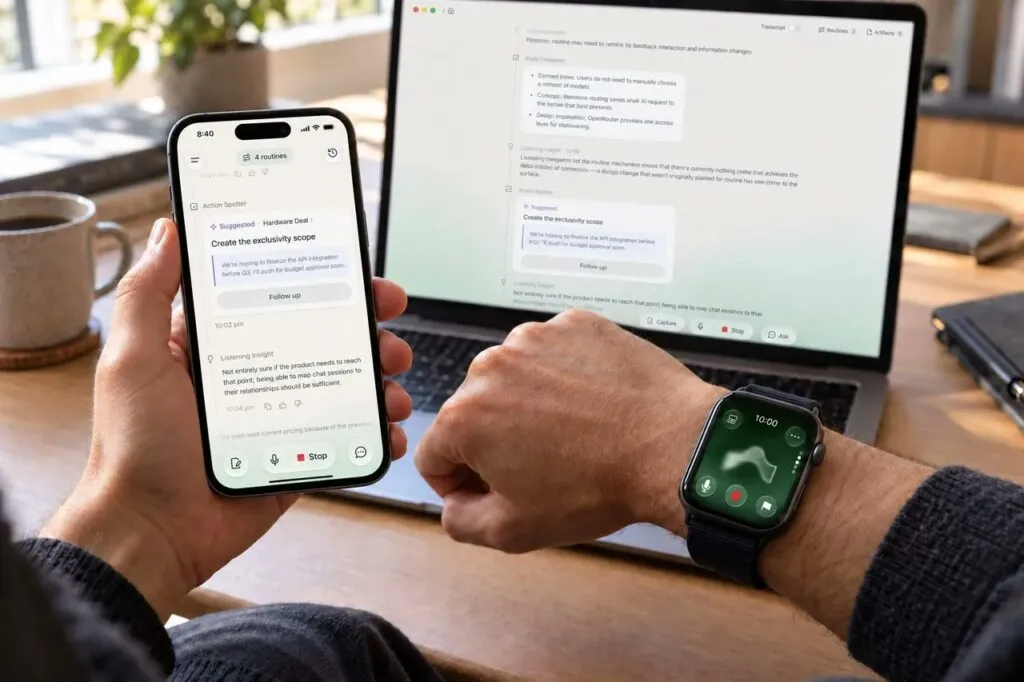
A former Plaud executive promises an assistant that gives you advice while the meeting is still going on. The price...

The new owner promises full shelves and competitive prices. How much a chain with over 30 years of history cost,...

While money pours into AI start-ups, a device that pulls toxins out of children's blood has quietly made it into...

The company valued at 126 billion dollars has so far lived off investors, and now it is borrowing from Blackstone...

Proex International has taken over the chain the Todorović family spent 30 years building. Nobody mentions the price, but there's...
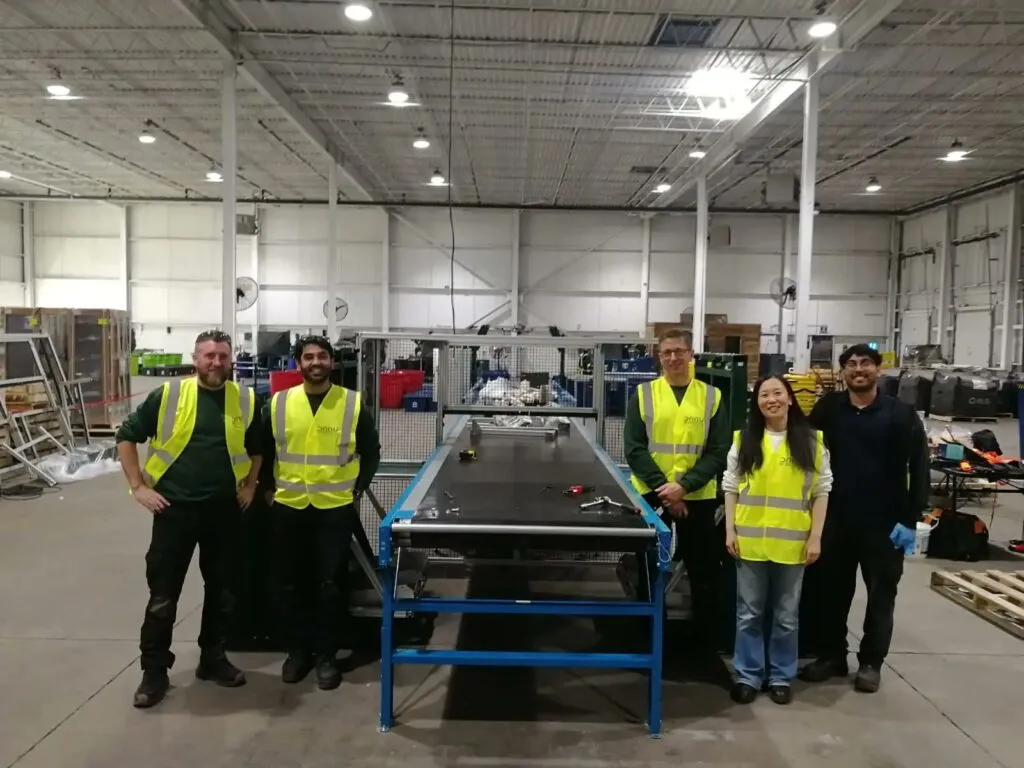
Signed contracts worth half a million dollars, a market estimated at twenty billion and a robot with a gripper instead...
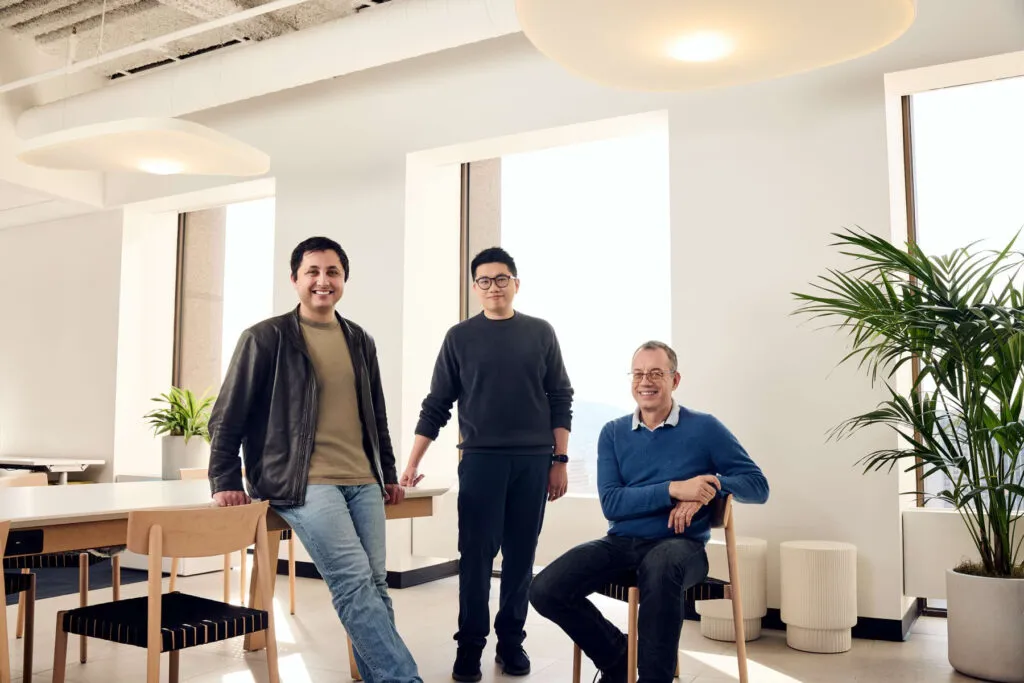
From university project to 3.1 billion dollars in three years. Arena ranks AI models, and the labs whose models it...

Nine out of ten of the fund's investments are outside the US, and Europe got 12 new investments in six...
Their first idea had no future, so the three founders torched it. The second hit over a million dollars in...
Andreessen Horowitz is leading the round, and the box promises your data stays with you alone and that it will...
This site uses cookies - is that okay? Learn more
Be the first to know when Metla launches something new
Leave your email and we will write when there is a new guide or something new on Metla.