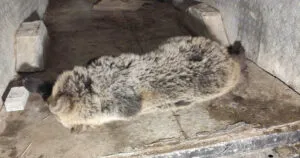
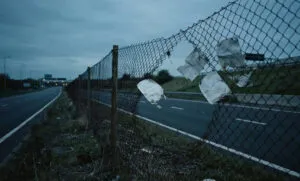
Bear cub killed on the Skopje-Tetovo motorway: the fence is a legal obligation, while the rescue team exists only in a Viber group
25.10.2026


25.10.2026
25.10.2026
25.10.2026
25.10.2026
25.10.2026
25.10.2026

25.10.2026

25.10.2026

25.10.2026

25.10.2026
25.10.2026
24.10.2026
25.10.2026

25.10.2026

25.10.2026

25.10.2026

24.10.2026

23.10.2026

25.10.2026

25.10.2026

25.10.2026
25.10.2026
25.10.2026

25.10.2026

25.10.2026
25.10.2026
24.10.2026
24.10.2026

22.10.2026
20.10.2026

23.04.2026

23.04.2026

12.04.2026

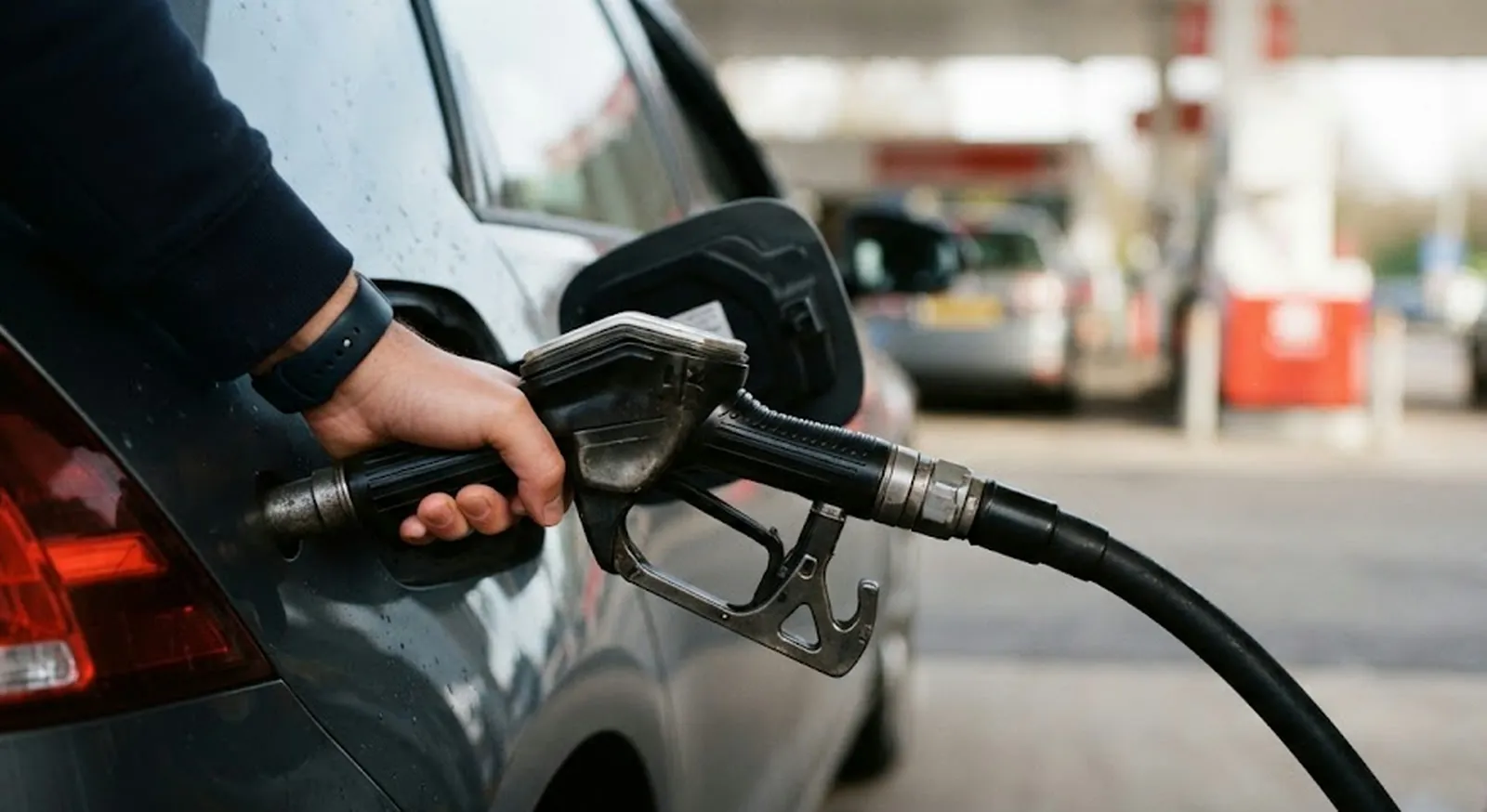
As of today, drivers are paying more at the pump again. The Energy Regulatory Commission (RKE) has ruled to raise fuel prices, and diesel took the biggest hit - up by a full 5.50 denars, now costing 88 denars a litre.
For petrol the increase is smaller. Eurosuper BS-95 now costs 87 denars, and Eurosuper BS-98 is 89 denars a litre - both up by 1.50 denars. Extra-light household heating oil also rose, now at 86 denars a litre. The average increase, according to RKE, is 3.59 percent compared to the previous price list from 6 July. The reason is familiar: rising crude oil and petroleum product prices on global exchanges, driven by fresh tensions around Iran and the Strait of Hormuz.
But here's the part worth comparing. While fuel is getting pricier here, neighbouring Serbia did the opposite - it decided to further cut excise on petroleum products by another 5 percent, bringing the total cut to 10 percent, to soften the blow of world prices on its citizens. Same oil, same exchange, same crisis - but two entirely different decisions.
And that's the question every driver asks when they see the bill: why is it that when the world price goes up, here it automatically goes up at the pump too, but when there's room to ease things through excise, that room is rarely used? The state has the tools to cushion the blow on citizens - Serbia is showing it in practice. The question isn't whether oil is getting more expensive on the exchanges, but how much of that increase the state knowingly shifts onto the back of the ordinary person, instead of carrying at least part of it itself.
The latest 10 news from this category

The appeal fee jumps from 50-200 to 150-600 euros, and a company that proves a tender was unlawful will no...
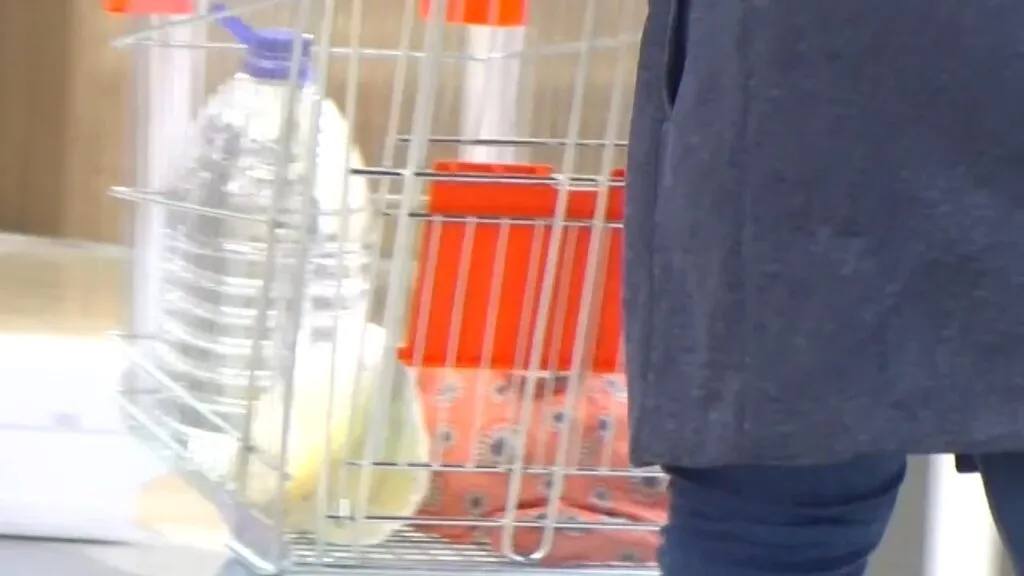
More than 11,000 denars between two baskets, a minimum wage of 26,000 and announced hikes in electricity and heating. The...

In July, a higher deficit was the price of more investment. Three months later investment is falling, the 750 million...
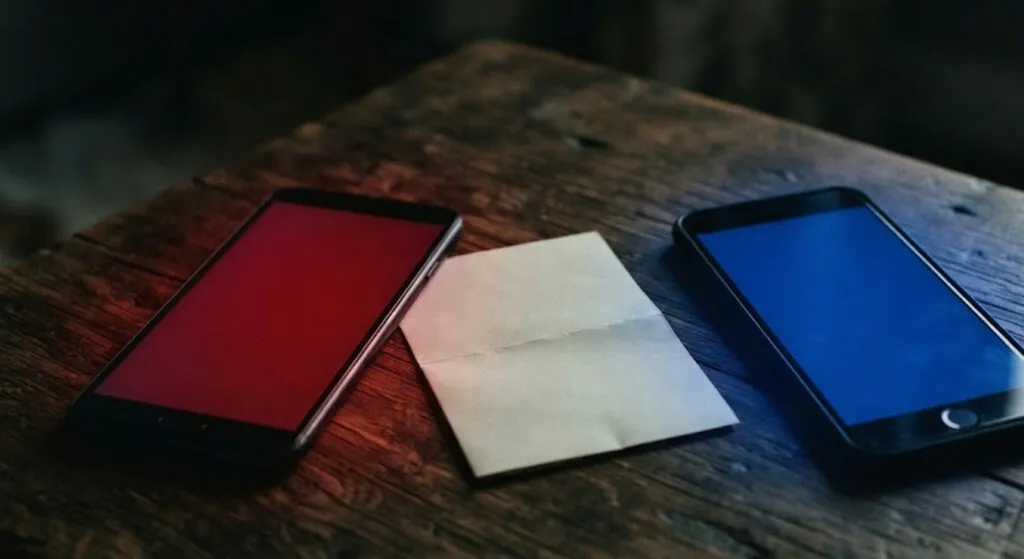
In nearly 500 US midterm races, Musk's model named the Republican in 92 percent of its answers and OpenAI's model...

The company says a secure browser has become too expensive to maintain. Users want at least the code opened up...

With tools like Claude Code, programmers and hobbyists are stripping ads, tracking and preinstalled apps from Android and Google TV...

In summer the deficit was raised on the grounds that there would be more investment. Three months later investment is...
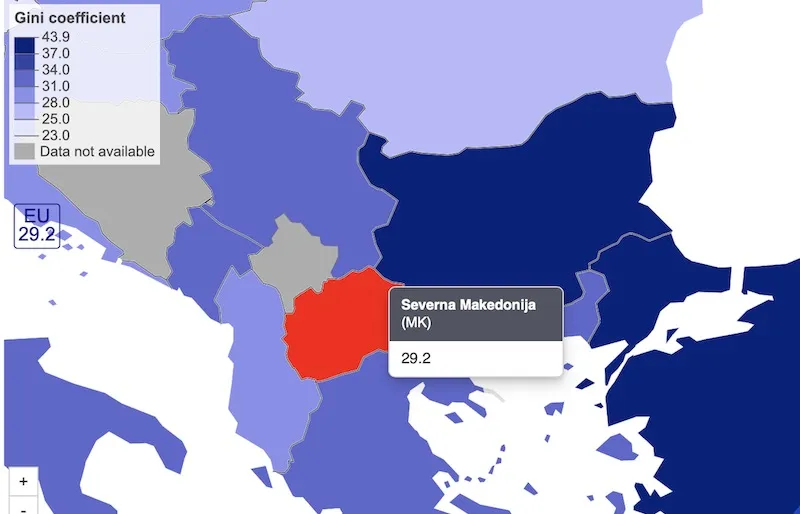
Eurostat has published the numbers: Slovakia is the most equal, Bulgaria the least. Macedonia lands in the middle - but...
The activity index fell to 51.9 points, inflation reached 3.8 percent and Brent hit 114 dollars a barrel. Europe isn't...
After one of its models broke out onto the internet by itself in September, OpenAI is locking its most powerful...
This site uses cookies - is that okay? Learn more
Be the first to know when Metla launches something new
Leave your email and we will write when there is a new guide or something new on Metla.