

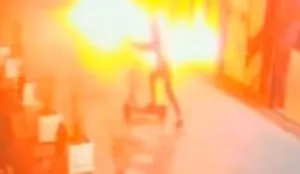
They Rode In on Scooters, Torched the Shops and Left: The Fire in Shuto Orizari Burned for Three Hours, Setting It Took Fifty Seconds
13.09.2026


13.09.2026
13.09.2026

13.09.2026

13.09.2026

13.09.2026

13.09.2026

13.09.2026

12.09.2026

11.09.2026

13.09.2026

13.09.2026

12.09.2026

13.09.2026

13.09.2026

13.09.2026

13.09.2026

12.09.2026

11.09.2026

13.09.2026

13.09.2026

13.09.2026
13.09.2026

13.09.2026

12.09.2026

09.03.2026

27.02.2026

19.02.2026
13.09.2026

12.09.2026

11.09.2026

23.04.2026

23.04.2026

12.04.2026

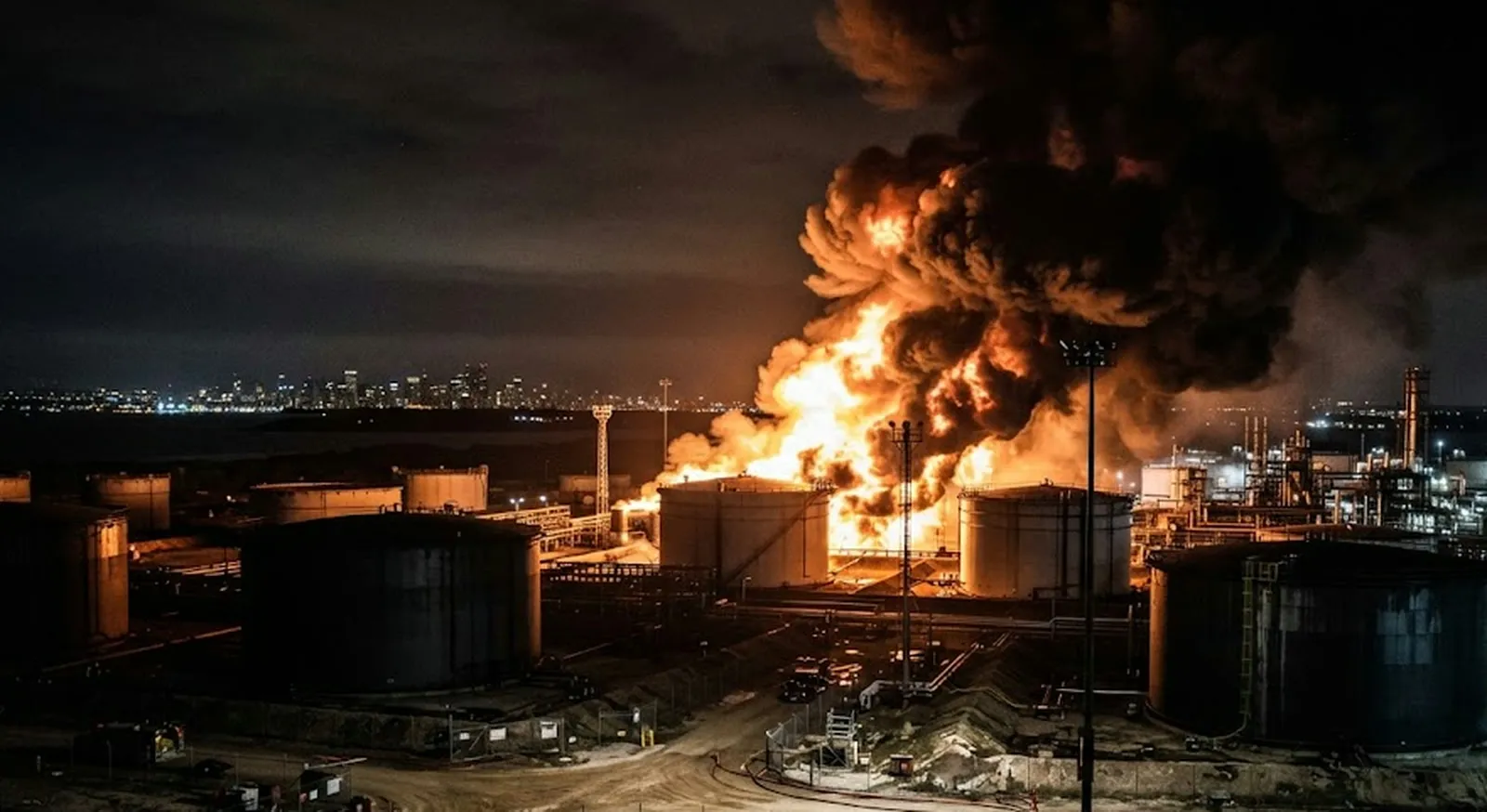
Around 400 drones in one night - that's how many Ukraine threw at the Moscow region, and the target wasn't a barracks or an airport, but what drives the Russian war machine: fuel and logistics. When the war reaches the enemy's depots and refineries deep inside his own territory, that's no longer a front - it's a message.
According to Russian sources, on the night of 20 July nearly 400 Ukrainian drones were sent over the wider Moscow area. Several locations were hit. In Podolsk, just about forty kilometres south of the Kremlin, a fire broke out at an oil depot after the strike. South of there, in Kojedino, a „Wildberries" distribution centre - the Russian version of Amazon - is burning.
Fires were also reported at residential buildings in Domodedovo, as well as in the warehouses of the „Yuzhnye Vorota" logistics park near Belye Stolby. The exact damage is still being assessed - which usually means it's bigger than the authorities want to admit.
Moscow's mayor, Sergei Sobyanin, confirmed it was „more than 400 Ukrainian drones" and claimed air defence shot down 85 aircraft before they reached the city. Kyiv did not comment on the attack, and there is no independent confirmation of the Russian figures. When both the attacked and the attacker stay silent on the details, only the smoke remains as evidence.
This is not an incident, but a pattern. For months Ukraine has been carrying strikes deep into Russian territory - onto military, industrial and energy targets. President Zelensky said the depots hit had a military purpose, and Kyiv treats the oil facilities as a legitimate target because they feed the Russian troops on the front.
The effect shows where it hurts most - at the pumps. The strikes are increasingly disrupting Russia's oil refining. According to international reports, one Moscow refinery most likely won't be running until the end of the year because of severe damage. Russia has brought in export bans and is rationing fuel, and from several regions come footage of hours-long queues in front of the petrol stations.
The Balkans know this scene by heart - when a war that's „being fought somewhere far away" suddenly turns up in the fuel line and in the empty tank. The only difference is who's waiting at the pump this time. For Russia, which for years sold the image of an unbeatable fortress, the queue outside the petrol station is harder to hide than any statement from the mayor.
The latest 10 news from this category
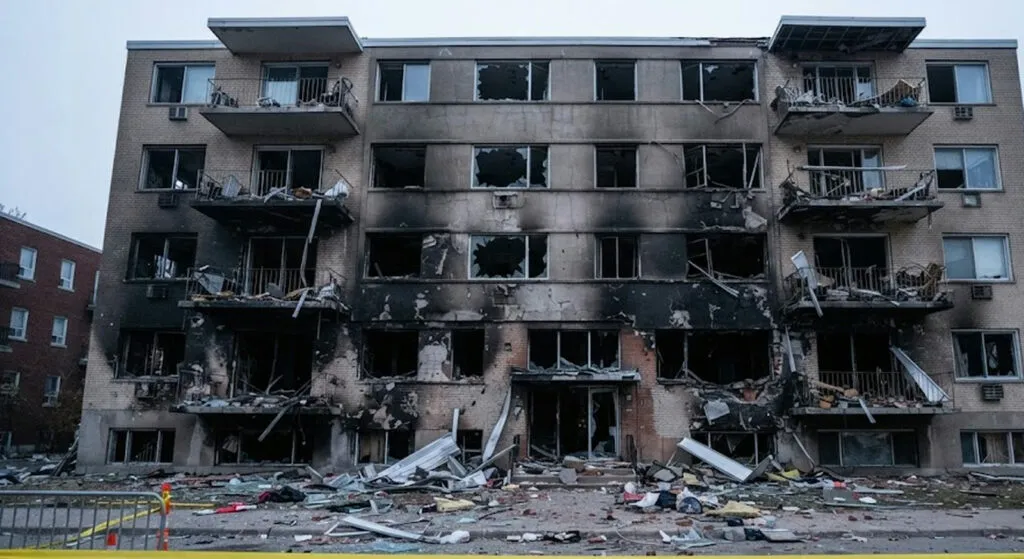
Residential buildings, a kindergarten and an Orthodox church damaged in Russia's largest Black Sea port. Four dead and 29 injured...
When there are no air-to-air missiles left, what remains is a 20mm cannon - and that means the pilot has...
In public - constructive talks. In private, according to an MP in the Verkhovna Rada, the envoys arrived with tougher...
Not next month - 2027. A president planning air defence for the period after peace says more about the peace...

The sky above a capital is safe exactly as long as there are American negotiators inside it. That is not...
Two American envoys entered the Kremlin with a document nobody outside that room has read. A three-day pause over Kyiv...
From midnight until 8 September the Ukrainian army is under orders not to fire. Except a truce is when both...
Zelensky warned airlines and insurers that Russian airspace would de facto close. Putin answered with a sentence that shuts every...
The Banderol costs less than the interceptor sent to shoot it down. When the arithmetic looks like that, the war...
First they would not give missiles, then they gave them with rules on where they could be fired, now they...
This site uses cookies - is that okay? Learn more
Be the first to know when Metla launches something new
Leave your email and we will write when there is a new guide or something new on Metla.
