


Studeničani: 35-year-old dies after being electrocuted while washing his car with a pressure washer
18.09.2026


18.09.2026

18.09.2026

18.09.2026

18.09.2026

18.09.2026
18.09.2026

18.09.2026

17.09.2026

16.09.2026

18.09.2026

18.09.2026

17.09.2026

18.09.2026

18.09.2026

18.09.2026

18.09.2026

17.09.2026

16.09.2026

18.09.2026

18.09.2026

18.09.2026

18.09.2026

17.09.2026

17.09.2026

09.03.2026

27.02.2026

19.02.2026

18.09.2026

17.09.2026

16.09.2026

23.04.2026

23.04.2026

12.04.2026

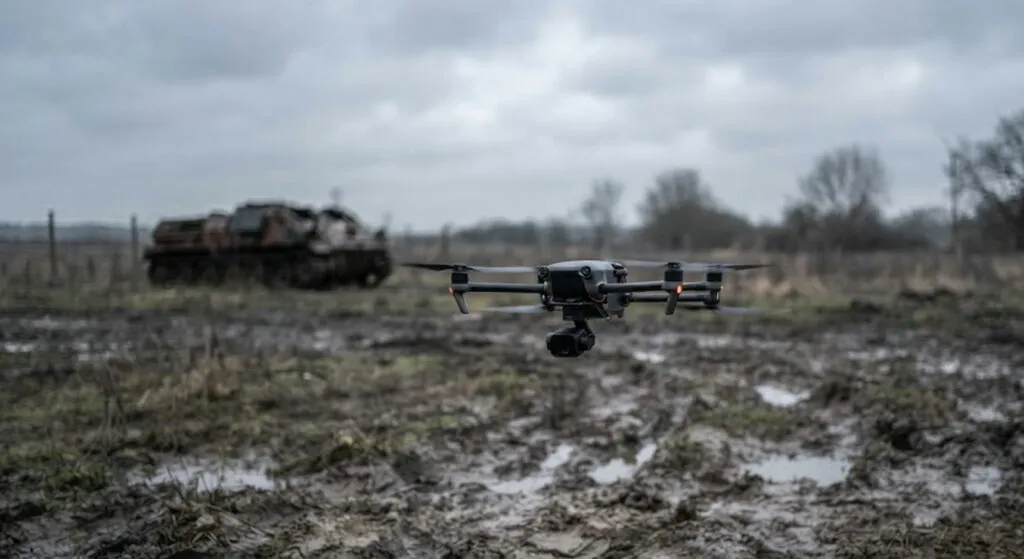
A drone costing around 5,000 dollars can destroy a tank. The sentence is not an analyst's, but that of Denys Shtilerman, co-owner of Fire Point - Ukraine's leading manufacturer of missiles and drones.
And Europe, meanwhile, keeps investing heavily in tanks.
That is not necessarily a mistake - many military analysts believe the tank retains its importance. But the ratio between those two figures is what gives no peace to the Ukrainian and Western defence officials journalists have spoken to. Ukraine adapts in weeks. NATO develops and procures systems over years, sometimes decades.
The war as a testing ground
Russia's invasion of Ukraine has killed hundreds of thousands of people and at the same time become a space for testing new weapons systems. Developments on the battlefield are moving so fast that some NATO weapons and tactics risk being obsolete before they even enter service.
Cheap drones changed the shape of combat in several ways at once. Small groups of soldiers become easy targets. Long vehicle columns - easier still. Ukrainian National Guard commander Oleksandr Pivnenko put it as a question rather than an analysis: if there is a drone above your head and you are not looking up at all, what do you think is happening to your unit?
Second World War material
At a NATO exercise in Estonia in June, operations proceeded on the assumption that the Alliance would control the airspace above field hospitals. With long-range, low-visibility drones now available, that assumption no longer holds.
Sharper still is the account of a Ukrainian officer who completed psychological operations training in Romania: some of the teaching material still draws on analyses from the Second World War. NATO did not respond to the criticism about training and bureaucracy.
The Alliance is preparing for the kind of war its members once fought, while 1,500 kilometres away an entirely different one is being fought.
A Patriot from 1991
Constant Russian strikes on Ukrainian cities have exposed Europe's dependence on the complex American Patriot systems - first used in the Gulf War in 1991. Ukraine has a critical shortage of interceptor missiles for them.
So an alternative is now being built. Ukraine is waiting for the French-Italian SAMP/T-NG system, designed to intercept ballistic missiles; France promised accelerated delivery, and European diplomats expect it to arrive by next spring. In July, Ukraine and nine European allies formed an air defence coalition planning joint development of a new anti-ballistic system. The Freyja project, led by Fire Point, is aiming at something cheaper and faster to produce than Patriot - and, more importantly, under European control rather than American dependence.
Why this reads from here too
The war and Trump's pressure on European allies have forced NATO members to raise defence budgets drastically. Trump has spent years criticising European states for relying on American protection - and that criticism, however uncomfortable, found its confirmation in that figure about a Patriot from 1991.
Macedonia is a member of the Alliance. Which means the question Ukrainian officers are asking in Romania - what material are people being taught from - is not somebody else's question. If NATO training depends on assumptions that no longer hold, that applies to everyone wearing the same badge on their sleeve.
The latest 10 news from this category

The bill passed with 262 votes, and the key to it has been handed to a man who has already...
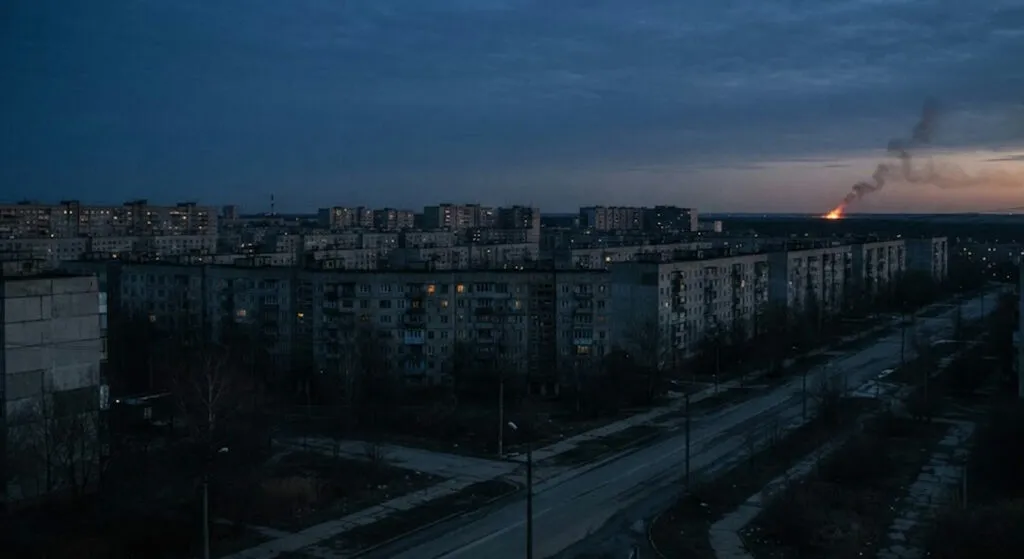
Missiles and drones on the Ukrainian capital, damaged water mains and residential buildings. The same night, Ukrainian drones set the...
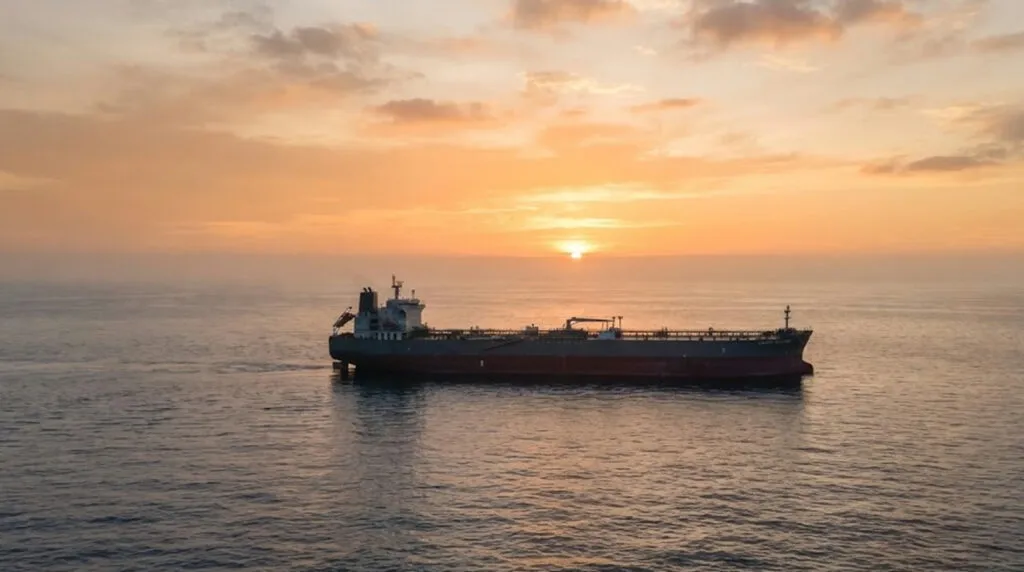
Trump hopes the war is ending and is preparing to gather the Gulf leaders. Oil prices have jumped, and the...
Ukraine says when, where and which unit did it. Russia's defence ministry has not a single sentence about the circumstances....
Norway's prime minister talks about a plane a drone "almost hit". Moldova, the only party holding the figures, reported that...
Ukraine was shooting down nine out of ten of the old drones. Then Russia changed the drone - and in...
It was shot down a few minutes after midnight, and all of Vilnius got a warning on their phones. Two...
The entire story comes from one side, and the headlines turn it into a turning point. The difference between the...
Between 2,300 and 3,000 North Korean soldiers have died in Kursk so far. Kim Jong Un has found an export...
A NATO fighter jet downed an unmanned aircraft over Lithuania minutes after midnight, and citizens got the warning on their...
This site uses cookies - is that okay? Learn more
Be the first to know when Metla launches something new
Leave your email and we will write when there is a new guide or something new on Metla.
