


They Rode In on Scooters, Torched the Shops and Left: The Fire in Shuto Orizari Burned for Three Hours, Setting It Took Fifty Seconds
13.09.2026


13.09.2026

13.09.2026

13.09.2026
13.09.2026
13.09.2026

13.09.2026

13.09.2026

12.09.2026

11.09.2026

13.09.2026

13.09.2026

12.09.2026

13.09.2026

13.09.2026

13.09.2026

13.09.2026

12.09.2026

11.09.2026

13.09.2026

13.09.2026

13.09.2026

13.09.2026

13.09.2026

12.09.2026

09.03.2026

27.02.2026

19.02.2026

13.09.2026

12.09.2026

11.09.2026

23.04.2026

23.04.2026

12.04.2026

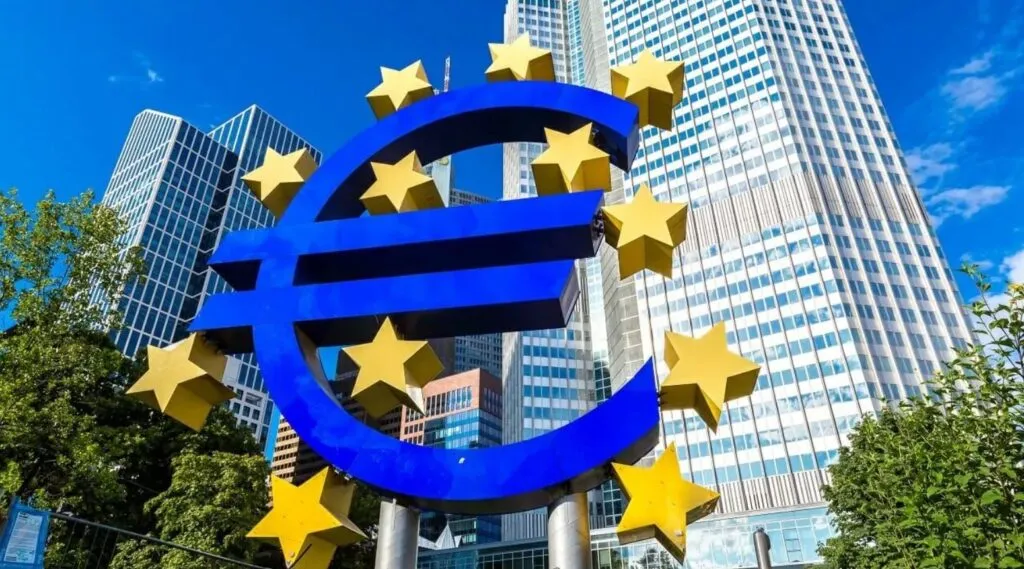
The European Central Bank raised its three key interest rates by 0.25 percentage points. From 16 September the deposit rate stands at 2.50 percent, the main refinancing operations rate at 2.65, and the marginal lending rate at 2.90 percent. This is the second increase since June, when the ECB began tightening monetary policy again after a three-year pause.
For someone in Skopje with a euro-denominated mortgage, all of this comes down to one number - Euribor.
The six-month Euribor stood at 2.105 percent at the start of this year. By 9 September it had already reached 2.80. Since the beginning of July alone it has risen from 2.554 to around 2.8 percent. On loans with a variable rate tied to that benchmark, this means a higher monthly instalment at the next scheduled reset.
It does not apply to everyone, but that is no comfort either
On fixed-rate contracts there is no automatic change. On variable ones it depends on which benchmark the contract names, how big the bank's margin is, and how often the bank resets the rate. A loan that is revised every six or twelve months will only feel the new rate when the agreed date arrives.
So the effect will not land on the same day for everyone, but in sequence. That is an important difference in practice, though not in direction - the rise in Euribor already shows that the European banking market has been pricing in higher rates for some time.
Why a rate set in Frankfurt is felt in Skopje
The denar is stable against the euro, and that is precisely why decisions from Frankfurt are not somebody else's news. It does not mean the National Bank will automatically follow every ECB move, but a longer stretch of high European rates narrows the room for a quick cut in domestic ones.
The reason for the whole tightening is energy. In August, annual inflation in the eurozone reached 3.3 percent, against 2.9 in July - the highest rate since September 2023. Energy inflation rose from 10.3 to 14.3 percent, with crude oil supply constrained by the fighting around the Strait of Hormuz. The price of Brent crude again passed the 100-dollar-a-barrel mark.
What is interesting is that the price rise is not, so far, spilling evenly into the rest of the economy. Core inflation, which excludes energy, food, alcohol and tobacco, fell from 2.5 to 2.4 percent. Services inflation dropped from 3.3 to 3 percent. ECB economists estimated that around 90 percent of the rise in energy inflation between January and May was driven by supply-side factors.
That is a fundamental difference from the waves of 2021 and 2022, when demand and fiscal measures also played a larger role. Now the problem sits on the supply side - and an interest rate is a tool that acts on demand.
The ECB expects average inflation of 3 percent this year, 2.5 in 2027 and 2.1 in 2028. The forecasts for the coming years have been revised upward from the June ones. The bank did not signal in advance whether another increase will follow - decisions will be made on incoming data.
For anyone paying an instalment tied to Euribor, that means the next reset says more than any press release.
The latest 10 news from this category
The deficit target raised from 3.5 to 4.1 percent of GDP, spending growing faster than revenue, and the growth forecast...

The agreed price for first class is 40 denars. At the collection points they pay 15 to 18. Across the...
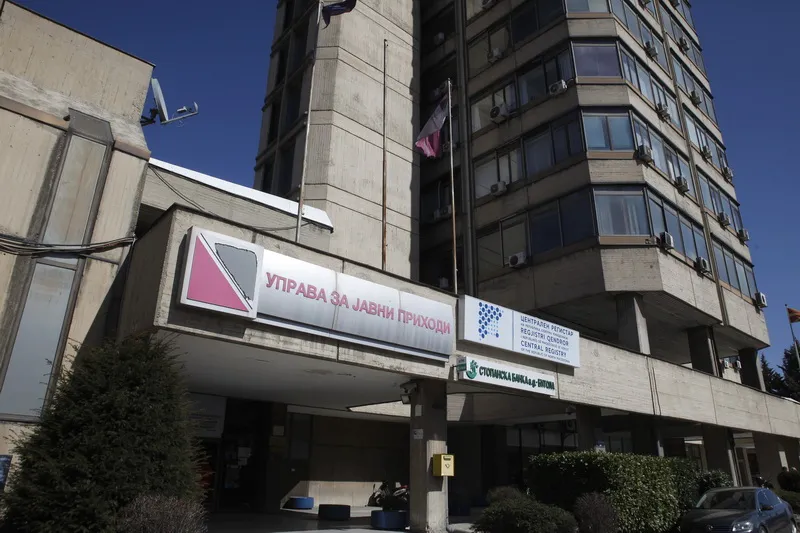
A Skopje company owes 14.87 million euros and there is nothing to recover it from. In one month the total...

223,711 tourists and 795,083 overnight stays in July. Turkey still leads with 50,955 guests, but its number fell by 7.6...

When the two biggest firms in an industry ask for rules on how fast anyone may run, the rules rarely...
Not a single password fell. What fell was the assumption that a request from a government domain is automatically a...

The board voted, the founder kicked the administrators out of Slack and held out for three days. What does a...
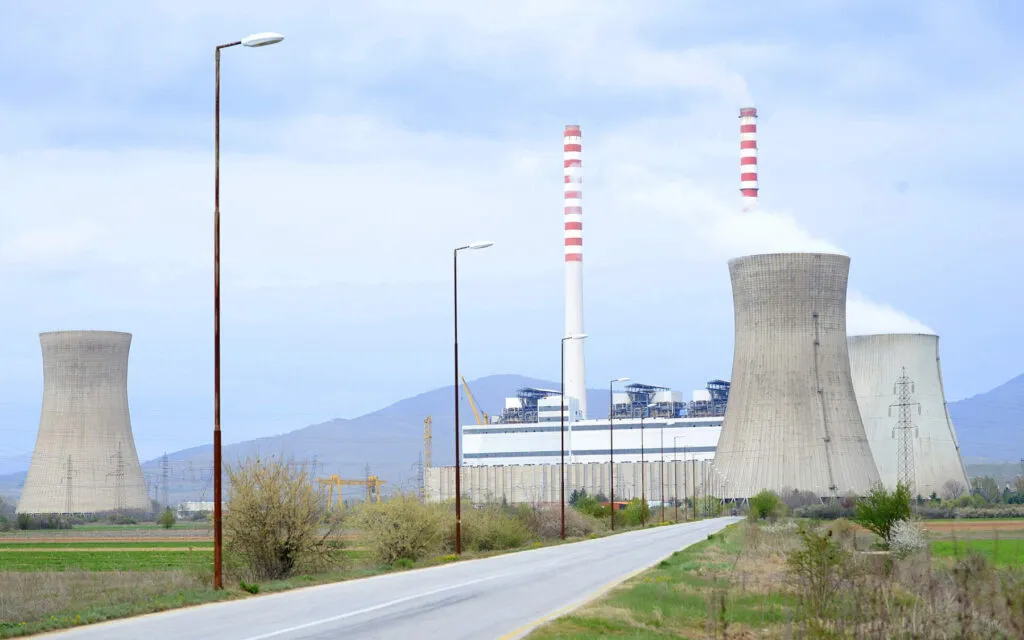
An announcement is not an adopted tariff. A lower bill is good news only if its cost has not been...
The Balkans have a long tradition of producing something valuable and selling it under someone else's name. The difference between...
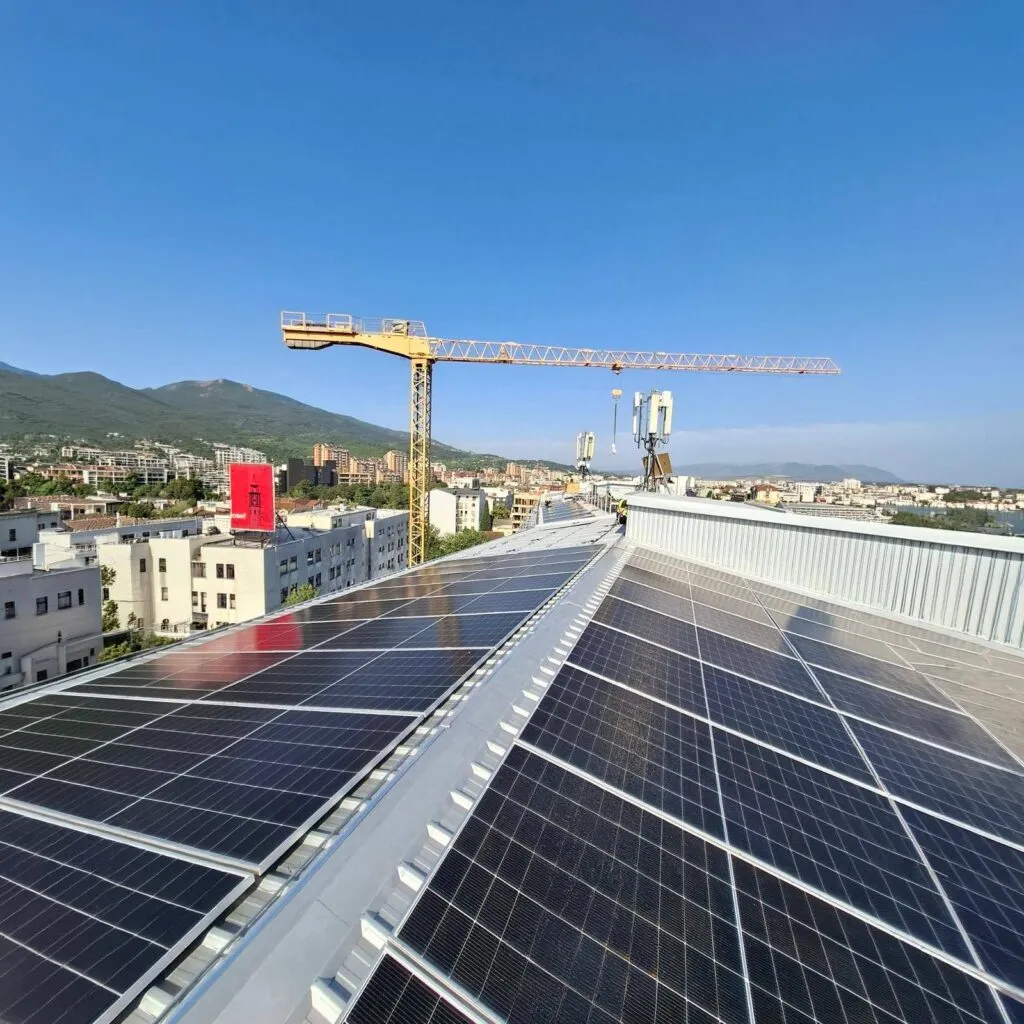
Buildings from the fifties and sixties, one in Bitola dating to the 18th century. The 56 percent energy saving is...
This site uses cookies - is that okay? Learn more
Be the first to know when Metla launches something new
Leave your email and we will write when there is a new guide or something new on Metla.
