Three of Four Sensors Were Dead: Skopje's Vodno Cable Car Ran Fifteen Years Without a Real Service
17.09.2026


17.09.2026

17.09.2026

17.09.2026

17.09.2026

17.09.2026

17.09.2026

17.09.2026

16.09.2026

15.09.2026

17.09.2026

17.09.2026

16.09.2026
17.09.2026

17.09.2026

17.09.2026

17.09.2026

16.09.2026

15.09.2026

17.09.2026

17.09.2026

17.09.2026

17.09.2026

17.09.2026

17.09.2026

09.03.2026

27.02.2026

19.02.2026

23.04.2026

23.04.2026

12.04.2026

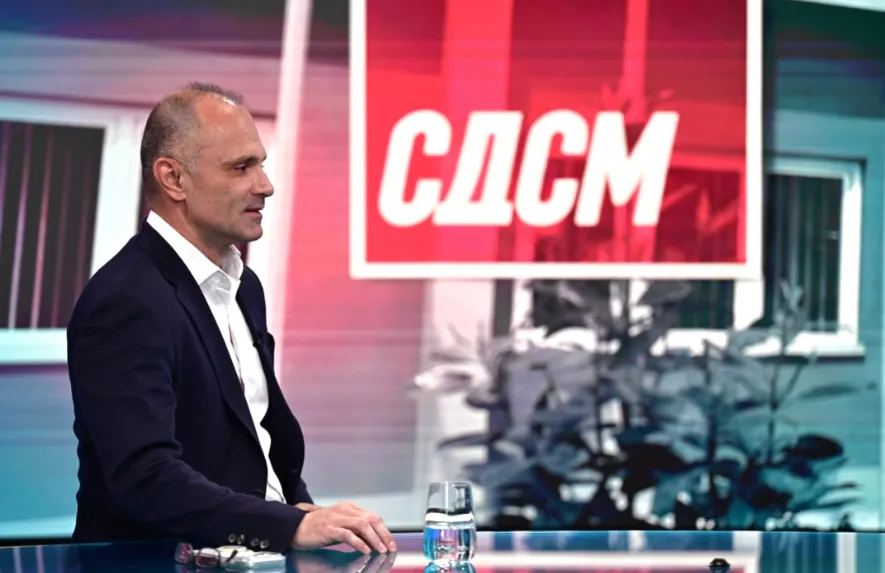
The leader of SDSM, Venko Filipče, didn't pick soft words. He called the government "corrupt" and accused it of steering the country in the wrong direction - of piling on debt without a clear plan and trying to survive through populism, nationalism and manipulation. Sharp language, but also expected - such is the rhythm of Macedonian politics, where every opposition talks about a corrupt government, and every government about an incompetent opposition.
The problem with statements like these isn't whether they're true or not - they often carry a grain of truth - but that they become white noise. When "corrupt government" is repeated every day from every podium, the word slowly loses its weight. And the citizen, who actually cares whether there's a job, whether the rent eats up the pay, and whether the hospital works, is left with yet another press conference full of labels and empty of solutions.
That's where the Balkan paradox hides. Accusations of corruption fly in all directions, but rarely does anyone end up in court, and even more rarely behind bars. Every party accuses the other, and the system that was supposed to check those accusations - usually stays silent. Whether Filipče has concrete evidence or just rhetoric for the cameras, time will tell, but experience so far doesn't inspire great optimism.
The question worth asking isn't whether the government is corrupt - that's an easy thesis for any opposition. The question is why, no matter which party is in power, citizens always feel that things work out for someone else and not for them. That's not the problem of one government, but of a system that has been changing colours for decades, but not its habits.
The latest 10 news from this category

Of 340 million denars, only 40 million came from private money - the rest came from the State Lottery. Prosecutors...
The State Audit Office already warned that withholding the points makes favouritism possible. The rulebook requiring them to be published...
Two senior officials announced progress, the two largest parties denied it the same day. The amendments sit blocked behind 13,500...
The police acted on their own knowledge, without the PM filing anything at all. The same mechanism exists for every...
The Electoral Code is the one unfulfilled reform obligation, and the working group does not even know when it will...
It was supposed to cost "zero denars". Now the opposition wants an investigation, and the timeline - David Guetta announced...
Five negations in one sentence, pension growth "16 times higher" with not a single figure beside it, and a third...
One side waits for a letter, another waits for a different commission, a third waits for consent. In those same...
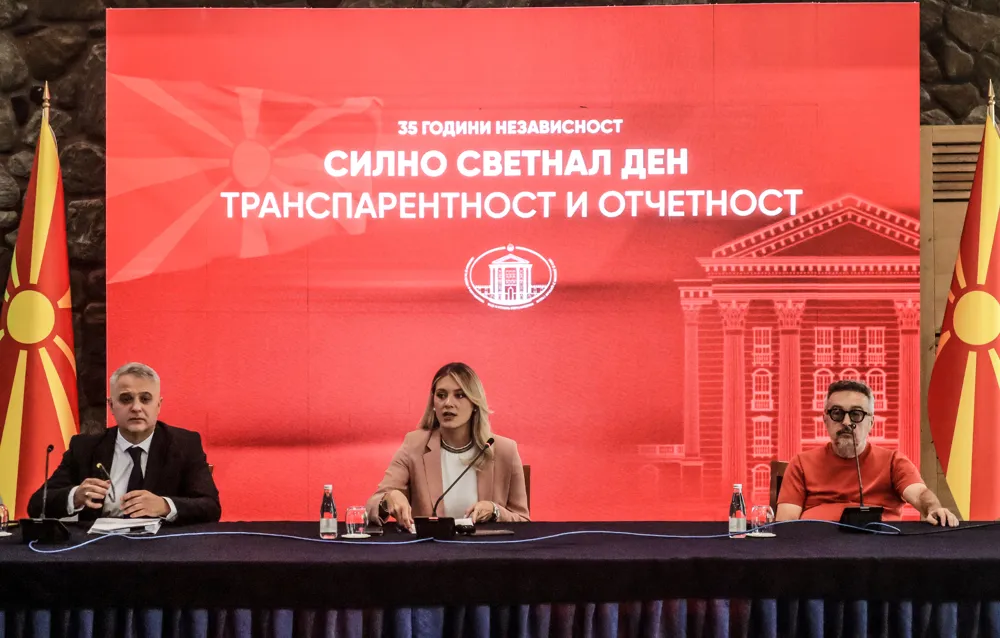
The commission's chairman says it only checked whether the documents were complete. The public call says something else entirely -...
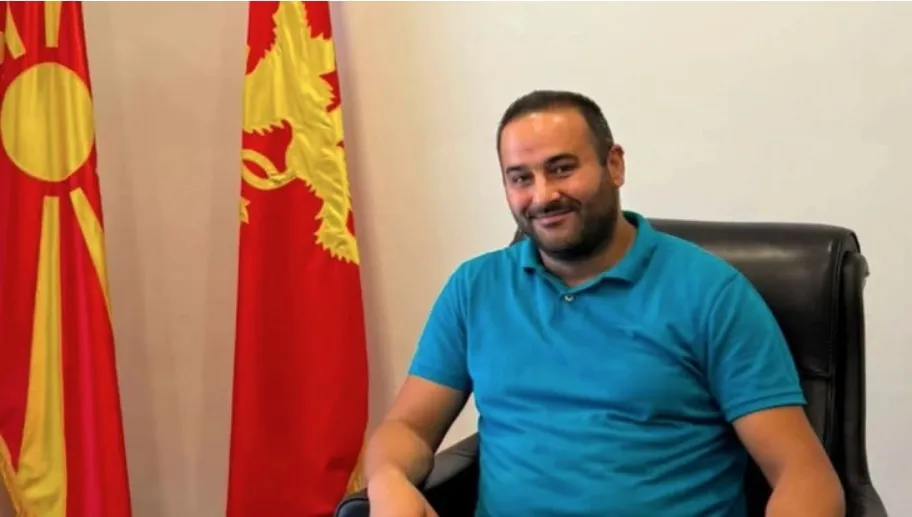
Three candidates, two of them lawyers, one of them employed by the very municipality he is running for. The line...
This site uses cookies - is that okay? Learn more
Be the first to know when Metla launches something new
Leave your email and we will write when there is a new guide or something new on Metla.