


Inmate Electrocuted Inside Idrizovo Prison: Who Ran a Live Wire Anyone Could Touch?
31.08.2026


31.08.2026

31.08.2026
31.08.2026

31.08.2026

31.08.2026

31.08.2026

31.08.2026

30.08.2026

29.08.2026

31.08.2026

31.08.2026

30.08.2026
31.08.2026

31.08.2026
31.08.2026

31.08.2026

30.08.2026

29.08.2026
31.08.2026

31.08.2026
31.08.2026

31.08.2026

30.08.2026
30.08.2026

09.03.2026

27.02.2026

19.02.2026
31.08.2026
30.08.2026

29.08.2026

23.04.2026

23.04.2026

12.04.2026
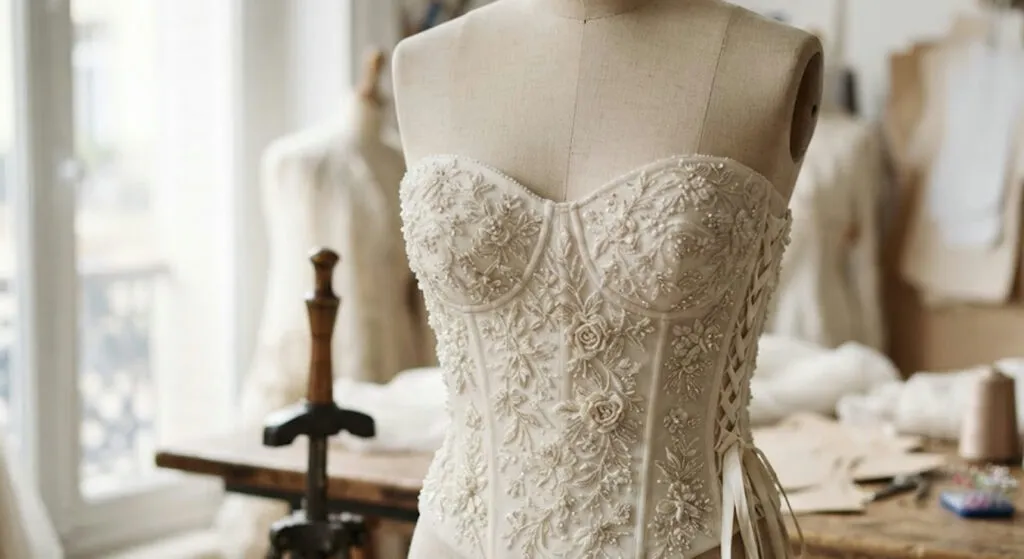
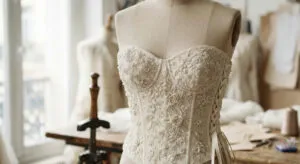
For several seasons the wedding dress was measured by how clean it was. Minimalism, smooth silk, not a seam in sight. Autumn 2026 turns that around - all the attention goes to the bodice, and specifically to what a hand has worked on.
Designers are bringing corsets back, but not for the silhouette. The corset is now a canvas - carrying embroidery in contrasting thread, tiny beads, lace made by an old technique, or relief work spreading from the torso down towards the skirt. The skirt, by contrast, is simple and light. One place carries everything.
The best example of how far personalisation goes is the dress the Valenzuela atelier made for a bride who works as a pastry chef: croissants and pieces of dough embroidered across the corset. Her explanation is simple - she wanted to wear something that identified her, connected to what she does every day.
The Antonio Garcia atelier from Seville takes a quieter line: a simple skirt, a bodice with floral embroidery in champagne tones, semi-sheer long sleeves and a classic tulle veil. Cherubina sets an asymmetric floral relief spilling down from the bodice, with a square neckline and straps.
At Navascues there are two entirely different solutions. One is a draped corset with crystal embroidery and a detachable coat-vest over it. The other draws on embroidery from old coats - wild silk in champagne, with sleeves that unclip from the corset. Same designer, two brides, nothing in common except the handwork.
Romancera, under the creative direction of Tamara Vazquez, goes boho-retro with lace set diagonally - a trick that breaks the symmetrical read of the body and adds theatricality. The veil is short, Juliet style.
What links all of this is not the style but the hours. Embroidery in contrasting thread, beadwork, lace applied by hand piece by piece - that is work measured in weeks, not days. And that is precisely why the trend is more interesting than it first looks: after ten years of bridal fashion praising minimalism, brides are paying again for something somebody genuinely made by hand.
Here, embroidery on bridal clothing is not a trend but a tradition that broke off somewhere in the second half of the last century. Macedonian folk dress carried embroidery that said where a woman was from and which household she belonged to. Now the same idea returns through Spanish ateliers, is called personalisation, and costs what it costs.
The latest 10 news from this category
Dior went to a tarot reader before every major decision, Chanel built her number into a perfume's name. The only...

It is not one aggressive exposure but the cycles of wetting and drying repeating every day. The trade says: cut...
Every September the same garment returns under a new name and it works. Of the three recommended looks, only one...
Makeup does not sit still - it travels all day and ends up in the lines around the eyes. The...
From 24 October to 13 November Mercury is retrograde for the third time this year. What the astrologer actually recommends...
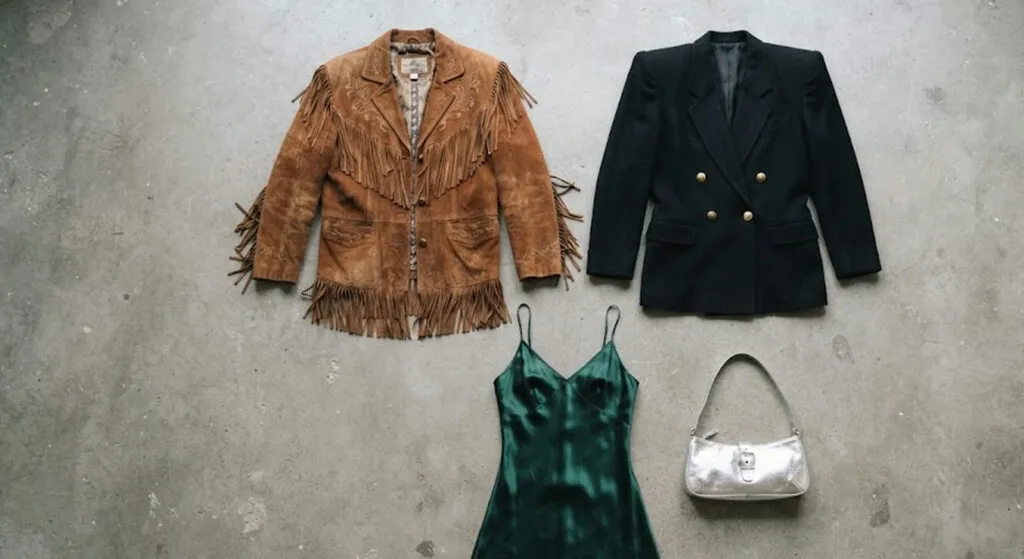
The fashion cycle used to run thirty years, now it is incomparably shorter. Here nostalgia is not a fashion category...
In time you are no longer smelling a perfume - you are smelling part of your own biography. The best...
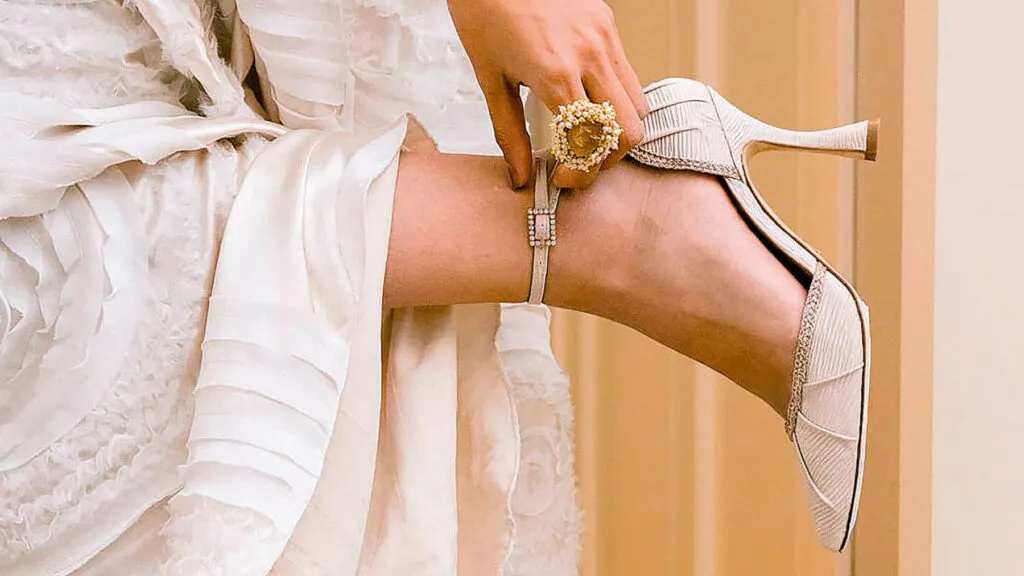
Heels are moving towards five, six and a half and eight and a half centimetres - thinner, not higher. At...
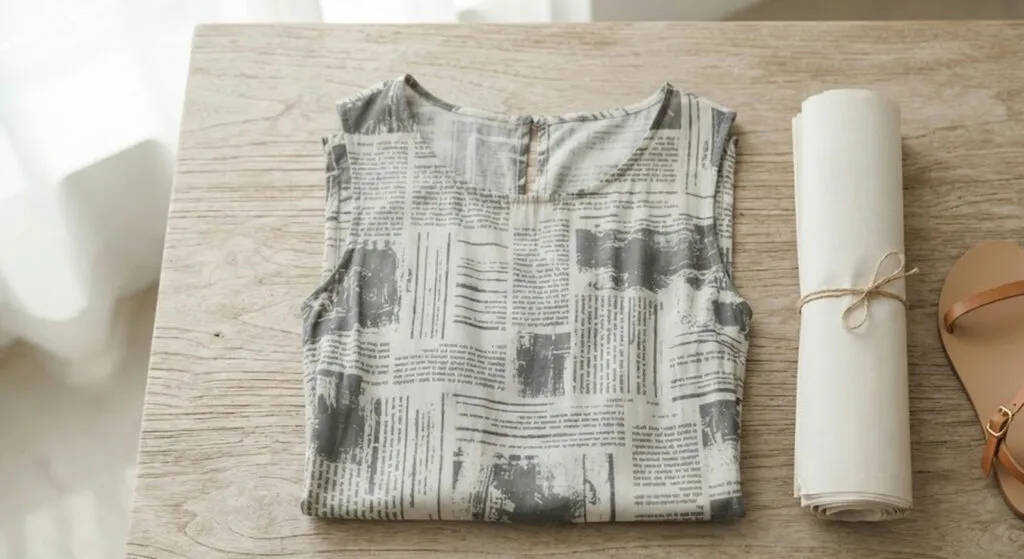
When the top shelf and the cheapest shelf have the same idea at the same moment, the trend is usually...
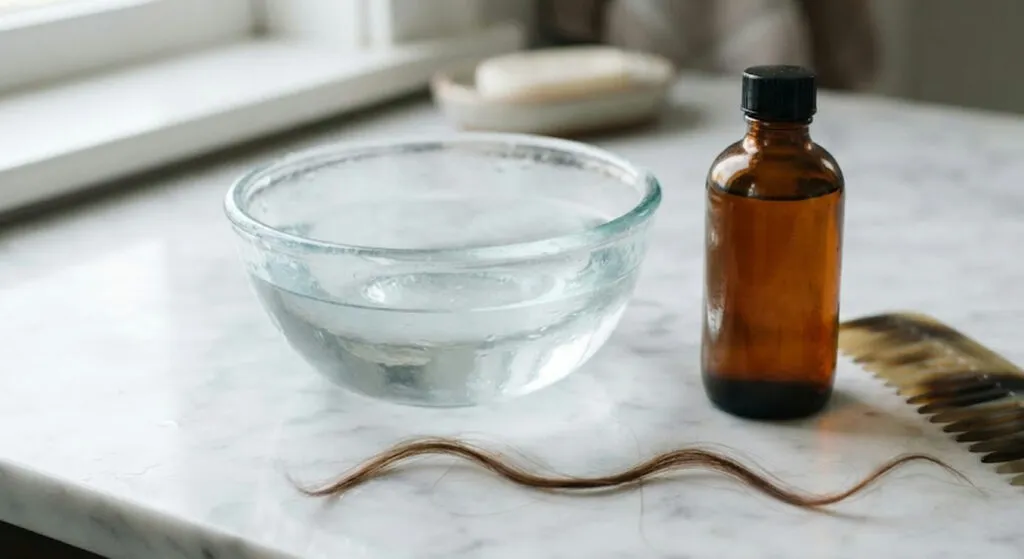
Chlorine, limescale from the water and dye residue build up inside the shaft and form a barrier. You are paying...
This site uses cookies - is that okay? Learn more
Be the first to know when Metla launches something new
Leave your email and we will write when there is a new guide or something new on Metla.
