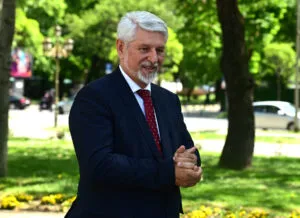
A New Criminal Complaint Against Jakimovski: A Building Permit Based on a Plan Struck Down Back in 2018
16.09.2026


16.09.2026
16.09.2026

16.09.2026
16.09.2026
16.09.2026

16.09.2026
16.09.2026
15.09.2026

14.09.2026

16.09.2026
16.09.2026

15.09.2026

16.09.2026

15.09.2026

14.09.2026

16.09.2026

16.09.2026

16.09.2026

16.09.2026

15.09.2026
15.09.2026

09.03.2026

27.02.2026

19.02.2026
16.09.2026

15.09.2026

14.09.2026

23.04.2026

23.04.2026

12.04.2026

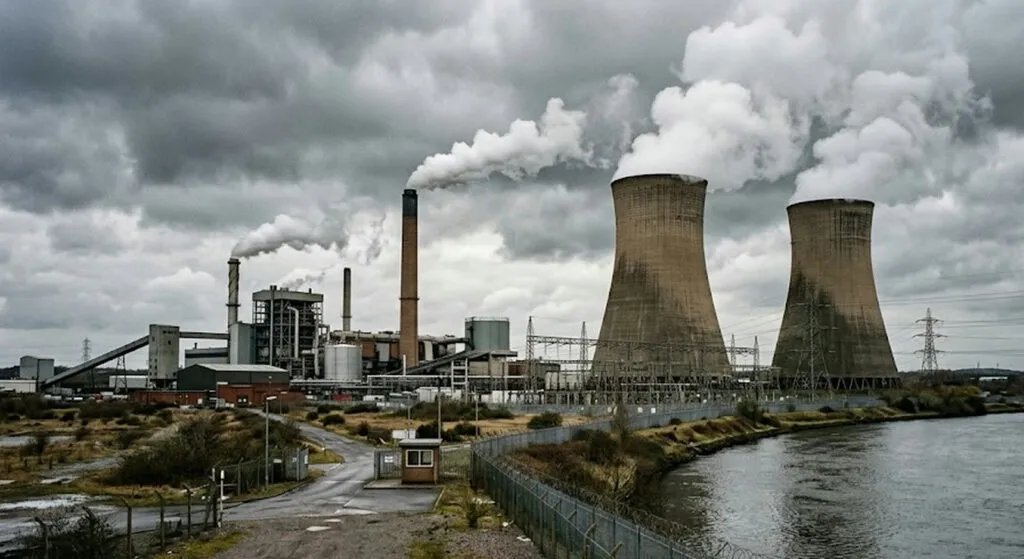
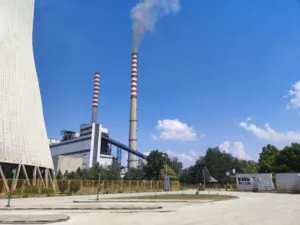
500 million euros a day. That is the approximate price the European Union is paying for the energy crisis triggered by Iran's blockade of Hormuz. Over 60 days, that adds up to 27 billion euros. Brussels is calling for rapid energy mobilisation. Easy to say - much harder to actually do.
What does "rapid energy mobilisation" actually mean? Boosting LNG imports from the US and Qatar. Firing up old coal plants. Cutting consumption through regulated prices. None of these solutions work in a few weeks.
For North Macedonia, the situation is even more specific. We depend on regional markets, which are wired into the European ones. When Germany pays 200 euros per megawatt-hour, we pay 250 - because we are the end of the supply chain. When Brussels finances its subsidies, we are not on the same list.
Meanwhile, the government in Skopje says nothing about reserves. Do we have electricity reserves for winter? Gas reserves? When was the last public statement about energy plans for 2026/2027? Silence. Everything is "stable", until your power bill is not.
Balkan history shows that energy crises get solved through improvisation and personal contacts. Our region went through one of these in 2008-2009. The political generation back then cut deals through personal relationships - with Russia, with Bulgaria, with Greece. Today's politicians do not have that network. Today everything runs through Brussels.
500 million a day is a huge number. But the small electricity bill of a family in Skopje - that is huge too. When Brussels pays 500 million, a Balkan pensioner pays 5,000 denars for something that two years ago cost 3,000. Same crisis - different scale. Same story. And in both, the users pay, while the decisions get made in places they do not control.
The latest 10 news from this category

Sanctions imposed over one war are being offered as currency in an entirely different dispute. Most member states are against...
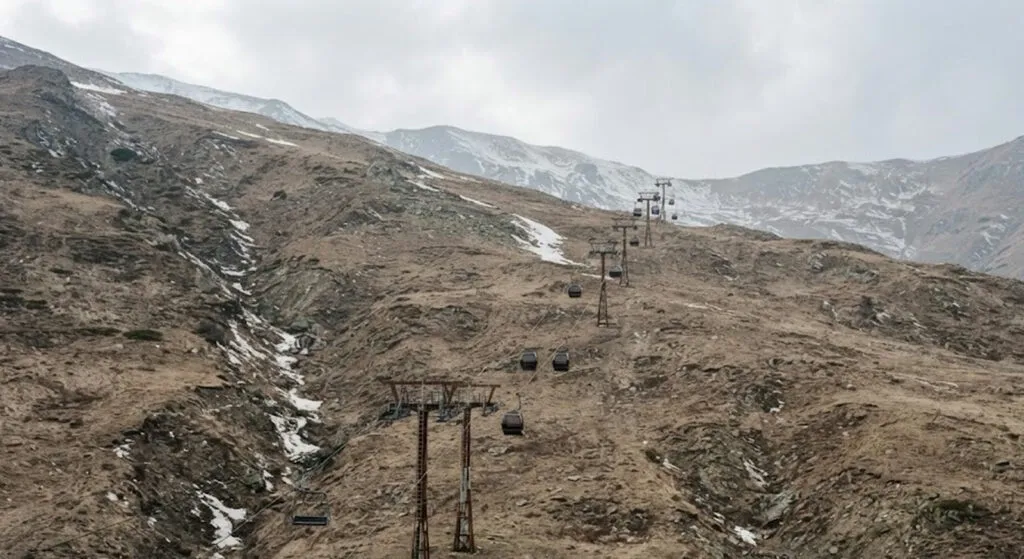
El Nino in the Pacific shifts the currents that decide where snow falls. An area that usually gets a metre...
The easiest way to dismiss an uncomfortable argument is to point at who is making it. But that does not...
The appeals court ruled the entire trial must start over. The son of Norway's queen is waiting for it on...
Trump scaled back the military exercises to ease the tension, and Wonsan answered in the form of projectiles. What does...

The sanctions list got a seven-day extension instead of one measured in months, a move diplomats themselves call unprecedented. Two...
Switzerland offered a table for talks on Ukraine, Moscow replied that the table stopped being neutral once Bern adopted EU...
The will says one thing, a committee of twenty-one men decided another. The queen mother says the army pulled the...
A country that was Europe's byword for stability for decades now has a parliament split into two blocs by a...
Sixteen years in power, defeat at a regular election, five months of quiet - and now the election result is...
This site uses cookies - is that okay? Learn more
Be the first to know when Metla launches something new
Leave your email and we will write when there is a new guide or something new on Metla.