No Passport, on the Stop List, and Yet in Sofia: Who Let Iva Mihailova Across the Border?
13.10.2026


13.10.2026

13.10.2026
13.10.2026
13.10.2026

13.10.2026
13.10.2026
13.10.2026

12.10.2026

12.10.2026
13.10.2026

13.10.2026

12.10.2026

13.10.2026

13.10.2026

13.10.2026

13.10.2026

12.10.2026

11.10.2026

13.10.2026

13.10.2026

13.10.2026

13.10.2026

13.10.2026

13.10.2026
12.10.2026

10.10.2026

08.10.2026

23.04.2026

23.04.2026

12.04.2026

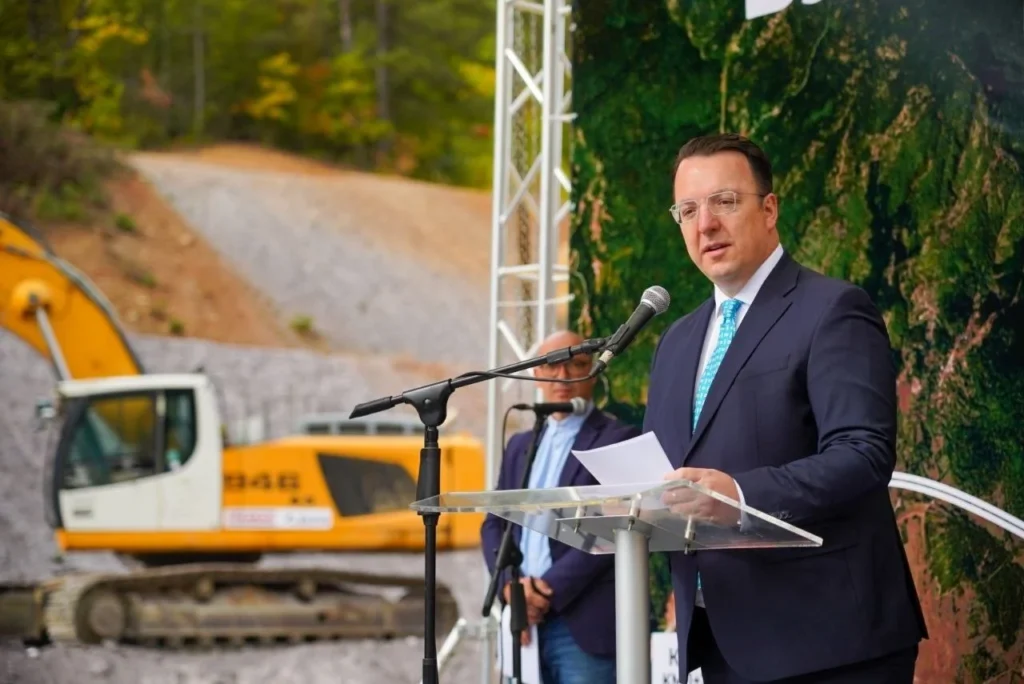
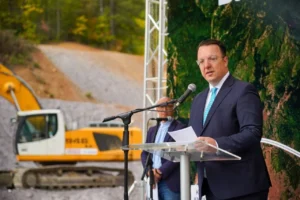
On 12 October 2026, Transport Minister Aleksandar Nikoloski announced the start of construction on the Bukojchani - Kichevo motorway, presenting it as the sixth motorway being built in Macedonia.
It's a section about 12 kilometres long, part of Corridor 8, meant to provide an uninterrupted motorway link from Skopje to Ohrid.
The Bukojchani - Kichevo project isn't starting from scratch in 2026. Design documentation for this section already existed in 2020, and in the years that followed, funding was secured and the project was prepared. In 2025, Nikoloski was announcing that construction would be finished by the end of 2028. Today, in October 2026, at the official start of works, the deadline mentioned is four years - meaning completion in 2030.According to the State Statistical Office, Macedonia had 347 kilometres of motorway at the end of 2025.
If we divide those 347 kilometres into sections of 12 kilometres each, we get almost 29 motorways! Of course, Macedonia doesn't have 29 separate motorway routes. But this very comparison shows how important it is to tell the difference between a motorway and a motorway section. Bukojchani - Kichevo isn't a new idea for a new route. It's part of the Skopje - Ohrid motorway link, which has been in the planning for decades. Construction of the Kichevo - Ohrid section began back in 2014. More than 12 years have passed since then, several governments, ministers, deadlines and financial calculations have come and gone, and the full motorway link still isn't finished. Now another section of the same corridor is being announced, with a four-year completion deadline - that is, by 2030. Nobody disputes the need to build this section. On the contrary, finishing it is essential for properly connecting the western part of Macedonia. But the public has the right to know the difference between a new project, a new construction site and a new motorway route. What Macedonia needs isn't a contest over the number of motorways announced, but finished kilometres, deadlines that are kept and transparent spending of public money. Because a motorway isn't measured by the number of ribbon-cuttings and foundation stones, but by how many kilometres have been built and how many citizens can use them safely. If we call every 12 kilometres a separate motorway, then Macedonia already has almost 29. But if we're talking about fully completed motorway routes, then we need to count them differently.The latest 10 news from this category

Smoke no institution is measuring, a stop-list that turned out to be a form, and a police report kept under...

100% ТРАНСПАРЕНТНОСТ, А КАДЕ СЕ ДОГОВОРИТЕ? – ЕНЕРГЕТИКАТА ПОД ПРАШАЛНИК Министерката за енергетика Сања Божиновска во своето последно интервју се...

The price of Tinex, the footage from Saraj, the terms of the new citizens' bond: a day when the single...

Every announcement this week came with a date and a photo op. What was missing was the last line: how...

Sofia set out its conditions from the parliamentary podium, the Interior Ministry still won't say what happened in Saraj, and...
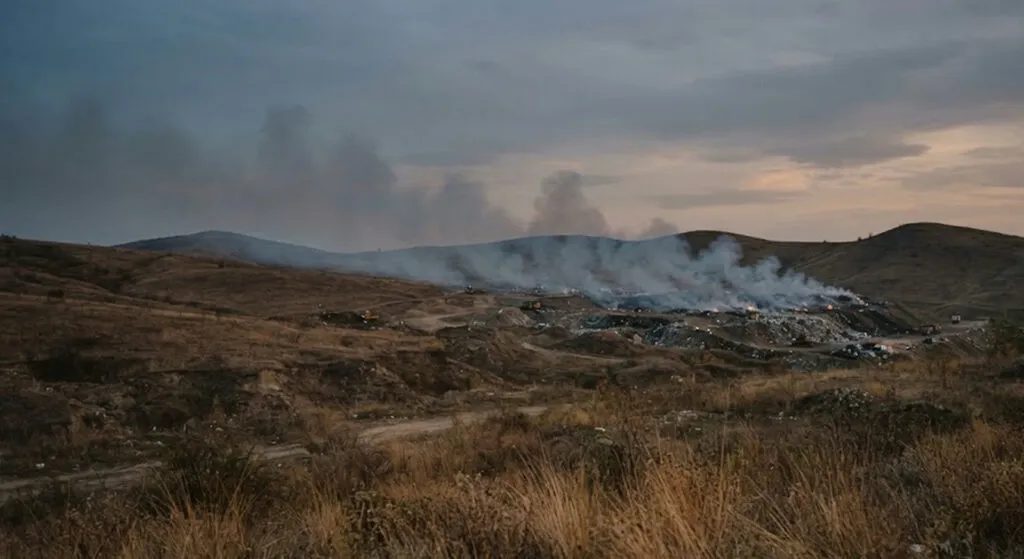
October is burning, and five of the fires broke out on landfills. The budget cuts investment to keep fuel cheaper,...

The social services checks stalled in the car park, the prosecutor who oversees prosecutors is now a suspect, and the...

The prosecution searches one of its own prosecutors, internal control reports one of its own officials, and the government asks...

The government is drafting a second budget revision without saying where it will cut, the stalls at Bit Pazar are...

The government promises cheaper diesel and, in one statement, admits a hole in the coffers, heating is priced on gas...
This site uses cookies - is that okay? Learn more
Be the first to know when Metla launches something new
Leave your email and we will write when there is a new guide or something new on Metla.