
No Passport, on the Stop List, and Yet in Sofia: Who Let Iva Mihailova Across the Border?
13.10.2026


13.10.2026

13.10.2026

13.10.2026

13.10.2026

13.10.2026

13.10.2026

13.10.2026

12.10.2026

12.10.2026

13.10.2026

13.10.2026

12.10.2026

13.10.2026
13.10.2026

13.10.2026

13.10.2026

12.10.2026

11.10.2026

13.10.2026

13.10.2026

13.10.2026

13.10.2026

13.10.2026

13.10.2026
12.10.2026

10.10.2026

08.10.2026

23.04.2026

23.04.2026

12.04.2026

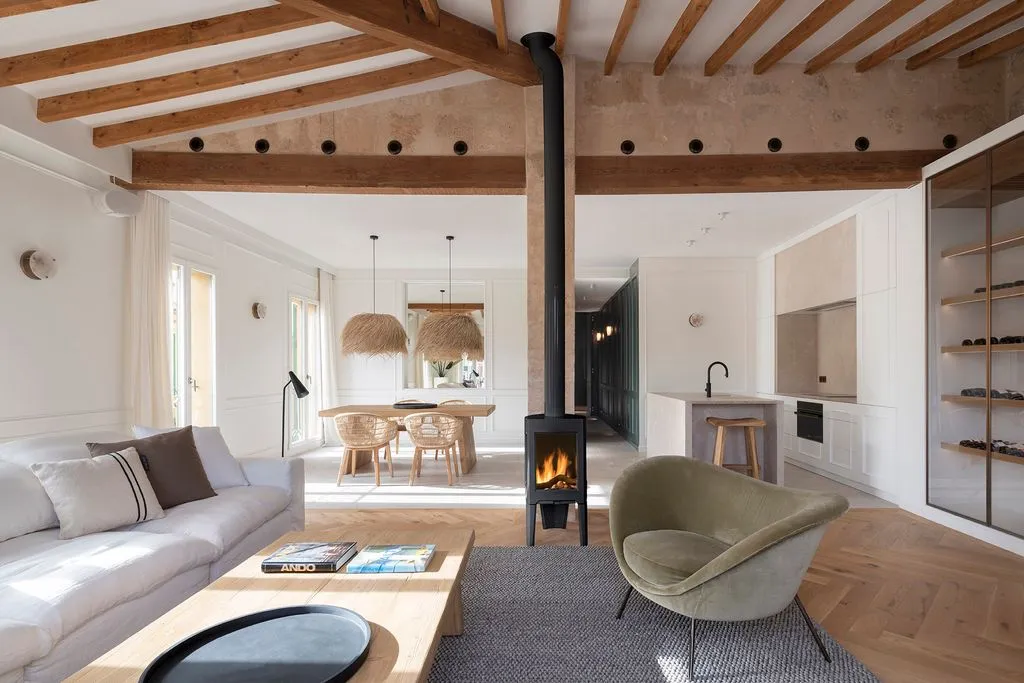
Most renovations start with a tile catalogue and end with a photo for friends. Spanish architect Jaime Salvá, of the studio Jaime Salvá Arquitectura & Interiorismo, suggests a different starting point: a good renovation shouldn't just produce a nicer flat, but a home that's genuinely better to live in. Sustainability, in his view, isn't only a solar panel on the roof - it's also a house that won't be dated in a few years.
A house that ages well doesn't try to look new forever
His definition is short: "Design well what will stay, and leave freedom to change what will inevitably change." A house ages well when the passing of time was anticipated in the design - when it keeps serving the people who live there, when materials develop a patina instead of damage, and when it's easy to maintain and repair. Stone, wood and metal can age beautifully, if that was planned from the start. And most importantly, a home has to cope with changes in the family: new babies, teenagers leaving for university, parents getting older.
The mistakes that age a house before its time
Salvá lists them without much diplomacy. First, designing for the final photo rather than for everyday life. Second, rooms so specific that the furniture can only go one way. Third, complicated construction solutions. And fourth, difficult maintenance: installations you can't reach, glass you can't clean, too many custom-made elements, and technology that loses support within a few years. Simple, well-executed systems usually mean fewer faults and easier upkeep. How many "smart" flats, five years on, have switches nobody knows how to fix?
Layout matters more than any material
This may be the most important sentence in the conversation: a good layout has more impact on a home's longevity than any material or finish, because life changes faster than buildings. Salvá doesn't claim to know how we'll live in 20 or 30 years. That's why he recommends well-proportioned rooms, accessible installations, a clear structure, multi-purpose spaces and barrier-free movement. Working from home, technology and new family models weren't well anticipated in the past - but, he says, slack can be built into the design.
Neither walls everywhere nor a fully open plan
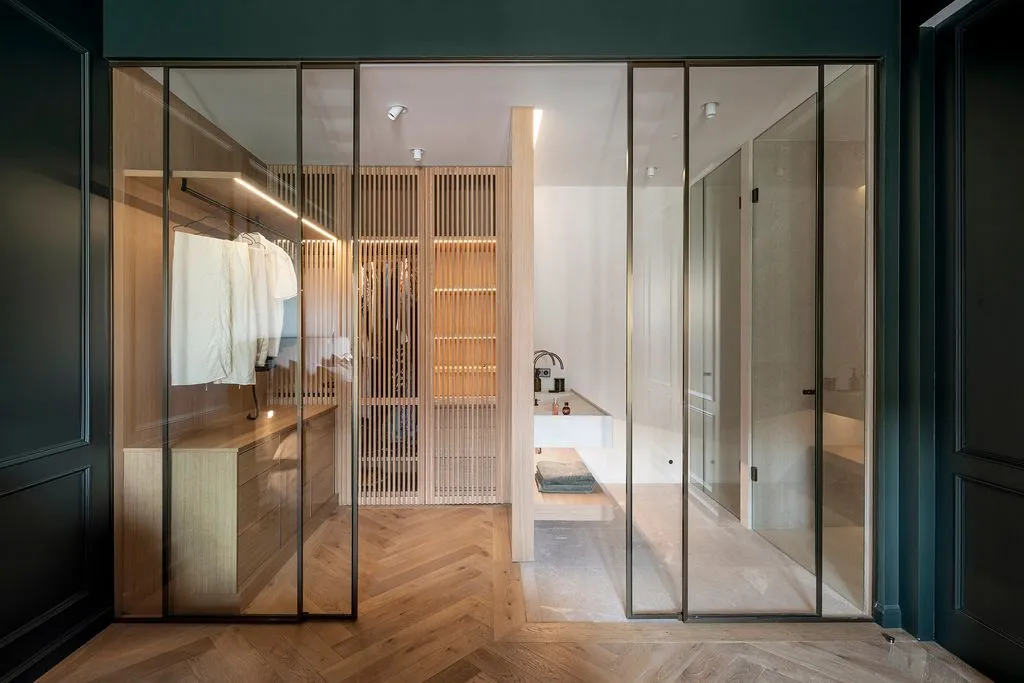
The architect warns against two extremes. Flats chopped up into too many small rooms age badly, but fully open spaces can age just as badly once you need privacy, sound insulation or several generations living together. His solution is degrees of connection - for example, a kitchen that opens onto the living room but can be closed off. "Flexibility doesn't mean fewer walls, it means well-thought-out partitions," he says. That's why "useful walls" matter too: where the doors and windows go determines where the furniture will stand for decades to come.
The room you see today and the one it could be tomorrow
Tomorrow, a bedroom could be an office, a children's room, a studio, a small gym or a guest room. That needs thinking about in advance: where the furniture could go, where the storage is, how well it's soundproofed, and where the power and internet sockets are. A room near a bathroom, reachable without stairs, adds extra flexibility. Sliding doors, movable walls and modular systems help, but they mustn't become an end in themselves - Salvá prefers architecture that is naturally flexible and uses mechanisms only where they genuinely add value.
Sun, shade and a through-draught before air conditioning
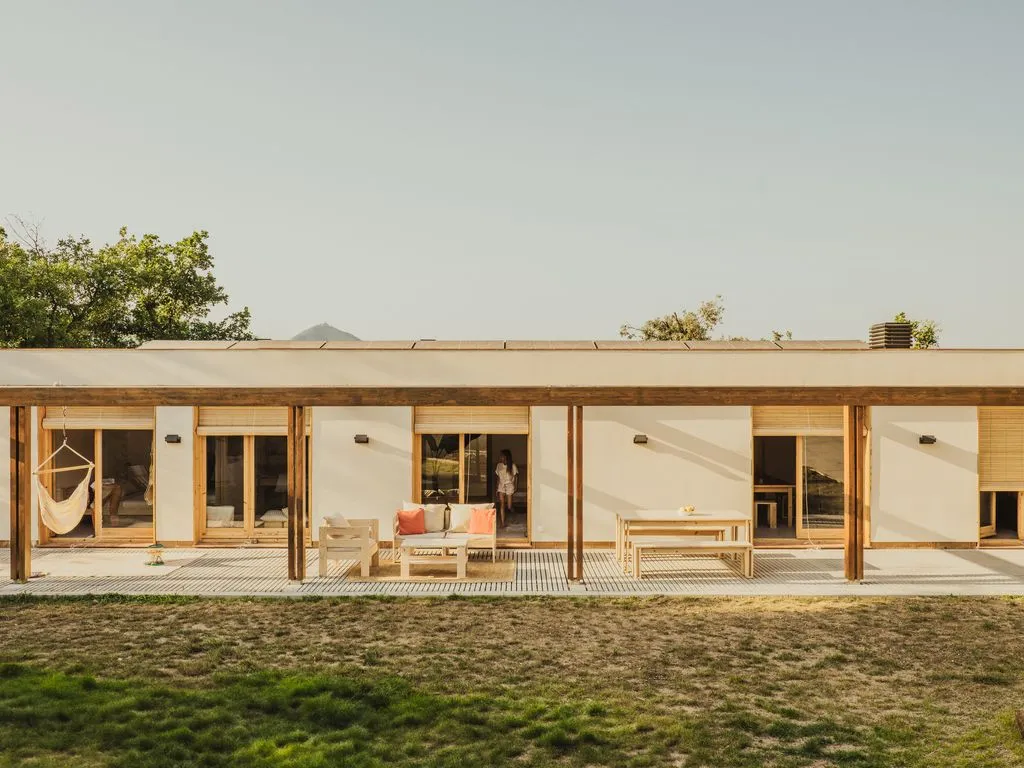
A home's orientation, sun protection - awnings, shutters, slats, plants - and natural ventilation matter more than the air conditioner. A good example is a passive house by Slow Studio, designed for cross-ventilation. Comfort starts before the machine, not with it.
Instagram and Pinterest trends
Salvá doesn't dismiss any trend out of hand. Wooden slats, curved walls, LED strips, continuous floors and monochrome palettes can all work in the right place. "What will probably age worst is repeating them indiscriminately," he says. His rule: keep the permanent decisions restrained, and let the easily changed layers - textiles, colours, decorations - be more playful.
A home for every stage of life
Universal design isn't just for older people: a walk-in shower level with the floor, no unnecessary steps and comfortable thresholds help children, parents with pushchairs, someone with a broken leg, and the elderly. In houses with several floors, space for a future lift can be planned from the outset. Research suggests adapting your home between the ages of 55 and 65 - while you still have the energy to organise it.
Where not to cut corners
If you're renovating, the architect singles out three places where saving money costs you dearly. The first is the design, because planning is almost always cheaper than fixing things later. The second is the building envelope and comfort: insulation, window frames, glazing and soundproofing. The third is the installations - properly sized, efficient, accessible and repairable, not necessarily the most expensive technology. A sofa can be replaced. Bad insulation - much less easily.
Above all, a renovation starts with a diagnosis: the facade, the roof, the window frames, thermal bridges, sun protection, ventilation, outside noise and the installations. If you change the windows, you have to rethink ventilation. The goal is a home that's quieter, holds a steady temperature, is energy-efficient and more pleasant to live in. How many renovations start with the new bathroom tile instead of the windows and insulation?
The latest 10 news from this category

Over a thousand rooms, a Velázquez in a small cabinet, and a museum the princess once wanted to close to...

Messi has said goodbye to Argentina's national team, and four addresses tell the story of his life. The one that...
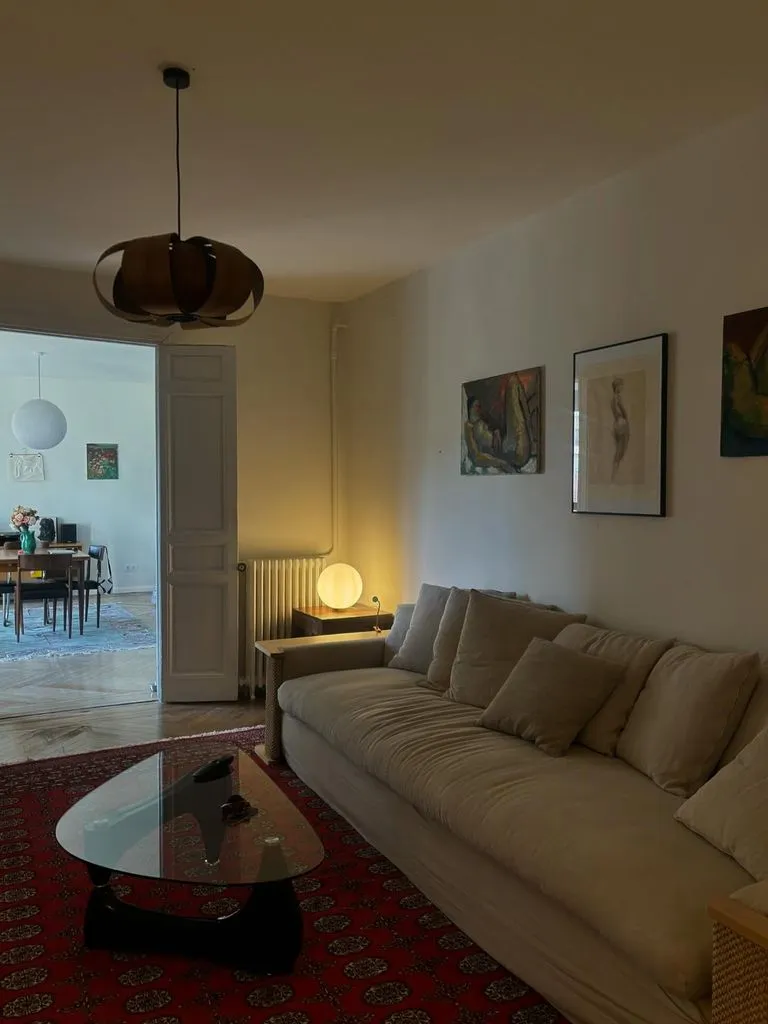
A cream sofa, a red oriental rug and an armchair the cat has taken over: the two Spanish actors' home...
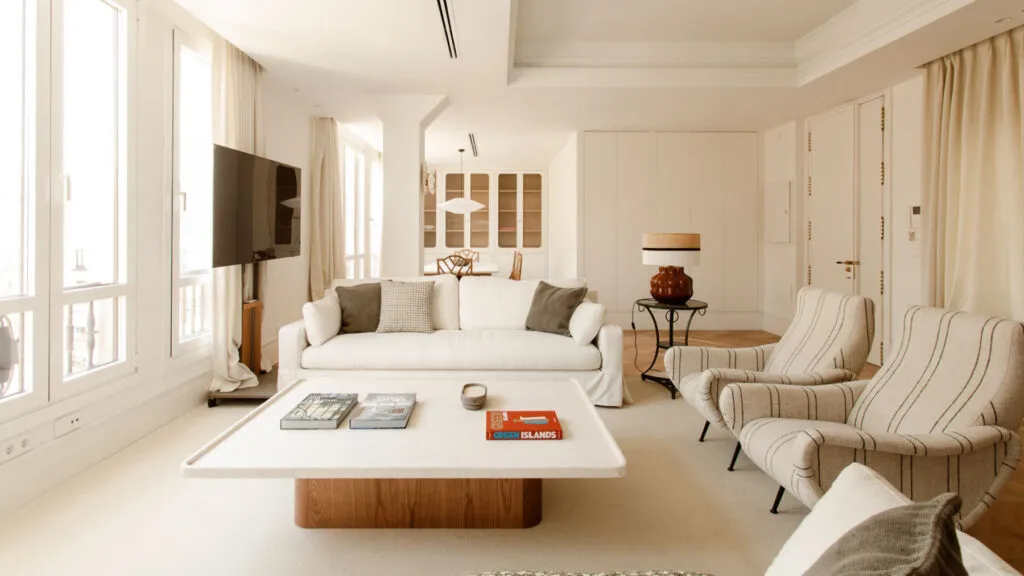
Small, dark rooms in an old Madrid building became one bright space from the living room to the kitchen. The...
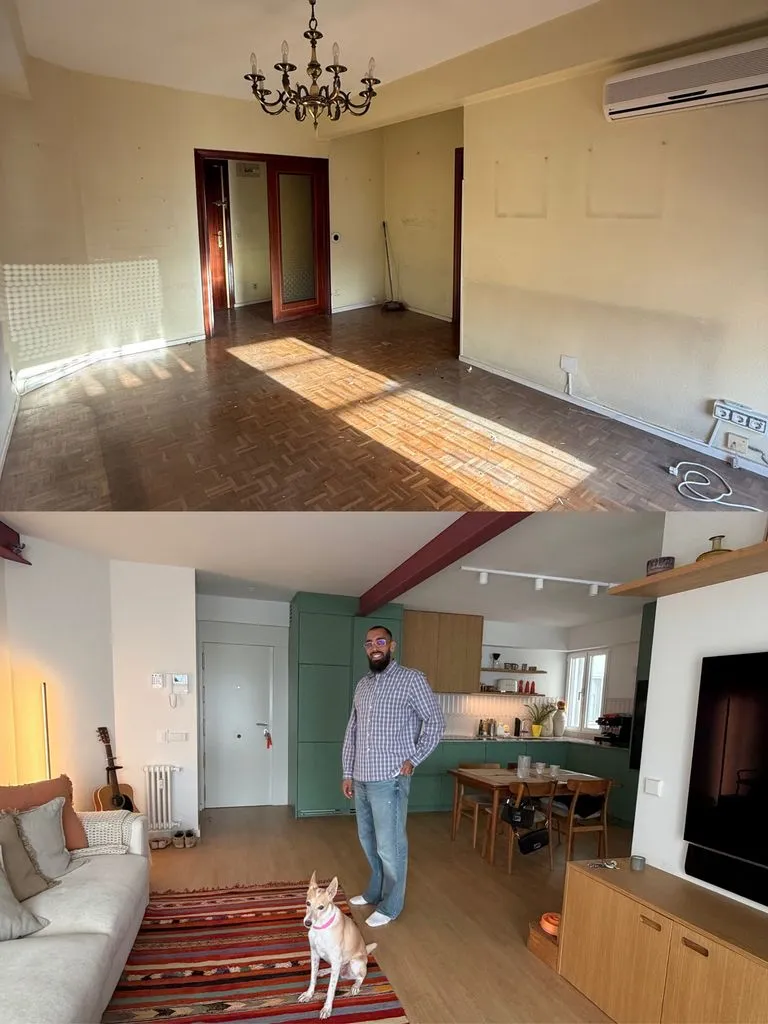
Four bedrooms became two, the yellow walls disappeared, and the hallway became part of the living room. A renovation with...
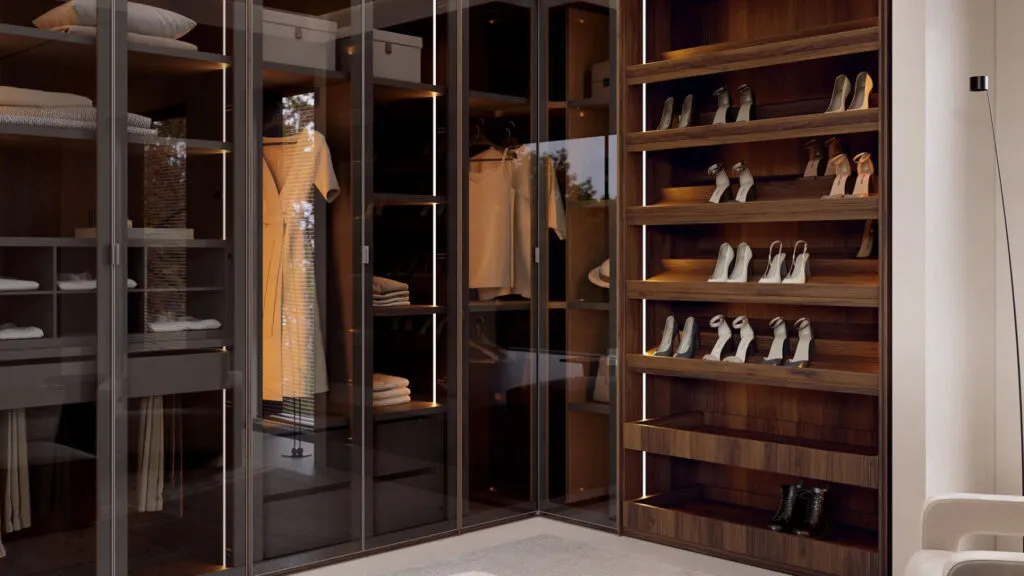
A walk-in closet isn't made with more wardrobes - it's made with an inventory, a tape measure and light that...
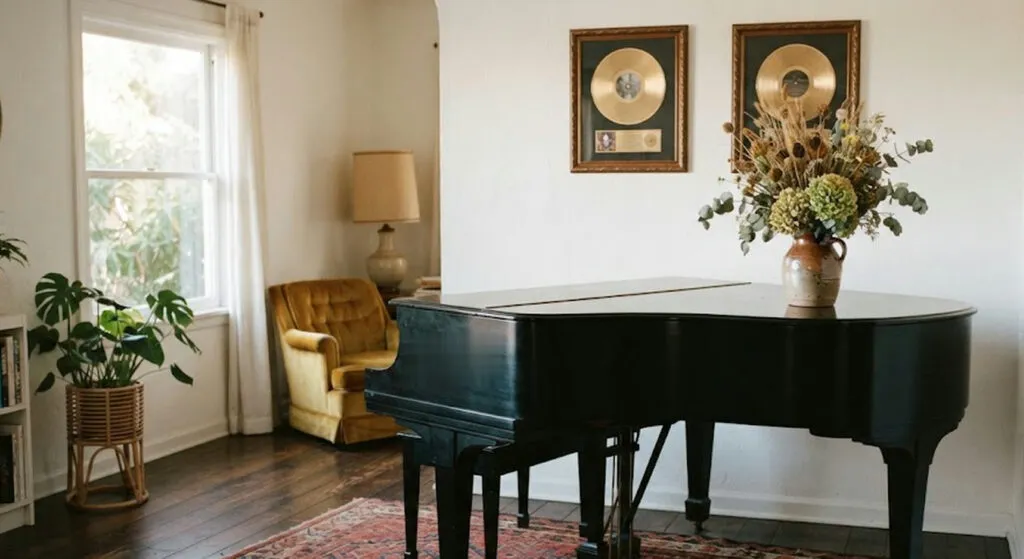
At home she wasn't a star, she was "Marieta". The house where she raised her children is still in the...
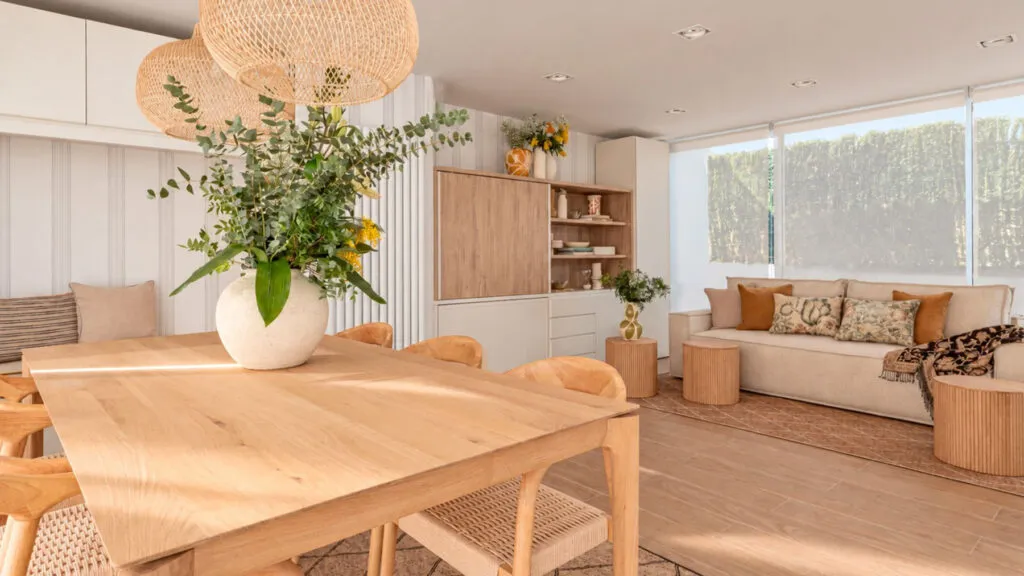
Out of 150 square metres of neglected rooftop, a family gained a whole extra floor: a place to work, host...

A double-height atrium that, according to the owners, only three other yachts in the world have, and a foundation funding...
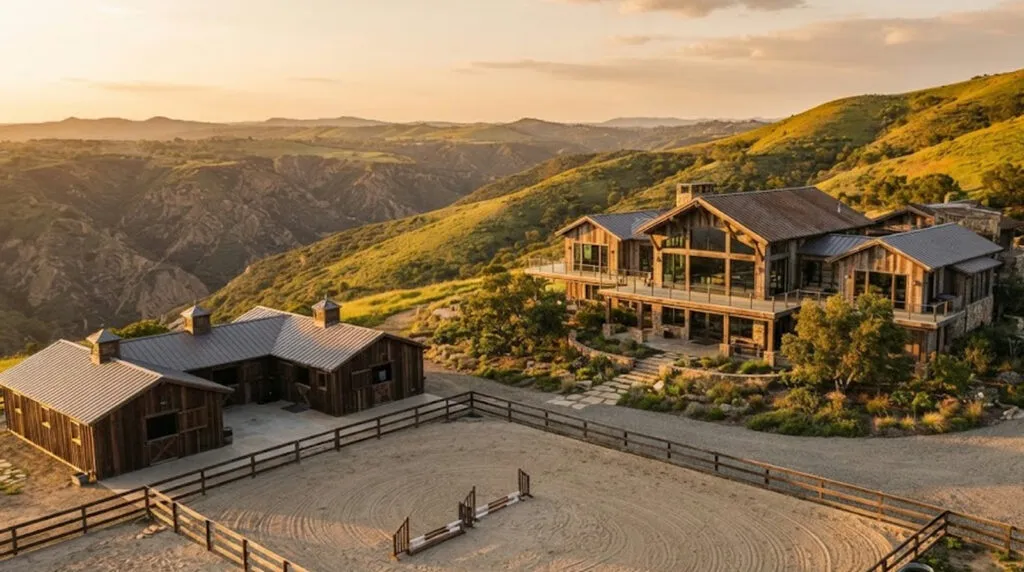
Bought for five million, renovated for another seven, and now on the market for over 26 - a ranch whose...
This site uses cookies - is that okay? Learn more
Be the first to know when Metla launches something new
Leave your email and we will write when there is a new guide or something new on Metla.