No Passport, on the Stop List, and Yet in Sofia: Who Let Iva Mihailova Across the Border?
13.10.2026


13.10.2026

13.10.2026

13.10.2026
13.10.2026

13.10.2026
13.10.2026
13.10.2026

12.10.2026

12.10.2026

13.10.2026

13.10.2026

12.10.2026

13.10.2026

13.10.2026

13.10.2026

13.10.2026

12.10.2026

11.10.2026

13.10.2026

13.10.2026

13.10.2026

13.10.2026

13.10.2026

13.10.2026
12.10.2026

10.10.2026

08.10.2026

23.04.2026

23.04.2026

12.04.2026

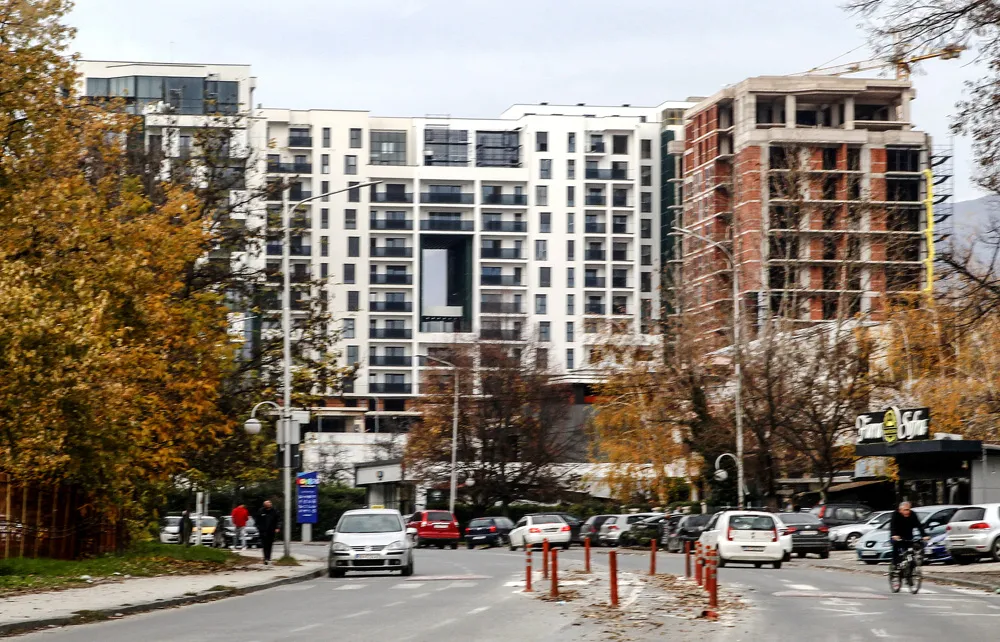
Rents in Macedonia rose by 9.2% between the second quarter of 2025 and the second quarter of 2026. The European Union average over the same period was 3%. Three times faster. And the flat you're renting didn't get three times better.
The figures come from Eurostat and place Macedonia among the European markets with the sharpest rise in rental costs. Macedonia is far from the shocking numbers in Romania (43.5%) and Croatia (40.1%), but clearly above Greece (7.5%), Czechia (6.2%) and Albania (6%). In the neighbourhood, only rents in Serbia (12.5%) and Bulgaria (9.9%) are rising faster. The record-holder in the wider comparison, which includes candidate countries, is Turkey at 49.6%.
Romania's 40% and Macedonia's 9.2% don't mean the same thing
The European figures need careful reading. In Croatia, the institution that supplies the data explains the sudden jump with Zagreb's decision to raise rents in the social housing category. In Romania, the government points to increases in administratively set rents for state and municipal flats. In other words, part of their jump is public-sector statistics - not every tenant getting a new rent 40% higher.
Macedonia's 9.2% is a smaller number, but it lands on a smaller budget. A flat that rented for 300 euros last year costs 327.60 euros after a rise like this. That's 27.60 euros more every month, or over 330 euros a year - for a flat that hasn't gained a single square metre.
The vicious circle of the Skopje square metre
Rents don't rise in isolation. According to National Bank data, in the second quarter of 2026 flat prices in Skopje were 13.3% higher than in the second quarter last year, and in the first quarter annual growth was around 16.7%. When buying keeps getting more expensive, some people put it off and stay renters longer. That pushes up demand for rentals. And owners who bought at higher prices ask for higher rents to get their money back.
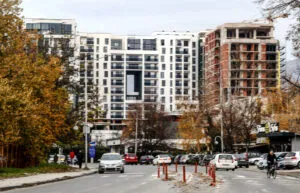
Then there's the paradox every Skopje resident can see out of the window: there's construction everywhere, yet a flat to live in isn't getting more affordable. Some new flats are bought as savings or investments, some stand empty, some are used occasionally or let out short-term. The number of flats built and the number actually offered for long-term rent are two different things.
Macedonia has no complete, easily comparable public data on how many newly built flats are sitting empty. Until someone starts counting them, the only one measuring rents will be the tenant - at the end of every month.
The latest 10 news from this category

The ministry puts a family of four at 58,475 denars a month, the unions at 68,675. One number measures what...
A 119-million-euro loan, a 20-million grant, five bridges and a tunnel. Skopje to Ohrid in under an hour and a...
Problems people worked on for entire careers, solved by a model nobody outside the company has seen. Some are already...
Meta's new models, according to the company's own tests, are on a par with the competition's leading models. But the...

A former Plaud executive promises an assistant that gives you advice while the meeting is still going on. The price...
On every continent, a four-hour battery is cheaper than an open-cycle gas turbine. The paradox: gas is being made more...
The new owner promises full shelves and competitive prices. How much a chain with over 30 years of history cost,...
The minister announces two rounds of borrowing for next year and a new citizens' bond on terms nobody knows yet....
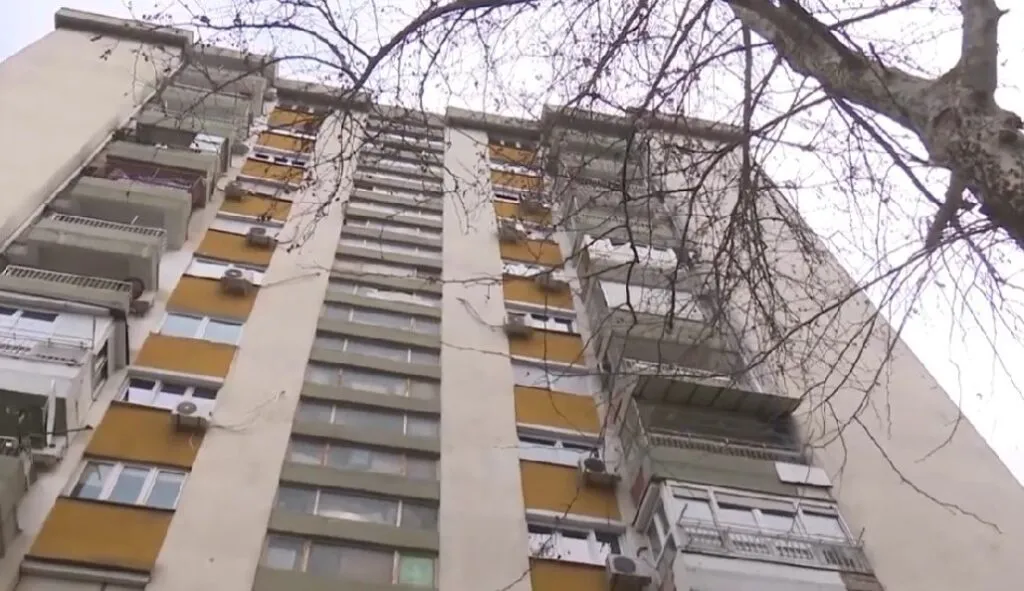
The number of planned flats jumped almost 60 percent, their total floor area only 25 percent. When a square metre...
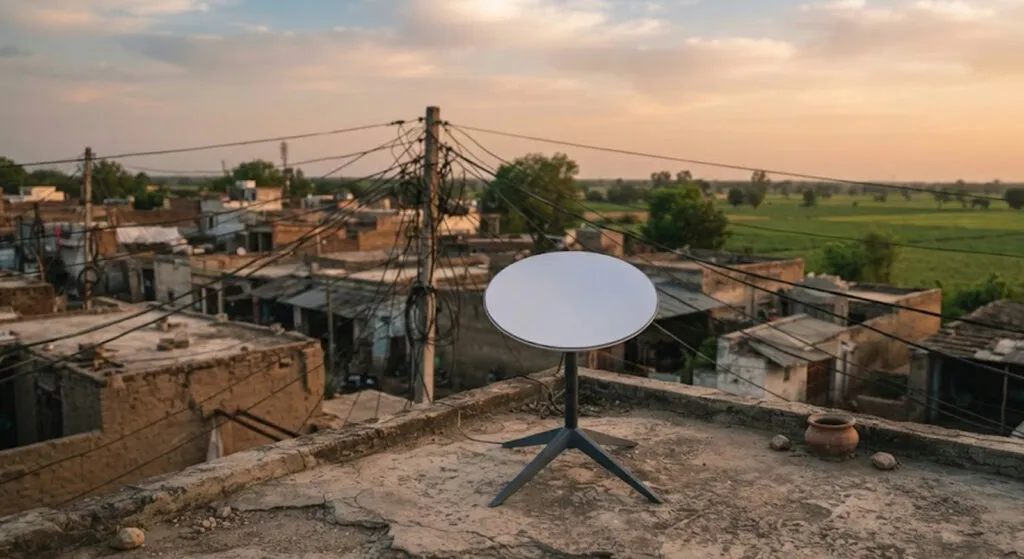
Musk accuses Ambani of a monopoly, and India's ministry replies that all satellite operators are waiting in the same queue....
This site uses cookies - is that okay? Learn more
Be the first to know when Metla launches something new
Leave your email and we will write when there is a new guide or something new on Metla.