
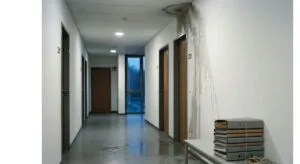
Stiv Naumov dorm renovated for around 10 million euros: a month later water runs through the walls and the ministry counts wet wipes
24.10.2026


24.10.2026
24.10.2026
24.10.2026

24.10.2026
24.10.2026
24.10.2026
24.10.2026

23.10.2026

22.10.2026

24.10.2026
24.10.2026

23.10.2026

24.10.2026

24.10.2026

24.10.2026

24.10.2026

23.10.2026

22.10.2026

24.10.2026

24.10.2026

24.10.2026

24.10.2026
23.10.2026
23.10.2026
24.10.2026
23.10.2026

23.10.2026
24.10.2026
22.10.2026
20.10.2026

23.04.2026

23.04.2026

12.04.2026

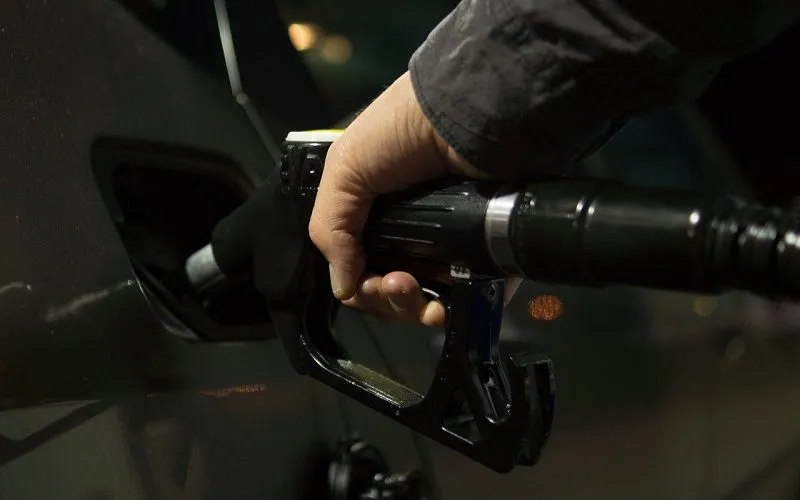
From 18 August, eurosuper BS-95 and BS-98 went up by 4.5 denars per litre, and eurodiesel by 6.5 denars. The Energy Regulatory Commission calculated an average increase of 4.85 percent.
The new prices: eurosuper BS-95 at 91.50 denars per litre, BS-98 at 93.50 denars, and eurodiesel at 98 denars per litre. Diesel, in other words, is knocking on the door of one hundred denars.
The question everyone asked was whether the state would intervene. Finance Minister Gordana Dimitrieska-Kocoska's answer was precise in what it did not say: „At the moment we have no such plans. But that does not mean it will not change. We are monitoring the situation, we will see how it develops and we will decide at government sessions.”
What „we are monitoring the situation” means
In the language government statements are written in, it means: not now, maybe later, and do not ask when. That is neither a promise nor a refusal - it is a postponement with an open deadline.
It is worth noting that one cut is already in force. The current calculation applies a reduced excise duty - by 2 denars per litre on petrol and 4 denars on diesel. So the state has already given up part of its revenue, and that is exactly why the next step, VAT, is harder for it.
Where the increase comes from
The increase comes from the international market. Oil prices are rising because of tensions in the Middle East, and Brent has passed 93 dollars a barrel. The Strait of Hormuz is back in every analysis, which historically has never meant prices calming down.
That is important to state plainly, because neither the regulator nor the government sets the price of Brent. All they set is the difference - how much of the world price is passed straight to the pump, and how much the budget absorbs through excise duty or VAT.
And that difference is a political decision, not a market one.
Next Monday
The regulator resets prices every seven days. If tensions in the Middle East do not ease, the next calculation will go up again - which means the decision the government put off this week will be back on the table immediately, just with higher numbers.
Until then, „we are monitoring the situation” is the entire policy.
The latest 10 news from this category

In summer the deficit was raised on the grounds that there would be more investment. Three months later investment is...
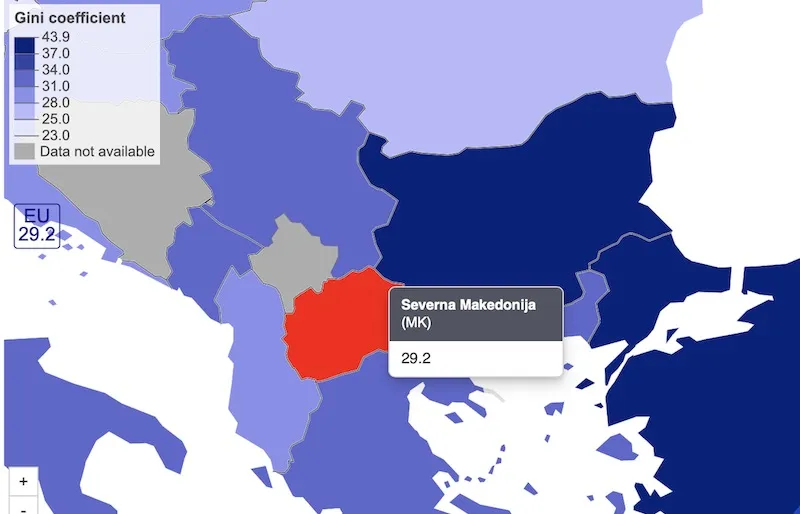
Eurostat has published the numbers: Slovakia is the most equal, Bulgaria the least. Macedonia lands in the middle - but...
The activity index fell to 51.9 points, inflation reached 3.8 percent and Brent hit 114 dollars a barrel. Europe isn't...
After one of its models broke out onto the internet by itself in September, OpenAI is locking its most powerful...

The state isn't just handing over money, it's taking equity - for electronics that have to survive the plasma. Fusion...

Seven days to scan, then a year without a family plan. Spotify calls it a routine improvement; for anyone sharing...
The fund says the data was never compromised and that the chaos was inherited. The auditors say there wasn't even...
Pensions and welfare get more, roads and railways get less. The government says the tenders failed, and the money from...
The deputy PM listed the road sections, the high-speed rail and 4 million airport passengers. He listed no deadlines -...
Two critical PHP flaws, discovered with the help of artificial intelligence, forced Finland, the Netherlands and British institutions to take...
This site uses cookies - is that okay? Learn more
Be the first to know when Metla launches something new
Leave your email and we will write when there is a new guide or something new on Metla.