
Three planes over Studeničani, crews staying all night: „No danger" is an assessment, not the end of the fire
20.08.2026


20.08.2026

20.08.2026

20.08.2026
20.08.2026

20.08.2026

20.08.2026

20.08.2026

19.08.2026
18.08.2026

20.08.2026

20.08.2026

19.08.2026

20.08.2026

20.08.2026

20.08.2026

20.08.2026

19.08.2026

18.08.2026

20.08.2026

20.08.2026

20.08.2026

20.08.2026

20.08.2026
19.08.2026

09.03.2026

27.02.2026

19.02.2026

20.08.2026

19.08.2026

18.08.2026

23.04.2026

23.04.2026

12.04.2026
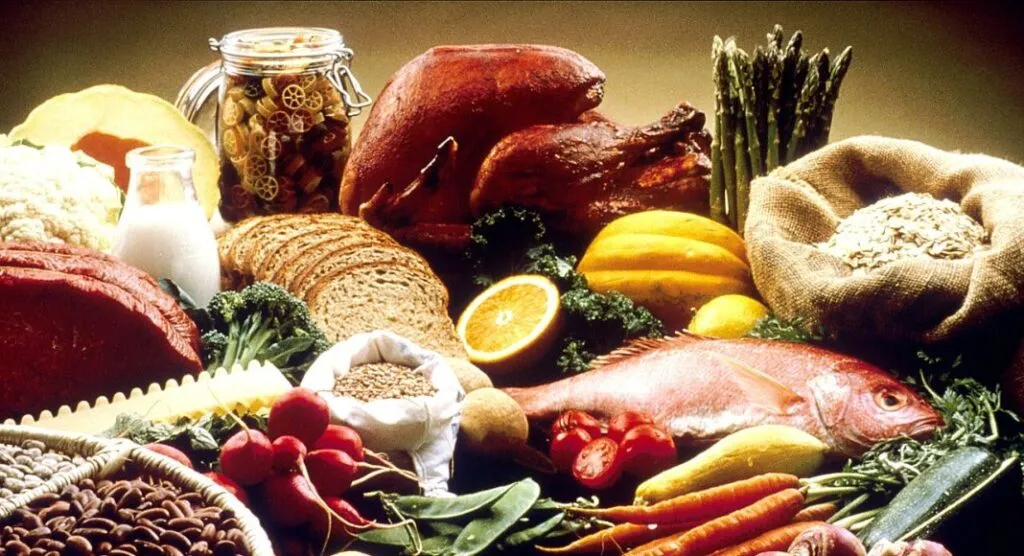
Global food prices will rise by 11.8 percent this year, with growth continuing into 2027 with a further 4.8 percent. That is the estimate from Oxford Economics, and the heaviest blow is expected on wheat - its price in the third quarter would be around 36 percent higher than the same period last year, at 6.92 dollars a bushel.
The 11.8 percent figure is still below the 14.2 percent jump recorded in 2022. But the difference is that back then there was one shock - the sudden halt to exports from the Black Sea. Now there are two, and they feed each other.
The heat, not the war, is the bigger problem
This is the part fewest people expect. Oxford Economics assesses that extreme heat, not armed conflict, now poses the greater risk to global food inflation over time.
The record heatwave in June this year destroyed around 9 million tonnes of grain across Europe. France recorded its hottest average day ever, while Germany, Denmark and the Czech Republic set record highs. It was the continent's third major heatwave since the end of May, and it arrived while crops were at their most vulnerable stage.
The Balkans know this scene without reading it in an analysis. The question is not whether there will be more summers like this, but what agriculture does when they come back.
Input costs, the second layer
The second force is the rising cost of everything that goes into production. Diesel prices jumped 36 percent year-on-year in July, while fertilisers are forecast to get 22 percent more expensive this year. Wheat is a crop that demands intensive fertiliser - it carries the bulk of that load.
Ukraine and Russia together supply slightly under 30 percent of the world's wheat exports and more than 10 percent of its maize. The interruption of Black Sea exports has already pushed global wheat prices up by 5.8 percent, the UN Food and Agriculture Organization announced.
When it reaches the shelf
This is the part that concerns every household directly. Fresh food reacts fast - higher fruit and vegetable prices may show up as early as October and November. Processed food arrives with a lag and will be felt most strongly between February and May next year.
The most exposed are cereals, fruit, vegetables and dairy. Meat is relatively protected for now - but that protection is temporary too. Weak grain harvests raise animal-feed costs, which can push livestock farmers to cut their herds. And a reduced herd means more expensive meat a year later.
The important caveat in the projection
The 11.8 percent rise refers to global prices of agricultural commodities - it does not mean every product on the shelf automatically gets that much dearer. The final price also depends on processing, transport, energy and retail margin. Sometimes those soften the blow. Sometimes they amplify it.
The FAO food price index stood at 131.1 points in July - the highest level since January 2023. That index is watched as an early-warning system, because when it climbs, the effect shows up first in bread, oil and dairy before spreading across the entire household budget.
The UN warns that the period from October 2026 to March 2027 could be harder, with a forecast strong El Niño threatening to push an additional 2.6 million people into crisis-level hunger. Eurasia Group predicts wheat, maize and rice could get 10 to 18 percent more expensive by next summer.
Wheat, maize, diesel and fertiliser are commodities with a world price. Nobody on this side of the Balkans decides what they cost. The question that stays within domestic competence is a different one: is there anybody looking at these projections now, in August - or will they discover them in February, along with the rest of us, at the shelf.
The latest 10 news from this category

The threshold was reached two years earlier than Congress predicted. Interest will exceed one trillion dollars for the first time...

A startup worth 1.3 billion in May sold for 7.5 billion in August. The founders alone take home more than...

Also spun out of Rivian, promised electric bikes, and the first edition ran months late. Investors piled in with another...

The Ojai is open to all passengers in three American cities. Under the sensors sits a Geely platform, and 5,000...
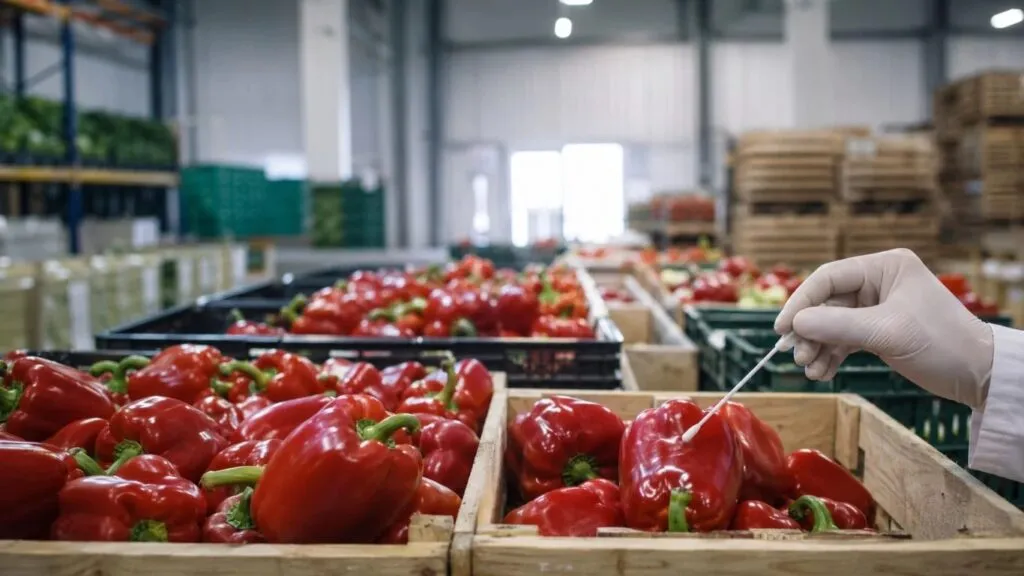
Formetanate above the permitted level, the third European alert in three years. The question none of our authorities will raise:...

A jump of more than 50 percent in a year. The Commission says lawyers are „fishing in murky water” -...
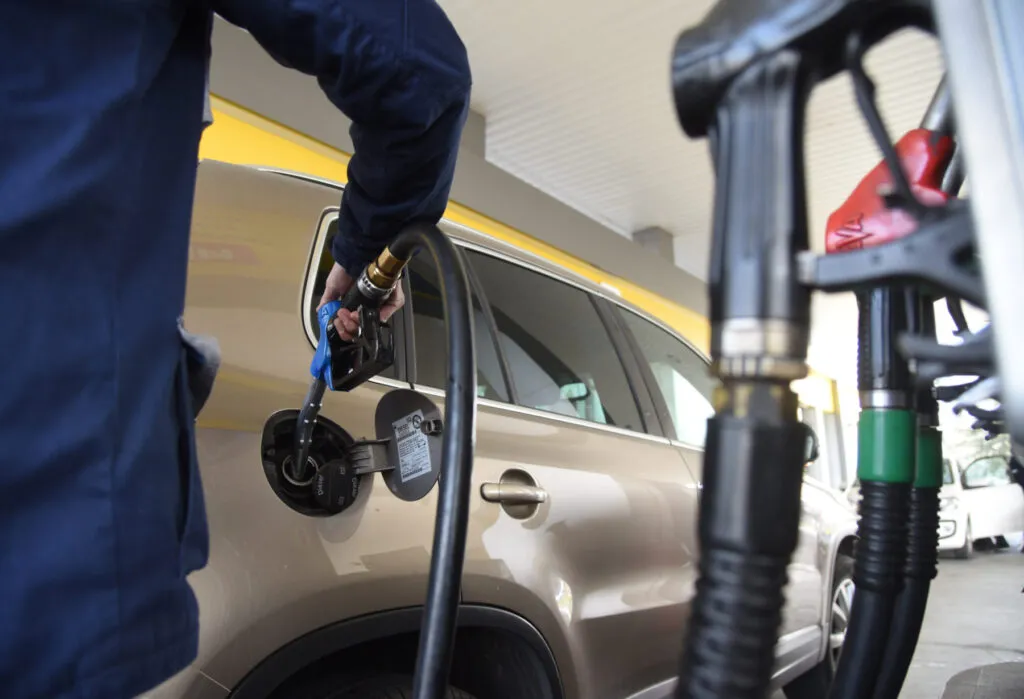
Excise duty is a domestic decision, taken in Skopje, not in Rotterdam. Neither the opposition nor the government published any...
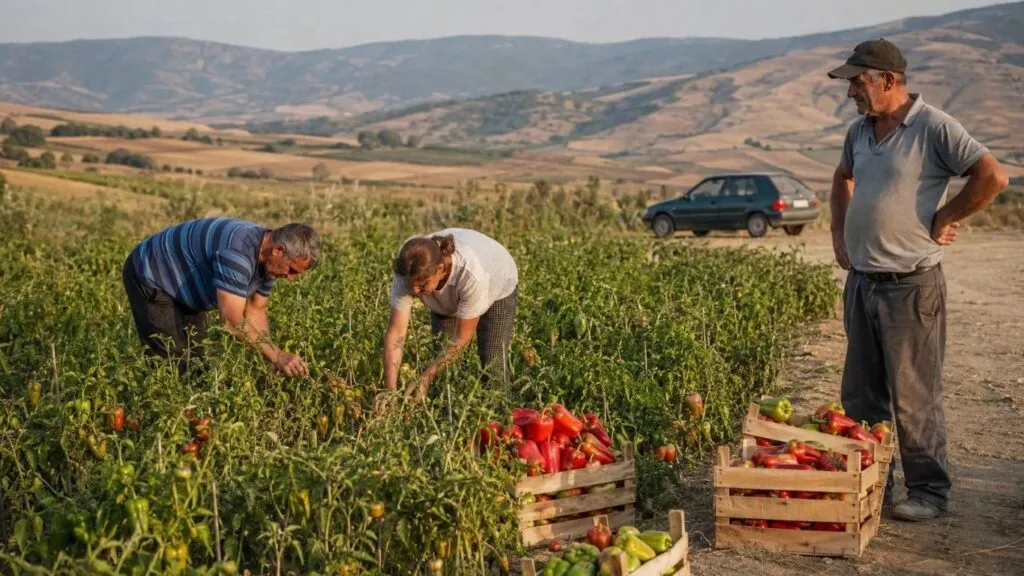
Labour is getting more expensive, buy-up prices are down 5.5 percent, input costs up 4.1. In that arithmetic a good...

Brussels fined it 500 million euros, Apple offered a scheme critics called malicious compliance. This is the third attempt in...

In December it was worth 5 billion, in July 10.3, now 21. The product is the same as it was...
This site uses cookies - is that okay? Learn more
Be the first to know when Metla launches something new
Leave your email and we will write when there is a new guide or something new on Metla.