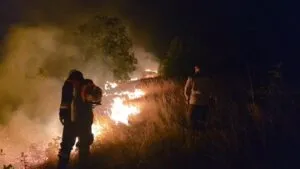
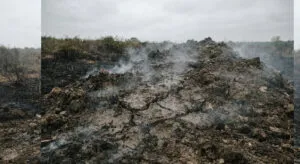
Five Fires Still Burning, at Čanište the Blaze Has Split Into Four Fronts: For the First Time This Summer, the Army Deploys Before the Disaster
21.08.2026


21.08.2026

21.08.2026

21.08.2026

21.08.2026

21.08.2026
21.08.2026

21.08.2026

20.08.2026

20.08.2026
21.08.2026

21.08.2026

20.08.2026
21.08.2026
21.08.2026

21.08.2026

21.08.2026
20.08.2026
19.08.2026

21.08.2026

21.08.2026

21.08.2026

21.08.2026
21.08.2026

21.08.2026

09.03.2026

27.02.2026

19.02.2026
21.08.2026

20.08.2026

19.08.2026

23.04.2026

23.04.2026

12.04.2026
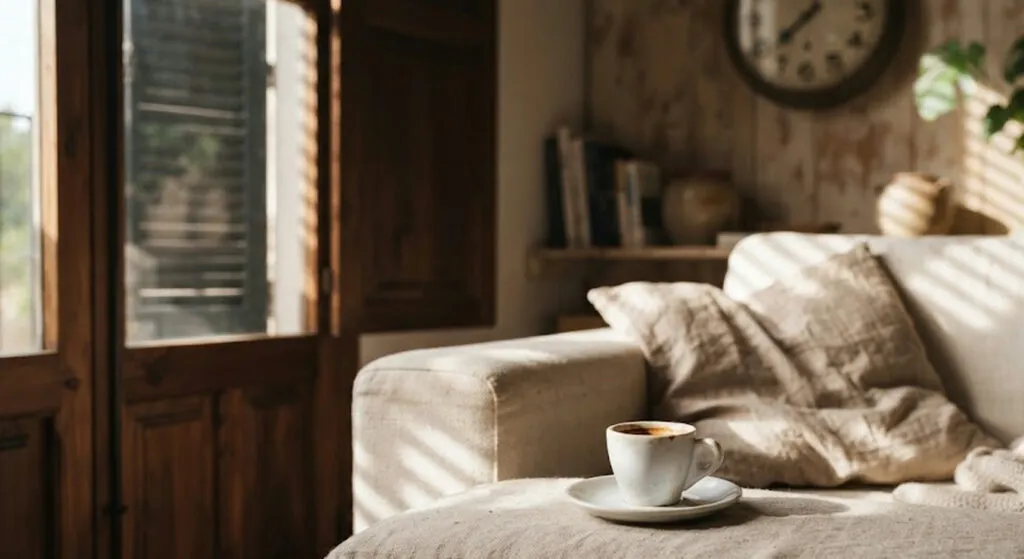
The afternoon nap around here was never defended - it was hidden. Someone apologises that they „just lay down for a bit”, someone says they „closed their eyes for two minutes”, and everyone knows they slept an hour and a half and got up worse than they lay down. That „worse than they lay down” is exactly the part science explains, and the explanation is simpler than you would expect.
Neurologist and sleep medicine specialist Eduard Estivill has drawn up a ten-point guide to the afternoon nap, and his first rule is a number: between ten and twenty minutes. Not a minute more. „If you sleep longer, you enter deep sleep. Then there is no nap - there is a hangover”, he says.
That is the whole secret. It is not about how tired you are, but about which phase you are in when you wake. Coming out of deep sleep signals to the body that the night has just begun, and it then spends half an hour working out it has been tricked. That is why some people get up from a nap fresher, and others get up as if they had been beaten.
The clock matters as much as the length
The natural window is between one and three in the afternoon. That is not a Spanish habit but chronobiology - the body has a small dip in that period anyway. Sleeping later than that reduces sleep pressure in the evening, and then the same person who slept at six in the afternoon wonders why they are staring at the ceiling until midnight.
There is also something that lets off the hook anyone who „cannot fall asleep when they should”: you do not have to fall asleep at all. Closed eyes, fewer stimuli, a still position - the body takes its share even without formally falling asleep. You do not need a dark room, silence and a particular duvet. That is good news for anyone who has been treating an afternoon rest as a project.
Coffee before the nap, not after
The most counterintuitive advice is also the most usable. Caffeine starts working after around twenty minutes. If you drink it right before a short nap, you wake up exactly as it kicks in - rest and alertness in one package. Estivill additionally recommends five minutes of strong light, natural or artificial, and a ten-minute walk afterwards.
And one number that is devastating in its ordinariness: according to research by a hotel chain, 86 percent of Spaniards who nap exceed the recommended length, and more than half fall asleep spontaneously, without any plan. So almost everyone does the very thing they later complain about.
Estivill recommends napping at least three times a week, not every day. And he sets one limit that is important not to skip over: it is not a repair for a badly slept night. „If you sleep badly at night, a nap does not repair the damage.” Around here the afternoon nap is often defended as tradition. The problem is that the tradition lasts an hour and a half, while science gives twenty minutes - and those twenty minutes are the only ones that actually work.
The latest 10 news from this category
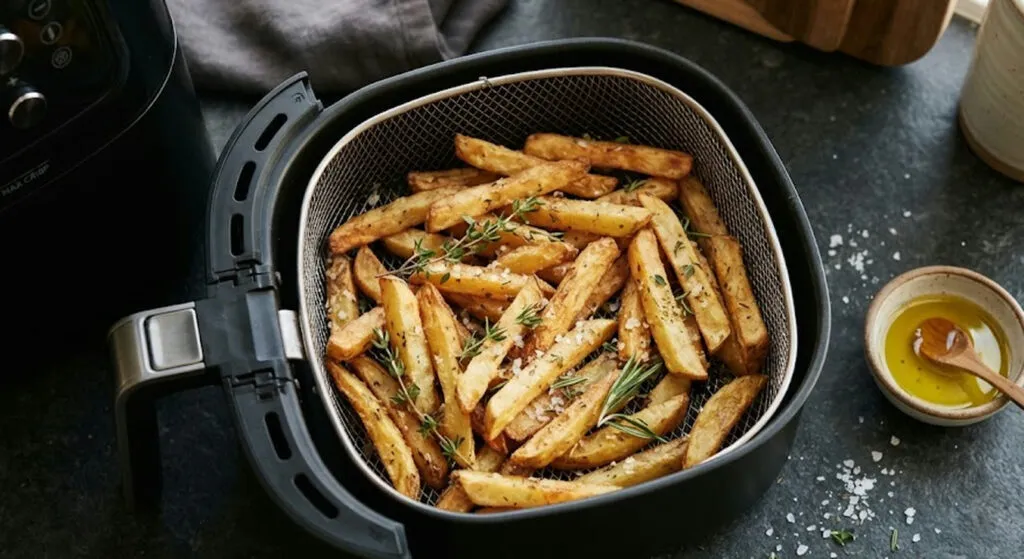
The first pass at 800 watts confits the potato from the inside. The starch comes out with water, the salt...
Antonio Bolinches names the mechanism behind half of all long-running „best friendships" - and explains who ends up in the...

A dish born because a boat ran out of rice. Ready in under twenty-five minutes - as long as you...
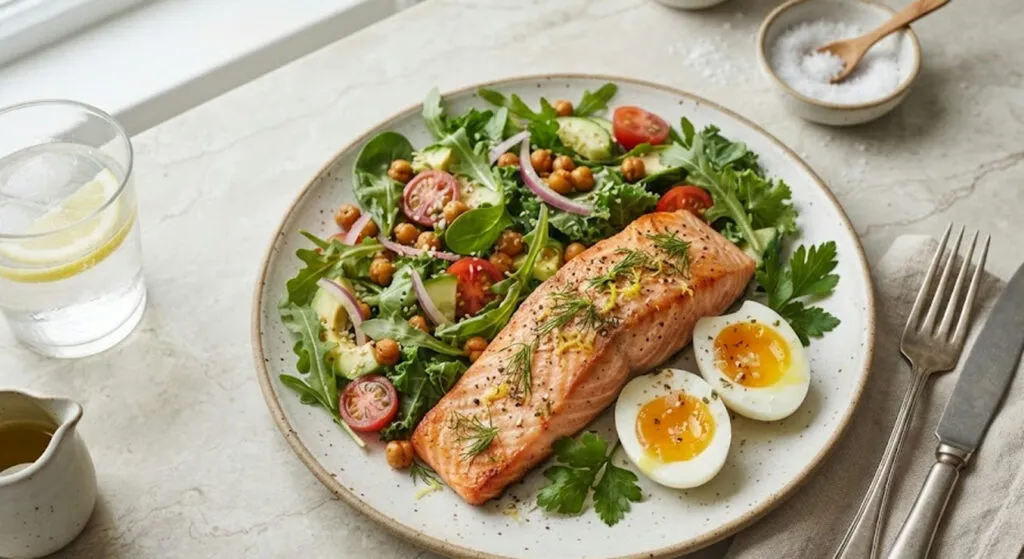
The official minimum is 0.8 grams per kilogram. The recommendation for an active person is double that - and after...
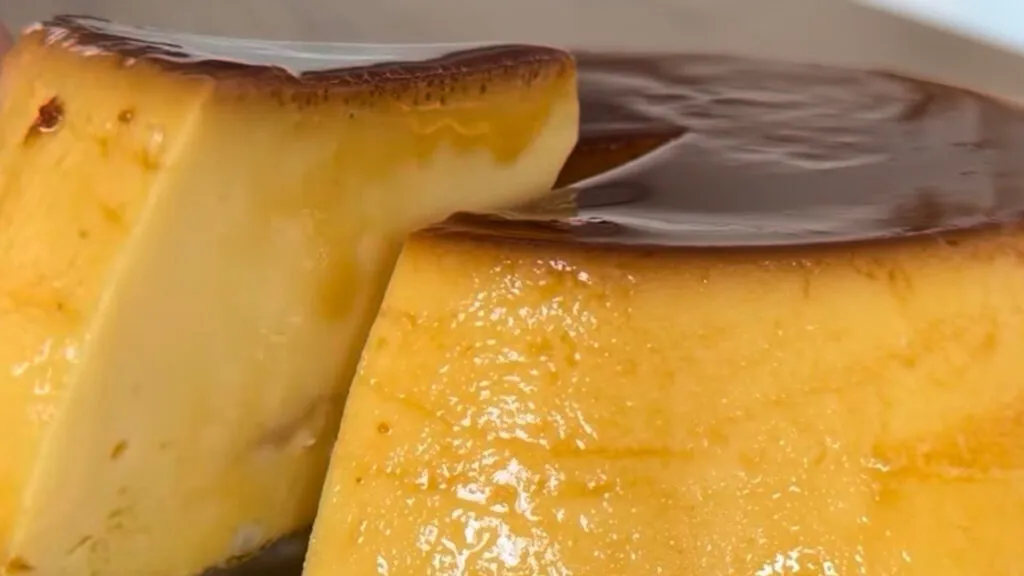
The whole flan breaks in three places - hot milk, vigorous whisking and turning it out before the fridge. Not...
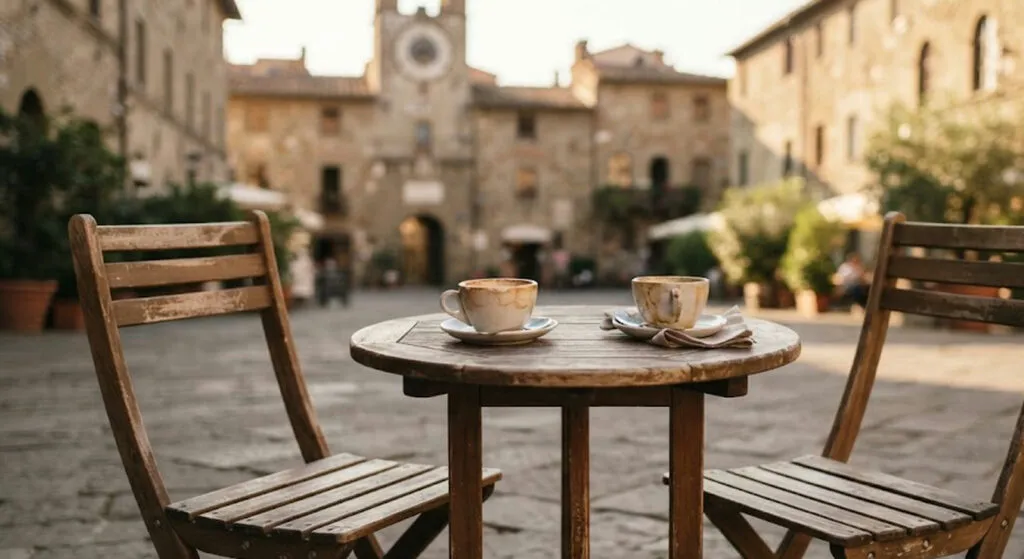
Isolation raises mortality risk by 32 percent, felt loneliness by 14. And no, living alone is not the same as...
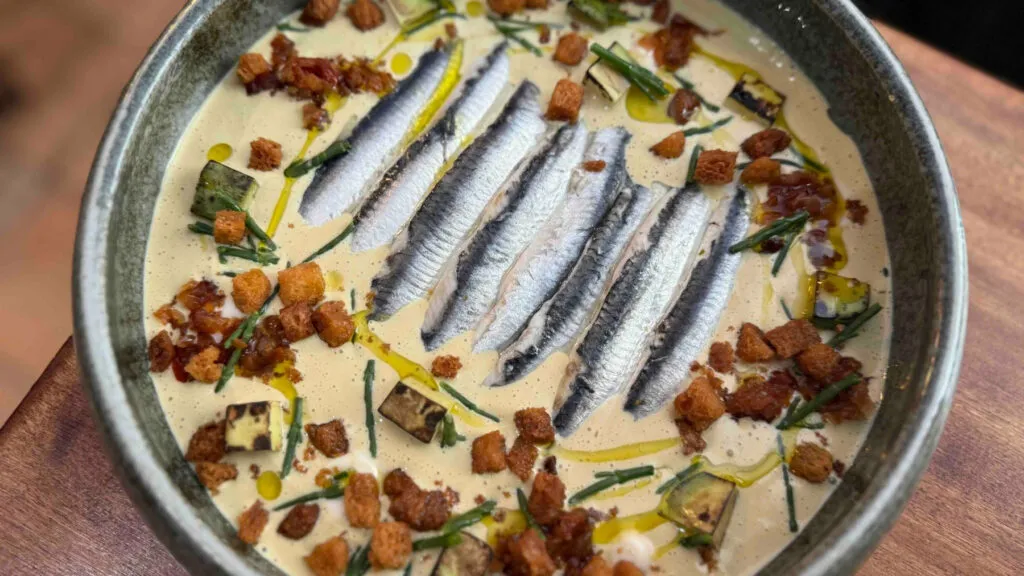
A Madrid chef adds a Peruvian sauce to a dish every Mediterranean coast has its own version of. The full...
Her rule is to eat half of whatever she is served. On needles and Ozempic she has exactly one sentence...

A dish with nowhere to hide - boiled potato, egg, onion, parsley, vinegar and oil. The entire difference between good...
Ten thousand steps is a marketing figure from a Japanese advert. The number with research behind it is higher, and...
This site uses cookies - is that okay? Learn more
Be the first to know when Metla launches something new
Leave your email and we will write when there is a new guide or something new on Metla.