
Three planes over Studeničani, crews staying all night: „No danger" is an assessment, not the end of the fire
20.08.2026


20.08.2026

20.08.2026

20.08.2026

20.08.2026

20.08.2026

20.08.2026

20.08.2026

19.08.2026
18.08.2026

20.08.2026

20.08.2026

19.08.2026

20.08.2026

20.08.2026

20.08.2026

20.08.2026

19.08.2026

18.08.2026

20.08.2026

20.08.2026

20.08.2026

20.08.2026

20.08.2026
19.08.2026

09.03.2026

27.02.2026

19.02.2026

20.08.2026

19.08.2026

18.08.2026

23.04.2026

23.04.2026

12.04.2026

Forty trillion dollars. That is the public debt of the United States, the US Treasury Department announced. The number is so large it stops meaning anything - and that is precisely the problem with it.
The threshold was reached far earlier than anyone predicted. The Congressional Budget Office calculated they would get there only in fiscal 2028. They got there now. The last trillion piled up in five months.
The interest is the story, not the debt
The debt itself is an old problem and America has lived with it for decades. What changed is the cost of holding it. After the rate rises with which the Federal Reserve choked off inflation, the interest bill this fiscal year is expected to exceed one trillion dollars for the first time - three times more than five years ago.
Marc Goldwein, from the organisation that tracks the federal budget, put it without hedging: significantly more is being spent on servicing old debt than on investing in the future. That is a sentence anyone who has ever paid off one credit card with another understands immediately, without an economics dictionary.
How it got here
The causes piled up over years and do not belong to one party. An older population and higher pension and healthcare costs. The 2017 tax reform. Pandemic packages from two administrations. The 2025 act with the pompous name. Every step was reasonable at the moment it was taken - which is almost always the case with debt.
Michael Peterson, chief executive of the foundation that tracks fiscal sustainability, calculated that at this pace the debt will reach 50 trillion in just six years. Less than ten years ago it stood at 20.
Why this does not stay in Washington
Higher yields on American bonds are not sealed inside one country. They have raised the cost of borrowing across the entire economy - mortgages, car loans, business credit. And in 2025 Moody's cut the American credit rating, stripping the country of the last perfect rating it held.
When the world's biggest economy pays more to borrow, nobody further down the chain pays less. Is anyone in this region watching that figure with the same attention they give the euro exchange rate?
The latest 10 news from this category

June's heatwave destroyed 9 million tonnes of grain across Europe. Fresh food reacts by November, processed food hits from February...

A startup worth 1.3 billion in May sold for 7.5 billion in August. The founders alone take home more than...

Also spun out of Rivian, promised electric bikes, and the first edition ran months late. Investors piled in with another...

The Ojai is open to all passengers in three American cities. Under the sensors sits a Geely platform, and 5,000...

Formetanate above the permitted level, the third European alert in three years. The question none of our authorities will raise:...

A jump of more than 50 percent in a year. The Commission says lawyers are „fishing in murky water” -...
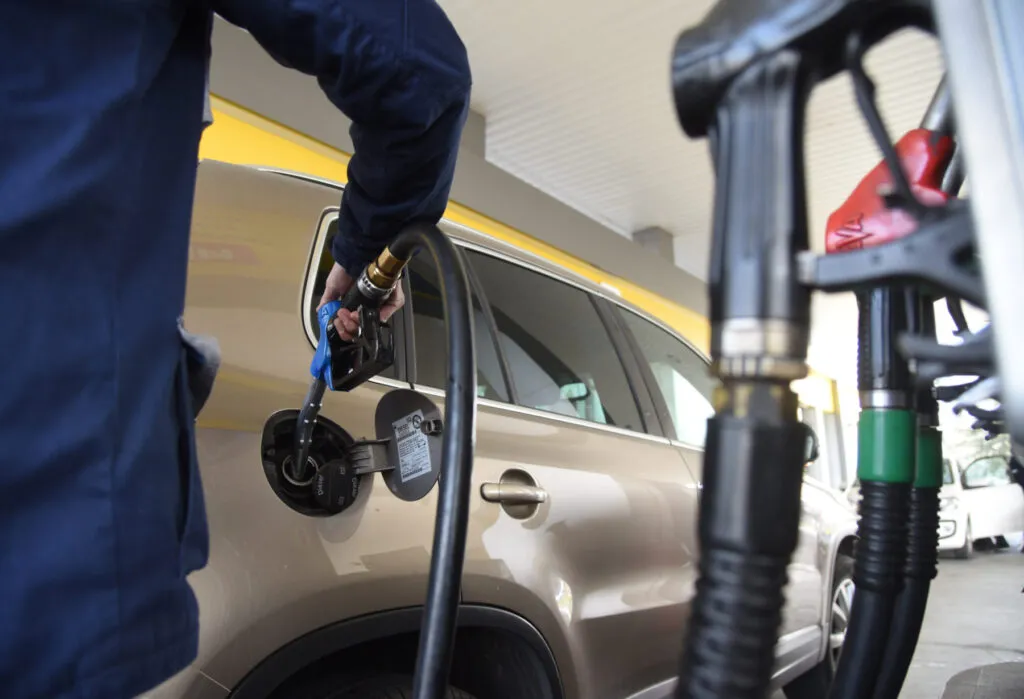
Excise duty is a domestic decision, taken in Skopje, not in Rotterdam. Neither the opposition nor the government published any...

Labour is getting more expensive, buy-up prices are down 5.5 percent, input costs up 4.1. In that arithmetic a good...

Brussels fined it 500 million euros, Apple offered a scheme critics called malicious compliance. This is the third attempt in...

In December it was worth 5 billion, in July 10.3, now 21. The product is the same as it was...
This site uses cookies - is that okay? Learn more
Be the first to know when Metla launches something new
Leave your email and we will write when there is a new guide or something new on Metla.