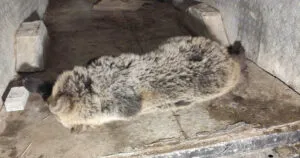
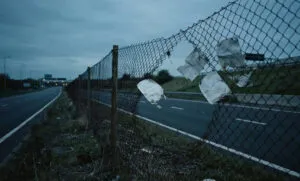
Bear cub killed on the Skopje-Tetovo motorway: the fence is a legal obligation, while the rescue team exists only in a Viber group
25.10.2026


25.10.2026
25.10.2026

25.10.2026
25.10.2026

25.10.2026
25.10.2026
25.10.2026
25.10.2026

25.10.2026

25.10.2026

25.10.2026
24.10.2026
25.10.2026

25.10.2026

25.10.2026
25.10.2026

24.10.2026

23.10.2026

25.10.2026

25.10.2026

25.10.2026

25.10.2026
25.10.2026

25.10.2026
25.10.2026
25.10.2026
24.10.2026
24.10.2026
22.10.2026
20.10.2026

23.04.2026

23.04.2026

12.04.2026

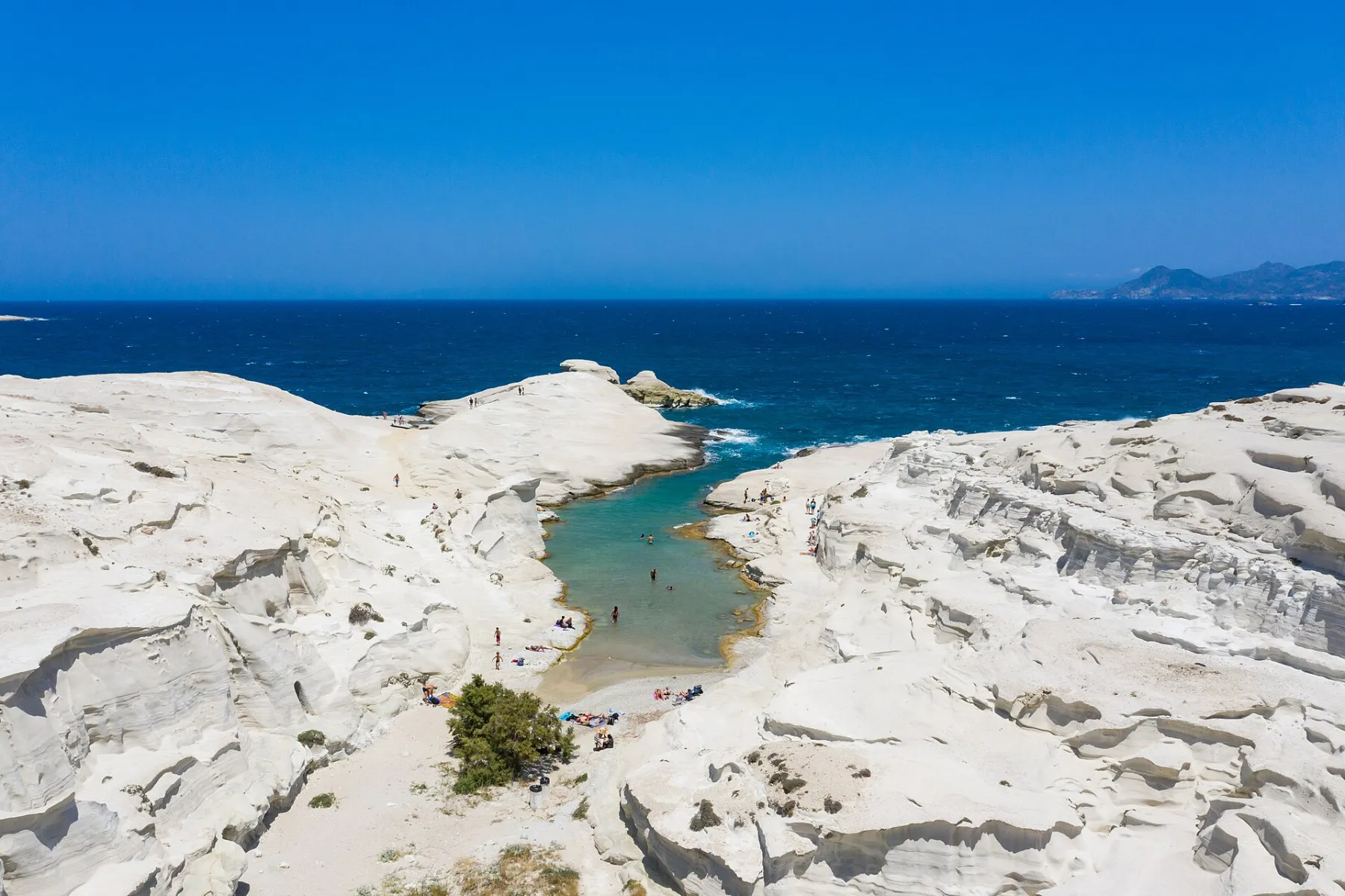
There are Greek islands you know before you get to them, because you have seen them a thousand times in other people's photographs. Milos is not one of them, and that is precisely its advantage. A volcanic island of a little over 150 square kilometres, in the Cyclades, with a coastline so bitten into that from the air it looks like something torn by hand.
The rock is what sets it apart from its neighbours. Milos has white, red, yellow and black rock formations, because the whole island is volcanic production. At Sarakiniko that gets out of hand in the best way - white rock polished as if it had been poured, and beneath it a sea in a colour that looks overdone. People photograph the moon there, not a beach.
The rest of the catalogue is long: over 70 beaches, each with its own character. Provatas is flat and sandy, for families with small children. Firiplaka in the south is framed by volcanic rocks above a long sandy strip. Paliochori is recognisable by the colour of the rocks around it. No two look alike, which is rare for an island this size.
What you cannot see from land
Kleftiko is the reason you rent a boat. Enormous white volcanic rocks rise straight out of the sea, creating caves and small cove-rooms that simply have no road to them. If you have only seen Milos from a car, you have seen half of it.
The port of Adamas is the practical base. Pollonia in the northeast is maritime, with restaurants right over the water. Plaka, the old capital, is everything anyone expects from the Cyclades - narrow lanes, white houses, churches, and the Kastro fortress from which you see the whole island and wait for the sunset. Klima is the most photographed village: fishermen's houses called syrmata, with colourful doors and facades right on the sea. Mandrakia is a smaller version of the same, with fewer people.
The island that sent Venus to Paris
The world found out about Milos in 1820, when the Aphrodite of Milos was discovered here - the statue that stands in the Louvre today and that the whole world calls the Venus de Milo. On the island there is only a copy, in the Archaeological Museum in Plaka. It is one of those stories the Balkans understand well: the most famous thing a place has is located somewhere else.
There are also catacombs carved into volcanic rock, a Christian cemetery from the middle of the first to the seventh century. There is Phylakopi, one of the most significant Bronze Age settlements in the Aegean. And there is an ancient theatre from the Roman period, recently restored and reopened for performances.
The food is what you expect from a fishing island - fish, seafood, vegetables, cheese, meze. The good restaurants are concentrated in Adamas and Pollonia, but the real thing happens in the small tavernas in the fishing villages.
Getting there takes patience: a flight to Athens, then a domestic flight of around forty minutes to the island's small airport, or a ferry from Athens and other Aegean ports. A car is nearly compulsory - on an island with seventy beaches, anyone without transport sees the three nearest ones and goes home convinced they have seen Milos.
The latest 10 news from this category

Of 80 towers, just over twenty remain, the palace where the queen who sent Columbus was born is today a...
Hermits, a legend about a statue that arrived from Rhodes and bus number 499. One of the most unusual places...
One of the wildest isn't in Scandinavia but in the Balkans: Perućica in Bosnia, with trees taller than 50 metres...
Galleries in former factories, the pope as a pop icon and Keith Haring in a palazzo. Entry is free, and...
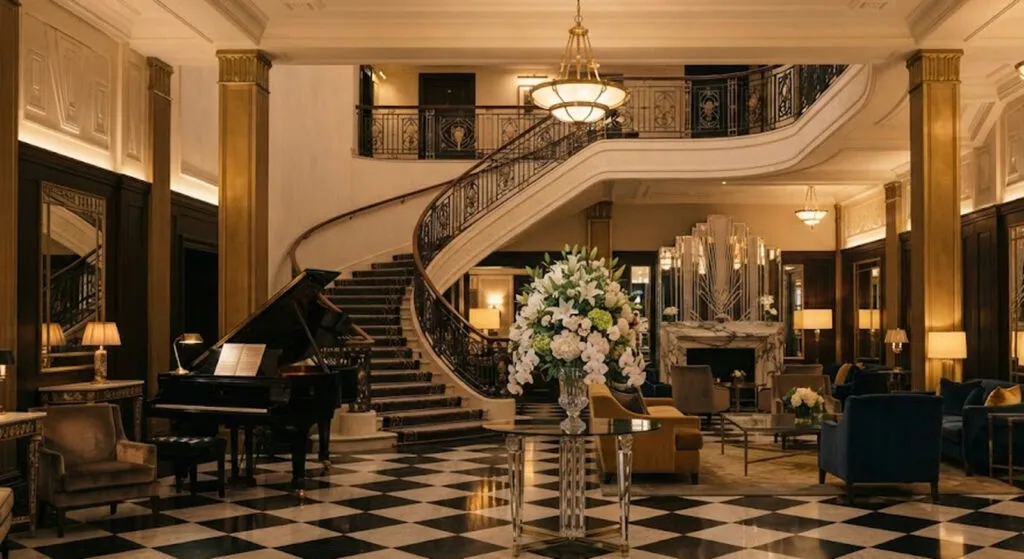
Deposed kings, a future queen who said "yes" on the third try and Kate Moss's party that staff still won't...
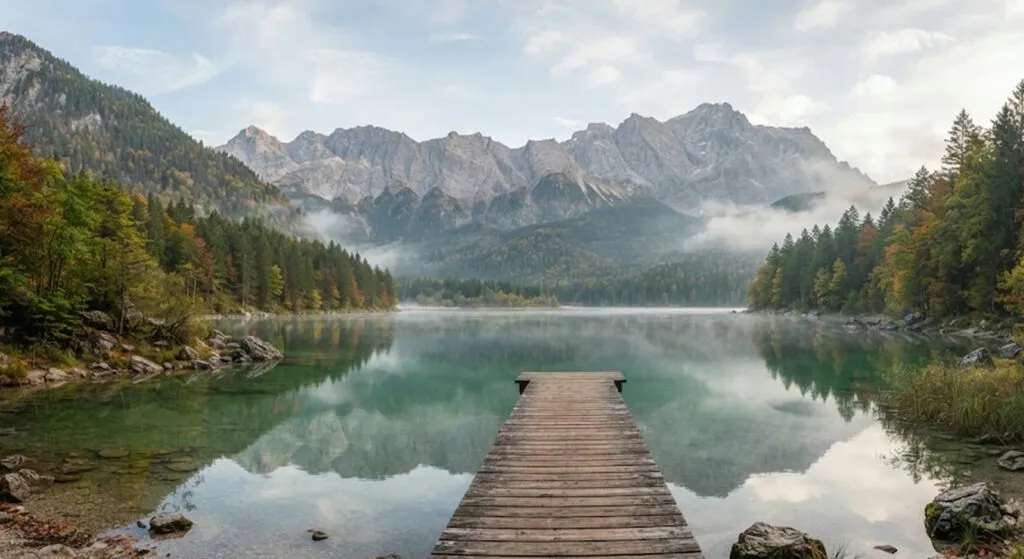
An Alpine lake with no concrete on its shores, a 15th-century castle that starred in the Sissi films, and a...
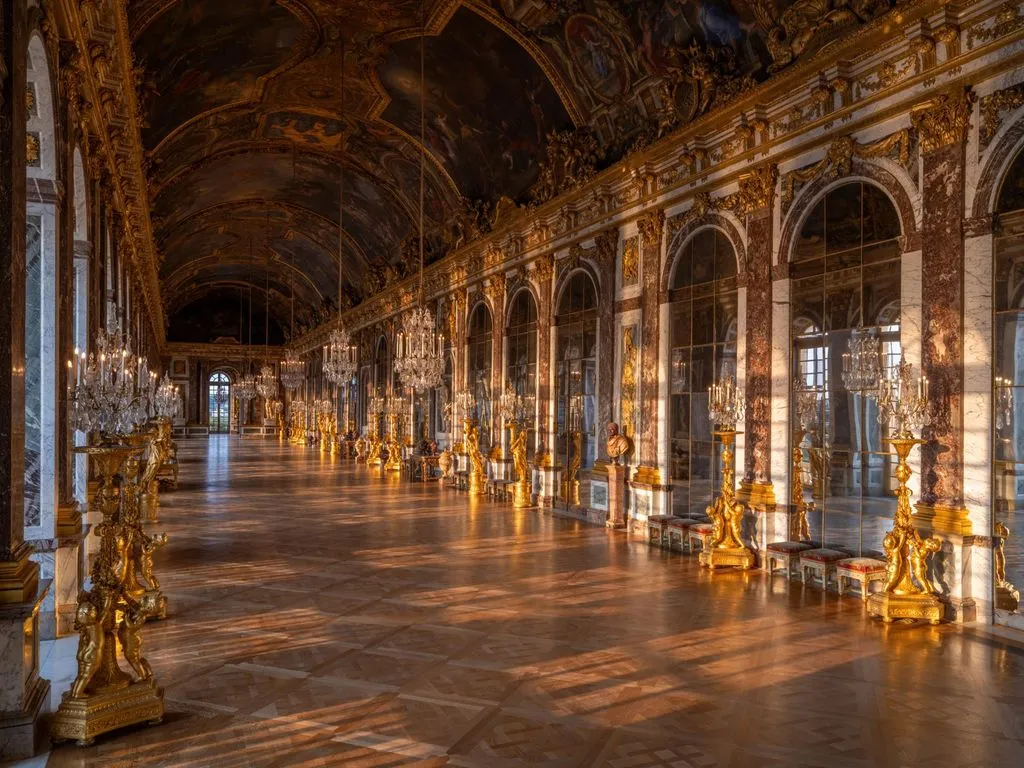
The film was booed at Cannes, and now it has an exhibition in the palace where the queen escaped protocol....
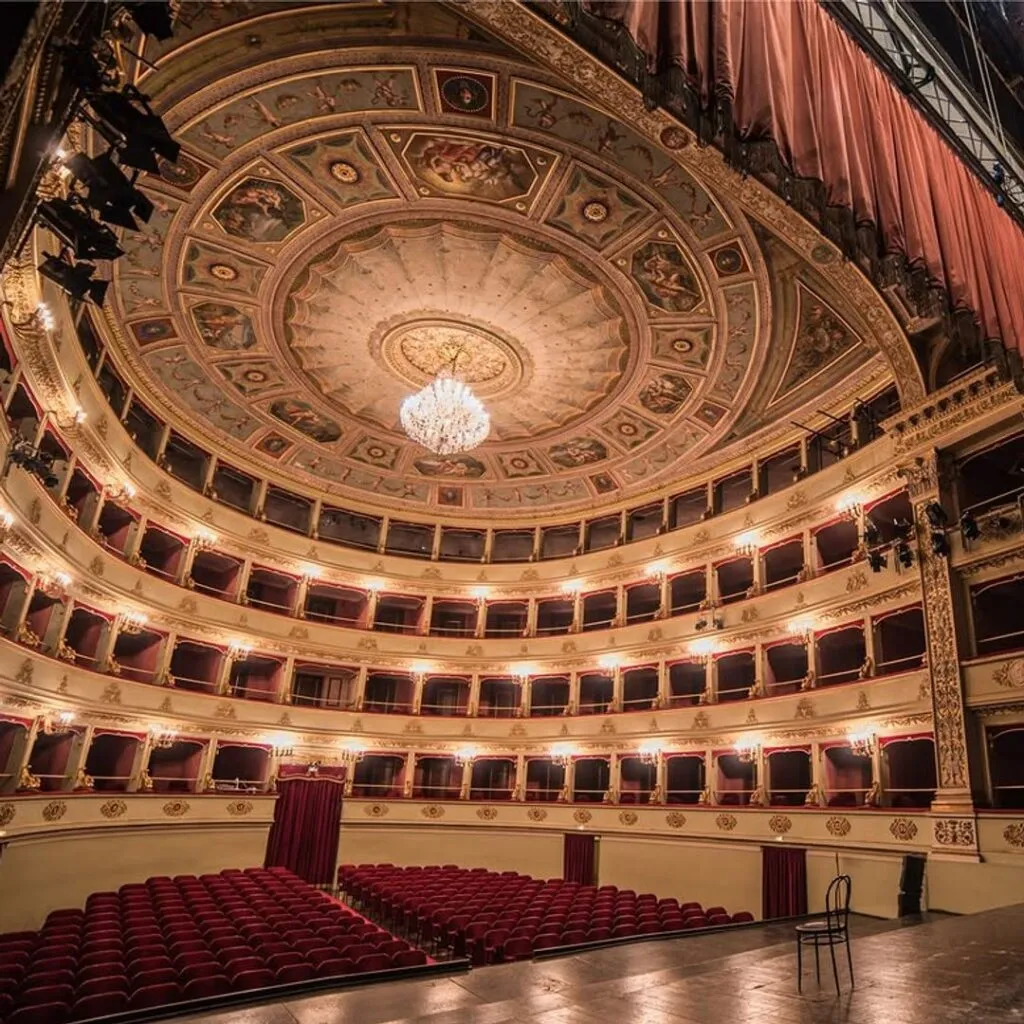
In Marche, families bought boxes at the theatre and left them in their wills like a field or a flat....
Beneath Robin Hood's city lies a whole underground world - caves that served as cellars, workshops and bomb shelters. Harry...
Once the third-largest town in the Kingdom of Hungary, today around 9,200 inhabitants, mining tunnels under the houses and the...
This site uses cookies - is that okay? Learn more
Be the first to know when Metla launches something new
Leave your email and we will write when there is a new guide or something new on Metla.