

Kazandol Is Back in the Spatial Plan: The State Won the Arbitration Over the Mine, and Now the Draft Puts It Back on the Map
07.10.2026


07.10.2026
07.10.2026
07.10.2026
07.10.2026

07.10.2026

07.10.2026

07.10.2026
06.10.2026

06.10.2026

07.10.2026

07.10.2026

06.10.2026

07.10.2026

07.10.2026

07.10.2026
07.10.2026

06.10.2026

05.10.2026

07.10.2026

07.10.2026
07.10.2026

07.10.2026

07.10.2026

06.10.2026

09.03.2026

27.02.2026

19.02.2026

07.10.2026

06.10.2026

05.10.2026
06.10.2026

05.10.2026
04.10.2026

23.04.2026

23.04.2026

12.04.2026


The payments company Stripe confirmed on Wednesday its acquisition of OpenRouter - a startup that does not charge, does not issue invoices and has nothing to do with money. It does something far simpler: it routes developers' requests to different artificial intelligence models. The price was not announced officially, but according to New York Times sources it is 7.5 billion dollars (around 6.9 billion euros).
Three months earlier, in May, that same startup was valued at 1.3 billion dollars. So its value grew almost sixfold over one summer. The founders alone will take 1.5 billion dollars - more than the entire company was worth in May. Six billion is left for the investors. And that is after Stripe had to outbid other interested parties, Databricks among them.
The question remains why a payments giant buys a prompt router. The answer the founders gave in a letter to their own investors is - the singularity.
„It is a vague and perhaps already overused term, but we decided that 1 January marked the beginning of the singularity and we have been operating on that basis ever since,\" wrote the brothers Patrick and John Collison in the letter, published by Eric Newcomer and confirmed by the newsrooms that read it.
The singularity, in the original sense of the word, means the moment when humans and the technology they created merge into a new species. It is hard to believe the two Irishmen think humanity literally started turning into a machine on 1 January - Patrick Collison himself admitted in April that he uses the term half in jest. But when a sentence like that enters a letter to investors who have just approved 7.5 billion, the joke starts costing something.
What sits underneath the joke is more concrete. Stripe claims 88 percent of the companies on the „Forbes AI 50\" list use its products, OpenAI and Anthropic included. More companies get founded, more of them pay through Stripe. Until now all the company's larger acquisitions pointed at one side of the balance sheet - collecting and managing money coming in. OpenRouter is a step towards the other side: costs, and specifically the cost of artificial intelligence.
„This is a deliberate attempt by Stripe to embed itself in the middle of the flow of capital in the AI era,\" says Franco Granda, an analyst at the research firm PitchBook. In his view, OpenRouter also gives Stripe „a certain degree of power over suppliers - the labs building the models themselves, as well as over the hyperscalers\".
That is the point worth holding onto. Who receives the money and who sees the bills are two different kinds of power, and here one company holds both. Stripe is not alone in this - Databricks built a system of its own, Rippling and Ramp launched theirs in recent months. The difference is that none of them already carries such a share of the world's online payments.
OpenRouter has promised to keep operating independently once the deal closes in a few weeks, and that „the product, the mission and existing commitments remain unchanged\". Sentences like that get written into every acquisition announcement and rarely mean much past the second year.
The latest 10 news from this category
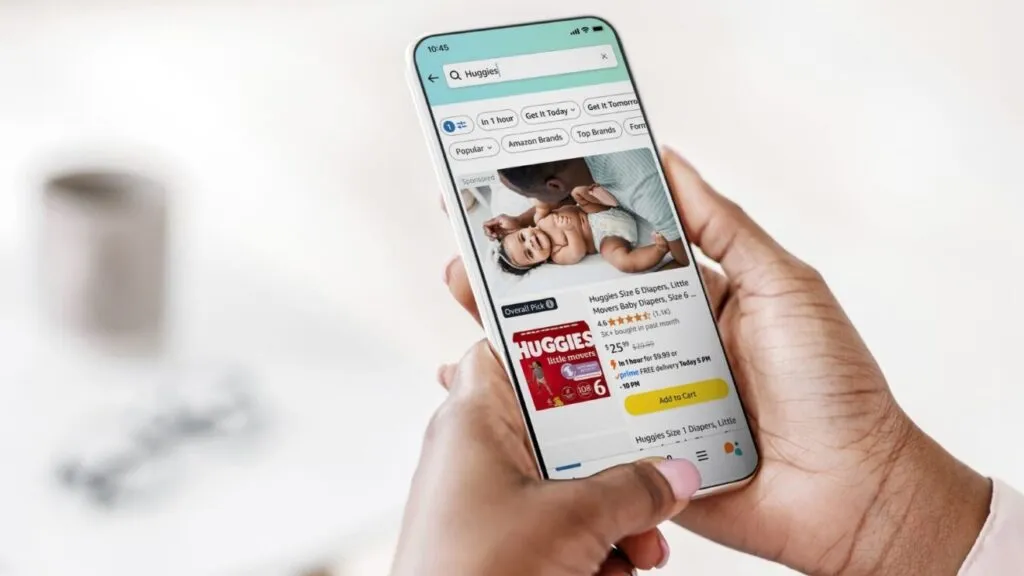
A post with over a million views showed what Amazon pulls out of every order. One pair of leggings -...
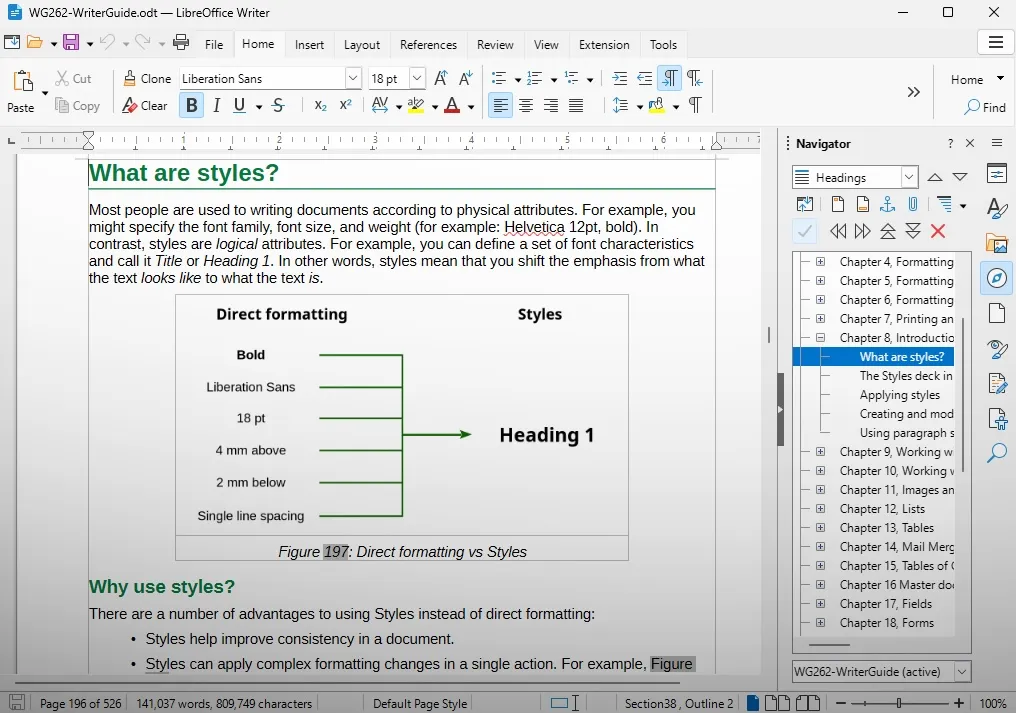
While every piece of software pushes an assistant you never asked for, the foundation behind the free office suite says...

Brussels forced OpenAI to release a watermark the company had ready back in 2024. Macedonia isn't in the EU, so...
54 million Americans say they bought something after seeing a TikTok video. Now the platform wants zero pause for thought...
By executive order, artificial intelligence became "superintelligence", and the safety pledge tech companies signed at the White House binds no...
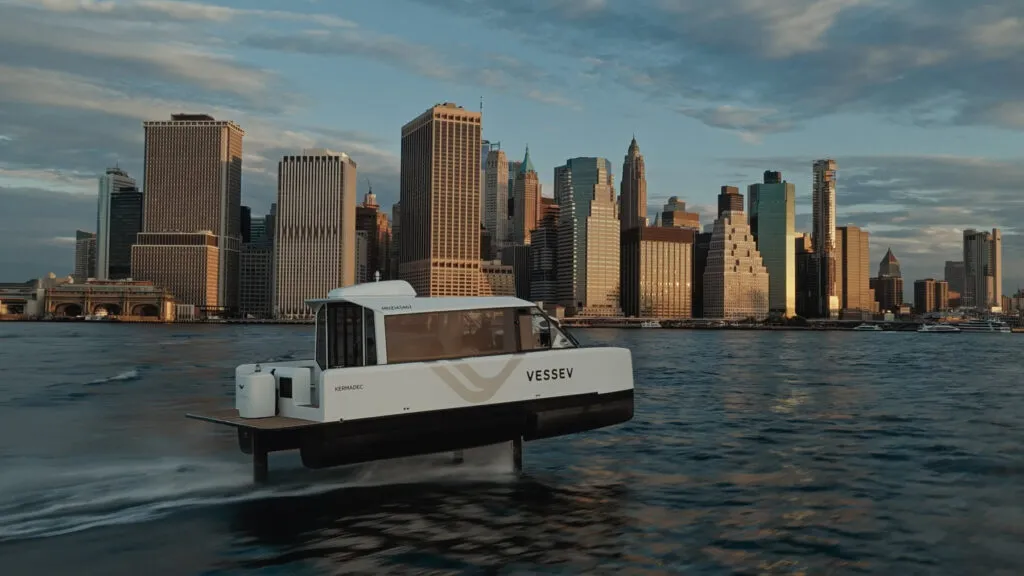
A nine-metre catamaran, a motor the company builds itself and off-the-shelf batteries. Hydrofoils have been around for more than a...
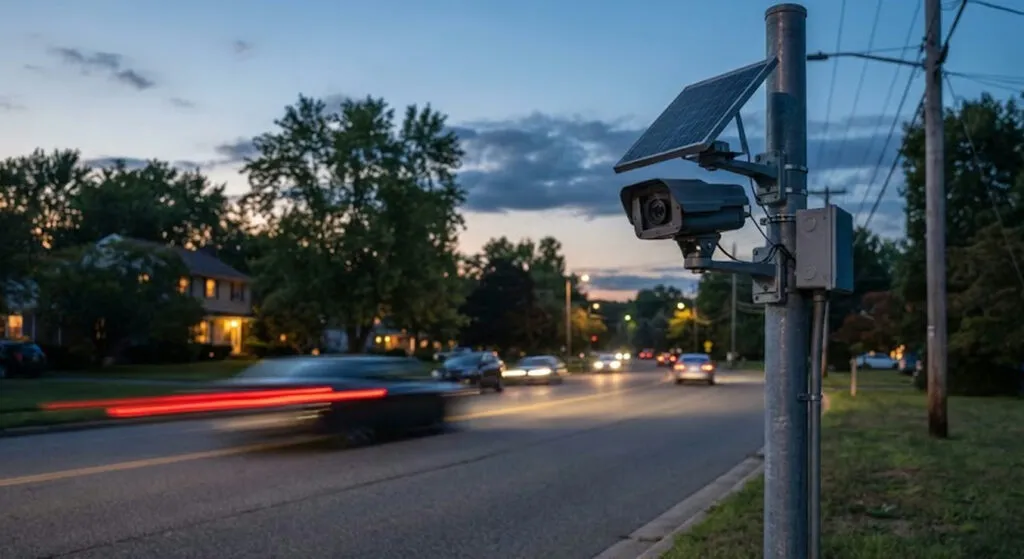
An Oklahoma deputy searched the database only because the car had California plates. The ruling isn't binding precedent, but it's...
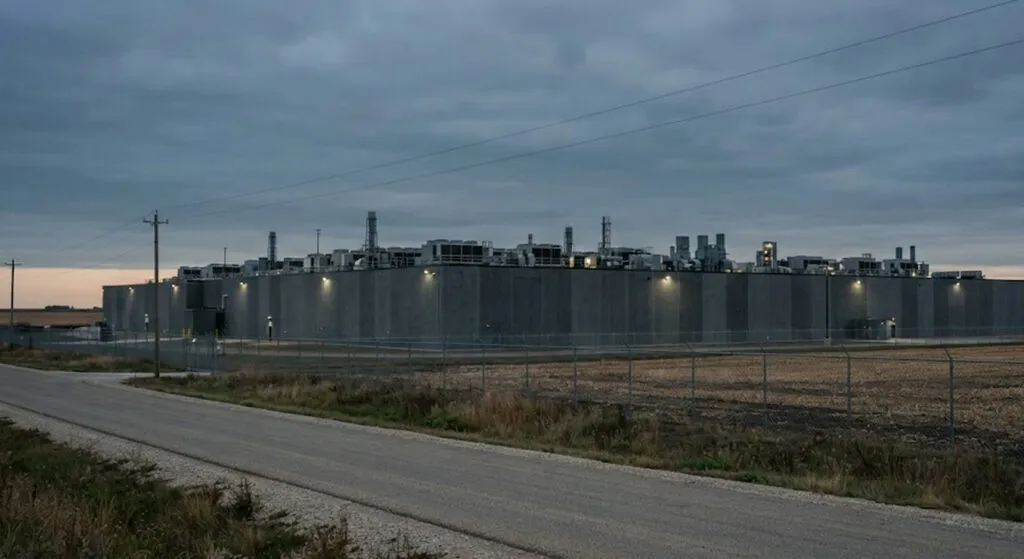
The head of AWS claims data centres don't use much water, don't push up electricity prices and barely pollute. One...

The pope isn't talking about style but about substance: the machine calculates on top of other people's images. The industry...
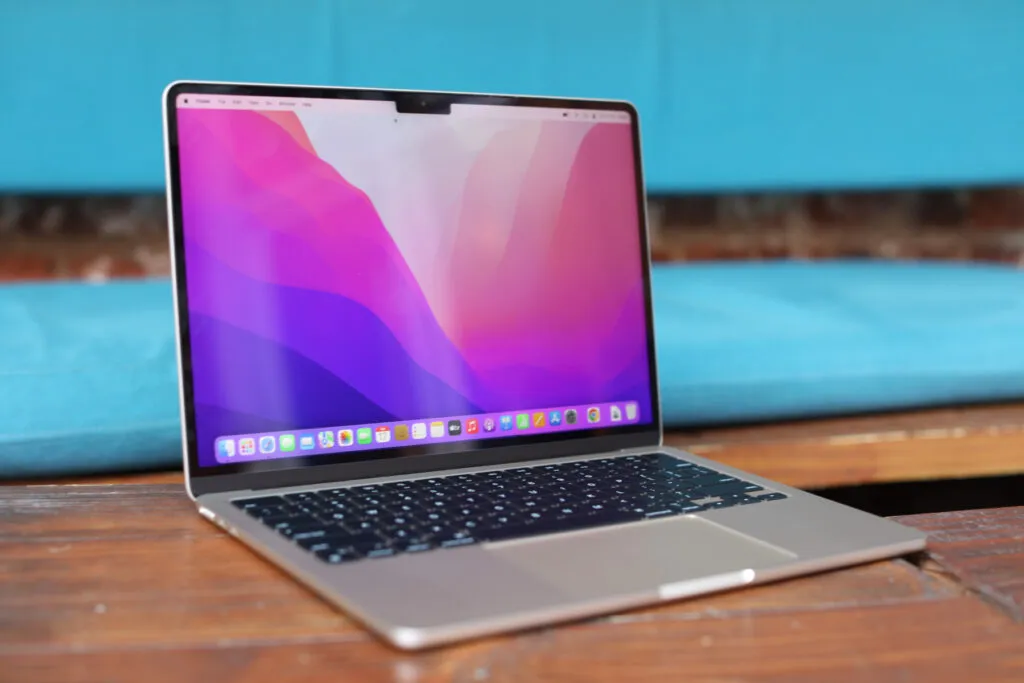
A setting created for backups now hands AI agents the keys to the whole computer - messages, mail, browsing history....
This site uses cookies - is that okay? Learn more
Be the first to know when Metla launches something new
Leave your email and we will write when there is a new guide or something new on Metla.