Three planes over Studeničani, crews staying all night: „No danger" is an assessment, not the end of the fire
20.08.2026


20.08.2026

20.08.2026

20.08.2026

20.08.2026

20.08.2026

20.08.2026

20.08.2026

19.08.2026
18.08.2026

20.08.2026

20.08.2026

19.08.2026

20.08.2026

20.08.2026

20.08.2026

20.08.2026

19.08.2026

18.08.2026

20.08.2026

20.08.2026

20.08.2026

20.08.2026

20.08.2026
19.08.2026

09.03.2026

27.02.2026

19.02.2026

20.08.2026

19.08.2026

18.08.2026

23.04.2026

23.04.2026

12.04.2026
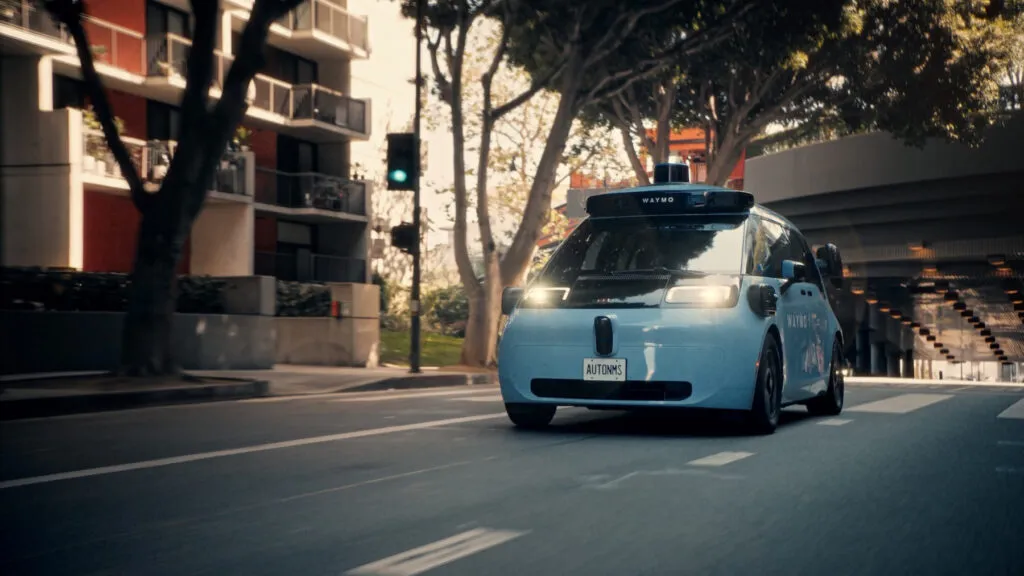
Waymo, the autonomous driving company owned by Alphabet, has opened its new generation of robotaxi to all passengers in Los Angeles, Phoenix and San Francisco. The vehicle is called the Ojai and, when you request a ride in those three cities, it may be assigned to you without you choosing it. Once there are enough of them, passengers will be able to pick between it and the older Jaguar I-Pace. For now the commercial fleet holds around 300 such vehicles.
By the end of the year the Ojai is due to reach Denver, Las Vegas and San Diego too. Until now Waymo relied on the converted Jaguar, which became part of the street scene in San Francisco and operates in 11 American cities. But that vehicle was always a stopgap - expensive to produce and to maintain, which is a problem when the goal is mass scale and, eventually, profit.
The Ojai carries the sixth generation of the autonomous driving system, which is modular and designed to run on multiple vehicle types - that is the key to the whole commercial calculation. Inside there is a redesigned interface and Gemini, serving as a passenger assistant.
Set the technology aside and something more interesting remains: the Ojai is a minibus from Zeekr, a brand owned by China's Geely. Waymo has worked with Zeekr since 2021, and the vehicle is built on the SEA-M platform, designed precisely for robotaxis and delivery vans.
Here the story collides with politics. Vehicles made in China face high American import tariffs, which raises the price of every Ojai entering the country. The base vehicles arrive without a single piece of Chinese connected technology on them, and then go to Waymo's factory in Arizona, where they are fitted with the autonomous driving system. So an American company is building the future of autonomous transport on a Chinese chassis, splitting that vehicle into two parts to satisfy political requirements, and then paying tariffs for the privilege.
The scale is not small. The New York research firm MoffettNathanson, which tracks imports through detailed customs data on shipped goods, estimates Waymo is on course to bring 5,000 Ojai vehicles into the US by the end of 2026. That is more than double the current Jaguar fleet. In July alone 725 vehicles came in.
Worth noting that robotaxis are no longer only an American story. Uber and Pony.ai are already bringing such vehicles to Europe, and the first is driving in Zagreb. When a technology starts arriving in the region through commercial contracts rather than announcements about the future, the question becomes more concrete: who writes the rules for a driverless vehicle once it reaches us too?
The latest 10 news from this category

A startup worth 1.3 billion in May sold for 7.5 billion in August. The founders alone take home more than...

Brussels fined it 500 million euros, Apple offered a scheme critics called malicious compliance. This is the third attempt in...
For three and a half years the product ran with no protection for minors. It did not change after a...
Apple sent warnings to 110 countries, and researchers say they have never seen numbers like these. One of those targeted...

No acquisition, no technology taken over, no service continued. Google is taking only the people, and the paying customers get...

An investor told the Anthropic chief executive to be a „more positive advocate” for his industry. The answer was sharper...

Eleven people in Paris claim the GPUs companies already own are running far below capacity. They set the deadline for...
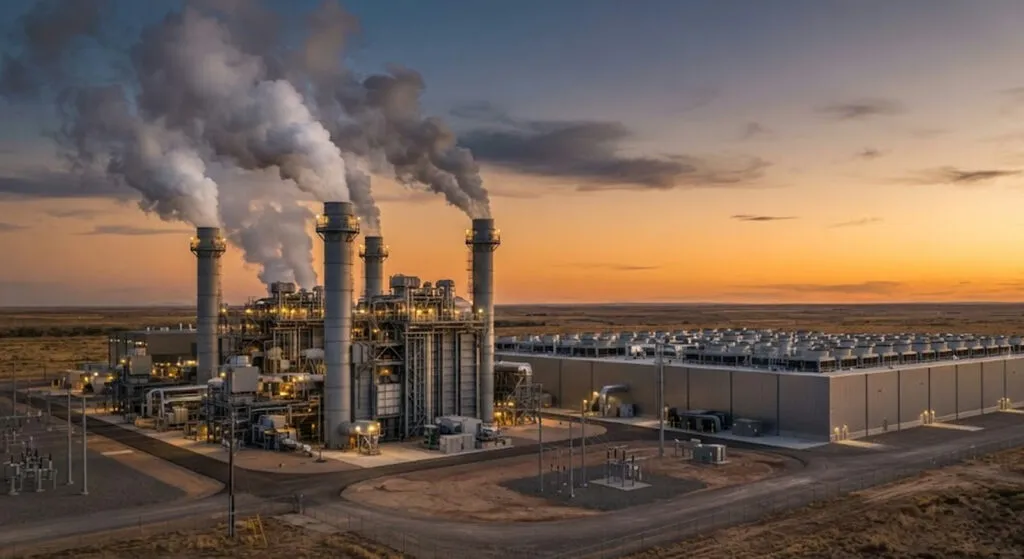
Amazon, Google, Meta and Microsoft are building gas plants of several gigawatts each. Analysts reckon the price of gas will...
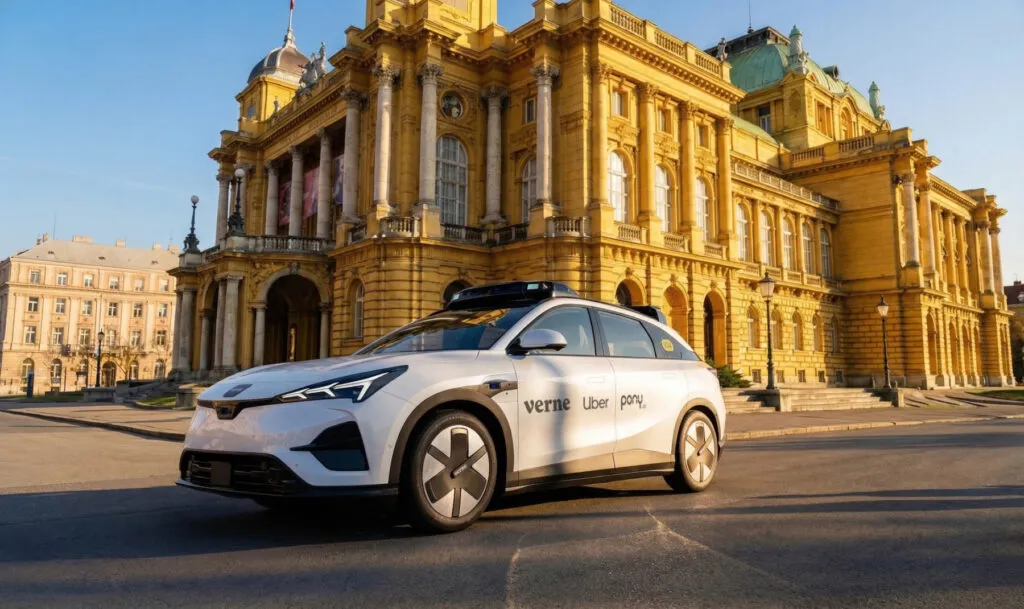
Pony.ai provides the technology, Uber provides the users, and a local partner gets the maintenance, cleaning and charging. Four European...
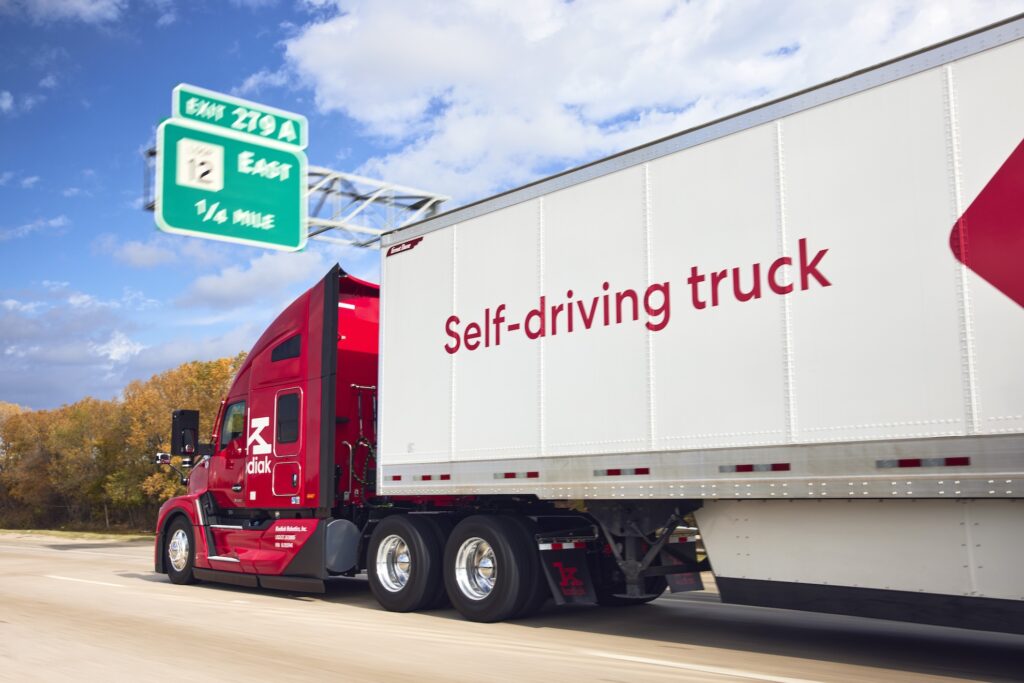
The ban on autonomous trucks over 4,500 kilograms fell in April, and Aurora and Kodiak got permits immediately. The lawsuit...
This site uses cookies - is that okay? Learn more
Be the first to know when Metla launches something new
Leave your email and we will write when there is a new guide or something new on Metla.