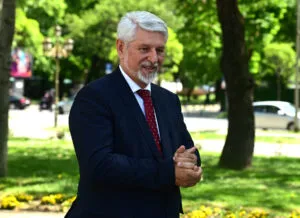
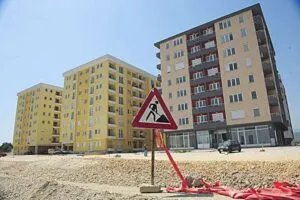
A New Criminal Complaint Against Jakimovski: A Building Permit Based on a Plan Struck Down Back in 2018
16.09.2026


16.09.2026

16.09.2026

16.09.2026

16.09.2026
16.09.2026

16.09.2026

16.09.2026

15.09.2026

14.09.2026

16.09.2026

16.09.2026

15.09.2026

16.09.2026

15.09.2026

14.09.2026

16.09.2026

16.09.2026

16.09.2026

16.09.2026

15.09.2026
15.09.2026

09.03.2026

27.02.2026

19.02.2026

16.09.2026

15.09.2026

14.09.2026

23.04.2026

23.04.2026

12.04.2026


The price of gas in America has become a political problem that pushes people to change jobs, retire early, or negotiate work from home - not as a perk, but as a condition for survival. After the two-day military clash with Iran at the start of the year, prices exploded: in places 4.52 dollars a gallon (~1.19 euros a litre), in some locations 4.29 dollars, compared with the 2.98 dollars average that was considered normal in February.
Regional manager Steven Kaledecker (46), who runs a chain of hotels across Ohio, Indiana and Illinois, spends over 1,000 dollars a month on fuel alone. The pay for this role is better than the previous one, but once fuel takes its cut - he loses. The employer refuses to cover travel costs. The emotional weight is real, and he's not alone.
Shaide Fisher (34), with an MBA, restricted his job hunt to positions close to Chicago or fully remote. Mark Hernandez quit his Walmart delivery job when revenue dropped by hundreds of dollars a week - he now works 1.5 kilometres from home. Paul Banze (68), a shift supervisor at a pharmacy, told his boss: if gas drops to 4 dollars a gallon, he stays. At 4.29 - he starts planning retirement.
For a 68-year-old retiree from Florida with health issues, who expected to be at home for good - she's now looking for part-time work. Monthly costs for food, insurance, taxes, helping adult kids, aren't covered. The drive to the doctor - 50 kilometres one way - now costs between 75 and 100 dollars in gas. A few months ago - 50 dollars. A bigger gap than the gap between „comfortable living" and „getting by."
The Indeed lead for trends, Priya Rathod, confirms: job searches within a 50-kilometre radius have grown. In April, 59.2 percent of applicants were limiting positions by proximity. In February - 57.8 percent. Not a huge jump, but indicative. Stanford economist Nick Bloom reports that work-from-home days average 26.2 percent in April, against 24.6 percent at the start of the year.
For the Balkans, this doesn't sound foreign. When the price of petrol jumps 30 cents, our whole monthly budget flips. When in America it pulls entire careers, the lesson isn't that Americans are spoiled by cheap fuel. The lesson is how easily the „American dream" breaks - the house, the two cars, the deep mortgage debt - when one geopolitical hit moves the pillar. One war, one news cycle, and millions of people rethink how they get to work.
The latest 10 news from this category

Sanctions imposed over one war are being offered as currency in an entirely different dispute. Most member states are against...
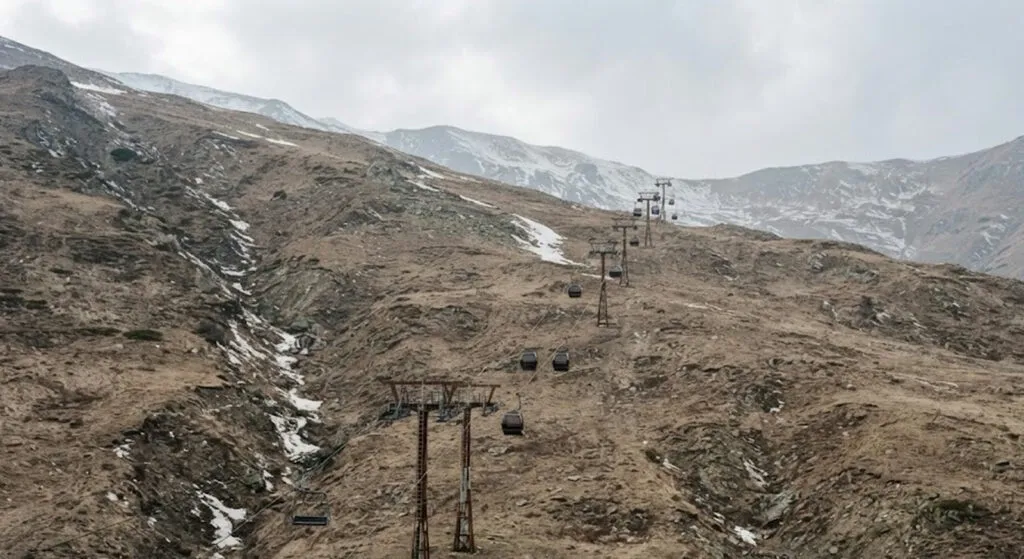
El Nino in the Pacific shifts the currents that decide where snow falls. An area that usually gets a metre...

The easiest way to dismiss an uncomfortable argument is to point at who is making it. But that does not...

The appeals court ruled the entire trial must start over. The son of Norway's queen is waiting for it on...
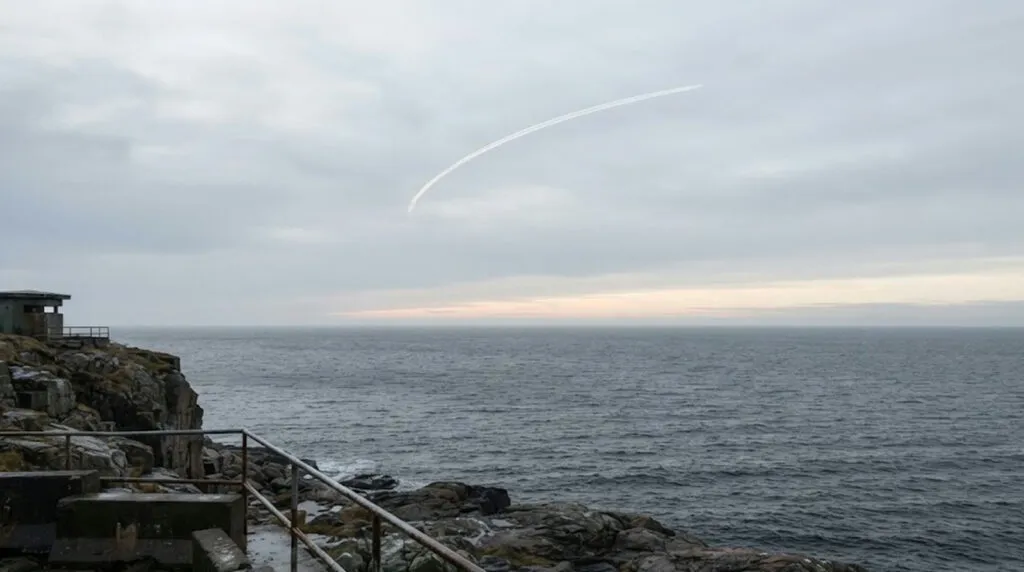
Trump scaled back the military exercises to ease the tension, and Wonsan answered in the form of projectiles. What does...

The sanctions list got a seven-day extension instead of one measured in months, a move diplomats themselves call unprecedented. Two...

Switzerland offered a table for talks on Ukraine, Moscow replied that the table stopped being neutral once Bern adopted EU...

The will says one thing, a committee of twenty-one men decided another. The queen mother says the army pulled the...

A country that was Europe's byword for stability for decades now has a parliament split into two blocs by a...

Sixteen years in power, defeat at a regular election, five months of quiet - and now the election result is...
This site uses cookies - is that okay? Learn more
Be the first to know when Metla launches something new
Leave your email and we will write when there is a new guide or something new on Metla.