


They Rode In on Scooters, Torched the Shops and Left: The Fire in Shuto Orizari Burned for Three Hours, Setting It Took Fifty Seconds
13.09.2026


13.09.2026

13.09.2026

13.09.2026

13.09.2026

13.09.2026
13.09.2026

13.09.2026

12.09.2026

11.09.2026

13.09.2026

13.09.2026

12.09.2026

13.09.2026

13.09.2026

13.09.2026

13.09.2026

12.09.2026

11.09.2026

13.09.2026

13.09.2026

13.09.2026

13.09.2026

13.09.2026

12.09.2026

09.03.2026

27.02.2026

19.02.2026

13.09.2026

12.09.2026

11.09.2026

23.04.2026

23.04.2026

12.04.2026


Health Minister Saso Klekovski announced that the acute phase of the Gostivar epidemic has calmed. The total number infected is 4,303 people. Over the past four days, new first consultations have run between 80 and 125 a day.
For comparison - and that comparison is the most important number in the whole story - multi-year records show the July average in Gostivar was around 25 reported infectious-disease cases. So the „calm” phase is still three to five times above normal for the month.
22 days
Water in Gostivar has been banned for drinking since 17 July, after the institutions established that pumps had been feeding water containing faeces into the town supply for 22 days. Twenty-two days. Not one incident, not one rainfall, not one breakdown - three weeks in which the system ran like that and nobody noticed.
On 19 July an epidemic was declared. On 21 July the government declared a 30-day crisis state in the town. From 27 July the water can be used as non-potable - for washing, but not for drinking or preparing food. Klekovski said it would be cleared for drinking only after three consecutive negative tests on the examined samples.
Now the wait is for the second wave
The ministry, in consultation with the Commission for Infectious Diseases, has introduced enhanced health surveillance for the post-acute phase. The reason is not optimism.
„We appeal to GPs and to health institutions in Gostivar to focus on the next challenges, on monitoring hepatitis A and E,” Klekovski said, adding that health facilities are prepared in terms of testing and treatment capacity.
Hepatitis A and E have a longer incubation period than enterocolitis. That means the consequences of the water drunk in July can surface weeks later - after the crisis state expires and after the subject drops off the agenda.
SDSM responded that its leader, Dr Venko Filipce, had warned about precisely this risk earlier, and criticised the minister over how he is handling the situation.
The analysis comes last
Klekovski announced a detailed analysis of the epidemic's course through the official reporting systems, with documented cases carrying enterocolitis-related diagnoses from 1 June onwards.
From 1 June. That is an admission that the suspicion reaches further back than 17 July - that something may have been moving before the date the water was officially banned. If the analysis turns up June cases, then the question is not only who installed the pumps, but who was watching the numbers while they climbed.
The latest 10 news from this category
Ivanovska recalls why Vodno was forested in the first place. Gerasimovski says the court annulled the old plan and a...

Three Bulgarian ministries, MPs from different parties and flags inside the medical centre. MAEI asks why a check-up in a...
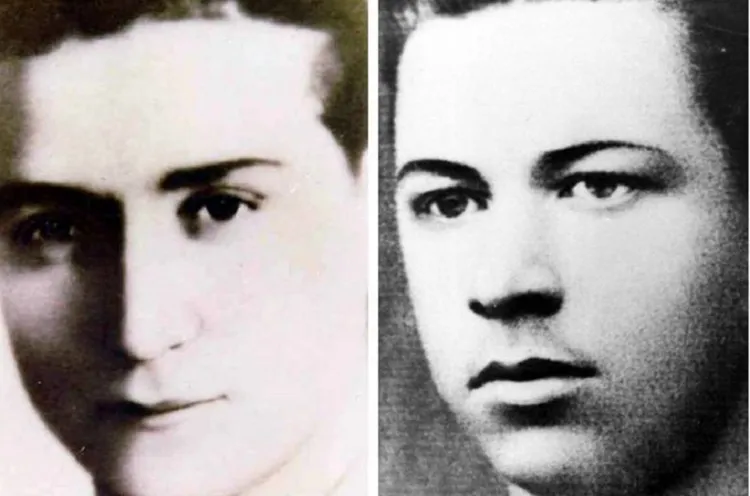
Flowers were laid in Bitola for Stefan Naumov and Dimitar Bogoevski. Behind the anniversary stand two biographies that ended at...

Eighty children do not simply appear out of nowhere. The question no ceremony answers is whether there are enough instruments...
When you buy honey from the man who tells you which village it came from, you bypass the entire trade...
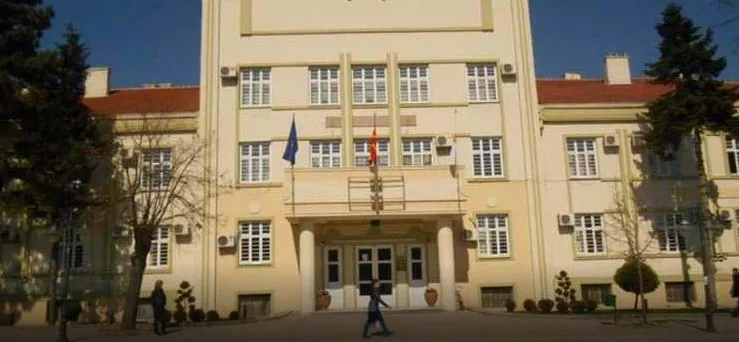
Any citizen can submit a nomination. That is exactly where these competitions either come alive or become an internal affair...
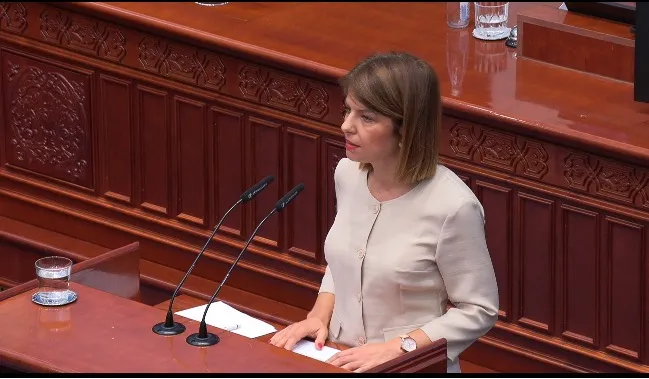
The minister answered that pupils are not a risk group because the youngest patient was 25. The MP had asked...
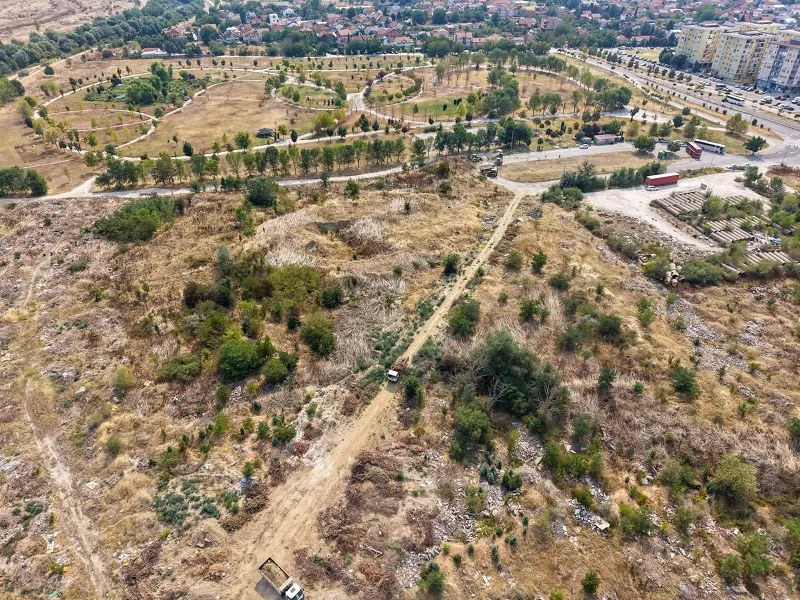
For five years after the promise, the dump stayed a dump. The two neighbouring parks tell the story that comes...
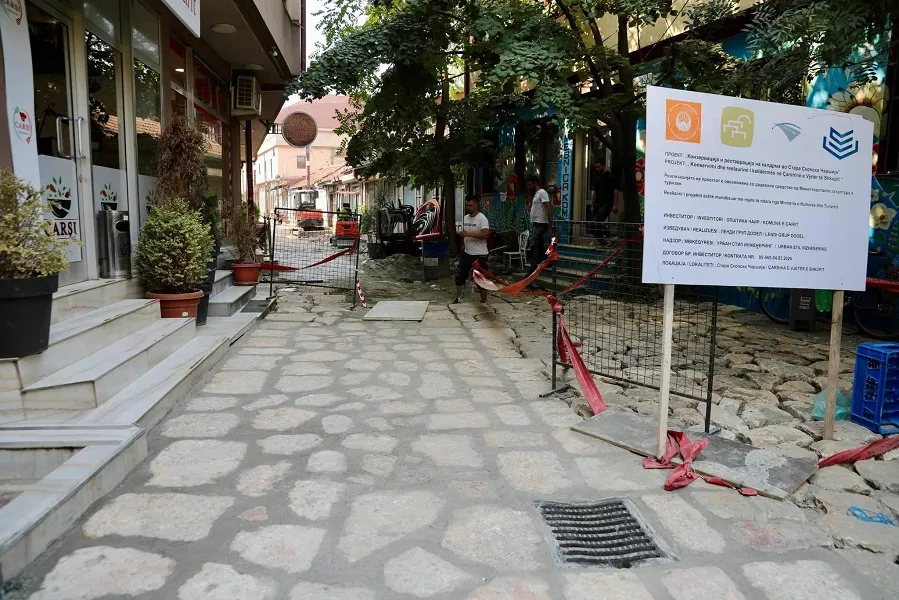
The most visited historic space in Skopje waited fifty years for someone to replace the pipe under the cobblestones. The...

There is a route, there is a presentation and there is agreement that the road is needed. There is no...
This site uses cookies - is that okay? Learn more
Be the first to know when Metla launches something new
Leave your email and we will write when there is a new guide or something new on Metla.
